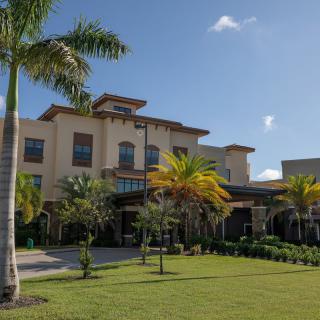
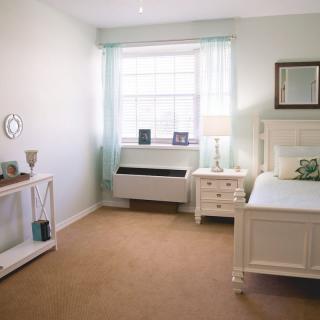
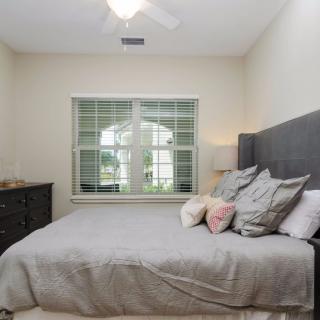
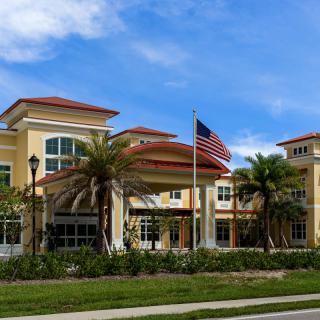
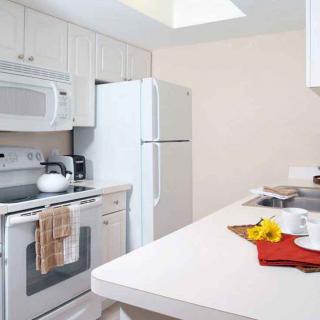
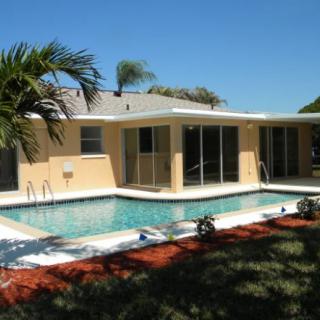
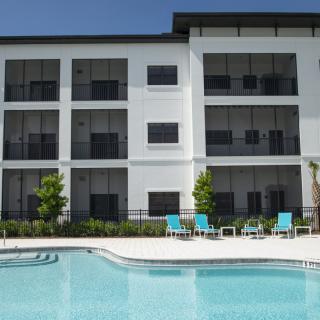
Hampton Manor of Cape Coral

Save

  • Interior

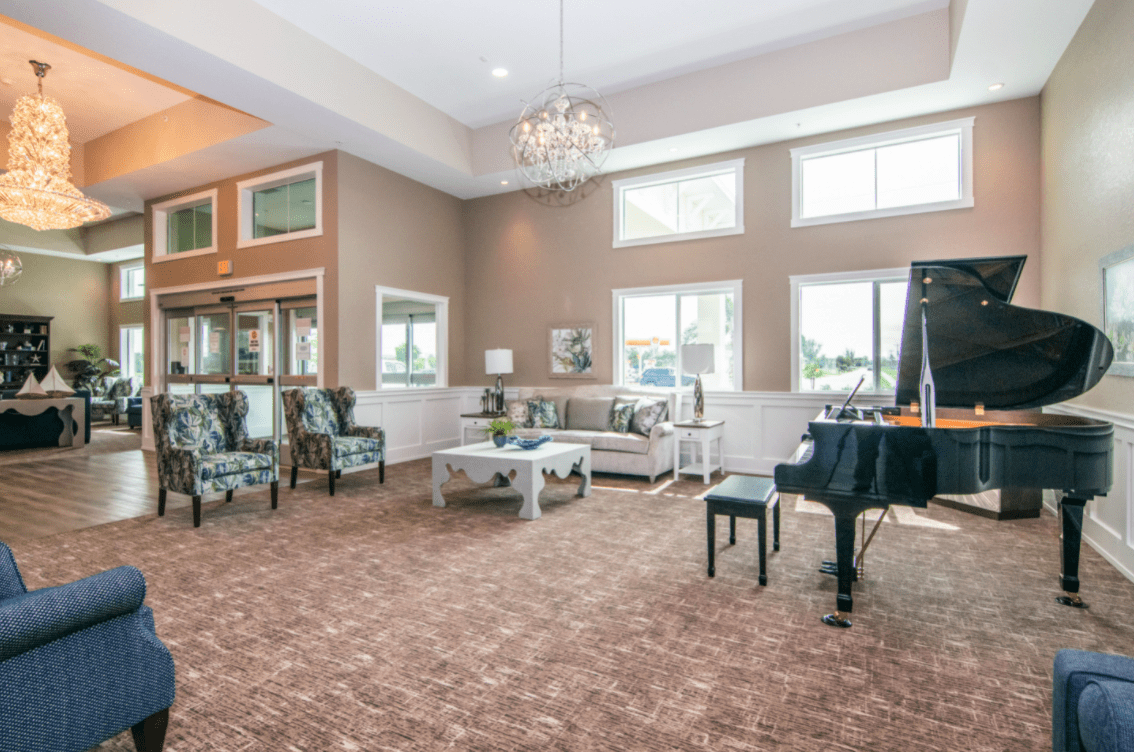
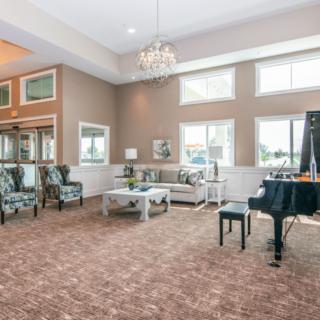
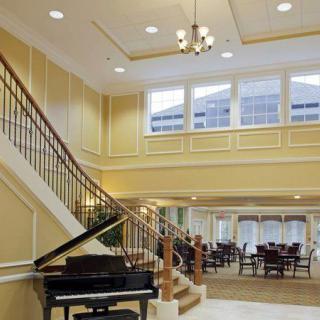
    A spacious living room with elegant furnishings, featuring a grand piano, chandelier, and large windows.
  • Decor

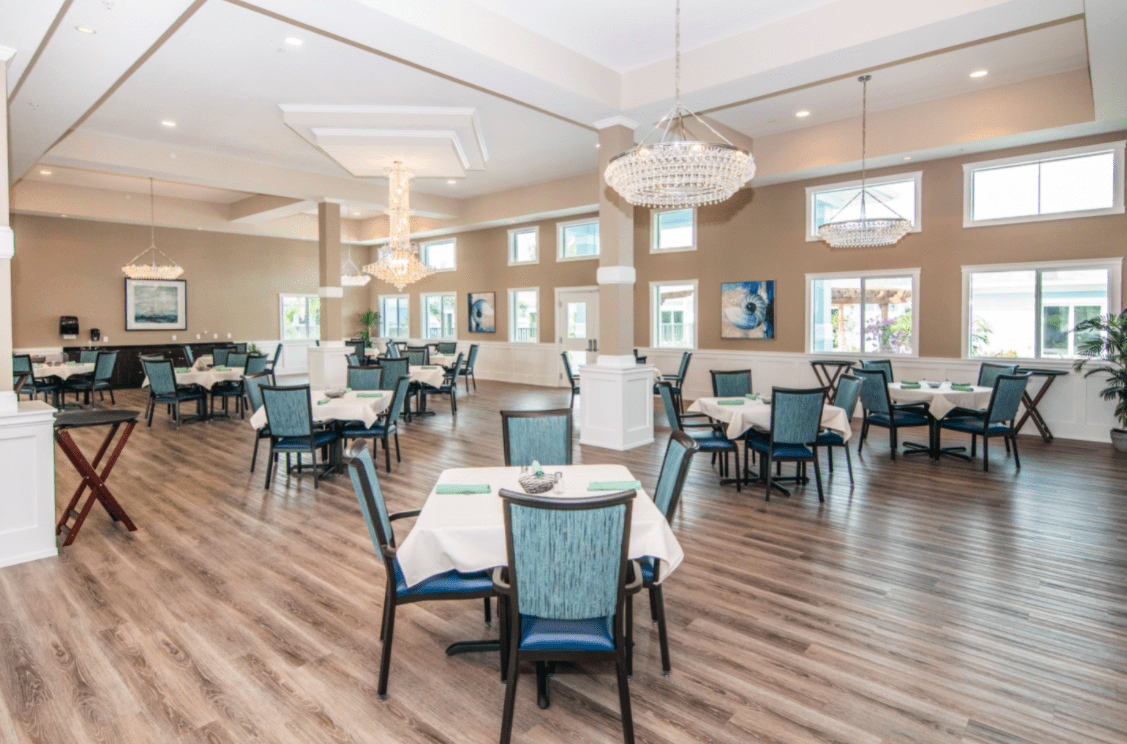
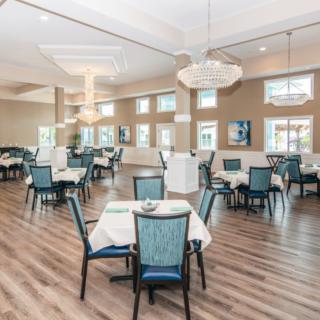
    A modern dining room with neatly arranged tables and chairs, featuring elegant chandeliers and large windows.
  • Building

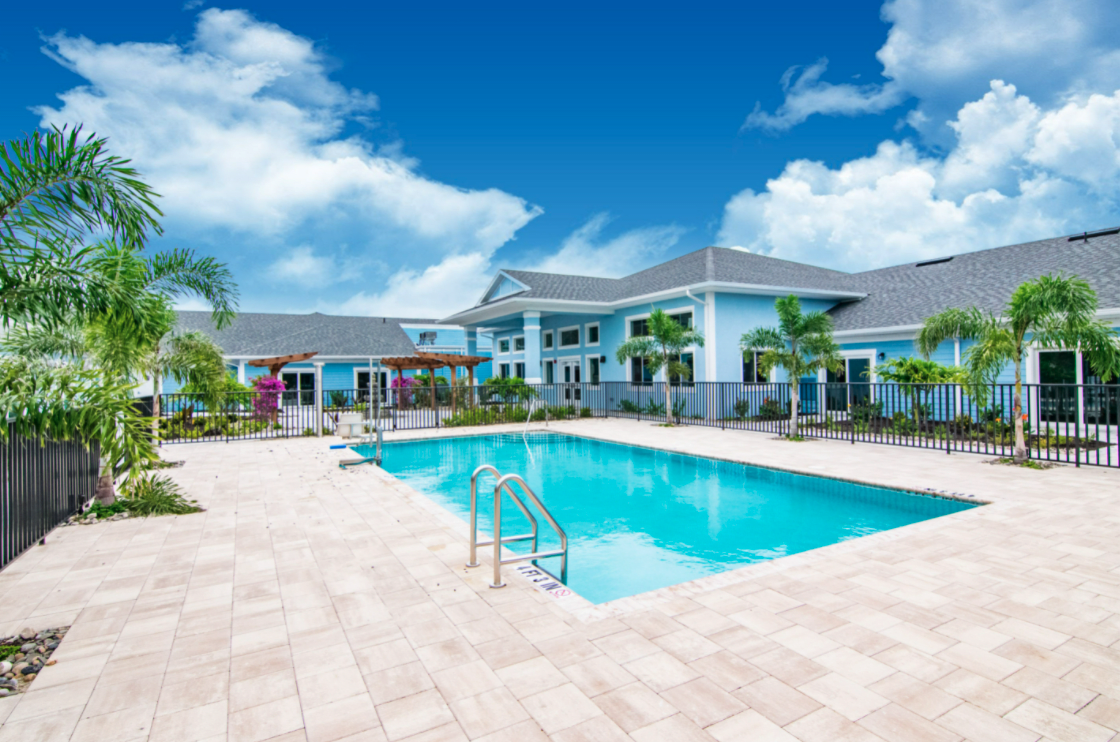
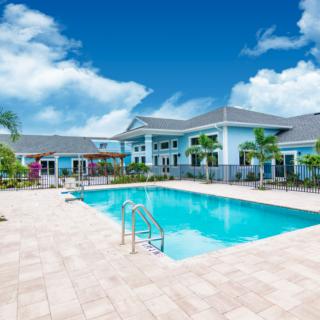
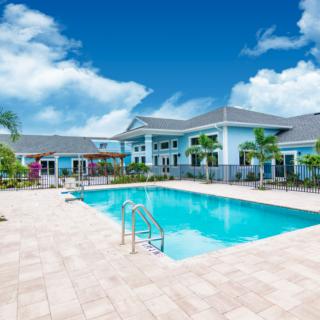
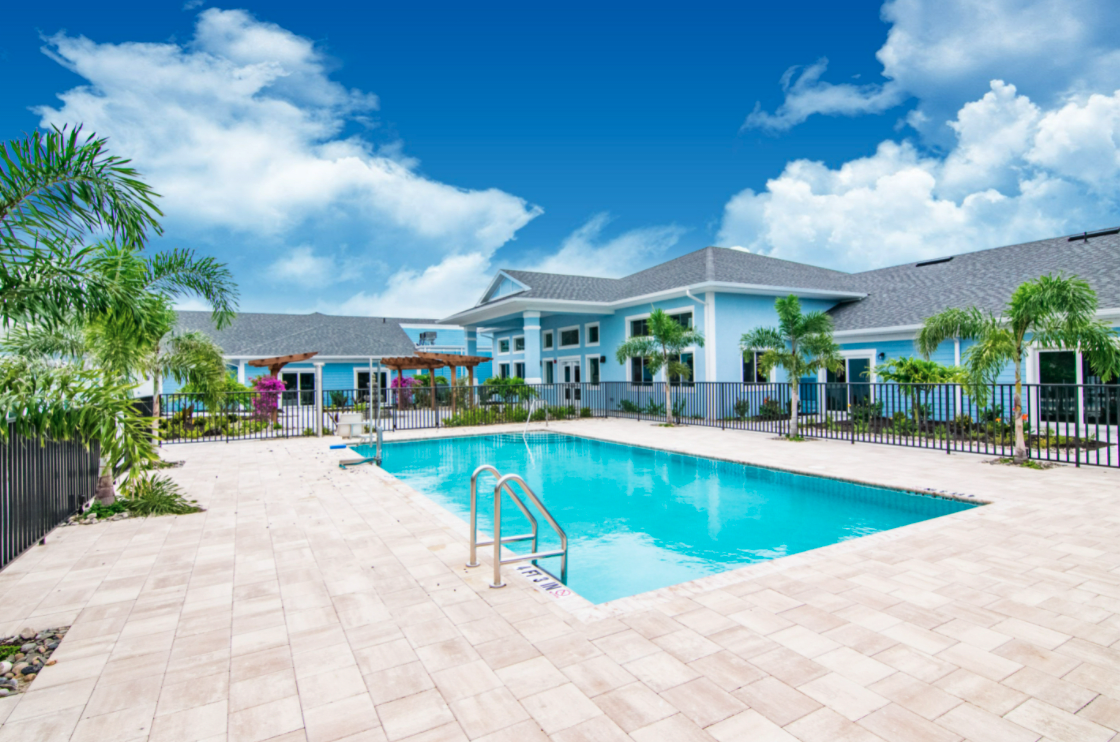
    A luxurious resort with a clear blue swimming pool under a bright sky.
  • Windows

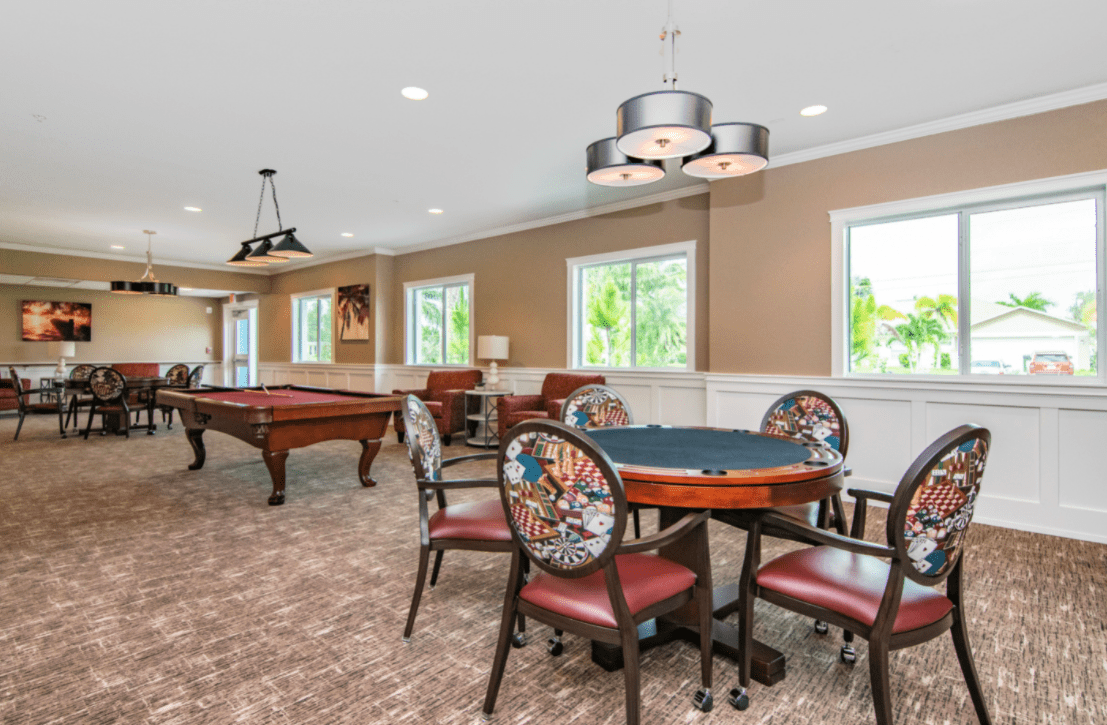
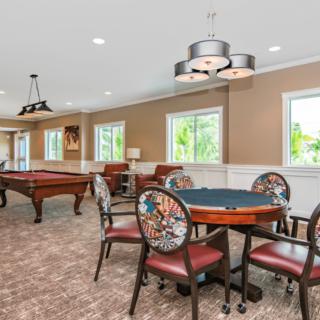
    A spacious game room featuring a pool table and a poker table with surrounding chairs, well-lit by pendant lights and natural light from large windows.
  • Landscaping

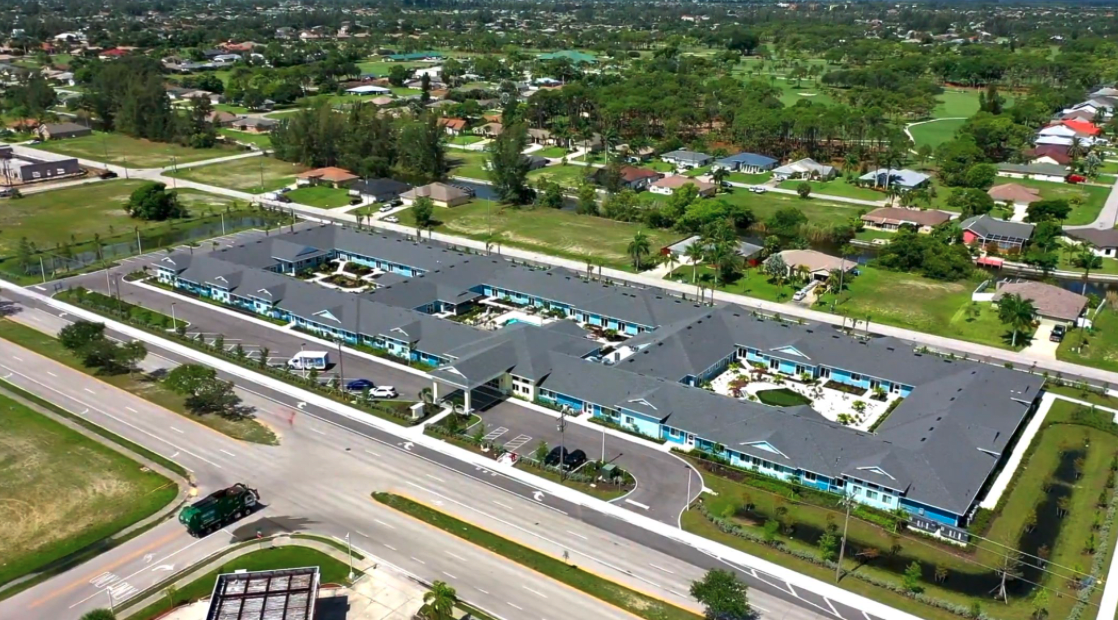
    Aerial view of a residential complex surrounded by greenery.
  • Artwork

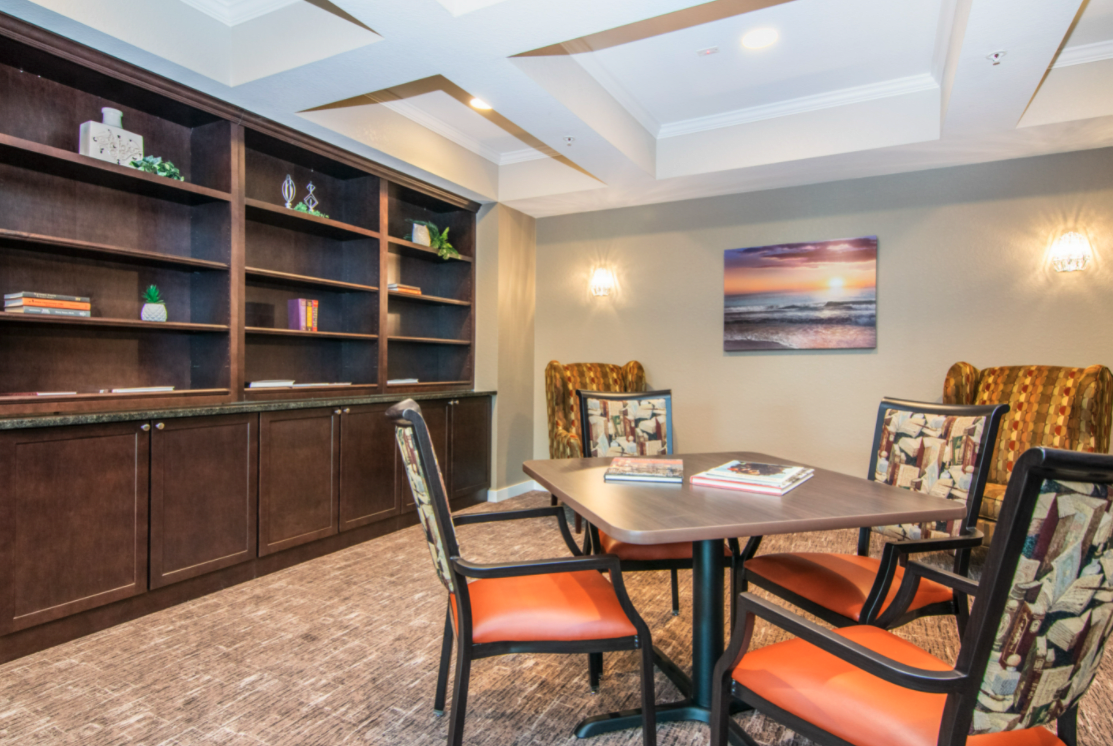
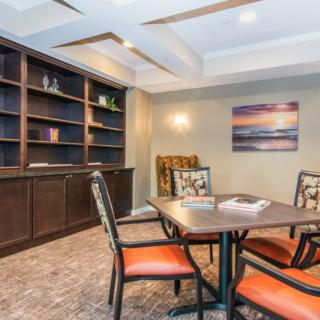
    A cozy meeting room with a table, chairs, and a built-in bookshelf.
  • Outdoor

    A luxurious residential complex featuring a pristine outdoor swimming pool under a clear blue sky.
  • Bathroom

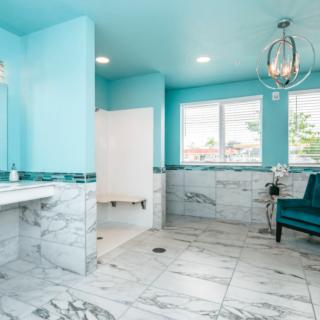
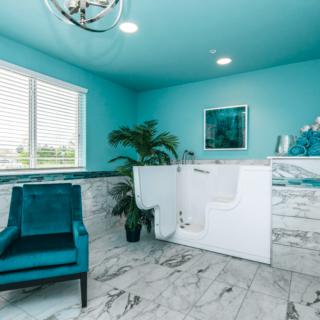
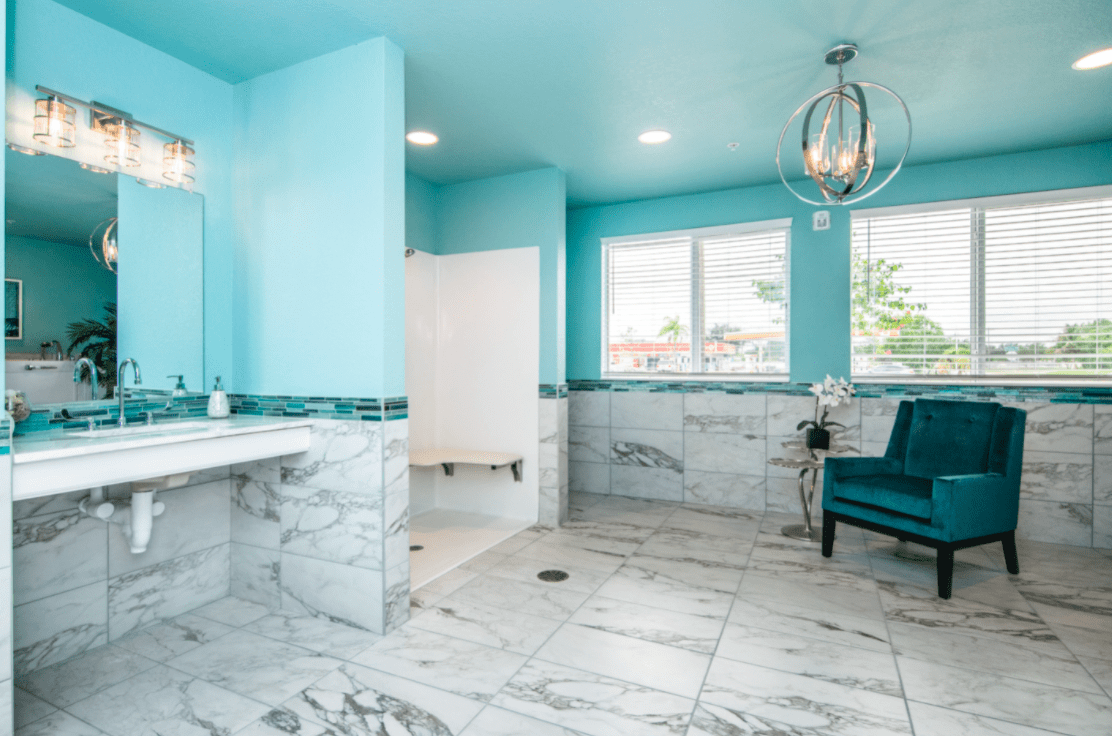
    A modern bathroom with marble flooring and turquoise walls, featuring a luxurious armchair and chandelier.
  • Chandelier

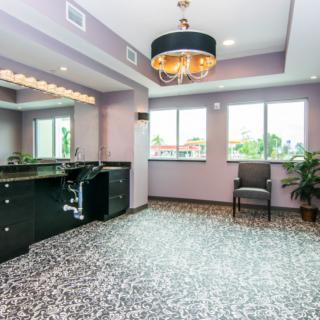
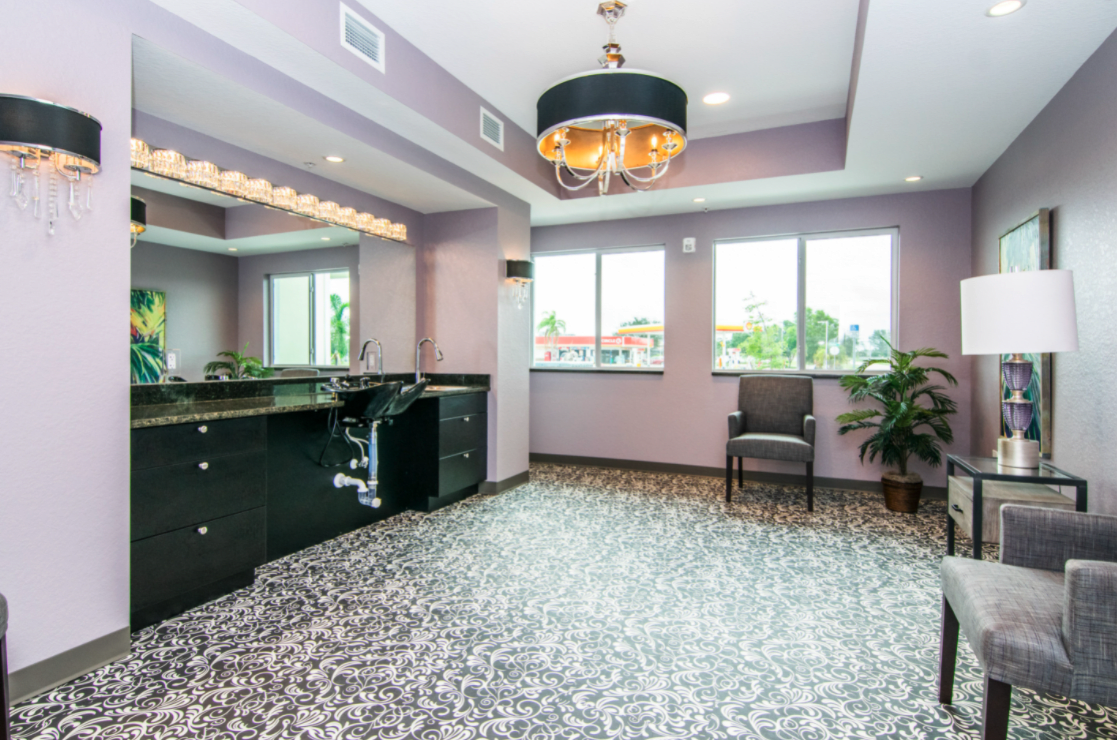
    A modern interior room with a chandelier, large mirrors, and ample natural light from the windows.
  • Plant

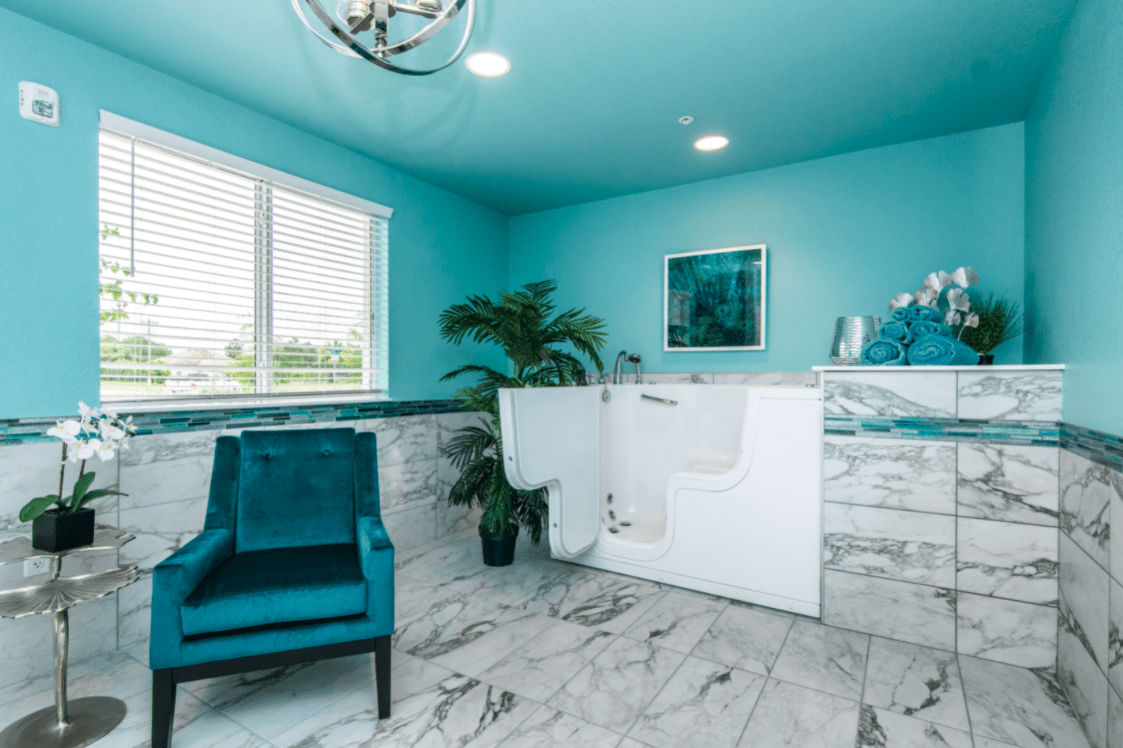
    A modern bathroom with a teal color scheme, featuring a walk-in bathtub and turquoise armchair.

Hampton Manor of Cape Coral

Information last verified:

1906 Skyline Boulevard, Cape Coral, FL 33991

For more information about senior living options: (844) 490-3973

4.5 from 65 reviews
5 stars
52
4 stars
6
3 stars
2
2 stars
0
1 stars
5

Seniors.FYI Elite Community Awards

Top 5% Senior Living Community in 2022

Add this award to your website

Hampton Manor of Cape Coral Costs & Pricing

Hampton Manor of Cape Coral presents a competitive pricing structure for its various room types, particularly when compared to both Lee County and the broader Florida market. For studio accommodations, residents can expect to pay $3,300 per month, which is notably lower than the county average of $3,874 and the state average of $3,823. The 1-bedroom option is priced at $3,500, again offering a cost advantage over Lee County's $4,049 and Florida's $3,864. For those seeking more space with 2-bedroom units, Hampton Manor's rate of $4,500 remains attractive against the county's average of $4,708 and the state's average of $4,711. Overall, Hampton Manor stands out as a financially appealing choice for potential residents in this region.

Floor plansHampton Manor of Cape CoralLee CountyFlorida
Studio$3,300$3,874$3,823
1 Bedroom$3,500$4,049$3,864
2 Bedrooms$4,500$4,708$4,711

Overall Review of Hampton Manor of Cape Coral

Pros

  • pro The Hampton Manor staff is a caring, hard-working, conscientious family.
  • pro Their attention to residents is above and beyond, reflecting a genuine concern for both residents and their families.
  • pro It feels like home, with a beautiful atmosphere for loved ones.
  • pro The front desk staff are wonderful, warm, kind, and professional.
  • pro The manager Yeni ensures every resident is cared for like family.
  • pro The nursing staff is outstanding, providing accurate, compassionate, and detail-oriented care.
  • pro The facility is beautiful, with well-maintained rooms, a pool, courtyards, and inviting common areas.
  • pro The dining experience is restaurant-quality, with meals that residents and families appreciate.
  • pro The activities director is awesome, keeping residents engaged with a variety of events.

Cons

  • pro Unprofessional manager, under staffed, poor care, unhealthy food quality, some staff are either lazy, or need more coaching.
  • pro Not enough aid assistance to take care of the residents in memory care.
  • pro Not a good place.
  • pro This place should not even be open; it’s giving below subpar care.
  • pro The head nurse, Jessica is not proactive or communicative!
  • pro The head Director is extremely fake and is a different person when not in front of family.
  • pro The nurse was nasty (before being replaced).

Review

Hampton Manor of Cape Coral is best suited for families seeking a warm, home-like assisted living experience with a deep caregiving culture, especially where memory care is a core part of the offering alongside traditional support. The community tends to attract residents who want private apartments with personal furnishings, courtyard access, and a setting that feels more intimate than a large campus. With restaurant-style dining, a clear emphasis on social engagement, and a resort-like milieu, complete with a pool, water features, and regular activities, the environment rewards residents who thrive on daily connection and structured routines. For families prioritizing genuine staff-resident relationships and a “go-to” care ethos, this is a compelling match.

Those who may want to consider alternatives fall into a few practical buckets. First, if consistent, seamless family communication and predictable staffing are non-negotiable, the occasional notes of turnover and communication gaps in some reviews warrant caution. Second, families seeking the quietest possible clinical oversight or a care plan you never have to chase may prefer facilities with more centralized medical coordination or larger nursing teams. Third, for residents who rely on mobility devices beyond basic assistance, or who require intensive, highly specialized dementia care with continuous, proactive monitoring, it’s wise to compare options. Finally, budget-sensitive families should recognize that the strong amenities and dining program come with a premium, and all-inclusive costs can be substantial.

The strongest pros at Hampton Manor, staff warmth and genuine engagement, a person-centered ethos, and a vibrant activity calendar, often offset the noted drawbacks. Reviewers repeatedly praise staff who know residents by name, engage with families, and treat care as a heartfelt mission. The atmosphere is described as clean, attractive, and homelike, with a thoughtfully designed public space, comfortable private apartments, and outdoor areas that invite relaxation. Dining is frequently highlighted as restaurant-quality, with scratch-made meals and attentive kitchen staff. In practice, these strengths cultivate real wellbeing: residents participate more fully, recover or maintain independence, and families gain confidence that their loved one is cherished. Where concerns arise, they are frequently addressed by administrators who show commitment to improvement.

Facility specifics reinforce the overall impression. The community is brand-new and well maintained, with a standout common area layout, private studios, and outdoor courtyards that foster a sense of belonging. The dining program often gets high marks, and the on-site therapy department is a notable asset for residents needing rehabilitation or restorative services. Amenities extend to a pool, a movie theater, activity rooms, and a salon, all of which support a full, engaged lifestyle. Yet a few reviews flag occasional inconsistencies, especially around care nuances in memory care and the frequency of updates to families. These are not universal, but they are real enough to warrant proactive questions during tours and pre-admission planning.

For families deciding to move forward, a practical checklist helps separate fit from misalignment. Verify the memory care capabilities and staffing patterns for shifts with the most need; ask for current caregiver-to-resident ratios and turnover rates; request a tour of the memory care area to observe program structure and engagement. Probe the dining room for dietary accommodations and menu flexibility, especially for residents with dietary restrictions. Confirm what support is included in the monthly rate versus add-ons (private duty, therapy, or respite care), and explicitly verify access to motorized mobility devices if applicable. Finally, insist on a transparent communication plan: how updates are shared, who leads the care plan, and how families are alerted to changes in a resident’s condition.

In the end, Hampton Manor of Cape Coral stands out for families who prize a compassionate, people-forward culture and a lively, well-supported daily life for an aging loved one. Its 4.5 average rating across a broad set of reviews reflects consistently strong satisfaction, particularly around staff devotion, home-like ambiance, and robust activity and dining programs. Yet no community is perfect, and the most reliable path is a targeted intake of questions, especially about memory care care coordination, communication routines, and accessibility features. For families who can align with the vibe, price point, and proven strengths, Hampton Manor is a worthy, confident choice. For those where the outlined drawbacks matter most, exploring closely matched alternatives ensures the right balance of care, connection, and value.

Features

Housing

  • 130 resident community capacity 130 resident community capacity

Types of Care

  • Assisted Living Assisted LivingAssisted living facilities provide crucial support and care for seniors who may need help with daily tasks such as medication management, bathing, and meal preparation. These communities offer a safe and comfortable environment where seniors can maintain their independence while receiving the assistance they need to thrive in their golden years.
  • Independent Living Independent LivingIndependent living communities are important for seniors because they offer a safe and supportive environment where older adults can live independently while still having access to amenities and services that enhance their quality of life. These communities provide social opportunities, recreational activities, and assistance with daily tasks, promoting overall well-being and allowing seniors to maintain their independence for as long as possible.
  • Memory Care Memory CareMemory care is crucial for seniors as it provides specialized support and services for individuals with dementia or Alzheimer's disease. These programs offer a safe and secure environment where residents receive personalized care, cognitive stimulation, and help with daily activities. Memory care helps seniors maintain their independence, quality of life, and dignity while also providing peace of mind for their families.

Pets

  • Cats allowed Cats allowed"Pet friendly" senior living communities are important for seniors because pets provide companionship, reduce feelings of loneliness and depression, promote physical activity and mental stimulation, and offer a sense of purpose and responsibility. Pets can improve overall well-being and quality of life for seniors in many ways.
  • Dogs allowed Dogs allowed"Pet friendly" senior living communities are important for seniors because pets provide companionship, reduce feelings of loneliness and depression, promote physical activity and mental stimulation, and offer a sense of purpose and responsibility. Pets can improve overall well-being and quality of life for seniors in many ways.

Amenities

  • Activities on-site Activities on-siteActivities on-site are important for seniors because they provide opportunities for socialization, mental stimulation, physical activity, and overall well-being. Engaging in activities can help seniors stay active, maintain their independence, and improve their quality of life.
  • Air-conditioning Air-conditioningAir conditioning is important for seniors as they are more vulnerable to heat-related illnesses and may have underlying health conditions that make it difficult for them to regulate their body temperature. It helps to keep them comfortable, safe, and healthy in hot weather.
  • Beautician on-site Beautician on-siteHaving a beautician on-site at a senior living community is important for seniors as it allows them to easily access grooming and personal care services, boosting their self-esteem and overall well-being. It also provides convenience and helps seniors maintain their sense of independence and personal style.
  • Beauty salon Beauty salonBeauty salons are important for seniors because they provide a space for them to feel pampered, socialize, and maintain their personal grooming and hygiene. Regular visits to a beauty salon can help boost seniors' self-esteem and overall well-being.
  • Cable or satellite TV Cable or satellite TVCable or satellite TV is important for seniors because it provides entertainment, news, and companionship, helping to combat loneliness and boredom. It also offers a wide range of programming options tailored to different interests and preferences.
  • Computer center Computer centerA computer center is essential for seniors as it provides access to technology, communication tools, and resources that can enhance their daily lives. It allows them to stay connected with loved ones, engage in online activities, and learn new skills, ultimately promoting socialization and mental stimulation.
  • Devotional services on-site Devotional services on-siteDevotional services on-site provide seniors with spiritual support and a sense of community, as well as an opportunity for reflection and guidance during their senior living experience. This can promote emotional well-being and connection to others, leading to a more fulfilling and enriching lifestyle in their later years.
  • Dining room Dining roomDining rooms are important for seniors as they provide a space for socialization, connection, and nutritious meals. They offer opportunities for residents to bond over shared meals, foster a sense of community, and promote healthy eating habits. Dining rooms also ensure that seniors have access to well-balanced meals tailored to their dietary needs and preferences.
  • Fitness room Fitness roomHaving a fitness room in a senior living community is essential for seniors to stay active, maintain their physical health, and improve their overall well-being. Regular exercise can help prevent falls, reduce the risk of chronic diseases, and promote mental sharpness. It also provides social opportunities for residents to connect with others and enjoy a sense of community.
  • Fully furnished Fully furnishedFully furnished senior living communities are important for seniors because they provide convenience, comfort, and a hassle-free moving experience. Seniors can easily settle into their new living space without the stress of having to buy and move furniture. This allows them to focus on enjoying their new home and community.
  • Gaming room Gaming roomGaming rooms are important for seniors as they provide a fun and engaging environment for socializing, cognitive stimulation, and physical activity. Games can improve memory, problem-solving skills, and overall mental well-being while fostering friendships and reducing feelings of isolation.
  • Garden GardenGardens are important for seniors as they provide a peaceful and therapeutic environment for relaxation, physical activity, and socialization. Being in nature has been shown to reduce stress, improve mood, and promote overall well-being. Gardens also offer opportunities for seniors to engage in gardening activities, which can improve mobility, flexibility, and cognitive function. Additionally, gardens create a sense of community and connection with others who share a passion for plants and outdoor spaces.
  • Ground floor units Ground floor unitsGround floor units are important for seniors because they provide easy accessibility, reduced risk of falls and injuries, and convenience for those with mobility issues. Seniors can avoid climbing stairs or using elevators, making daily tasks and activities more manageable and enjoyable.
  • Handicap accessible Handicap accessible"Handicap accessible" amenities are crucial for seniors to ensure they can easily navigate and access facilities, services, and activities without barriers or limitations due to physical impairments. This promotes independence, safety, and inclusivity for seniors in senior living communities.
  • Housekeeping services Housekeeping servicesHousekeeping services are important for seniors because they help maintain a clean and safe living environment, promote independence, and reduce the risk of accidents or illnesses. Additionally, having assistance with household chores can alleviate physical strain and allow seniors to focus on other aspects of their well-being.
  • Indoor common areas Indoor common areasIndoor common areas are crucial for seniors as they provide a space for socialization, recreation, and community engagement, promoting overall well-being and reducing feelings of isolation and loneliness.
  • Kitchenette KitchenetteKitchenettes are important for seniors living in senior living communities because they provide the convenience and independence of being able to prepare simple meals and snacks in the comfort of their own living space. This can help promote a sense of autonomy and well-being for seniors, allowing them to maintain some level of control over their dietary choices and daily routines.
  • Move-in coordination Move-in coordinationMove-in coordination is important for seniors because it helps ease the transition into their new living environment. It ensures that all logistics, such as packing, organizing movers, and setting up utilities are taken care of, allowing seniors to focus on settling in and adjusting to their new home. Having a smooth move-in process can alleviate stress and anxiety, making the transition smoother and more enjoyable for seniors.
  • Outdoor common areas Outdoor common areasOutdoor common areas are important for seniors as they provide a space for socialization, physical activity, and relaxation. Being outside in nature can improve mood and overall well-being, while also encouraging movement and engagement with others. These spaces can help combat feelings of isolation and promote a sense of community among residents.
  • Outdoor space Outdoor spaceOutdoor spaces are important for seniors as they provide opportunities for physical activity, social interaction, exposure to natural light and fresh air, and a sense of connection to nature. Having access to outdoor spaces can improve overall well-being and quality of life for older adults living in senior communities.
  • Private bathrooms Private bathroomsPrivate bathrooms are important for seniors in senior living communities because they provide independence, dignity, and comfort. Having a private bathroom allows seniors to maintain their personal hygiene routines without the need for assistance, promoting a sense of autonomy and privacy. Additionally, private bathrooms help prevent the spread of infections and provide a safe and clean environment for seniors to navigate safely.
  • Respite or short term stays offered Respite or short term stays offeredRespite or short term stays provide seniors with a temporary solution when their regular caregiver is unavailable, offering them the opportunity to receive additional care and support during times of need, while also giving caregivers a chance to rest and recharge.
  • Restaurant-style dining Restaurant-style diningRestaurant-style dining is important for seniors because it allows them to enjoy delicious, nutritious meals in a social and upscale setting. This enhances their dining experience, promotes healthy eating habits, and fosters socialization with fellow residents, ultimately contributing to their overall well-being and quality of life.
  • Small library Small librarySmall libraries are important for seniors as they provide access to a variety of reading materials, including books, newspapers, and magazines. This can help stimulate their minds, keep them engaged, and provide a sense of community through book clubs and other social activities. Additionally, reading has been shown to improve cognitive function and overall mental well-being in older adults.
  • Swimming pool / hot tub Swimming pool / hot tubSwimming pools and hot tubs are important for seniors as they provide a safe and enjoyable way to stay active, improve mobility, reduce joint pain, and promote relaxation. Regular use of these amenities can contribute to overall well-being and quality of life for older adults living in senior communities.
  • Telephone TelephoneTelephones are important for seniors as they provide a lifeline for communication with loved ones, emergency services, and healthcare providers. They offer a sense of security and independence, enabling seniors to stay connected and access assistance when needed.
  • Wellness center Wellness centerWellness centers are important for seniors because they offer a variety of programs and services that promote physical, mental, and emotional well-being. These centers provide opportunities for exercise, socialization, education, and relaxation, helping seniors maintain their overall health and quality of life.
  • Wheelchair accessible showers Wheelchair accessible showersWheelchair accessible showers are crucial for seniors as they provide a safe and independent bathing option for those with mobility challenges. These showers help prevent falls and allow seniors to maintain their dignity and autonomy while ensuring they can bathe comfortably.
  • Wi-Fi/high-speed internet available Wi-Fi/high-speed internet availableWi-Fi/high-speed internet is important for seniors to stay connected with loved ones, access online resources, and participate in virtual activities to combat feelings of loneliness and isolation. It also allows them to easily manage healthcare needs, access entertainment, and engage in lifelong learning opportunities.

Transportation

  • Southwest Florida International (16 miles away) Southwest Florida International (16 miles away)
  • Community operated transportation Community operated transportationCommunity operated transportation is crucial for seniors as it provides them with the means to access essential services, social activities, and medical appointments. It allows seniors to maintain their independence and quality of life by ensuring they can participate in activities outside of their homes. Additionally, community-operated transportation services offer a safe and reliable way for seniors to travel without having to rely on family or friends for assistance.
  • Transportation arrangement Transportation arrangementTransportation arrangements are crucial for seniors as they may face challenges with driving, mobility, or access to public transportation. Having reliable transportation services ensures that seniors can easily attend appointments, social activities, and maintain their independence and quality of life.
  • Transportation arrangement (non-medical) Transportation arrangement (non-medical)Transportation arrangements are essential for seniors as they provide access to essential services, activities, and social interactions outside the home. This service helps maintain independence, mobility, and overall well-being for seniors who may have limited transportation options.
  • Transportation to doctors appointments Transportation to doctors appointmentsTransportation to doctors appointments is crucial for seniors as it ensures they have access to necessary medical care and support, promoting their health and well-being. It allows them to receive timely treatment, monitor existing conditions, and address any new health concerns efficiently. Additionally, transportation services can help seniors maintain their independence and quality of life by enabling them to stay connected with their healthcare providers.

Care Services

  • 12-16 hour nursing 12-16 hour nursing12-16 hour nursing care is crucial for seniors in order to ensure around-the-clock monitoring, timely medication administration, and prompt response to any health concerns or emergencies. This level of care helps to promote the overall well-being and safety of seniors living in senior living communities.
  • 24-hour call system 24-hour call system24-hour call systems are important for seniors because they provide peace of mind and immediate assistance in case of emergencies. This technology ensures that help is always available, promoting safety and security for elderly individuals living alone or in assisted living facilities.
  • 24-hour supervision 24-hour supervision24-hour supervision is important for seniors to ensure their safety, well-being, and access to immediate assistance in case of emergencies or health issues. This constant support provides peace of mind for both seniors and their loved ones, allowing them to age in place with dignity and security.
  • Activities of daily living assistance Activities of daily living assistanceActivities of daily living assistance are important for seniors because they provide essential support with tasks such as eating, bathing, dressing, and mobility. This assistance helps seniors maintain their independence, dignity, and overall quality of life as they age.
  • Ambulatory care Ambulatory care"Ambulatory care services provide essential medical support and treatment to seniors without requiring hospitalization, allowing them to maintain their independence and quality of life while managing chronic conditions or receiving routine medical care."
  • Assistance with bathing Assistance with bathingAssistance with bathing is crucial for seniors as it helps maintain personal hygiene, prevents infections, and ensures their overall well-being and comfort. It also provides a sense of dignity and independence for seniors who may struggle with this task on their own.
  • Assistance with dressing Assistance with dressingAssistance with dressing is important for seniors because it helps maintain their independence, promotes personal hygiene, prevents accidents and injuries, and improves overall quality of life. This service ensures that seniors can continue to dress comfortably and confidently, despite any physical limitations they may have.
  • Assistance with transfers Assistance with transfersAssistance with transfers is crucial for seniors as it helps prevent falls and injuries, maintains their independence, and ensures they can safely navigate their living environment. It also provides peace of mind for both seniors and their loved ones.
  • Diabetes diet Diabetes dietA diabetes diet is crucial for seniors as it helps manage blood sugar levels, reduce risks of complications, and improve overall health and well-being. By following a balanced and nutritious diet tailored to their specific needs, seniors can better control their diabetes and enhance their quality of life.
  • Diabetic care Diabetic careDiabetic care is crucial for seniors as they are more susceptible to developing diabetes due to aging and other health conditions. Proper management of diabetes can help prevent complications such as heart disease, vision loss, and nerve damage, improving the overall quality of life for seniors in senior living communities.
  • Incontinence care Incontinence careIncontinence care is essential for seniors to maintain their dignity, hygiene, and overall quality of life. By addressing incontinence issues promptly and effectively, seniors can enjoy a sense of independence and comfort in their daily activities.
  • Meal preparation and service Meal preparation and serviceMeal preparation and service are crucial for seniors as they may have limited mobility or energy to cook nutritious meals. Having access to healthy and convenient food options can ensure they are getting the proper nutrition needed to maintain their overall health and well-being.
  • Medication management Medication managementMedication management is crucial for seniors to ensure they are taking the right medications at the correct dosages and times. This helps prevent adverse drug interactions, reduces the risk of medication errors, and promotes overall health and well-being. Proactive management also allows for adjustments as needed based on changing health conditions or new prescriptions.
  • Mental wellness program Mental wellness programMental wellness programs are essential for seniors as they promote cognitive stimulation, emotional support, and social engagement. These programs help prevent isolation, depression, and cognitive decline, ultimately enhancing the overall quality of life for older adults.
  • Mild cognitive impairment Mild cognitive impairment"Mild cognitive impairment" is important for seniors because it is an early stage of cognitive decline that can potentially progress to more severe conditions such as dementia. Recognizing and addressing mild cognitive impairment can help seniors receive appropriate care and support to maintain their quality of life and independence for as long as possible.
  • Special dietary restrictions Special dietary restrictionsSpecial dietary restrictions are important for seniors because age-related changes in metabolism and health conditions can make it difficult for their bodies to process certain foods. By following a diet tailored to their specific needs, seniors can maintain their overall health and well-being, manage chronic conditions, and reduce the risk of complications such as malnutrition or food interactions with medications.
  • Specialized memory care programming Specialized memory care programmingSpecialized memory care programming is crucial for seniors with cognitive impairments such as dementia or Alzheimer's disease. These programs provide a safe and supportive environment tailored to the unique needs of individuals with memory loss, helping them maintain their independence, dignity, and quality of life.

Dining

  • Diabetes diet Diabetes dietA diabetes diet is crucial for seniors as it helps manage blood sugar levels, reduce risks of complications, and improve overall health and well-being. By following a balanced and nutritious diet tailored to their specific needs, seniors can better control their diabetes and enhance their quality of life.
  • Meals provided Meals provided"Meals provided" are crucial for seniors in assisted living communities as it ensures they have access to nutritious, balanced meals without the stress of meal planning and preparation. This can help promote overall health and well-being for seniors who may have limited mobility or cognitive abilities.
  • Professional chef Professional chefProfessional chefs are important for seniors living in senior living communities because they provide nutritious and delicious meals that cater to their dietary needs and preferences. A professional chef can ensure that seniors are receiving balanced, flavorful meals that support their overall health and well-being.
  • Restaurant style dining Restaurant style diningRestaurant style dining is important for seniors as it offers them a social and enjoyable dining experience, promotes healthy eating habits, and provides personalized menu options to cater to their dietary needs and preferences. This type of dining setting can enhance their overall quality of life and create a sense of community within the senior living facility.
  • Special dietary restrictions Special dietary restrictionsSpecial dietary restrictions are important for seniors because age-related changes in metabolism and health conditions can make it difficult for their bodies to process certain foods. By following a diet tailored to their specific needs, seniors can maintain their overall health and well-being, manage chronic conditions, and reduce the risk of complications such as malnutrition or food interactions with medications.

Activities

  • Activities on-site Activities on-siteActivities on-site are important for seniors because they provide opportunities for socialization, mental stimulation, physical activity, and overall well-being. Engaging in activities can help seniors stay active, maintain their independence, and improve their quality of life.
  • BBQs or picnics BBQs or picnicsBBQs or picnics provide seniors with social interaction, enjoyment of the outdoors, and a sense of community, contributing to their overall well-being and quality of life.
  • Birthday parties Birthday partiesBirthday parties are important for seniors as they provide an opportunity for celebration, socialization, and joy. They allow seniors to feel special and appreciated, boosting their mood and overall well-being. Additionally, birthday parties can help combat feelings of isolation and loneliness by fostering connections with friends, family, and community members.
  • Catholic services Catholic servicesCatholic services are important for seniors because they provide spiritual support, a sense of community, and opportunities for social interaction that can enhance overall well-being and quality of life in their later years.
  • Community-sponsored activities Community-sponsored activitiesCommunity-sponsored activities are important for seniors as they provide opportunities for social interaction, mental stimulation, and physical activity. These activities can help improve overall well-being, combat loneliness and isolation, and promote a sense of belonging and purpose among older adults.
  • Concierge services Concierge servicesConcierge services are essential for seniors as they provide assistance with daily tasks and errands, enhance their quality of life by offering convenience and personalized care, and promote a sense of safety and security.
  • Devotional activities on-site Devotional activities on-siteDevotional activities on-site provide seniors with a sense of community, spiritual fulfillment, and emotional support, promoting overall well-being and a positive sense of purpose in their lives.
  • Fitness programs Fitness programsFitness programs are crucial for seniors as they help improve strength, flexibility, balance, and overall well-being. Staying active can reduce the risk of chronic diseases, improve mental health, and enhance quality of life in older adults.
  • Happy hour Happy hourHappy hour is important for seniors as it provides a social activity that promotes camaraderie and reduces feelings of loneliness or isolation. It also offers an opportunity for older adults to relax, unwind, and enjoy some drinks or snacks in a fun and welcoming atmosphere.
  • Live dance or theater performances Live dance or theater performancesLive dance or theater performances are important for seniors because they provide opportunities for socialization, mental stimulation, and emotional engagement. These performances can help combat feelings of isolation and loneliness, while also offering a sense of connection to the arts and culture. Additionally, watching live performances can bring joy and create lasting memories for seniors in their later years.
  • Live musical performances Live musical performancesLive musical performances can provide seniors with a sense of joy, nostalgia, and connection. Music has the power to evoke emotions and memories, improve mood and cognitive function, and foster social interaction among seniors. It can also serve as a form of therapy and stress relief for older adults, making it an important activity to include in senior living communities.
  • Planned day trips Planned day tripsPlanned day trips are important for seniors because they offer opportunities for socialization, mental stimulation, and physical activity. They provide a change of scenery and help seniors stay engaged and connected to their community, promoting overall well-being and quality of life.
  • Protestant services Protestant servicesProtestant services are important for seniors because they provide spiritual nourishment, community support, and a sense of belonging. These services can help seniors connect with others who share their faith, find comfort and guidance in times of need, and maintain a sense of purpose and fulfillment in their later years.
  • Resident-run activities Resident-run activitiesResident-run activities are important for seniors as they encourage social interaction, creativity, and a sense of autonomy. These activities empower seniors to stay engaged and active in their community while fostering meaningful connections with their peers.
  • Scheduled daily activities Scheduled daily activitiesScheduled daily activities are important for seniors because they provide structure, socialization, mental stimulation, and physical activity. Engaging in regular activities can improve overall well-being and quality of life for seniors living in a community setting.
  • Trivia games Trivia gamesTrivia games are important for seniors because they provide mental stimulation, social interaction, and a fun way to keep the mind sharp. They can help improve memory, cognitive function, and overall well-being in older adults.
  • Visiting chaplain or priest Visiting chaplain or priestHaving a visiting chaplain or priest at a senior living community is important for seniors because it provides spiritual support, comfort, and guidance during a time of life that can be challenging and uncertain. Their presence can help seniors feel connected to their faith, find peace of mind, and cope with the emotional and mental struggles they may face in their later years.
  • Wii bowling Wii bowlingWii bowling is important for seniors as it provides a fun and engaging way to stay active, socialize, and improve hand-eye coordination. It can help prevent isolation, boost mental well-being, and promote physical fitness in a safe and accessible manner.

Description

Hampton Manor of Cape Coral in Cape Coral, FL is a vibrant and welcoming assisted living community that offers both independent living and memory care services. With a wide range of amenities and care services, residents can enjoy a comfortable and fulfilling lifestyle.

The community features air-conditioned apartments that are fully furnished and equipped with private bathrooms and kitchenettes. Residents have access to a variety of on-site amenities, including a beauty salon, computer center, gaming room, small library, fitness room, and an inviting dining room where restaurant-style meals are served. Outdoor common areas such as gardens and outdoor spaces provide residents with opportunities to relax and socialize.

For convenience, Hampton Manor offers community-operated transportation for errands and appointments. The staff also assists with move-in coordination and provides housekeeping services to ensure a hassle-free living experience.

In terms of care services, the community has a 24-hour call system and round-the-clock supervision to ensure the safety of residents. Trained caregivers provide assistance with activities of daily living, such as bathing, dressing, transfers, and medication management. Specialized memory care programming is available for those with dementia or mild cognitive impairment.

Residents can enjoy a variety of exciting activities organized by the community, including BBQs or picnics, birthday parties, live dance or theater performances, planned day trips, trivia games, fitness programs, and more. Devotional services are offered on-site for both Catholic and Protestant residents.

Hampton Manor is conveniently located near several cafes, parks, pharmacies, physicians' offices, restaurants, places of worship. Additionally nearby hospitals provide peace of mind in case of medical emergencies.

At Hampton Manor of Cape Coral in Cape Coral FL , residents can look forward to a fulfilling lifestyle supported by personalized care in a vibrant community surrounded by convenient amenities and services.

Nearby Places of Interest

This part of Cape Coral, Florida offers a convenient and accessible location with a variety of amenities nearby. There are several dining options available within a short distance, including fast food chains like McDonald's and Burger King, as well as sit-down restaurants like Bonefish Grill and House of Omelets. There are also several pharmacies in the area, making it easy to access necessary medications and healthcare supplies. For medical care, there are multiple physicians' offices within a few miles, as well as Lee Memorial Health System hospital nearby for more comprehensive services. Additionally, there are cafes like Starbucks and Panera Bread for leisurely outings. Parks and places of worship provide opportunities for outdoor recreation and spiritual fulfillment. Overall, this area offers a mix of conveniences that could be appealing for someone considering senior living in Cape Coral.

Restaurants

  • McDonald's (1.2 miles)
  • Firehouse Subs (1.4 miles)
  • Five Guys Burgers & Fries (1.4 miles)
  • Burger King (1.5 miles)
  • Bonefish Grill (1.7 miles)
  • House of Omelets (1.7 miles)
  • Taco Bell (2.5 miles)

Pharmacies

  • Walgreens (1.3 miles)
  • CVS Pharmacy (1.5 miles)
  • Walgreens (2.6 miles)
  • Walgreens (3.2 miles)
  • Walgreens (3.4 miles)
  • Caloosa Pharmacy (3.9 miles)
  • Walgreens (3.9 miles)

Physicians

  • Cardiac Care Group (2 miles)
  • Edward R Dupay Jr DO (2.2 miles)
  • Orthopedic Associates (2.2 miles)
  • Lehigh Medical Group (2.3 miles)
  • Quigley Thomas A MD (2.3 miles)
  • Mackie Christine MD (3.1 miles)
  • John Kagan Michael Jugan & Associates P A (3.3 miles)

Cafes

  • Starbucks (2.2 miles)
  • Starbucks (3.2 miles)
  • Starbucks (4.4 miles)
  • Urban Buzz Coffee (4.4 miles)
  • Panera Bread (4.5 miles)
  • Panera Bread (5.1 miles)

Parks

  • Calypso Park (2.4 miles)
  • Jaycee Park (4.8 miles)
  • Horton Park (4.9 miles)
  • Seahawk Park (6 miles)

Places of Worship

  • St Andrew Catholic Church (3.2 miles)
  • St Cecilia's Catholic Church (6.9 miles)

Hospitals

  • Lee Memorial Health System (3.3 miles)
  • Psychiatry Consultation Services - Cape Coral Hospital (3.4 miles)
  • Lee Health Asthma/COPD Management - Cape Coral Hospital (3.4 miles)
  • LPG Pain Management - Cape Coral Hospital (3.4 miles)
  • Lee County VA Healthcare Center (6.4 miles)

Frequently Asked Questions

How much does it cost to live at Hampton Manor of Cape Coral in Cape Coral, FL?
Where is Hampton Manor of Cape Coral?
Does Hampton Manor of Cape Coral provide care for residents with dementia or Alzheimer's disease?
Does Hampton Manor of Cape Coral allow residents to have pets?
What photos are available for Hampton Manor of Cape Coral in Cape Coral, Florida?

Nearby Communities

  • Cristina's Adult Family Care Home

    Cristina's Adult Family Care Home

    Cape Coral, FL

    4.7 from 41 reviews
    $2,500 to $3,000 / month

    pro Warm, clean, and organized home with memory care options and competitive pricing.

  • Sunshine Love - ALF

    Sunshine Love - ALF

    Cape Coral, FL

    5 from 27 reviews
     

    pro Home-like environment with fully furnished units, comprehensive care, meals, and outdoor space.

  • The Waters Of Cape Coral

    The Waters Of Cape Coral

    Cape Coral, FL

    4.6 from 100 reviews
     

    pro Specialized memory care with 24/7 staff and tailored programming

  • The Gallery at Cape Coral

    The Gallery at Cape Coral

    Cape Coral, FL

    4.4 from 127 reviews
    $4,180 to $6,695 / month

    pro New, well-kept facility with engaging activities and friendly staff.

  • Palmview At Gulf Coast Village

    Palmview At Gulf Coast Village

    Cape Coral, FL

    4.7 from 3 reviews
     

    pro High-quality care with clean facilities and attentive, relationship-building staff.

  • Cape Coral Shores

    Cape Coral Shores

    Cape Coral, FL

    4.2 from 5 reviews
     

    pro Respite care with 24/7 supervision and diabetes support in a furnished setting.

  • Coral Trace Manor

    Coral Trace Manor

    Cape Coral, FL

    2.8 from 134 reviews
     

    pro Effective physical therapy and compassionate moments, plus clean surroundings and good meals.

  • Highpoint at Cape Coral

    Highpoint at Cape Coral

    Cape Coral, FL

    4.4 from 107 reviews
    $3,795 to $4,375 / month

    pro Caring staff, engaging activities, and clean, well-equipped amenities.

  • Dornoch Place Del Prado

    Dornoch Place Del Prado

    Cape Coral, FL


    pro 24-hour supervision and assistance with daily living plus restaurant-style dining in a fully furnished setting.

Related Resources

  • dementia and angerWhen Dementia Sparks Anger and Aggression: Understanding the Connection and Ways to Cope

    Dementia leads to cognitive impairment and can cause emotional and behavioral changes, including aggression that arises from frustration, confusion, or fear. Effective coping strategies for caregivers include understanding dementia's nature, recognizing triggers, using empathetic communication, and employing non-pharmacological interventions like music and art therapy.

  • dementia behaviorsDementia Behaviors: In-Depth Understanding and Effective Coping Strategies

    Dementia causes cognitive decline and challenging behaviors that caregivers must manage, necessitating an understanding of the neurological basis of these issues. Effective strategies and self-care for caregivers can enhance support for those with dementia and improve their daily lives.

  • does my mom have dementia quiz5 Early Indicators of Dementia and What You Can Do
    The content outlines five key early indicators of dementia, including significant memory loss and confusion about time and place, while emphasizing the need for professional evaluation and emotional support for both individuals showing symptoms and their caregivers. It encourages family members to monitor these signs closely and use online quizzes for initial awareness.