
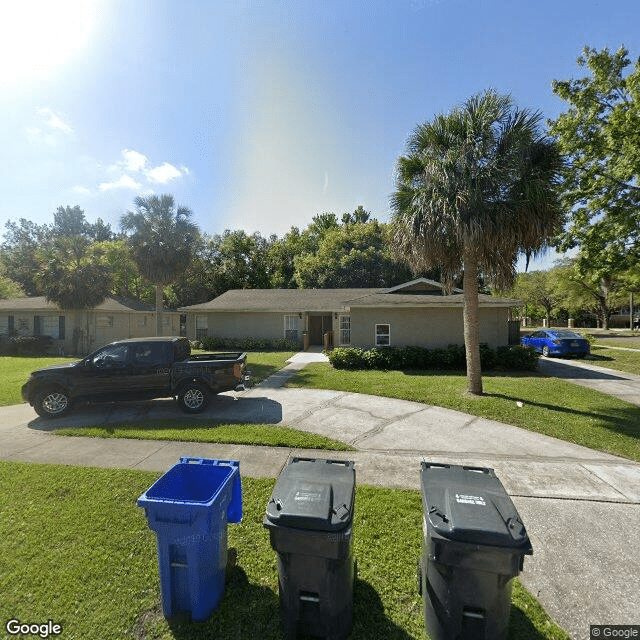
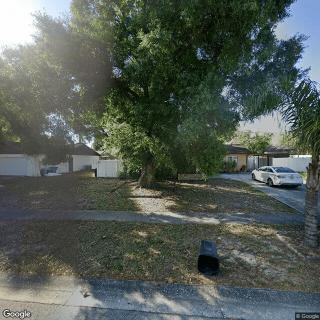
619 Princeton St, Brandon, FL 33511
To contact a resident: (813) 655-0822
For more information about senior living options: (866) 208-4318
Overall Review of Southern Living
Pros
 Melonie keeps a tight, clean ship.
- All residents get along and are friendly.
- The staff are helpful and courteous.
- Residents receive three meals a day, snacks, and engage in games, TV, and exercises tailored to their needs.
- The staff provide 100% supportive care for various medical conditions, making residents feel like family.
- The home is clean, comfortable, and feels like a home thanks to attentive and caring staff.
- The facility is well-maintained and offers a warm, welcoming environment for families.
Review
This Brandon, Florida community is best suited for seniors who want a warm, home-like setting and families seeking highly personalized, attentive care in a compact, neighborly environment. It works particularly well for residents who prize daily routines, home-cooked meals, straightforward activities, and consistent caregiver relationships. The setting is ideal for those who value a sense of family among residents and a staff that feels invested in individual well-being. It is a strong fit for seniors who don’t require intensive, hospital-style medical oversight on a day-to-day basis. Families prioritizing peace of mind, reliability, and a comfortable, low-key living arrangement will find this option compelling. For anyone seeking expansive programming, a large campus, or robust clinical services, alternatives may prove more suitable.
Across multiple reviews, a core strength stands out: Melonie and the care team run a tight, clean operation where residents interact like relatives and staff respond with genuine courtesy. Residents consistently appear relaxed and friendly, and the home atmosphere feels like an extended family gathering more than a formal care facility. Meals are regular and satisfying, with snacks and a modest menu that supports daily social rhythms. Activities, games, television, and gentle exercise tailored to individual needs, provide structure without feeling regimented. The repeated sentiment from families is trust built through dependable staff who know each resident’s preferences and medical quirks, which translates into meaningful continuity of care over time.
That continuity is underscored by long-tenured relationships, a theme that elevates confidence for families navigating transitions. One resident has remained in place since 2016, with staff repeatedly referenced as fully supportive of evolving medical needs. Another family notes a three-year tenure for a loved one, coupled with ongoing attentive care. This stability matters: it reduces relocation stress, makes daily care predictable, and fosters a sense of safety for both residents and their families. The combination of a clean environment and attentive caregiving creates a tranquil, predictable routine that many families prize when evaluating options for aging in place.
Given these strengths, a practical caveat emerges for families weighing alternatives. The very traits that define the community, its intimate, home-like scale and staff-driven culture, also imply fewer on-site resources typical of larger assisted living campuses. For residents requiring extensive skilled nursing, complex wound care, or specialized memory-care programming, a larger facility with dedicated clinical teams and more structured medical oversight could be a better fit. The reviews imply capable support for varying medical needs but stop short of detailing high-acuity services or memory-care infrastructure. In short, this setting excels for steady, comfortable aging in place; those with higher care demands may want to compare options that foreground advanced medical capabilities.
Ultimately, the favorable balance between the pros and any potential limits is clear. The strongest selling points, cleanliness, a familial atmosphere, reliable daily meals, and a staff that treats residents like family, translate into tangible benefits: reduced anxiety for families, smoother day-to-day management, and a sense of belonging for elders. The long-term caregiver relationships translate into better communication, faster responsiveness, and a nuanced understanding of each resident’s evolving needs. While not designed as a medical-centric facility, the home’s demonstrated adaptability in handling medical developments offers real reassurance for those who prefer to avoid abrupt moves to larger campuses. The result is a practical, low-stress choice for seniors who prize comfort, consistency, and a welcoming, almost peer-led living environment.
For families considering a next step, Southern Living presents a clear decision framework. It is an excellent match for seniors who want a small, neighborly household feel, where staff members are consistently present and residents get along well. It suits those who value predictable routines, home-cooked meals, and a calm, clean environment over expansive programming or intensive clinical services. Prospective residents should visit with questions about the level of medical oversight, emergency procedures, and the availability of any specialty care or memory-support services to ensure alignment with current needs. If comfort, continuity, and a family-like atmosphere matter most, this community warrants strong consideration. If the priority shifts toward high-acuity care, more intensive rehabilitation, or formal memory-care programming, exploration of alternatives is advised.
 Board and Care Home
 Activities on-site
 Devotional services off-site
 Indoor common areas
 Tampa International (16 miles away)
 Ambulatory care
 Diabetic care
 Meals provided
 Exploring Palliative Care in the Home: A Comprehensive Overview
 Comprehensive Insights into Palliative Home Care: What It Is and What to Expect
 Skilled Nursing Facilities vs. Nursing Homes: Making Sense of the Differences