
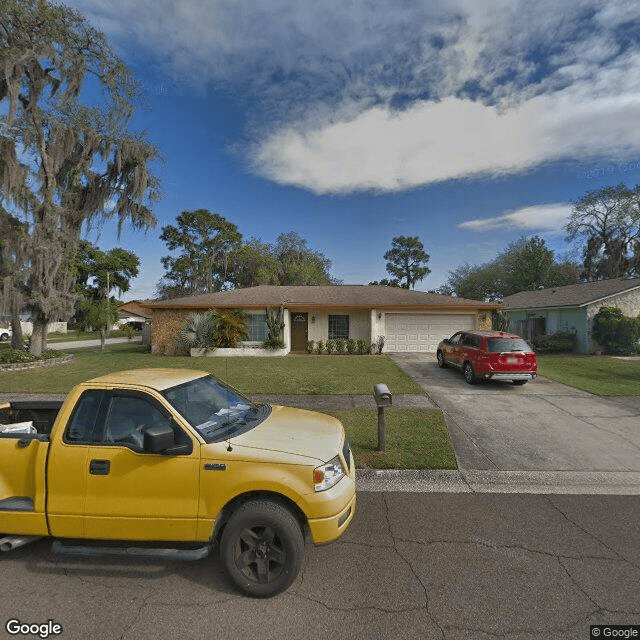
510 Wynnwood Dr., Brandon, FL 33511
To contact a resident: (813) 574-7215
For more information about senior living options: (866) 208-4318
Juanita Adult Family Care Home Costs & Pricing
Juanita Adult Family Care Home offers competitive pricing for its residential care services, particularly when compared to both Hillsborough County and the broader state of Florida. For a semi-private room, residents can expect to pay $1,800 per month, which is significantly lower than the county average of $3,096 and the state average of $3,009. Similarly, the cost for a private room at Juanita is set at $2,000 per month - again below the county's average of $3,384 and the state's average of $3,699. These rates not only reflect a strong commitment to affordability but also position Juanita Adult Family Care Home as an attractive option for families seeking quality care without breaking their budget.
| Floor plans | Juanita Adult Family Care Home | Hillsborough County | Florida |
|---|---|---|---|
| Semi-Private | $1,800 | $3,096 | $3,009 |
| Private | $2,000 | $3,384 | $3,699 |
Senior living communities with a similar price nearby
-
from +$200 / mo
Caregivers Touch ALF
$2,000 to $3,000 / month17.3 miles away -
About the same
Benrac Home Alf
$1,800 to $4,263 / month3.6 miles away -
from +$200 / mo
Elderly Pride Assisted Living
$2,000 to $2,500 / month3.9 miles away -
from +$200 / mo
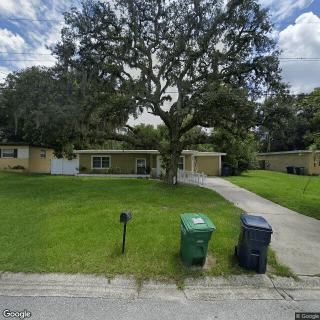
Assisted Living Facility Morning Dew
$2,000 to $2,500 / month12.5 miles away -
About the same
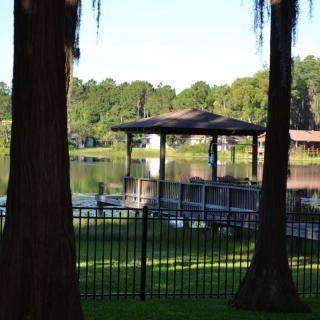
Home Space Assisted Living on Cypress Lake
$1,800 to $2,250 / month24.6 miles away
Overall Review of Juanita Adult Family Care Home
Pros
 The mom has been at Ava's for nearly eight years; the home is clean, odor-free, very friendly, and she is well cared for.
- The staff are skilled and Ava responds promptly when contacted.
- The reviewer highly recommends Ava's ALF.
- The mom enjoys great meals and loves the food.
- Doctors regularly check on residents, which is wonderful.
- Hospice care can be provided at home, so the mom does not have to be moved.
- The husband spent about a year and a half at Ava's and absolutely loved it; the facility is clean, pleasant, and home-like.
- The staff are friendly, there is open communication, and the husband was happy and able to express any concerns.
Review
This community is best suited for families seeking a small, truly home-like assisted living where residents receive deeply personal, hands-on care and easy access to medical oversight. The Brandon location functions as more of a private residence than a large facility, which translates into a steady, consistent routine, spotless cleanliness, and a warm atmosphere that feels like a caregiver and family live-in team rather than a sterile institution. It is especially well matched for seniors who value regular, attentive meals, responsive communication from the management, and the comfort of doctors who drop by to check in. For families prioritizing continuity of care, long-tenured caregiving relationships, and hospice support delivered in the home setting, this community rises to the top.
Those considering alternatives are best guided by two realities drawn from the record: the setting is intimate and not designed to mimic a large campus, and the sample of reviews is limited. If a resident requires a highly structured activity calendar, a broad social program, or on-site 24/7 nursing with a wide roster of specialized services, a larger assisted living community or a memory-care-focused environment may be a better fit. Similarly, families seeking a facility with a more expansive on-site staff footprint or more formal programming should evaluate other options to ensure their expectations align with what a smaller home can reliably provide.
The strongest pro line-up centers on cleanliness, comfort, and continuity of care. Residents consistently report a home-like ambiance with no persistent odors and a cheerful, welcoming staff. The caregivers are described as skilled and responsive, with the administrator or point person (Ava) readily reachable for updates or concerns. Meal quality is repeatedly highlighted, contributing to daily satisfaction and a sense of normalcy. Importantly, medical oversight is built in through regular doctor visits, and the community shows flexibility around hospice, situations that can otherwise require transitions if care needs shift. These elements together produce stability that families can rely on for long-term placement.
Where the narrative treads cautiously is in the realm of scale and breadth of offerings. The reviews illuminate a single, intimate setting rather than a sprawling campus, which naturally limits the breadth of activities, amenities, and on-site resources compared with larger facilities. The small data set also means fewer data points to triangulate overall resident experience across different personalities and care needs. For seniors who derive energy from an expansive activity calendar or who require intensive memory-care programming with round-the-clock specialized staffing, this may feel more like a comforting home than a bustling community.
Still, the compelling pros offset many potential drawbacks through practical, tangible benefits. The intimate, consistently clean environment fosters trust and reduces the friction families feel when entrusting care. Real-time communication and dependable availability from the management team translate into fewer anxious moments for families, while the ability to bring in doctors and hospice without relocating the resident preserves continuity of care and dignity in difficult times. The combination of good meals, a genuine home atmosphere, and responsive caregiving creates a persuasive case for prioritizing comfort and reliability over breadth of offerings.
The bottom-line decision comes down to alignment with priorities. For families who want a warm, predictable, home-like setting with hands-on care, dependable medical oversight, and the flexibility to accommodate hospice at home, this community is an excellent fit. It is not the pick for those who must have a large, activity-saturated campus, a wide network of ancillary services on-site, or intensive memory-care programming under one roof. Prospective families should visit to observe daily rhythms, speak with the care team, and verify that the specific residentā€™s needs, mobility, dietary preferences, medication management, and social desires, will be met with the same steadiness observed in the reviews. If that match exists, the decision here should be straightforward: strong fit for intimate care and peace of mind; consider alternatives if scale and formal programming are non-negotiable.
 Board and Care Home
 Activities off-site
 Devotional services off-site
 Indoor common areas
 Outdoor common areas
 Private
 Wheelchair accessible showers
 Tampa International (17 miles away)
 Ambulatory care
 Medication management
 Meals provided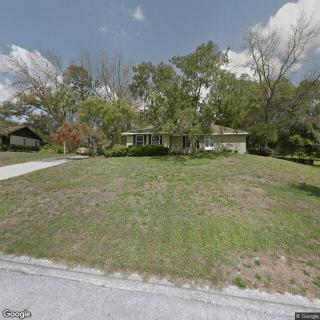

 Exploring Nonmedical Home Care: Understanding Services, Costs, and Financial Approaches
 Engaging Brain Games and Innovative Apps to Keep Senior Minds Active
 Effective Strategies for Keeping Seniors' Minds Active: A Deep Dive into Brain Games and Apps