

9832 YAMATO ROAD, Boca Raton, FL 33434
To contact a resident: (561) 477-6181
For more information about senior living options: (866) 208-4318
Overall Review of Jarc-Rales Campus
Pros
 The experience is stunning and wonderful.
- They feel adjusted to the community.
- They are grateful for the generosity.
- They feel they were born to be part of this community.
Cons
 They only care about money and nothing for their clients.
- They voted him out after eight years with no family say.
- They replaced him for a higher-paying client.
- They never took good care of his hygiene.
- The assistants in the home hang out in the kitchen or office watching TV all day.
Review
Jarc-Rales Campus in Boca Raton is best suited for seniors who prioritize a warm, family-like atmosphere and a strong sense of belonging over clinical polish or predictably flawless daily care. The strongest signal from the positive experiences is emotional warmth: residents and families who crave generosity, personal attention, and a feeling of being truly welcomed can find a meaningful home here. The environment tends to reward social connection and supportive interactions with staff, creating moments that feel heartfelt and personal. Yet this appeal comes with a caveat: experiences in daily care and operations can vary, and not every resident will experience the same level of reliability or stability.
Families considering alternatives should note who may want to look elsewhere. Those who require consistently rigorous day-to-day care, predictable hygiene routines, and transparent staffing patterns may find the campus’s variability challenging. A few reviews describe a shift in resident placement based on financial factors, and concerns about staff engagement, such as caregivers spending their time in common areas rather than actively assisting residents, signal a potential mismatch for households prioritizing steady oversight and measurable accountability. In short, strong social warmth does not automatically translate into consistently dependable care.
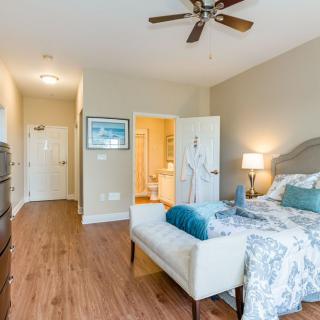
On the plus side, the campus clearly delivers on the intangibles that make assisted living feel like a home rather than a facility. The most compelling pro is the generosity and the sense of being part of a supportive community. When residents connect with staff and other residents in meaningful ways, the feeling of security and welcome can lessen anxiety about moving into care. The aesthetic and atmosphere, described as appealing or “stunning” by some, also contributes to a sense of comfort, which matters for downsizing expectations and encouraging residents to settle in emotionally. For families balancing emotional needs with practical care considerations, this combination is a real asset.
However, the prominent cons cannot be ignored. The most troubling themes revolve around perceived profit-driven decisions and uneven care quality. Reports of residents being moved or replaced in favor of higher-paying clients point to governance and logistics issues that undermine long-term stability. Hygiene concerns, coupled with caregivers who appear disengaged or diverted to non-care tasks, raise red flags about daily supervision and the consistency of essential routines. These factors collectively erode confidence that the campus provides the reliable, day-to-day support required by seniors who depend on consistent assistance for bathing, mobility, medications, and safety.
Those who can reconcile warmth with occasional lapses will find that the pros and cons exist on a spectrum. For a resident who prizes community, emotional support, and a welcoming culture, the positives may outweigh the negatives if staffing patterns stabilize and management demonstrates clear accountability. But for families prioritizing unwavering adherence to hygiene standards, predictable caregiving schedules, and transparent resident retention practices, the downsides are likely to overshadow any upside. In other words, the decision hinges on what balance of heart and hands a family needs: if warmth is the anchor, this campus can work, but it must be coupled with due diligence on staffing consistency and governance.
Practical next steps are essential. Arrange a candid tour focused on daily routines: observe caregiver engagement, request to meet the direct care team, and probe how shifts are staffed during high-need times. Ask for a current long-term care plan for residents with similar needs, and request recent references from families who have navigating the move-in and update phases. Inquire about the process for addressing concerns, how residents are chosen to stay or be relocated, and what assurances exist around hygiene and safety audits. If these conversations yield clear, accountable answers and a demonstrated commitment to steady care, Jarc-Rales Campus can be a viable home for someone who values community warmth. If not, it is prudent to continue the search for a campus with a more consistently reliable care framework.
 Assisted Living
 Activities on-site
 Devotional services off-site
 Indoor common areas
 Palm Beach International (21 miles away)
 Ambulatory care
 Diabetic care
 Meals provided






 Understanding the True Cost of Assisted Living in 2025: A Comprehensive Guide
 Understanding Medicaid Coverage for Assisted Living: A Comprehensive Guide
 How and When Medicaid May Cover Assisted Living Costs