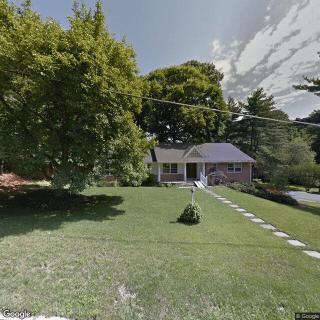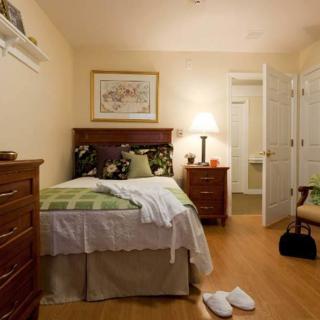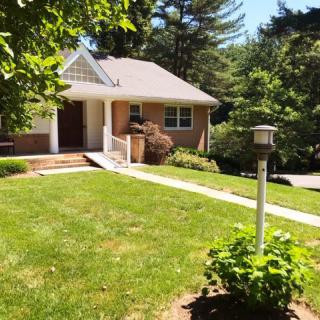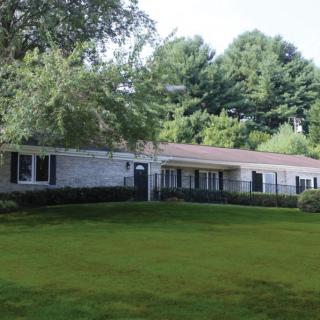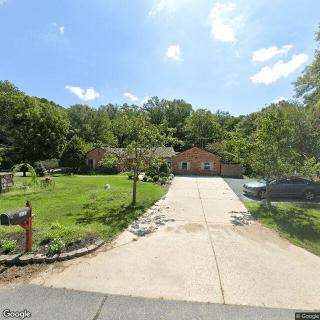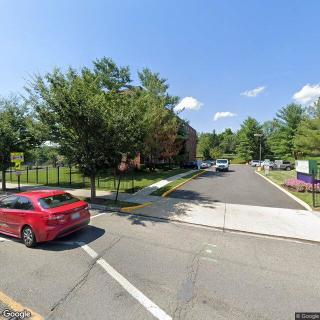
Maple Heights Senior Living in Washington, DC

Save

Maple Heights Senior Living in Washington, DC

5100 Georgia Avenue, Washington, DC 20011

For more information about senior living options: (844) 490-3973

4.3 from 10 reviews
5 stars
8
4 stars
0
3 stars
0
2 stars
1
1 stars
1

Assisted Living Independent Living Memory Care

Maple Heights Senior Living Costs & Pricing

Maple Heights Senior Living offers competitive pricing for its accommodations when compared to the broader market in the District of Columbia. A studio apartment at Maple Heights is priced at $5,000 per month, which is notably more affordable than the district's average of $5,707. This makes it an attractive option for those seeking a cozy living space without breaking the bank. On the other hand, the one-bedroom units at Maple Heights are priced at $7,500 per month, which considerably exceeds the district's average of $4,879. While this reflects a premium for additional space and potentially enhanced amenities, it may discourage some prospective residents who are budget-conscious. Overall, Maple Heights stands out as an appealing choice for studio living while presenting a higher investment for one-bedroom apartments compared to local competitors.

Floor plansMaple Heights Senior LivingDistrict of ColumbiaDc
Studio$5,000$5,707$5,707
1 Bedroom$7,500$4,879$4,879

Overall Review of Maple Heights Senior Living

Pros

  • pro Maple Heights Senior Living has renewed leadership that inspires staff and enhances resident care.
  • pro The facility now offers regular activities throughout the week and weekends, keeping residents engaged.
  • pro Director Sue leads with energy and commitment, completing projects and supporting families.
  • pro Families receive frequent updates via Zoom meetings and emails, fostering strong engagement.
  • pro Residents feel at home and show improved well-being, with staff whom they remember and appreciate.
  • pro The food service is exceptional from day one, with nutritious meals prepared by a chef.
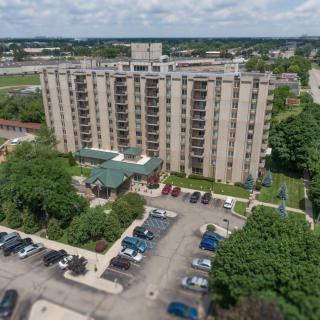
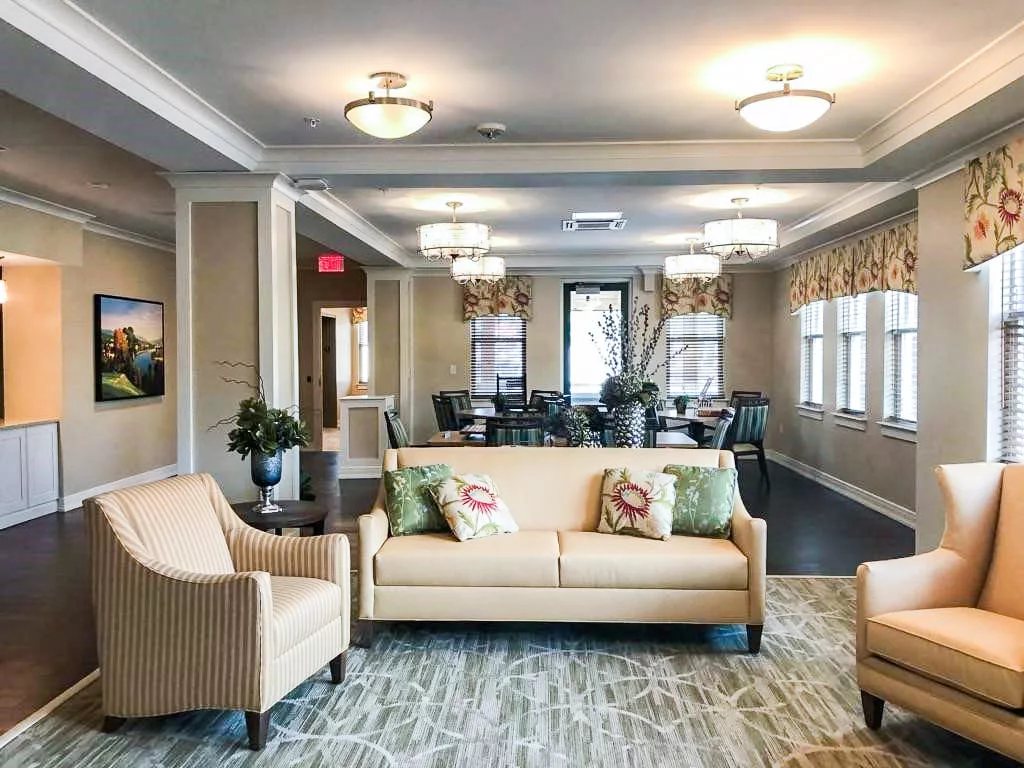
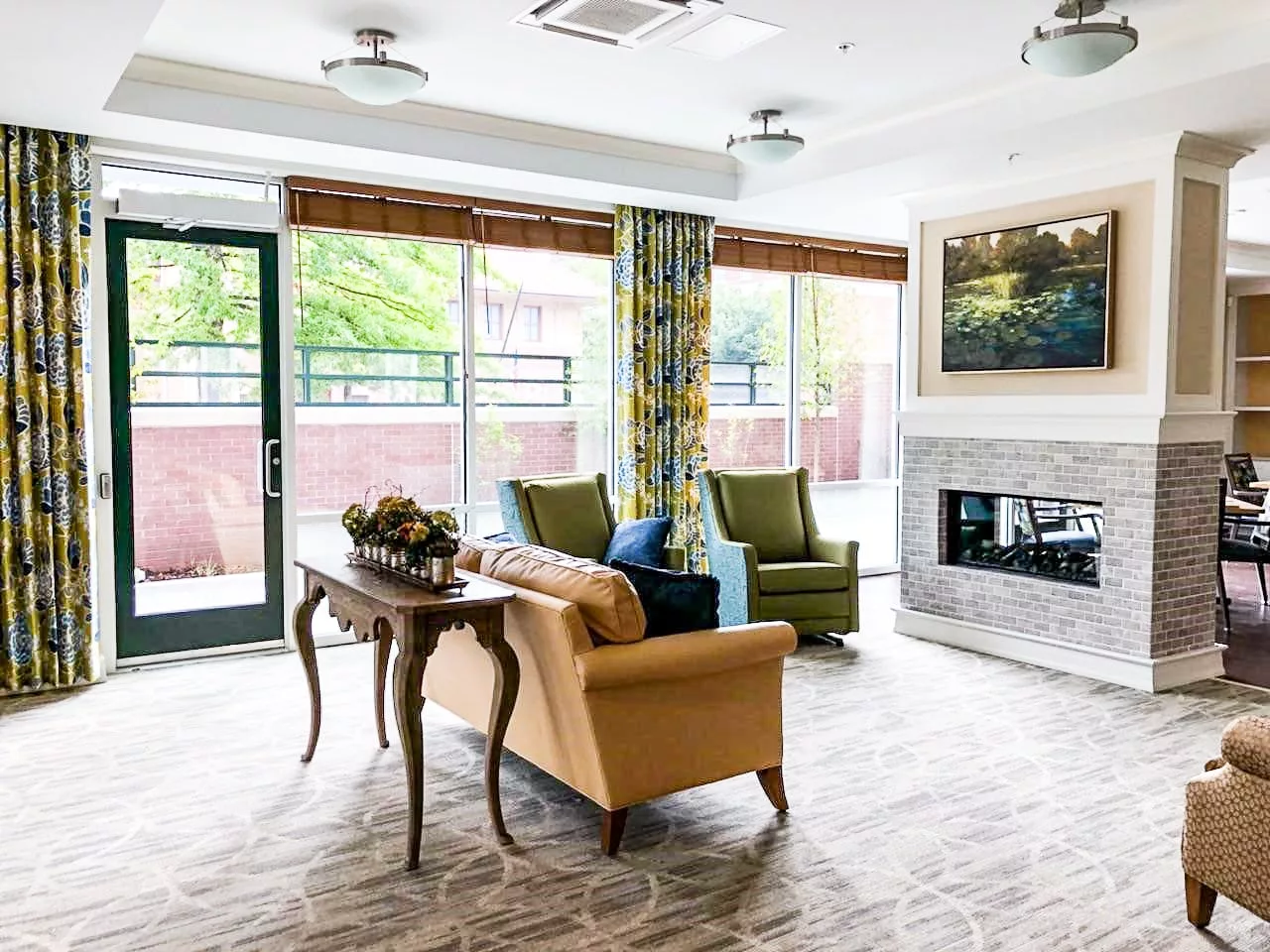
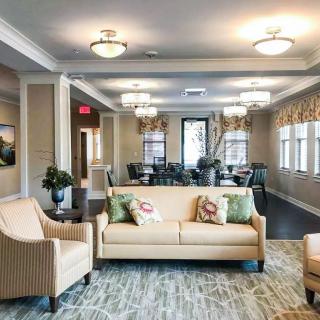
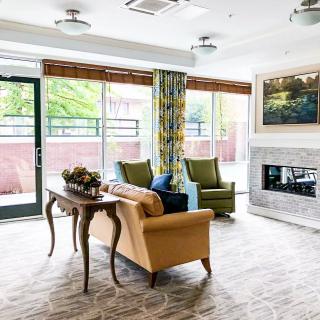
  • pro The building is beautiful and calming, with gorgeous apartments and ample amenities, including memory care.

Cons

  • pro They report that after contacting Maple Heights for help and information about a senior's new application, no one replied.
  • pro They describe the facility as understaffed and lacking the right mix of workers, leading to ongoing problems behind the scenes.
  • pro They state that no one from Maple Heights called to offer condolences or to help retrieve their grandmother's belongings after she passed away.
  • pro They indicate turnover, lack of communication, high out-of-pocket costs, and mistreatment of residents as reasons not to recommend Maple Heights.
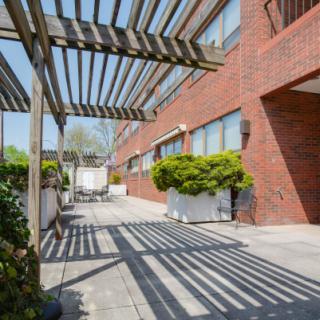
  • pro They criticize the lack of outside space for residents to enjoy fresh air, noting only a small balcony/patio that residents were not encouraged to use.
  • pro They mention there were no cognitive or other activities to stimulate residents.

Review

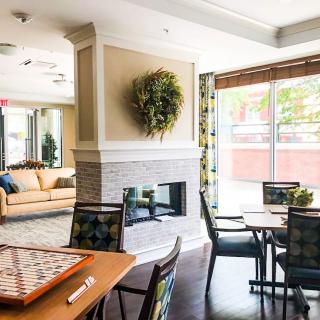
Maple Heights Senior Living is best suited for families seeking a modern, memory-care capable community in Washington, DC, that foregrounds active programming and open, ongoing communication with families. The location and design appeal to residents who want a fresh, home-like environment with well-planned common spaces, thoughtful floor plans, and meaningful social opportunities. It works especially well for families that value visible leadership, regular updates, and a proactive approach to care - where a staff team is steadily integrated with families through structured meetings, emails, and opportunities to participate in resident activities. For those who want a setting that feels current rather than institutional, Maple Heights presents a compelling fit.

Those weighing alternatives should note several caveats. The most persuasive caveat is budget: high out-of-pocket costs have been a concern for some families, limiting long-term predictability. Others should consider whether a facility with a more stable, long-standing staffing history is essential, particularly if consistent day-to-day reliability is a top priority. Outdoor access is another factor: the property offers a small balcony or patio rather than expansive outdoor space, which matters for residents who prize regular opportunities to enjoy fresh air outside. Finally, consider cognitive-stimulation expectations; while recent leadership changes have expanded activities, families that require rigorous, programmatic cognitive engagement may want to verify current offerings and staffing specifically dedicated to memory care.

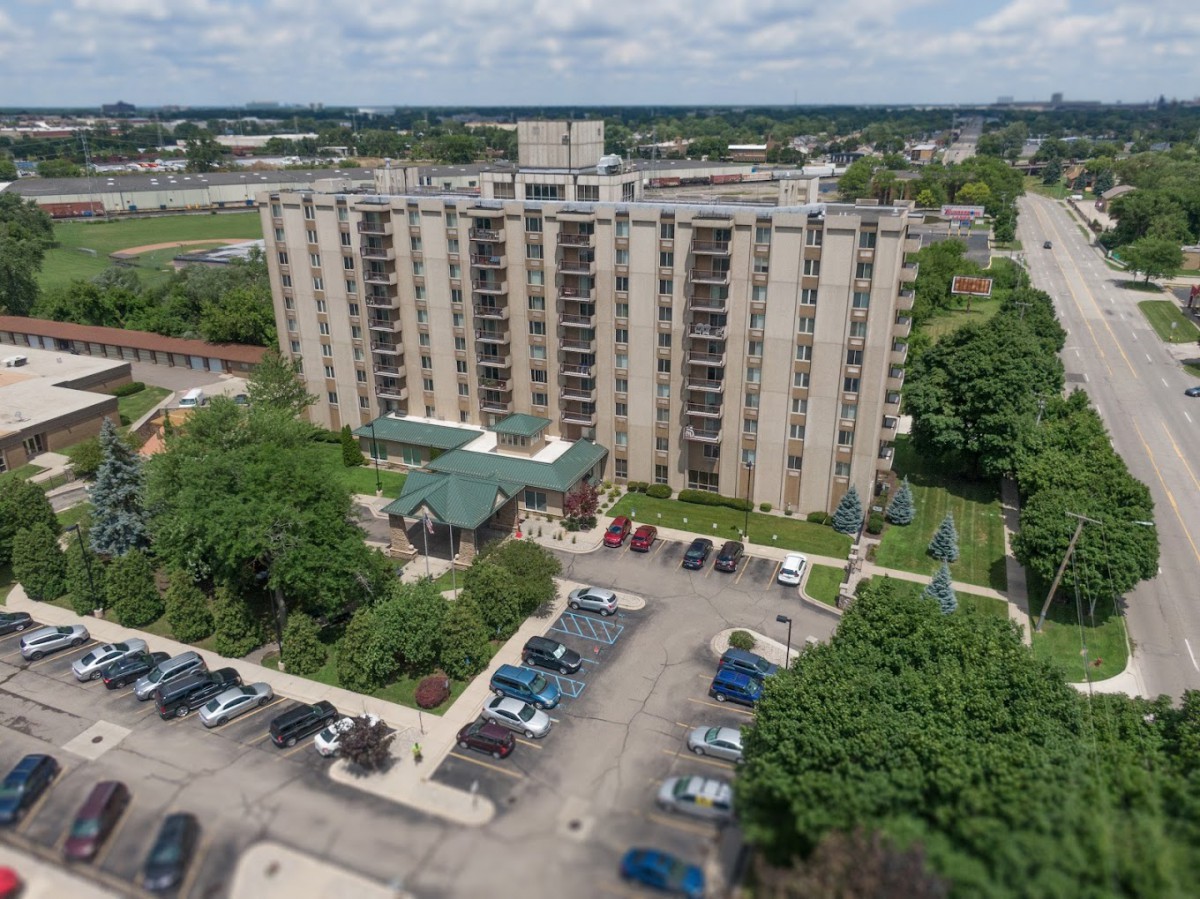
The strongest counterweight to the concerns above is the recent transformation in leadership and engagement. A new director brought renewed energy, targeted hiring, and visible progress on projects, including a completed balcony and clearer lines of communication with families. With Sue at the helm, staff morale improved, and residents now participate in a broader variety of daily and weekend activities, reducing the sense of idle time and isolation. The facility has invested in programming that reaches beyond basic care, including regular social events, church services, and an emphasis on making residents feel "at home." In practice, this translates into residents appearing more connected, with families reporting more meaningful interactions during visits and fewer days spent passively watching TV.

Beyond leadership, Maple Heights offers genuine strengths in its facilities and service mix. The building is new, with appealing apartments and calm, comfortable surroundings that many families find inviting. There is a deliberate focus on memory care integration, an important consideration for families dealing with dementia and related conditions. The culinary program also receives praise, with a chef and attentive food service that residents and visitors notice. The combination of modern layout, accessible amenities, and a emphasis on quality food and social life supports a higher quality of daily living for many residents, helping to offset concerns about staffing levels or cost for those who can invest in what the community currently delivers.

For families actively evaluating Maple Heights, the practical questions matter most: current staffing ratios and turnover, the daily cadence of activities, how memory-care needs are assessed and addressed, and what exact services are included in the base rate. Request a current sample care plan, inquire about the frequency of family updates, and verify the process for escalating concerns or adjusting care as needs evolve. Tour during regular activity times to observe engagement, talk to both staff and residents, and ask about outdoor options and safety measures for those who want to venture outside. Clarify pricing architecture - what is included, what incurs extra charges, and how pricing might change with care level or service requests.

Bottom line: Maple Heights Senior Living can be an excellent, modern choice for families seeking an active, home-like environment with integrated memory care and assertive leadership that keeps families in the loop. It excels where activity, communication, and culinary quality matter, and where a newer facility presents aesthetic and practical benefits that support daily living. However, for those prioritizing predictable cost structures, extensive outdoor space, or a proven, long-standing track record of consistent staffing, it remains essential to compare alternatives carefully and verify that today's operating reality aligns with expectations. When these factors line up, Maple Heights stands out as a practical, informed option worth pursuing.

Features

Housing

  • 55 resident community capacity 55 resident community capacity
  • 1-bedroom apartments 1-bedroom apartments1-bedroom apartments are important for seniors because they provide a sense of independence, privacy, and autonomy while still offering the necessary space for comfortable living. These apartments allow seniors to maintain their own personal space and lifestyle preferences in a supportive community setting.
  • Studio apartments Studio apartmentsStudio apartments are important for seniors because they offer a smaller, more manageable living space that is easier to navigate and maintain as physical abilities decline. Additionally, studio apartments provide seniors with independence and privacy while still being part of a community that offers support and social opportunities.

Types of Care

  • Assisted Living Assisted LivingAssisted living facilities provide crucial support and care for seniors who may need help with daily tasks such as medication management, bathing, and meal preparation. These communities offer a safe and comfortable environment where seniors can maintain their independence while receiving the assistance they need to thrive in their golden years.
  • Independent Living Independent LivingIndependent living communities are important for seniors because they offer a safe and supportive environment where older adults can live independently while still having access to amenities and services that enhance their quality of life. These communities provide social opportunities, recreational activities, and assistance with daily tasks, promoting overall well-being and allowing seniors to maintain their independence for as long as possible.
  • Memory Care Memory CareMemory care is crucial for seniors as it provides specialized support and services for individuals with dementia or Alzheimer's disease. These programs offer a safe and secure environment where residents receive personalized care, cognitive stimulation, and help with daily activities. Memory care helps seniors maintain their independence, quality of life, and dignity while also providing peace of mind for their families.

Pets

  • Cats allowed Cats allowed"Pet friendly" senior living communities are important for seniors because pets provide companionship, reduce feelings of loneliness and depression, promote physical activity and mental stimulation, and offer a sense of purpose and responsibility. Pets can improve overall well-being and quality of life for seniors in many ways.
  • Dogs allowed Dogs allowed"Pet friendly" senior living communities are important for seniors because pets provide companionship, reduce feelings of loneliness and depression, promote physical activity and mental stimulation, and offer a sense of purpose and responsibility. Pets can improve overall well-being and quality of life for seniors in many ways.

Amenities

  • Activities on-site Activities on-siteActivities on-site are important for seniors because they provide opportunities for socialization, mental stimulation, physical activity, and overall well-being. Engaging in activities can help seniors stay active, maintain their independence, and improve their quality of life.
  • Air-conditioning Air-conditioningAir conditioning is important for seniors as they are more vulnerable to heat-related illnesses and may have underlying health conditions that make it difficult for them to regulate their body temperature. It helps to keep them comfortable, safe, and healthy in hot weather.
  • Bath tubs Bath tubsBath tubs are important for seniors because they provide a safe and relaxing way to bathe, helping to prevent slips and falls while promoting independence and overall well-being.
  • Beautician on-site Beautician on-siteHaving a beautician on-site at a senior living community is important for seniors as it allows them to easily access grooming and personal care services, boosting their self-esteem and overall well-being. It also provides convenience and helps seniors maintain their sense of independence and personal style.
  • Beauty salon Beauty salonBeauty salons are important for seniors because they provide a space for them to feel pampered, socialize, and maintain their personal grooming and hygiene. Regular visits to a beauty salon can help boost seniors' self-esteem and overall well-being.
  • Cable or satellite TV Cable or satellite TVCable or satellite TV is important for seniors because it provides entertainment, news, and companionship, helping to combat loneliness and boredom. It also offers a wide range of programming options tailored to different interests and preferences.
  • Computer center Computer centerA computer center is essential for seniors as it provides access to technology, communication tools, and resources that can enhance their daily lives. It allows them to stay connected with loved ones, engage in online activities, and learn new skills, ultimately promoting socialization and mental stimulation.
  • Devotional services off-site Devotional services off-siteDevotional services off-site are important for seniors as they provide spiritual nourishment, social engagement, and a sense of community outside of the senior living facility. This can enhance overall well-being and help combat feelings of isolation and loneliness often experienced by older adults.
  • Dining room Dining roomDining rooms are important for seniors as they provide a space for socialization, connection, and nutritious meals. They offer opportunities for residents to bond over shared meals, foster a sense of community, and promote healthy eating habits. Dining rooms also ensure that seniors have access to well-balanced meals tailored to their dietary needs and preferences.
  • Fitness room Fitness roomHaving a fitness room in a senior living community is essential for seniors to stay active, maintain their physical health, and improve their overall well-being. Regular exercise can help prevent falls, reduce the risk of chronic diseases, and promote mental sharpness. It also provides social opportunities for residents to connect with others and enjoy a sense of community.
  • Fully furnished Fully furnishedFully furnished senior living communities are important for seniors because they provide convenience, comfort, and a hassle-free moving experience. Seniors can easily settle into their new living space without the stress of having to buy and move furniture. This allows them to focus on enjoying their new home and community.
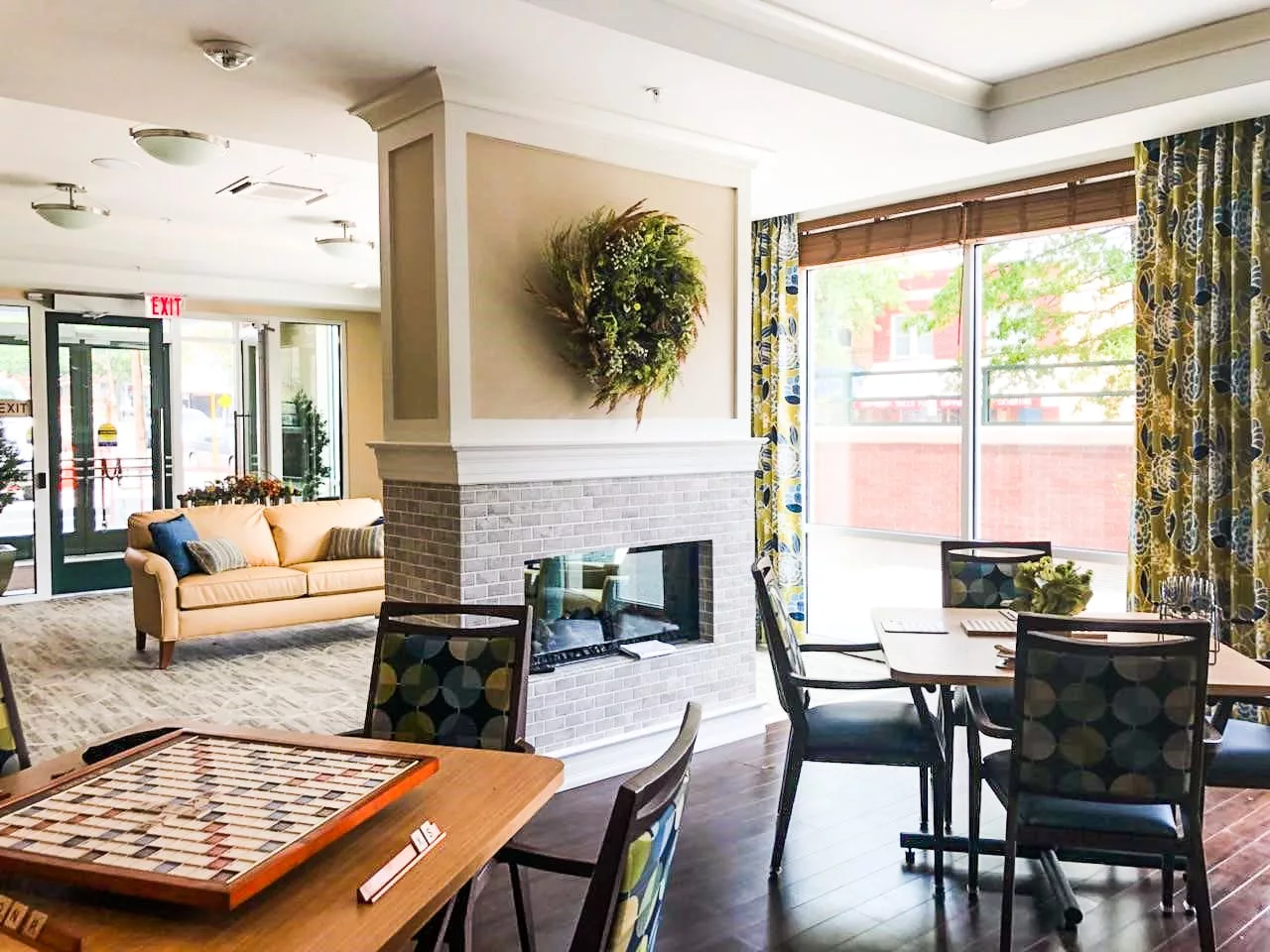
  • Gaming room Gaming roomGaming rooms are important for seniors as they provide a fun and engaging environment for socializing, cognitive stimulation, and physical activity. Games can improve memory, problem-solving skills, and overall mental well-being while fostering friendships and reducing feelings of isolation.
  • Garden GardenGardens are important for seniors as they provide a peaceful and therapeutic environment for relaxation, physical activity, and socialization. Being in nature has been shown to reduce stress, improve mood, and promote overall well-being. Gardens also offer opportunities for seniors to engage in gardening activities, which can improve mobility, flexibility, and cognitive function. Additionally, gardens create a sense of community and connection with others who share a passion for plants and outdoor spaces.
  • Handicap accessible Handicap accessible"Handicap accessible" amenities are crucial for seniors to ensure they can easily navigate and access facilities, services, and activities without barriers or limitations due to physical impairments. This promotes independence, safety, and inclusivity for seniors in senior living communities.
  • Housekeeping services Housekeeping servicesHousekeeping services are important for seniors because they help maintain a clean and safe living environment, promote independence, and reduce the risk of accidents or illnesses. Additionally, having assistance with household chores can alleviate physical strain and allow seniors to focus on other aspects of their well-being.
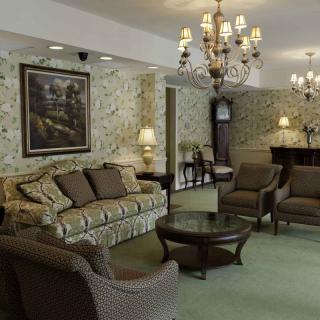
  • Indoor common areas Indoor common areasIndoor common areas are crucial for seniors as they provide a space for socialization, recreation, and community engagement, promoting overall well-being and reducing feelings of isolation and loneliness.
  • Kitchenette KitchenetteKitchenettes are important for seniors living in senior living communities because they provide the convenience and independence of being able to prepare simple meals and snacks in the comfort of their own living space. This can help promote a sense of autonomy and well-being for seniors, allowing them to maintain some level of control over their dietary choices and daily routines.
  • Move-in coordination Move-in coordinationMove-in coordination is important for seniors because it helps ease the transition into their new living environment. It ensures that all logistics, such as packing, organizing movers, and setting up utilities are taken care of, allowing seniors to focus on settling in and adjusting to their new home. Having a smooth move-in process can alleviate stress and anxiety, making the transition smoother and more enjoyable for seniors.
  • Outdoor common areas Outdoor common areasOutdoor common areas are important for seniors as they provide a space for socialization, physical activity, and relaxation. Being outside in nature can improve mood and overall well-being, while also encouraging movement and engagement with others. These spaces can help combat feelings of isolation and promote a sense of community among residents.
  • Outdoor space Outdoor spaceOutdoor spaces are important for seniors as they provide opportunities for physical activity, social interaction, exposure to natural light and fresh air, and a sense of connection to nature. Having access to outdoor spaces can improve overall well-being and quality of life for older adults living in senior communities.
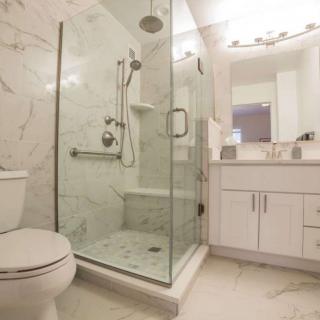
  • Private bathrooms Private bathroomsPrivate bathrooms are important for seniors in senior living communities because they provide independence, dignity, and comfort. Having a private bathroom allows seniors to maintain their personal hygiene routines without the need for assistance, promoting a sense of autonomy and privacy. Additionally, private bathrooms help prevent the spread of infections and provide a safe and clean environment for seniors to navigate safely.
  • Respite or short term stays offered Respite or short term stays offeredRespite or short term stays provide seniors with a temporary solution when their regular caregiver is unavailable, offering them the opportunity to receive additional care and support during times of need, while also giving caregivers a chance to rest and recharge.
  • Restaurant-style dining Restaurant-style diningRestaurant-style dining is important for seniors because it allows them to enjoy delicious, nutritious meals in a social and upscale setting. This enhances their dining experience, promotes healthy eating habits, and fosters socialization with fellow residents, ultimately contributing to their overall well-being and quality of life.
  • Small library Small librarySmall libraries are important for seniors as they provide access to a variety of reading materials, including books, newspapers, and magazines. This can help stimulate their minds, keep them engaged, and provide a sense of community through book clubs and other social activities. Additionally, reading has been shown to improve cognitive function and overall mental well-being in older adults.
  • Telephone TelephoneTelephones are important for seniors as they provide a lifeline for communication with loved ones, emergency services, and healthcare providers. They offer a sense of security and independence, enabling seniors to stay connected and access assistance when needed.
  • Wellness center Wellness centerWellness centers are important for seniors because they offer a variety of programs and services that promote physical, mental, and emotional well-being. These centers provide opportunities for exercise, socialization, education, and relaxation, helping seniors maintain their overall health and quality of life.
  • Wi-Fi/high-speed internet available Wi-Fi/high-speed internet availableWi-Fi/high-speed internet is important for seniors to stay connected with loved ones, access online resources, and participate in virtual activities to combat feelings of loneliness and isolation. It also allows them to easily manage healthcare needs, access entertainment, and engage in lifelong learning opportunities.

Transportation

  • Ronald Reagan Washington National (7 miles away) Ronald Reagan Washington National (7 miles away)
  • Washington Dulles International (23 miles away) Washington Dulles International (23 miles away)
  • Baltimore-Washington International (25 miles away) Baltimore-Washington International (25 miles away)
  • Community operated transportation Community operated transportationCommunity operated transportation is crucial for seniors as it provides them with the means to access essential services, social activities, and medical appointments. It allows seniors to maintain their independence and quality of life by ensuring they can participate in activities outside of their homes. Additionally, community-operated transportation services offer a safe and reliable way for seniors to travel without having to rely on family or friends for assistance.
  • Transportation arrangement Transportation arrangementTransportation arrangements are crucial for seniors as they may face challenges with driving, mobility, or access to public transportation. Having reliable transportation services ensures that seniors can easily attend appointments, social activities, and maintain their independence and quality of life.

Care Services

  • 24-hour call system 24-hour call system24-hour call systems are important for seniors because they provide peace of mind and immediate assistance in case of emergencies. This technology ensures that help is always available, promoting safety and security for elderly individuals living alone or in assisted living facilities.
  • 24-hour supervision 24-hour supervision24-hour supervision is important for seniors to ensure their safety, well-being, and access to immediate assistance in case of emergencies or health issues. This constant support provides peace of mind for both seniors and their loved ones, allowing them to age in place with dignity and security.
  • Activities of daily living assistance Activities of daily living assistanceActivities of daily living assistance are important for seniors because they provide essential support with tasks such as eating, bathing, dressing, and mobility. This assistance helps seniors maintain their independence, dignity, and overall quality of life as they age.
  • Ambulatory care Ambulatory care"Ambulatory care services provide essential medical support and treatment to seniors without requiring hospitalization, allowing them to maintain their independence and quality of life while managing chronic conditions or receiving routine medical care."
  • Assistance with bathing Assistance with bathingAssistance with bathing is crucial for seniors as it helps maintain personal hygiene, prevents infections, and ensures their overall well-being and comfort. It also provides a sense of dignity and independence for seniors who may struggle with this task on their own.
  • Assistance with dressing Assistance with dressingAssistance with dressing is important for seniors because it helps maintain their independence, promotes personal hygiene, prevents accidents and injuries, and improves overall quality of life. This service ensures that seniors can continue to dress comfortably and confidently, despite any physical limitations they may have.
  • Assistance with transfers Assistance with transfersAssistance with transfers is crucial for seniors as it helps prevent falls and injuries, maintains their independence, and ensures they can safely navigate their living environment. It also provides peace of mind for both seniors and their loved ones.
  • Diabetes diet Diabetes dietA diabetes diet is crucial for seniors as it helps manage blood sugar levels, reduce risks of complications, and improve overall health and well-being. By following a balanced and nutritious diet tailored to their specific needs, seniors can better control their diabetes and enhance their quality of life.
  • Diabetic care Diabetic careDiabetic care is crucial for seniors as they are more susceptible to developing diabetes due to aging and other health conditions. Proper management of diabetes can help prevent complications such as heart disease, vision loss, and nerve damage, improving the overall quality of life for seniors in senior living communities.
  • Incontinence care Incontinence careIncontinence care is essential for seniors to maintain their dignity, hygiene, and overall quality of life. By addressing incontinence issues promptly and effectively, seniors can enjoy a sense of independence and comfort in their daily activities.
  • Meal preparation and service Meal preparation and serviceMeal preparation and service are crucial for seniors as they may have limited mobility or energy to cook nutritious meals. Having access to healthy and convenient food options can ensure they are getting the proper nutrition needed to maintain their overall health and well-being.
  • Medication management Medication managementMedication management is crucial for seniors to ensure they are taking the right medications at the correct dosages and times. This helps prevent adverse drug interactions, reduces the risk of medication errors, and promotes overall health and well-being. Proactive management also allows for adjustments as needed based on changing health conditions or new prescriptions.
  • Mental wellness program Mental wellness programMental wellness programs are essential for seniors as they promote cognitive stimulation, emotional support, and social engagement. These programs help prevent isolation, depression, and cognitive decline, ultimately enhancing the overall quality of life for older adults.
  • Mild cognitive impairment Mild cognitive impairment"Mild cognitive impairment" is important for seniors because it is an early stage of cognitive decline that can potentially progress to more severe conditions such as dementia. Recognizing and addressing mild cognitive impairment can help seniors receive appropriate care and support to maintain their quality of life and independence for as long as possible.
  • Special dietary restrictions Special dietary restrictionsSpecial dietary restrictions are important for seniors because age-related changes in metabolism and health conditions can make it difficult for their bodies to process certain foods. By following a diet tailored to their specific needs, seniors can maintain their overall health and well-being, manage chronic conditions, and reduce the risk of complications such as malnutrition or food interactions with medications.
  • Specialized memory care programming Specialized memory care programmingSpecialized memory care programming is crucial for seniors with cognitive impairments such as dementia or Alzheimer's disease. These programs provide a safe and supportive environment tailored to the unique needs of individuals with memory loss, helping them maintain their independence, dignity, and quality of life.

Dining

  • Diabetes diet Diabetes dietA diabetes diet is crucial for seniors as it helps manage blood sugar levels, reduce risks of complications, and improve overall health and well-being. By following a balanced and nutritious diet tailored to their specific needs, seniors can better control their diabetes and enhance their quality of life.
  • Gluten-free Gluten-freeGluten-free options are important for seniors as they are more prone to digestive issues and dietary sensitivities. Offering gluten-free meal choices in senior living communities can help improve their overall health and well-being.
  • Guest meals Guest mealsGuest meals are important for seniors living in senior living communities because they provide an opportunity for socialization and companionship. Sharing a meal with friends, family, or new acquaintances can help combat feelings of loneliness and isolation, promote a sense of community, and enhance overall well-being. Additionally, guest meals allow seniors to enjoy delicious food in a comfortable setting without the hassle of cooking or cleaning up, making dining a pleasurable and stress-free experience.
  • Low / no sodium Low / no sodiumLow/no sodium options are important for seniors because excessive sodium intake can lead to high blood pressure, heart disease, and other health issues commonly experienced by older adults. By choosing low/no sodium foods, seniors can better manage their health and reduce their risk of developing these conditions.
  • Meals provided Meals provided"Meals provided" are crucial for seniors in assisted living communities as it ensures they have access to nutritious, balanced meals without the stress of meal planning and preparation. This can help promote overall health and well-being for seniors who may have limited mobility or cognitive abilities.
  • No Sugar No SugarNo sugar diets are important for seniors because they can help prevent or manage chronic conditions such as diabetes, heart disease, and obesity. Sugar can also contribute to cognitive decline and inflammation in the body, so reducing sugar intake can lead to overall improved health and well-being in older adults.
  • Special dietary restrictions Special dietary restrictionsSpecial dietary restrictions are important for seniors because age-related changes in metabolism and health conditions can make it difficult for their bodies to process certain foods. By following a diet tailored to their specific needs, seniors can maintain their overall health and well-being, manage chronic conditions, and reduce the risk of complications such as malnutrition or food interactions with medications.

Activities

  • Activities on-site Activities on-siteActivities on-site are important for seniors because they provide opportunities for socialization, mental stimulation, physical activity, and overall well-being. Engaging in activities can help seniors stay active, maintain their independence, and improve their quality of life.
  • Birthday parties Birthday partiesBirthday parties are important for seniors as they provide an opportunity for celebration, socialization, and joy. They allow seniors to feel special and appreciated, boosting their mood and overall well-being. Additionally, birthday parties can help combat feelings of isolation and loneliness by fostering connections with friends, family, and community members.
  • Community-sponsored activities Community-sponsored activitiesCommunity-sponsored activities are important for seniors as they provide opportunities for social interaction, mental stimulation, and physical activity. These activities can help improve overall well-being, combat loneliness and isolation, and promote a sense of belonging and purpose among older adults.
  • Concierge services Concierge servicesConcierge services are essential for seniors as they provide assistance with daily tasks and errands, enhance their quality of life by offering convenience and personalized care, and promote a sense of safety and security.
  • Devotional activities offsite Devotional activities offsiteDevotional activities offsite are important for seniors because they provide social engagement, spiritual growth, and a sense of community outside of their living environment. This can improve overall well-being, mental health, and combat feelings of isolation or loneliness.
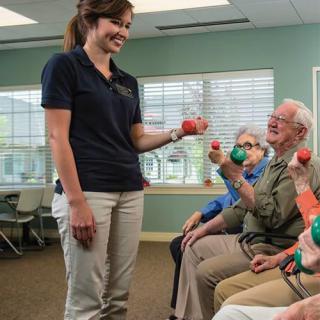
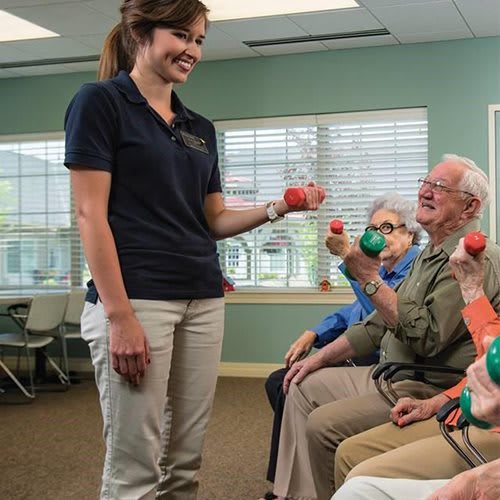
  • Fitness programs Fitness programsFitness programs are crucial for seniors as they help improve strength, flexibility, balance, and overall well-being. Staying active can reduce the risk of chronic diseases, improve mental health, and enhance quality of life in older adults.
  • Holiday parties Holiday partiesHoliday parties are important for seniors because they provide opportunities for socialization, community involvement, and mental stimulation. These festive events offer a sense of belonging and connection during a time that can be lonely for many older adults. Additionally, participating in holiday celebrations can boost mood and overall well-being for seniors living in senior living communities.
  • Live dance or theater performances Live dance or theater performancesLive dance or theater performances are important for seniors because they provide opportunities for socialization, mental stimulation, and emotional engagement. These performances can help combat feelings of isolation and loneliness, while also offering a sense of connection to the arts and culture. Additionally, watching live performances can bring joy and create lasting memories for seniors in their later years.
  • Live musical performances Live musical performancesLive musical performances can provide seniors with a sense of joy, nostalgia, and connection. Music has the power to evoke emotions and memories, improve mood and cognitive function, and foster social interaction among seniors. It can also serve as a form of therapy and stress relief for older adults, making it an important activity to include in senior living communities.
  • Planned day trips Planned day tripsPlanned day trips are important for seniors because they offer opportunities for socialization, mental stimulation, and physical activity. They provide a change of scenery and help seniors stay engaged and connected to their community, promoting overall well-being and quality of life.
  • Resident-run activities Resident-run activitiesResident-run activities are important for seniors as they encourage social interaction, creativity, and a sense of autonomy. These activities empower seniors to stay engaged and active in their community while fostering meaningful connections with their peers.
  • Scheduled daily activities Scheduled daily activitiesScheduled daily activities are important for seniors because they provide structure, socialization, mental stimulation, and physical activity. Engaging in regular activities can improve overall well-being and quality of life for seniors living in a community setting.

Description

Maple Heights Senior Living in Washington, DC is a welcoming and vibrant assisted living community offering studio apartments for seniors. Our community provides a range of care services including Independent Living and Memory Care options to meet the unique needs of each resident.

At Maple Heights, we prioritize the comfort and well-being of our residents with a variety of amenities. Each studio apartment is fully furnished and equipped with air-conditioning, private bathrooms, and kitchenettes. Our on-site beautician and beauty salon ensure that residents can always look their best. Cable or satellite TV is available in each apartment for entertainment purposes.

We aim to foster an active lifestyle for our residents with numerous recreational facilities. Our fitness room allows seniors to stay healthy and active, while our gaming room offers opportunities for socializing and having fun. The indoor common areas provide comfortable spaces for relaxation, reading in the small library, or utilizing the computer center with Wi-Fi/high-speed internet access.

Our dedicated staff ensures that all daily needs are met by providing housekeeping services, move-in coordination assistance, and transportation arrangements for outings or appointments. Residents can enjoy delicious meals in our dining room with restaurant-style dining options. Special dietary restrictions such as gluten-free, low/no sodium, diabetic care, or no sugar diets are accommodated.

Engaging activities are an integral part of life at Maple Heights Senior Living. From planned daily activities to community-sponsored events like birthday parties and holiday celebrations, there is always something exciting happening. Residents also have access to a wellness center where mental wellness programs are offered along with specialized memory care programming.

Conveniently located near cafes, parks, pharmacies, physicians' offices, restaurants, places of worship, theaters, and hospitals nearby; Maple Heights allows residents to easily explore the surrounding area while providing them with a safe haven within our welcoming community.

Choose Maple Heights Senior Living for a fulfilling lifestyle where independence is promoted while ensuring that individual care needs are met!

Nearby Places of Interest

This part of Washington, DC offers a convenient and vibrant location with a variety of amenities within close proximity. With multiple CVS pharmacies nearby for easy access to medications and health supplies, as well as several parks for recreational activities and relaxation, residents can enjoy a balanced and active lifestyle. Access to public transportation via several metro stations makes it easy to navigate the city without the need for a car. There are also reputable healthcare providers such as Mary's Center and Children's National Medical Center in the area, ensuring quality medical care. Additionally, there is a diverse selection of dining options ranging from fast food to upscale restaurants, as well as cozy cafes for socializing or unwinding. With hospitals like Medstar Washington Hospital Center and Howard University Hospital nearby, residents can have peace of mind knowing that healthcare services are easily accessible. Places of worship like the Basilica of the National Shrine of the Immaculate Conception offer spiritual support for those seeking religious community. For entertainment, there are theaters like Alamo Drafthouse Cinema DC Bryant Street and Regal Gallery Place & 4DX for enjoying movies or live performances. Overall, this neighborhood provides a well-rounded environment with amenities suited for senior living.

Pharmacies

  • CVS Pharmacy (0.1 miles)
  • CVS Pharmacy (1.2 miles)
  • CVS Pharmacy (1.2 miles)
  • CVS Pharmacy (1.7 miles)
  • CVS Pharmacy (1.7 miles)
  • CVS Pharmacy (2.3 miles)
  • CVS Pharmacy (2.3 miles)

Parks

  • Fort Slocum Park (0.9 miles)
  • Rock Creek Park (1.6 miles)
  • Meridian Hill Park (2 miles)
  • S Street Dog Park (2.7 miles)
  • Chevy Chase Park (2.9 miles)
  • Georgetown Waterfront Park (3.9 miles)

Transportation

  • Georgia Ave-Petworth Metro Station (1.1 miles)
  • Shaw-Howard University Metro Station (2.6 miles)
  • Rhode Island Ave - Brentwood Metro Station (2.8 miles)
  • West Hyattsville Metro Station (3.2 miles)
  • NoMa-Gallaudet U Metro Station (3.4 miles)
  • McPherson Square Metro Station (3.5 miles)
  • Foggy Bottom-GWU Metro Station (3.7 miles)

Physicians

  • Mary's Center (1.1 miles)
  • Children's National - Main Hospital (1.9 miles)
  • One Medical (3.1 miles)
  • Foxhall Pediatrics (3.3 miles)
  • The Centers For Advanced Orthopaedics (3.3 miles)
  • One Medical (3.8 miles)
  • Capitol Medical Group (3.9 miles)

Restaurants

  • Chick-Fil-A (1.4 miles)
  • Denizens Brewing Co. (2.5 miles)
  • Right Proper Brewing Company (2.6 miles)
  • Garden District (2.6 miles)
  • Chicken + Whiskey (2.7 miles)
  • Cactus Cantina (2.7 miles)
  • Le Diplomate (2.8 miles)

Cafes

  • Lost Sock Roasters (1.6 miles)
  • The Coffee Bar (2.6 miles)
  • Tatte Bakery & Cafe (3.2 miles)
  • Unconventional Diner (3.2 miles)
  • L Street Coffee (3.3 miles)
  • A Baked Joint (3.5 miles)
  • Dolcezza (3.6 miles)

Hospitals

  • Medstar Washington Hospital Center (1.7 miles)
  • Children's National Medical Center (1.9 miles)
  • Howard University Hospital (2.4 miles)
  • MedStar Georgetown University Hospital (3.8 miles)
  • Georgetown University Hospital Pasquerilla Center (3.8 miles)

Places of Worship

  • Basilica of the National Shrine of the Immaculate Conception (2 miles)

Theaters

  • Alamo Drafthouse Cinema DC Bryant Street (2.6 miles)
  • Regal Gallery Place & 4DX (3.7 miles)
  • AMC Georgetown 14 (3.9 miles)

Frequently Asked Questions

How much does it cost to live at Maple Heights Senior Living in Washington, DC?
What floor plans and room types does Maple Heights Senior Living offer?
Where is Maple Heights Senior Living?
Does Maple Heights Senior Living provide care for residents with dementia or Alzheimer's disease?
Does Maple Heights Senior Living allow residents to have pets?
What photos are available for Maple Heights Senior Living in Washington, Dc?

Nearby Communities

  • Agape Healthcare Services

    Agape Healthcare Services

    Washington, DC


    pro Extensive nearby amenities and healthcare options (cafes, parks, pharmacies, physicians, restaurants, theaters, hospitals).

  • Prestige Healthcare Resources - DC

    Prestige Healthcare Resources - DC

    Washington, DC

     
    $3,500 / month

    pro Affordable private room; excellent access to nearby amenities and services.

  • Johnson Towers

    Johnson Towers

    Washington, DC


    pro Strong focus on spiritual well-being with ample nearby dining, parks, healthcare, and cultural venues.

  • J3 Healthcare Services

    J3 Healthcare Services

    Washington, DC


    pro Excellent access to a wide range of nearby amenities and healthcare.

  • Stoddard Baptist Nursing Home

    Stoddard Baptist Nursing Home

    Washington, DC

    2.8 from 37 reviews
     

    pro Immaculate cleanliness with attentive, person-centered care.

  • Jeanne Jugan Residence - Washington

    Jeanne Jugan Residence - Washington

    Washington, DC

    5 from 1 review
     

    pro Small facility with a big heart and compassionate staff.

  • Knollwood Military Retirement Community

    Knollwood Military Retirement Community

    Washington, DC


    pro Continuum of care (CCRC) with independent living, memory care, and respite care; 24-hour supervision and medication management.

  • Sligo Creek Center

    Sligo Creek Center

    Takoma Park, MD


    pro Small, personalized SNF with 24-hour supervision, comprehensive daily living support, and on-site amenities.

  • Seabury at Friendship Terrace

    Seabury at Friendship Terrace

    Washington, DC

    4.2 from 49 reviews
    $1,309 to $1,517 / month

    pro Friendly staff in a welcoming, affordable community with engaging activities.

Related Resources

  • assisted living vs memory careUnderstanding the Distinctions: Assisted Living and Memory Care Explained

    The article differentiates between assisted living and memory care, explaining that assisted living supports seniors with daily activities while promoting independence, whereas memory care provides specialized services for individuals with dementia, focusing on secure environments and cognitive support. It also addresses staff training, safety considerations, costs, family involvement, and transition strategies for families navigating these care options.

  • how to talk to someone with dementiaHow to Communicate with a Loved One Living with Dementia: 10 Supportive Strategies
    The article outlines effective communication strategies for interacting with loved ones with dementia, highlighting the need for empathy, patience, and understanding while emphasizing supportive approaches like using simple language, minimizing distractions, and focusing on feelings over facts to maintain dignity and foster connection. It also suggests seeking professional guidance when needed as communication challenges evolve.

  • va nursing homeComprehensive Guide to VA Nursing Homes: A Crucial Long-Term Care Resource for Veterans
    VA nursing homes, or Community Living Centers (CLCs), offer tailored long-term care for veterans, featuring medical attention and rehabilitation in a supportive environment. The guide covers facility types, eligibility criteria, financial assistance options, quality of care standards, and alternatives to full-time nursing home placement.