Forest Hills of DC in Washington, DC

Save

  • Interior

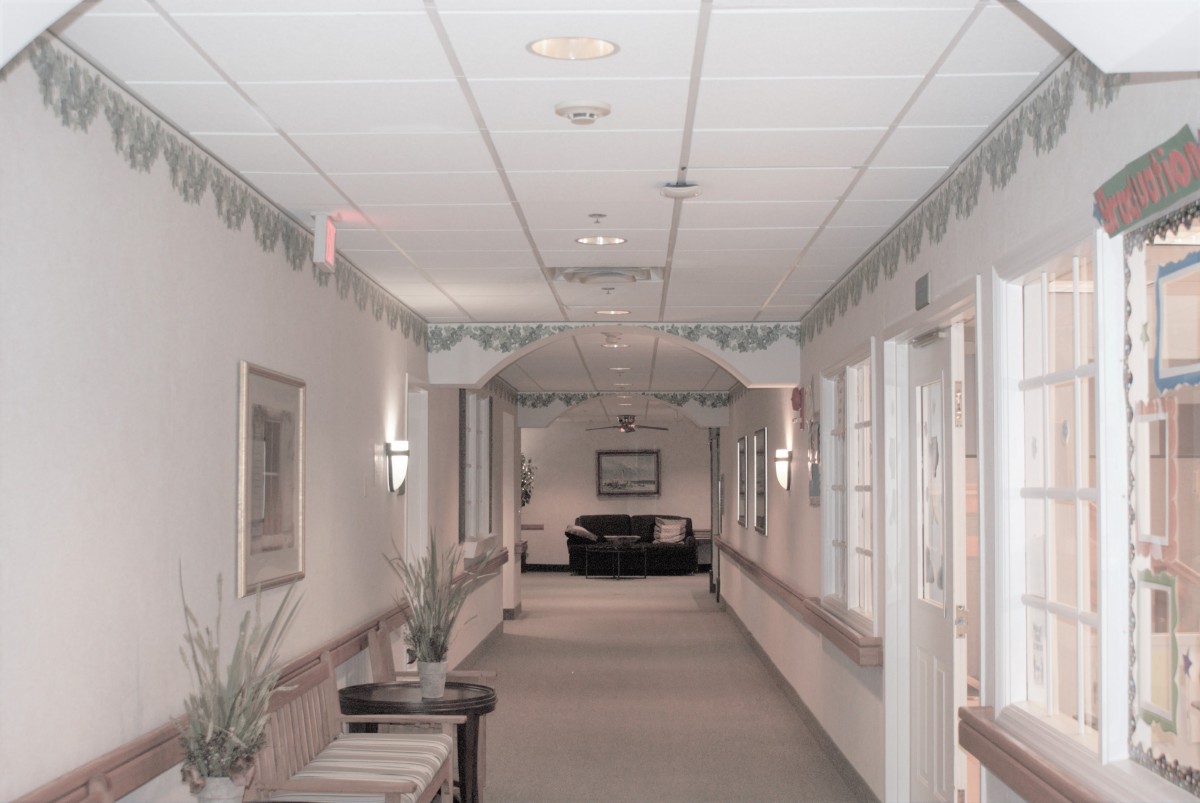
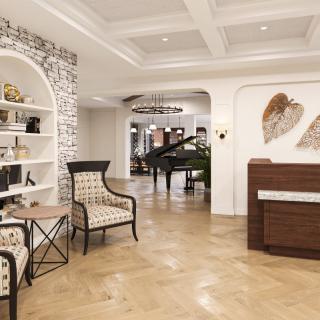
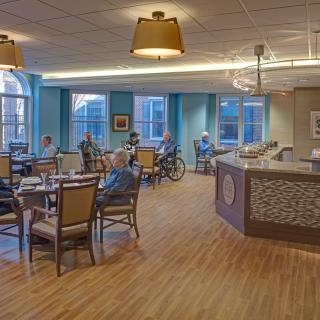
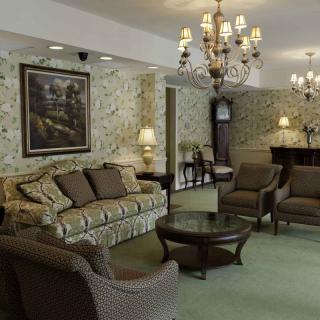
    A long, decorated hallway with furniture and lighting fixtures along the walls.
  • Outdoors

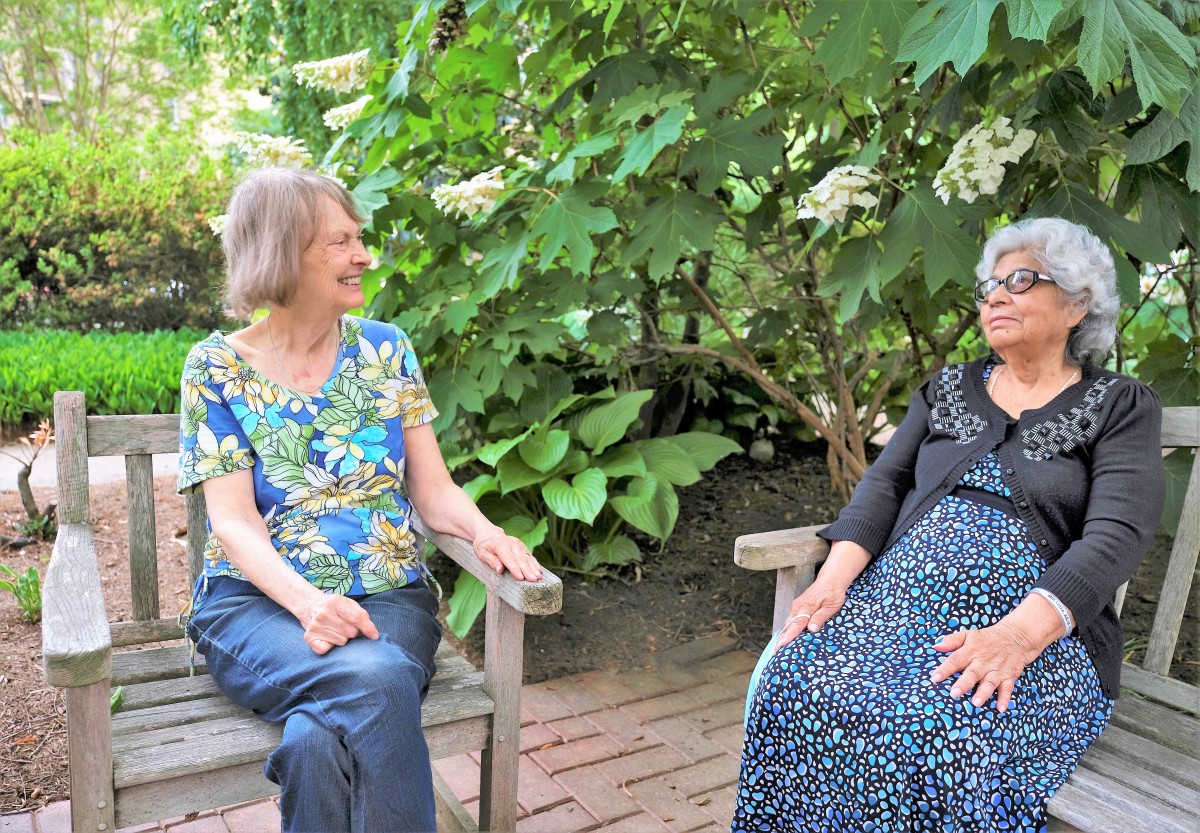
    Two women sitting on benches and having a conversation in a garden.
  • Building

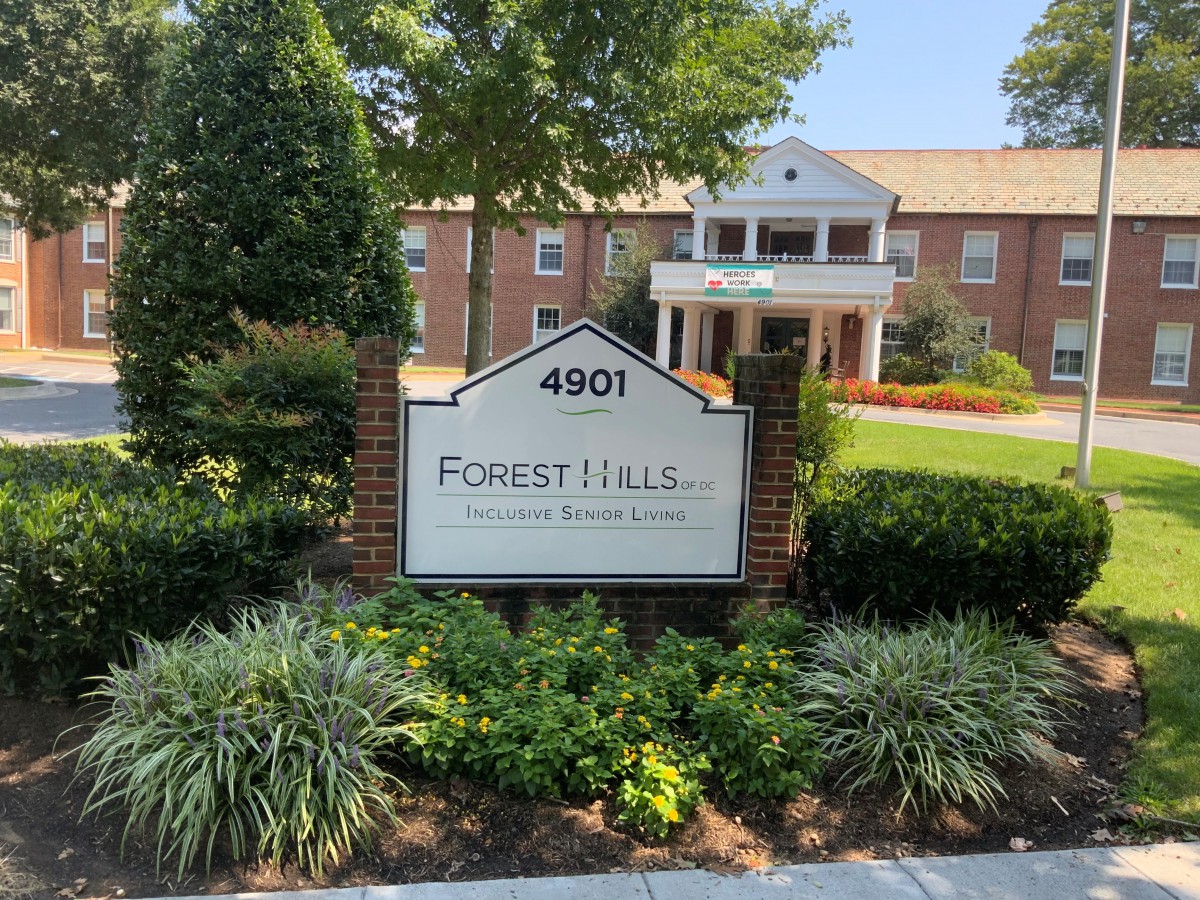
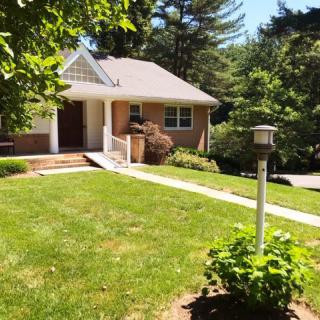
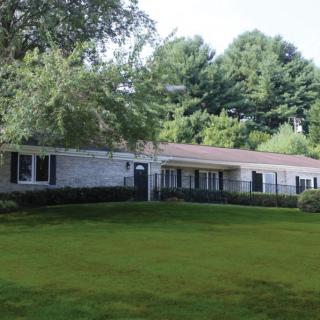
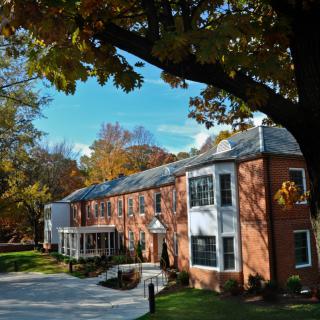
    Entrance sign for Forest Hills, located in front of a brick building surrounded by trees and landscaping.
  • Landscaping

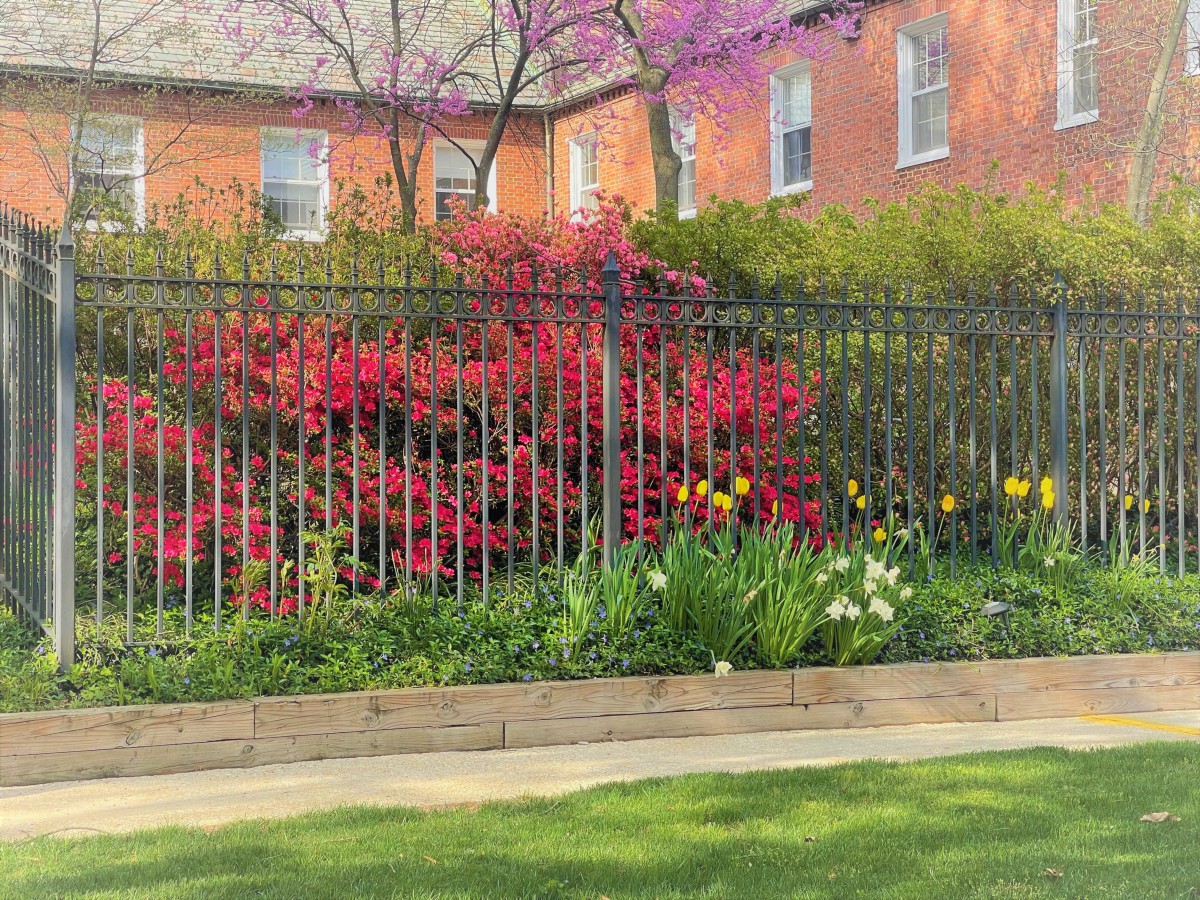
    A vibrant spring garden with colorful flowers in front of a brick building.
  • Kitchen

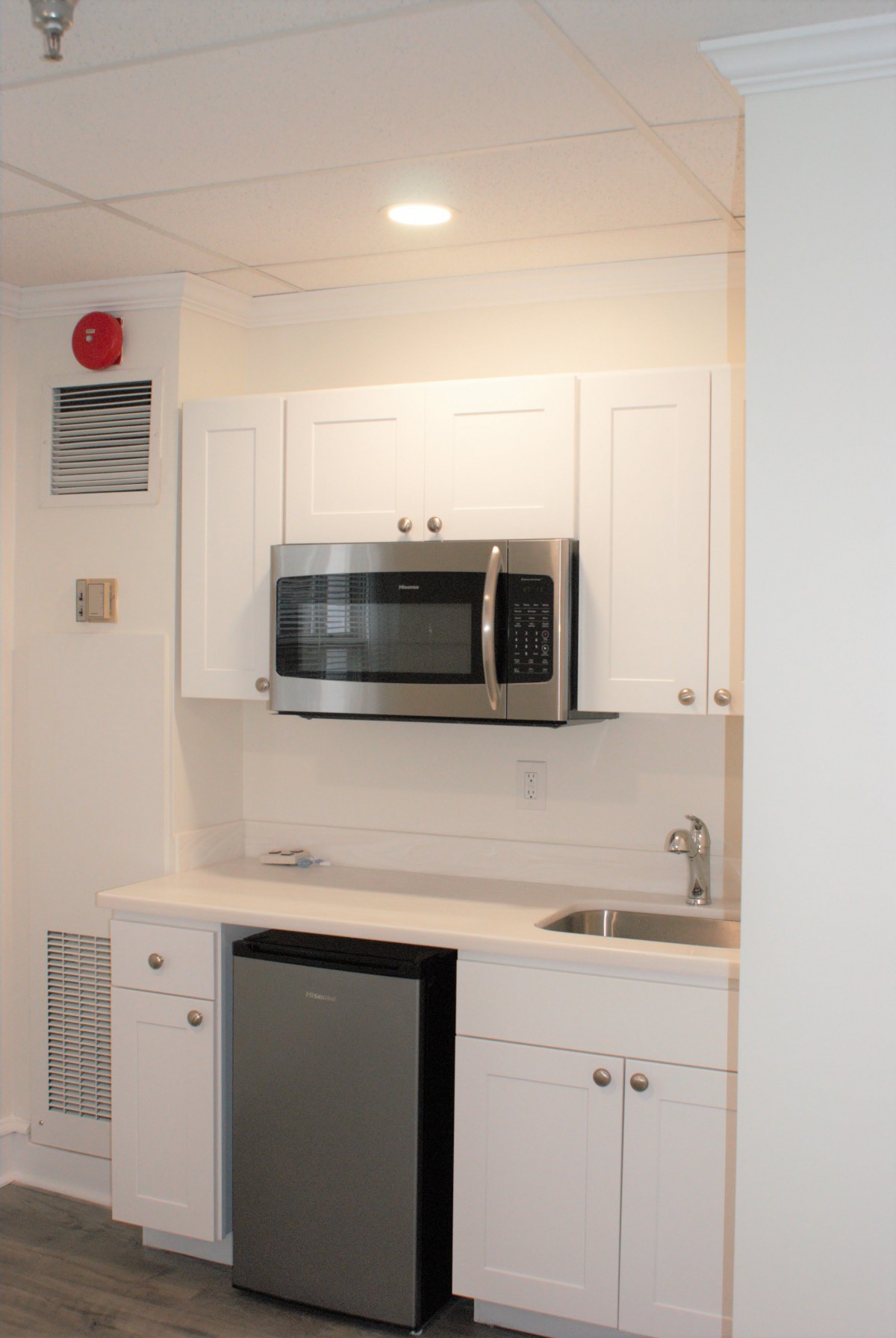
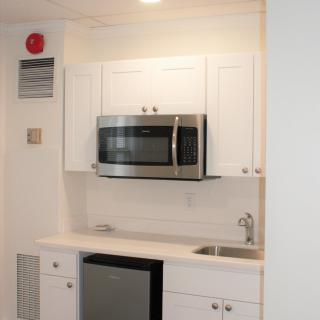
    A compact modern kitchen with white cabinets and built-in appliances.
  • Garden

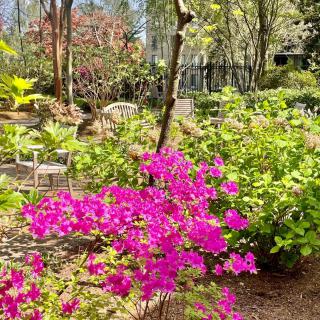
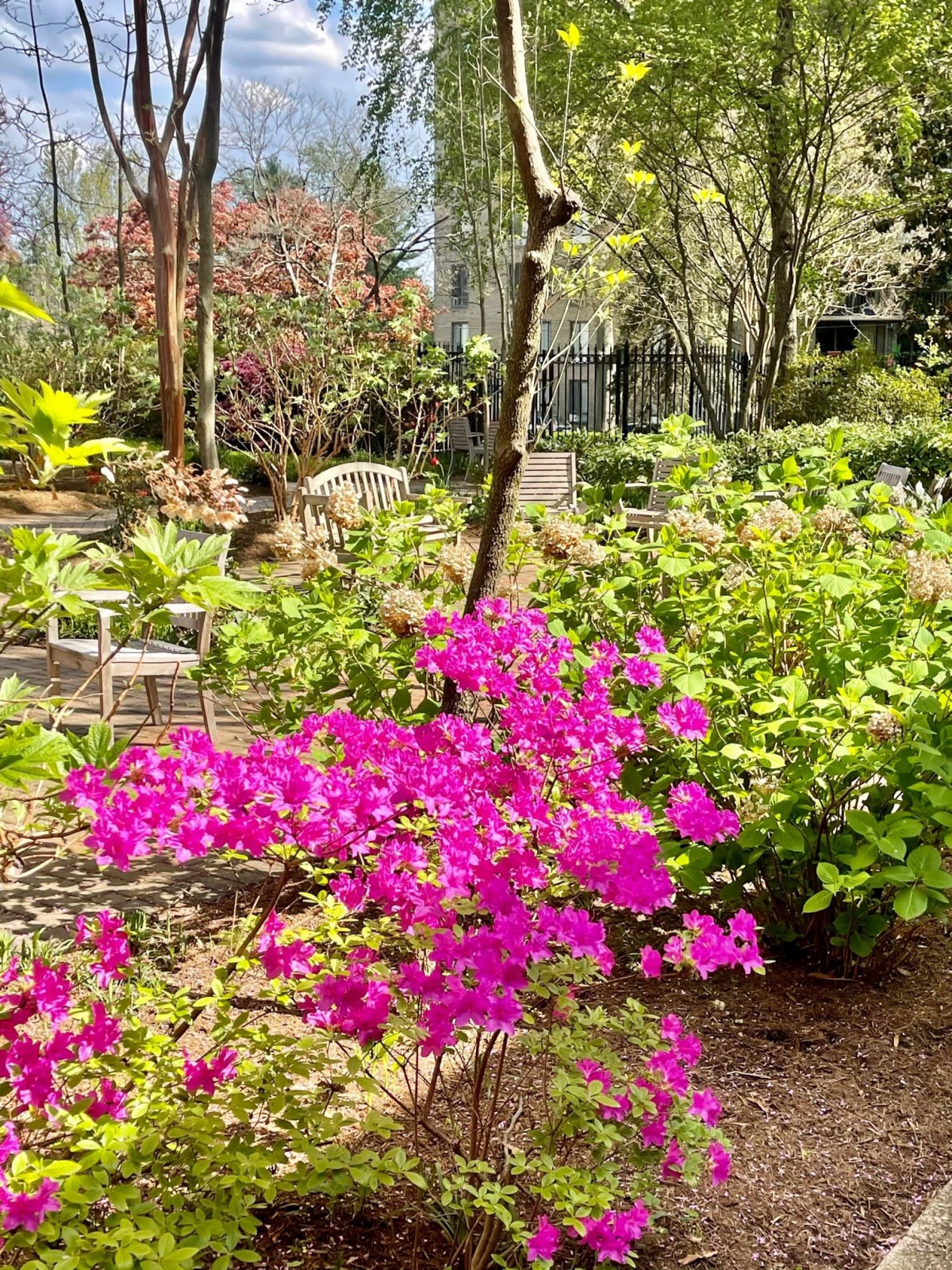
    A vibrant garden scene with blooming pink flowers amidst lush greenery.
  • Entrance

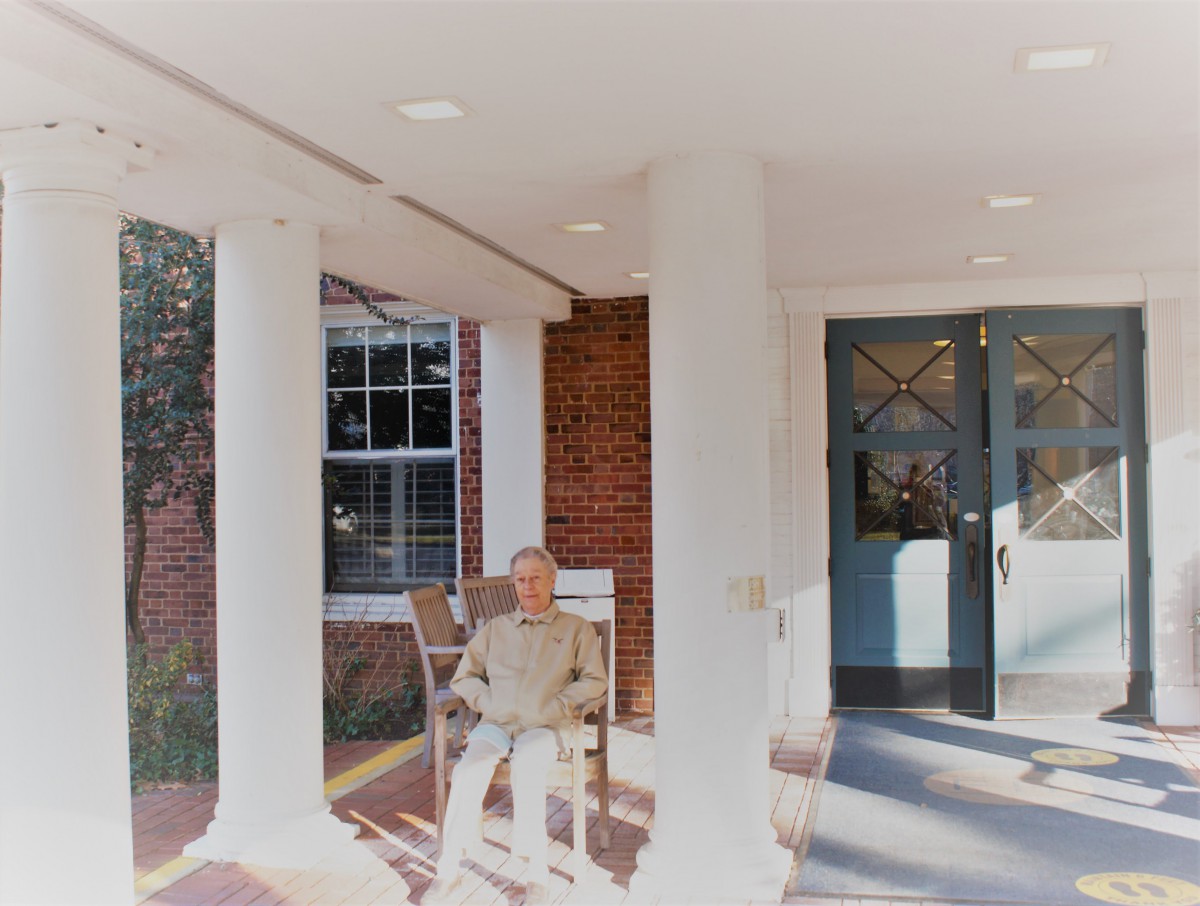
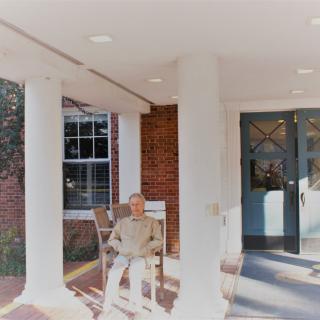
    A man sitting on a rocking chair on the porch of a brick building with columns.
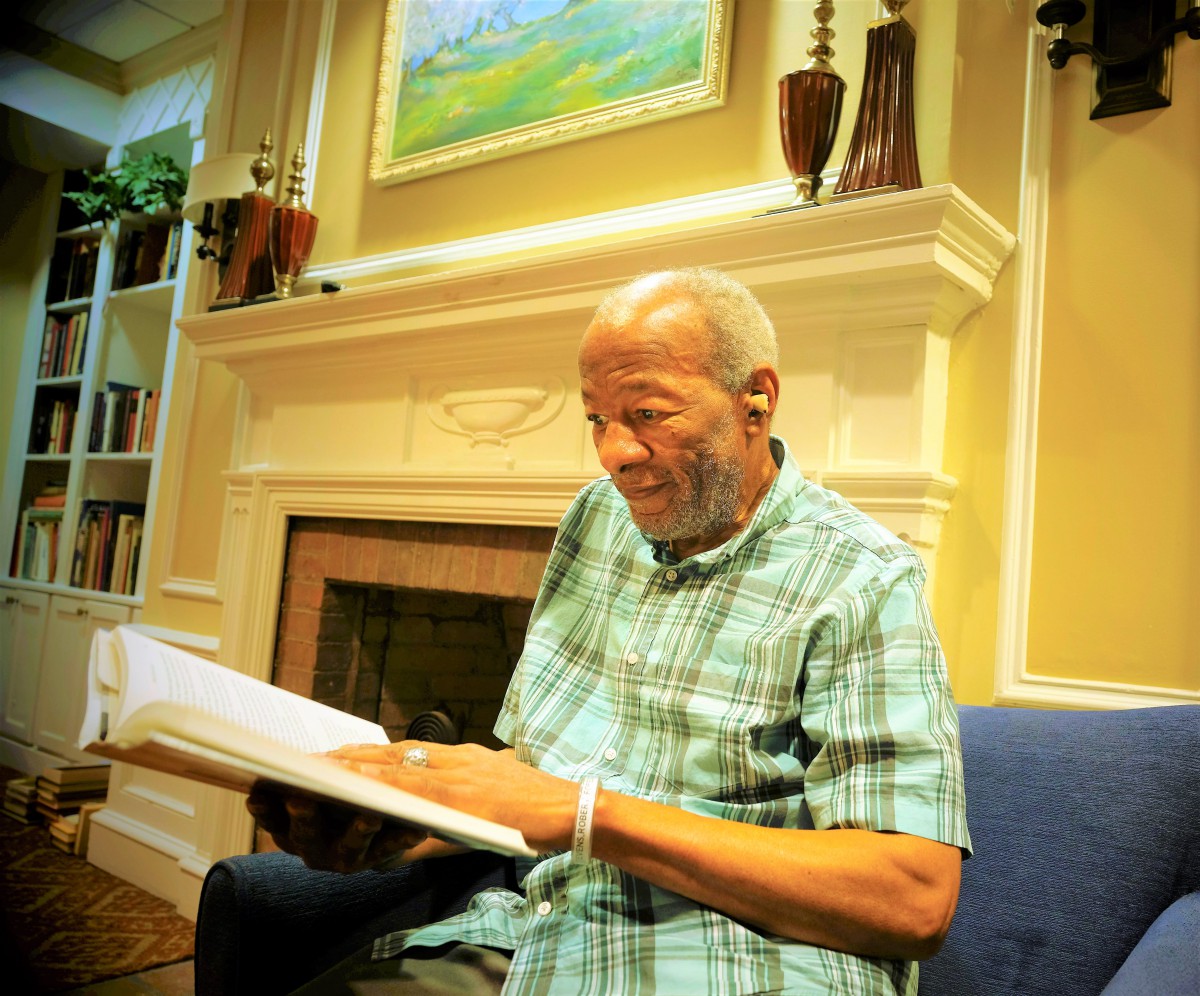
  • Fireplace

    An elderly man enjoying reading a book by the fireplace.
  • Outdoor

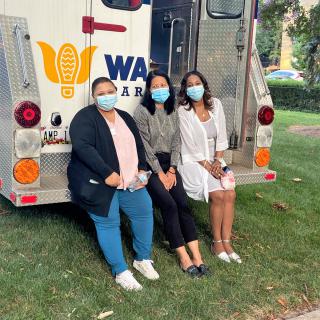
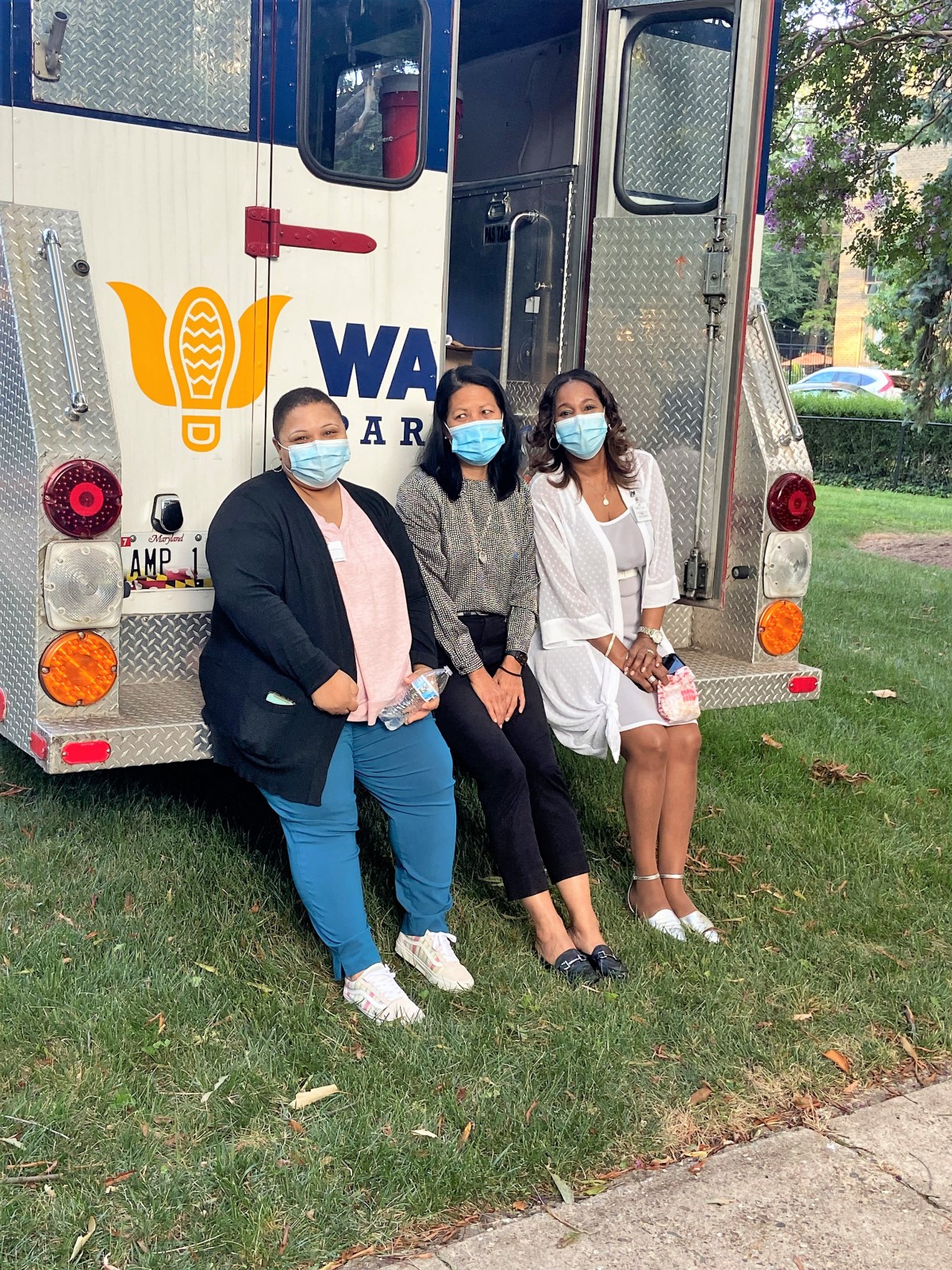
    Three people wearing masks sit outside near a medical truck.
  • Salon

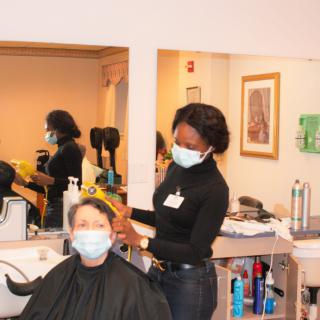
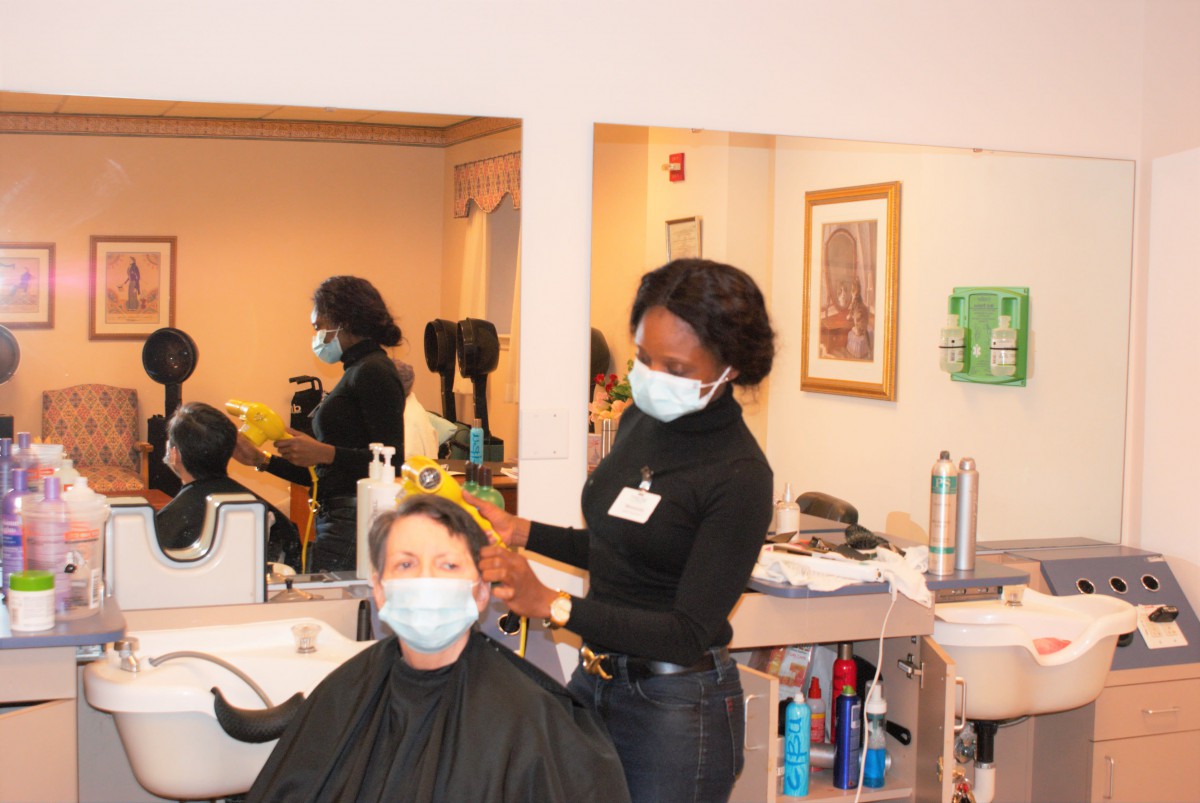
    A hairstylist wearing a mask is cutting the hair of a customer, who is also masked, in a salon setting.
  • Nursing Home

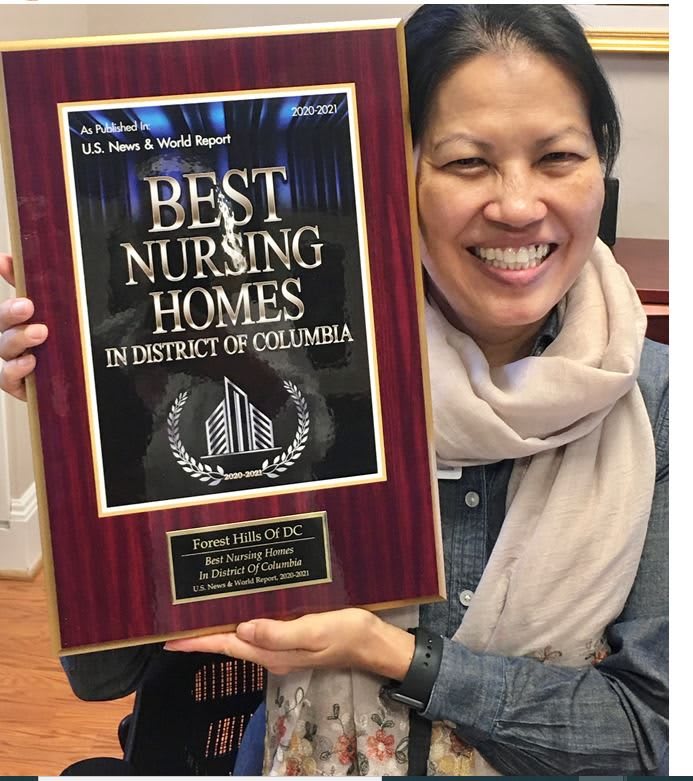
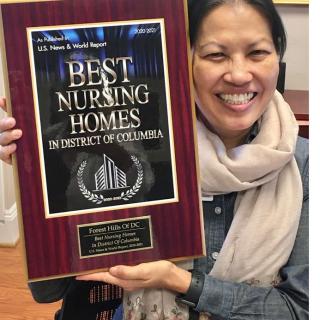
    A woman smiling and holding a plaque for Best Nursing Homes in District of Columbia.

Forest Hills of DC in Washington, DC

4901 Connecticut Ave NW, Washington, DC 20008

For more information about senior living options: (844) 490-3973

4.4 from 25 reviews
5 stars
18
4 stars
3
3 stars
1
2 stars
1
1 stars
2

Assisted Living

Forest Hills of DC Costs & Pricing

Forest Hills of DC offers a range of living options that reflect the unique character and demand of the District of Columbia. The monthly costs for studio apartments at Forest Hills are approximately $5,962, slightly above the average rate of $5,707 in the city. For those seeking private rooms, residents will face a monthly charge of $6,000, which is significantly higher than the more affordable average of $4,100 in the district. One-bedroom and two-bedroom units are priced at $7,270 each at Forest Hills - both considerably steeper than their respective averages of $4,879 and $4,744 found elsewhere in the District. This pricing structure highlights Forest Hills' premium offerings and amenities, catering to those who prioritize quality living in a vibrant community atmosphere within Washington, D.C.

Floor plansForest Hills of DCDistrict of ColumbiaDc
Studio$5,962$5,707$5,707
Private$6,000$4,100$4,100
1 Bedroom$7,270$4,879$4,879
2 Bedrooms$7,270$4,744$4,744

Overall Review of Forest Hills of DC

Pros

  • pro Forest Hills of DC is a small and intimate community where everyone knows each other.
  • pro The staff is attentive and concerned for residents' well-being.
  • pro The staff works hard to keep things running smoothly and to ensure residents have fun.
  • pro The staff is keenly aware of residents' needs, natures, and habits.
  • pro The staff is accessible and responsive, up to the CEO.
  • pro Care at Forest Hills is exemplary for elderly residents.
  • pro Staff members are friendly, warm, and courteous.
  • pro The facility has done an incredible job keeping residents safe during the pandemic while offering safe activities.
  • pro The food is excellent and nutritious.
  • pro The community is welcoming, uplifting, and offers a range of activities.
  • pro The rehab and therapy teams are professional, skilled, and supportive.

Cons

  • pro The company won't address the combative patient encountered.
  • pro The nursing staff and aides leave much room for improvement.
  • pro On some days, the patient had to wait hours to receive help with wet pullups and basic ADLs.
  • pro This is terrible for a recovering person to feel they are alone in a place designed to assist them.
  • pro Filing a complaint has not been made easy; the licensing contact listed is deceased.
  • pro The facility needs to hire more compassionate and more competent staff.
  • pro In assisted living, care services were very limited, and the staff were not qualified to interact positively with residents; there was a very limited welcoming to the floor and the staff never tried to get to know the resident.
  • pro Some nurses and staff are rude and unfriendly and they yelled at the patient when wandering, without understanding wandering is a common aspect of dementia.
  • pro Many staff clearly did not receive or ignored their training.
  • pro The father was often agitated and depressed; it was awful and not advisable to send an elderly family member with cognitive impairments.
  • pro The facility was very expensive, with price increases as levels of care changed and no middle option available.
  • pro They turned down a request for skilled nursing for the father.

Review

Forest Hills of DC is best suited for families seeking a small, intimate senior living campus where rehab wins and daily life feels like a real home. The community shines for residents who value personalized attention, easy access to leadership, and a campus culture in which staff know residents by name and respond quickly. It works well for short-term rehab after surgery or illness, and for seniors who want to blend independent living with a supportive skilled-nursing option on the same site. Those who prize a warm social environment, reliable meals, and engaging activities will find much to like, provided expectations are aligned with the campus's capacity and pricing.

Yet this is not universally ideal. Families confronting advanced dementia with frequent wandering or combative behavior may find staffing gaps and training limitations problematic. The assisted-living floor is often described as having limited care and less staffing responsiveness; for residents with substantial care needs, the model may feel stretched. The complaint process can be cumbersome, and administrative responsiveness sometimes falls short, including a sense that some issues never get resolved. Those who require a broad continuum of care beyond two levels, or who need predictably robust management of complex medical or behavioral needs, should consider larger, more resource-rich communities or facilities with dedicated memory-care wings.

On balance, the strongest positives are indisputable. The campus is small enough for a true sense of community, yet equipped with a full rehab program, skilled nursing, and a robust activity calendar. Rehab teams routinely deliver meaningful progress, helping patients regain mobility, manage chronic conditions, and actually leave the facility walking or driving fewer days post-therapy. Food is consistently praised as delicious and nutritious, and the social and cultural offerings keep residents engaged. Staff across the board - nurses, aides, therapists, admissions - are described as attentive, compassionate, and accessible up to the top leadership, which translates into reliable communication for families.

However, gaps exist and they matter. Reports of long waits for basic ADL help, including wet-pullup changes, undermine the rehab experience and undermine the sense of safety that families expect. Instances of staff rudeness or miscommunication with residents who have cognitive impairment reveal training or supervision gaps that cannot be ignored. The assisted living segment is not always staffed to meet demand, and some families felt the care conversations and onboarding were insufficient. The pricing path can feel opaque, with levels shifting and costs rising as residents move from independent to more intensive care, sometimes with little middle ground to hold expenses steady.

Despite these flaws, the pros often trump the cons for residents who value the holistic package Forest Hills offers. The intimate setting fosters accountability; families experience prompt returns calls and direct access to leadership, and the rehab program delivers tangible gains when engaged. For many, the combination of a pleasant living space, good food, and a range of activities, along with reliable care during multiple transitions, makes Forest Hills a reassuring choice. When management communicates clearly and staffing improves on the floor, the campus becomes a reliable home for aging in place, not just a place to recover temporarily.

Families evaluating Forest Hills should prioritize rehab goals, memory-care needs, and budget realism. If the objective is strong short-term recovery with social engagement and accessible leadership, this community merits serious consideration. If dementia care, aggressive behavioral management, or a transparent, seamless pricing/leveling structure are critical, alternatives with dedicated memory-care wings and steadier staffing may be wiser. Schedule a measured tour focused on the floor where your loved one will live, ask for recent staffing ratios, and probe the complaint process and follow-through. The right fit will balance genuine warmth, credible clinical capability, and predictable cost, with Forest Hills delivering on the first two when the third is carefully managed.

Features

Types of Care

  • Assisted Living Assisted LivingAssisted living facilities provide crucial support and care for seniors who may need help with daily tasks such as medication management, bathing, and meal preparation. These communities offer a safe and comfortable environment where seniors can maintain their independence while receiving the assistance they need to thrive in their golden years.

Pets

  • Cats allowed Cats allowed"Pet friendly" senior living communities are important for seniors because pets provide companionship, reduce feelings of loneliness and depression, promote physical activity and mental stimulation, and offer a sense of purpose and responsibility. Pets can improve overall well-being and quality of life for seniors in many ways.
  • Dogs allowed Dogs allowed"Pet friendly" senior living communities are important for seniors because pets provide companionship, reduce feelings of loneliness and depression, promote physical activity and mental stimulation, and offer a sense of purpose and responsibility. Pets can improve overall well-being and quality of life for seniors in many ways.

Amenities

  • Activities off-site Activities off-siteEngaging in off-site activities is crucial for seniors to maintain social connections, stay active, and stimulate their minds. It promotes overall well-being and helps combat feelings of isolation and loneliness.
  • Activities on-site Activities on-siteActivities on-site are important for seniors because they provide opportunities for socialization, mental stimulation, physical activity, and overall well-being. Engaging in activities can help seniors stay active, maintain their independence, and improve their quality of life.
  • Air-conditioning Air-conditioningAir conditioning is important for seniors as they are more vulnerable to heat-related illnesses and may have underlying health conditions that make it difficult for them to regulate their body temperature. It helps to keep them comfortable, safe, and healthy in hot weather.
  • Beautician on-site Beautician on-siteHaving a beautician on-site at a senior living community is important for seniors as it allows them to easily access grooming and personal care services, boosting their self-esteem and overall well-being. It also provides convenience and helps seniors maintain their sense of independence and personal style.
  • Devotional services off-site Devotional services off-siteDevotional services off-site are important for seniors as they provide spiritual nourishment, social engagement, and a sense of community outside of the senior living facility. This can enhance overall well-being and help combat feelings of isolation and loneliness often experienced by older adults.
  • Devotional services on-site Devotional services on-siteDevotional services on-site provide seniors with spiritual support and a sense of community, as well as an opportunity for reflection and guidance during their senior living experience. This can promote emotional well-being and connection to others, leading to a more fulfilling and enriching lifestyle in their later years.
  • Ground floor units Ground floor unitsGround floor units are important for seniors because they provide easy accessibility, reduced risk of falls and injuries, and convenience for those with mobility issues. Seniors can avoid climbing stairs or using elevators, making daily tasks and activities more manageable and enjoyable.
  • Handicap accessible Handicap accessible"Handicap accessible" amenities are crucial for seniors to ensure they can easily navigate and access facilities, services, and activities without barriers or limitations due to physical impairments. This promotes independence, safety, and inclusivity for seniors in senior living communities.
  • Indoor common areas Indoor common areasIndoor common areas are crucial for seniors as they provide a space for socialization, recreation, and community engagement, promoting overall well-being and reducing feelings of isolation and loneliness.
  • Kitchenette KitchenetteKitchenettes are important for seniors living in senior living communities because they provide the convenience and independence of being able to prepare simple meals and snacks in the comfort of their own living space. This can help promote a sense of autonomy and well-being for seniors, allowing them to maintain some level of control over their dietary choices and daily routines.
  • Outdoor common areas Outdoor common areasOutdoor common areas are important for seniors as they provide a space for socialization, physical activity, and relaxation. Being outside in nature can improve mood and overall well-being, while also encouraging movement and engagement with others. These spaces can help combat feelings of isolation and promote a sense of community among residents.
  • Respite or short term stays offered Respite or short term stays offeredRespite or short term stays provide seniors with a temporary solution when their regular caregiver is unavailable, offering them the opportunity to receive additional care and support during times of need, while also giving caregivers a chance to rest and recharge.
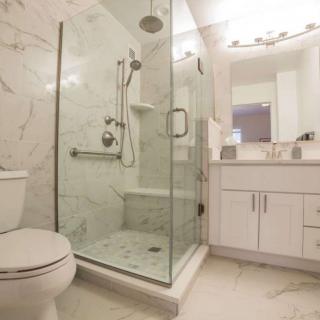
  • Wheelchair accessible showers Wheelchair accessible showersWheelchair accessible showers are crucial for seniors as they provide a safe and independent bathing option for those with mobility challenges. These showers help prevent falls and allow seniors to maintain their dignity and autonomy while ensuring they can bathe comfortably.

Transportation

  • Ronald Reagan Washington National (7 miles away) Ronald Reagan Washington National (7 miles away)
  • Washington Dulles International (21 miles away) Washington Dulles International (21 miles away)

Care Services

  • Ambulatory care Ambulatory care"Ambulatory care services provide essential medical support and treatment to seniors without requiring hospitalization, allowing them to maintain their independence and quality of life while managing chronic conditions or receiving routine medical care."
  • Diabetic care Diabetic careDiabetic care is crucial for seniors as they are more susceptible to developing diabetes due to aging and other health conditions. Proper management of diabetes can help prevent complications such as heart disease, vision loss, and nerve damage, improving the overall quality of life for seniors in senior living communities.
  • Incontinence care Incontinence careIncontinence care is essential for seniors to maintain their dignity, hygiene, and overall quality of life. By addressing incontinence issues promptly and effectively, seniors can enjoy a sense of independence and comfort in their daily activities.
  • Medication management Medication managementMedication management is crucial for seniors to ensure they are taking the right medications at the correct dosages and times. This helps prevent adverse drug interactions, reduces the risk of medication errors, and promotes overall health and well-being. Proactive management also allows for adjustments as needed based on changing health conditions or new prescriptions.

Dining

  • Gluten-free Gluten-freeGluten-free options are important for seniors as they are more prone to digestive issues and dietary sensitivities. Offering gluten-free meal choices in senior living communities can help improve their overall health and well-being.
  • Guest meals Guest mealsGuest meals are important for seniors living in senior living communities because they provide an opportunity for socialization and companionship. Sharing a meal with friends, family, or new acquaintances can help combat feelings of loneliness and isolation, promote a sense of community, and enhance overall well-being. Additionally, guest meals allow seniors to enjoy delicious food in a comfortable setting without the hassle of cooking or cleaning up, making dining a pleasurable and stress-free experience.
  • International cuisine International cuisineInternational cuisine is important for seniors because it offers a variety of flavors, ingredients, and cultural experiences that can help keep their meals interesting and enjoyable. Trying new dishes can also stimulate the senses and provide different nutrients that contribute to overall health and well-being. Additionally, exploring international cuisine can bring back fond memories of travels or childhood experiences, making mealtime more nostalgic and fulfilling for seniors.
  • Kosher KosherKosher options are important for seniors because they adhere to dietary laws that are significant to many Jewish individuals, providing them with peace of mind and an opportunity to maintain their cultural traditions and beliefs while living in a senior living community.
  • Low / no sodium Low / no sodiumLow/no sodium options are important for seniors because excessive sodium intake can lead to high blood pressure, heart disease, and other health issues commonly experienced by older adults. By choosing low/no sodium foods, seniors can better manage their health and reduce their risk of developing these conditions.
  • Meals provided Meals provided"Meals provided" are crucial for seniors in assisted living communities as it ensures they have access to nutritious, balanced meals without the stress of meal planning and preparation. This can help promote overall health and well-being for seniors who may have limited mobility or cognitive abilities.
  • No Sugar No SugarNo sugar diets are important for seniors because they can help prevent or manage chronic conditions such as diabetes, heart disease, and obesity. Sugar can also contribute to cognitive decline and inflammation in the body, so reducing sugar intake can lead to overall improved health and well-being in older adults.
  • Organic OrganicOrganic foods are important for seniors because they contain fewer chemicals and pesticides, which can be harmful to aging bodies. Additionally, organic foods often have higher nutrient levels, making them a healthier choice for maintaining overall well-being in older adults.
  • Professional chef Professional chefProfessional chefs are important for seniors living in senior living communities because they provide nutritious and delicious meals that cater to their dietary needs and preferences. A professional chef can ensure that seniors are receiving balanced, flavorful meals that support their overall health and well-being.
  • Restaurant style dining Restaurant style diningRestaurant style dining is important for seniors as it offers them a social and enjoyable dining experience, promotes healthy eating habits, and provides personalized menu options to cater to their dietary needs and preferences. This type of dining setting can enhance their overall quality of life and create a sense of community within the senior living facility.
  • Room service Room serviceRoom service is important for seniors in a senior living community because it provides convenience and allows them to have their meals delivered directly to their room. This can be especially beneficial for seniors who may have mobility issues or difficulty accessing the dining area. Room service ensures that seniors are able to receive nutritious meals without having to navigate through the facility, allowing them to maintain their independence and overall well-being.
  • Vegan VeganVegan diets can provide numerous health benefits for seniors, including lower risk of chronic diseases, improved digestion, and increased energy levels. Additionally, plant-based diets are often rich in essential nutrients that can support overall well-being and longevity in older adults.
  • Vegetarian VegetarianA vegetarian diet is important for seniors because it can help lower the risk of chronic diseases, maintain a healthy weight, and provide essential nutrients needed for aging bodies. Additionally, plant-based diets are often easier on digestive systems and can contribute to overall well-being in older adults.

Activities

  • Art classes Art classesArt classes are important for seniors because they provide a creative outlet, improve cognitive function, reduce stress and anxiety, promote socialization, and enhance overall well-being and quality of life.
  • Catholic services Catholic servicesCatholic services are important for seniors because they provide spiritual support, a sense of community, and opportunities for social interaction that can enhance overall well-being and quality of life in their later years.
  • Day trips and outings Day trips and outingsDay trips and outings are important for seniors as they provide opportunities for socialization, mental stimulation, physical activity, and a break from daily routines. These experiences can enhance overall well-being and quality of life for older adults living in senior communities.
  • Devotional activities offsite Devotional activities offsiteDevotional activities offsite are important for seniors because they provide social engagement, spiritual growth, and a sense of community outside of their living environment. This can improve overall well-being, mental health, and combat feelings of isolation or loneliness.
  • Devotional activities on-site Devotional activities on-siteDevotional activities on-site provide seniors with a sense of community, spiritual fulfillment, and emotional support, promoting overall well-being and a positive sense of purpose in their lives.
  • Educational speakers / life long learning Educational speakers / life long learningEducational speakers and lifelong learning opportunities are crucial for seniors as they provide mental stimulation, promote social engagement, and contribute to overall well-being. Continuous learning helps seniors stay mentally sharp, build new skills, and maintain a sense of purpose and fulfillment in their lives. It also allows them to stay connected to the world around them and fosters a sense of community within senior living facilities.
  • Happy hour Happy hourHappy hour is important for seniors as it provides a social activity that promotes camaraderie and reduces feelings of loneliness or isolation. It also offers an opportunity for older adults to relax, unwind, and enjoy some drinks or snacks in a fun and welcoming atmosphere.
  • Jewish services Jewish servicesJewish services are important for seniors as they provide a sense of community, spiritual support, and connection to their heritage and traditions. These services help enhance overall well-being and quality of life for older adults in senior living settings.
  • Live musical performances Live musical performancesLive musical performances can provide seniors with a sense of joy, nostalgia, and connection. Music has the power to evoke emotions and memories, improve mood and cognitive function, and foster social interaction among seniors. It can also serve as a form of therapy and stress relief for older adults, making it an important activity to include in senior living communities.
  • Live well programs Live well programs"Live well programs are essential for seniors as they provide opportunities for physical activity, social engagement, and mental stimulation, ultimately promoting overall health and well-being in later years."
  • Visiting Rabbi Visiting Rabbi"Visiting rabbis provide spiritual and emotional support to seniors in assisted living communities, helping them connect with their faith, find comfort in times of need, and maintain a sense of community and belonging."
  • Visiting chaplain or priest Visiting chaplain or priestHaving a visiting chaplain or priest at a senior living community is important for seniors because it provides spiritual support, comfort, and guidance during a time of life that can be challenging and uncertain. Their presence can help seniors feel connected to their faith, find peace of mind, and cope with the emotional and mental struggles they may face in their later years.

Description

Forest Hills of DC in Washington, DC is an exceptional assisted living community that provides top-notch care and a wide range of amenities for its residents. With activities offered on-site, residents can enjoy engaging and socializing without leaving the comfort of their home. The facility offers air-conditioning throughout the premises to ensure a comfortable living environment for all residents.

The convenience of having a beautician on-site allows residents to easily access grooming services, while devotional services off-site and on-site cater to the spiritual needs of individuals. Ground floor units and wheelchair accessible features make it easy for residents with mobility challenges to navigate around the community.

Indoor common areas provide ample space for socializing and recreational activities, while the kitchenette allows residents to prepare light snacks or beverages at their convenience. Outdoor common areas allow residents to enjoy fresh air and take leisurely walks within beautifully landscaped surroundings.

For those in need of temporary stays or respite care, Forest Hills of DC offers these services as well. Additionally, the community ensures that all individuals have access to wheelchair accessible showers for added convenience and safety.

When it comes to care services, Forest Hills of DC excels in diabetic care, incontinence care, and medication management. The staff is highly trained in assisting residents with specific healthcare needs while maintaining their dignity and independence.

Dining at Forest Hills of DC is truly exquisite with a variety of options available. From guest meals to international cuisine, kosher, low/no sodium, organic, vegan, vegetarian choices - there is something for everyone's dietary preferences. A professional chef prepares delicious meals served in a restaurant-style dining setting or through room service.

Residents can engage in various activities such as Catholic and Jewish services, day trips/outings, educational speakers/life-long learning programs, live musical performances, happy hours, and Devotional activities both off-site and on-site. The presence of visiting chaplains/priests ensures that all spiritual needs are met.

The location of Forest Hills of DC is also advantageous, with numerous cafes, parks, pharmacies, physicians, restaurants, transportation options, places of worship, theaters, and hospitals nearby. This makes it easy for residents to explore the surrounding community and access necessary services and entertainment options.

All in all, Forest Hills of DC is a top-tier assisted living community that provides exceptional care services and an abundance of amenities to ensure the comfort and well-being of its residents.

Nearby Places of Interest

This area of Washington, DC offers a convenient and diverse range of amenities for seniors looking to make it their home. With multiple CVS pharmacies within easy reach, accessing medication and healthcare products is convenient. Additionally, the presence of reputable physicians and hospitals such as Sibley Memorial Hospital and MedStar Georgetown University Hospital ensures accessible healthcare services. The proximity to parks like Rock Creek Park and Chevy Chase Park provides opportunities for outdoor recreation and relaxation. Furthermore, an array of cafes, restaurants, and theaters cater to various dining and entertainment preferences. The availability of public transportation options like metro stations offers ease of travel within the city. Overall, this vibrant neighborhood offers a mix of convenience, healthcare facilities, recreational opportunities, and cultural experiences suitable for senior living.

Pharmacies

  • CVS Pharmacy (0.1 miles)
  • CVS Pharmacy (0.7 miles)
  • CVS Pharmacy (1.4 miles)
  • CVS Pharmacy (2.2 miles)
  • CVS Pharmacy (2.3 miles)
  • CVS Pharmacy (2.4 miles)
  • CVS Pharmacy (2.6 miles)

Parks

  • Rock Creek Park (1.3 miles)
  • Chevy Chase Park (1.8 miles)
  • Meridian Hill Park (2.7 miles)
  • Fort Slocum Park (2.9 miles)
  • S Street Dog Park (3.2 miles)
  • Georgetown Waterfront Park (3.6 miles)

Restaurants

  • Cactus Cantina (1.4 miles)
  • Denizens Brewing Co. (3.3 miles)
  • Annie's Paramount Steak House (3.3 miles)
  • Georgetown Cupcake (3.4 miles)
  • Garden District (3.4 miles)
  • Chicken + Whiskey (3.4 miles)
  • George's King of Falafel & Cheesesteak (3.4 miles)

Physicians

  • Foxhall Pediatrics (1.7 miles)
  • Capitol Medical Group (2.8 miles)
  • Mary's Center (3.3 miles)
  • One Medical (3.4 miles)
  • Children's National - Main Hospital (3.4 miles)
  • The Centers For Advanced Orthopaedics (3.6 miles)

Cafes

  • Starbucks (2.2 miles)
  • Tatte Bakery & Cafe (2.4 miles)
  • Lost Sock Roasters (3 miles)
  • Blue Bottle Coffee (3.4 miles)
  • The Coffee Bar (3.5 miles)
  • Tatte Bakery & Cafe (3.5 miles)
  • Unconventional Diner (4.1 miles)

Hospitals

  • Sibley Memorial Hospital (2.5 miles)
  • MedStar Georgetown University Hospital (3 miles)
  • Georgetown University Hospital Pasquerilla Center (3 miles)
  • Medstar Washington Hospital Center (3.3 miles)
  • Children's National Medical Center (3.4 miles)
  • Howard University Hospital (3.6 miles)
  • Holy Cross Hospital (4.6 miles)

Transportation

  • Bethesda Metro Station (2.5 miles)
  • Georgia Ave-Petworth Metro Station (2.6 miles)
  • Medical Center Metro Station (3.5 miles)
  • Shaw-Howard University Metro Station (3.7 miles)
  • Foggy Bottom-GWU Metro Station (3.8 miles)
  • McPherson Square Metro Station (4.1 miles)
  • Metro Center Metro Station (4.4 miles)

Theaters

  • AMC Georgetown 14 (3.6 miles)
  • Alamo Drafthouse Cinema DC Bryant Street (4.4 miles)
  • Regal Gallery Place & 4DX (4.6 miles)

Places of Worship

  • Basilica of the National Shrine of the Immaculate Conception (3.9 miles)

Frequently Asked Questions

How much does it cost to live at Forest Hills of DC in Washington, DC?
Where is Forest Hills of DC?
Does Forest Hills of DC allow residents to have pets?
What photos are available for Forest Hills of DC in Washington, Dc?

Nearby Communities

  • Forest Hills of DC I

    Forest Hills of DC I

    Washington, DC


    pro Comprehensive care with 24-hour supervision, ADL assistance, medication management, and a mental wellness program.
  • Sunrise of Connecticut Ave

    Sunrise of Connecticut Ave

    Washington, DC

    4.6 from 52 reviews
    $8,640 to $12,660 / month

    pro Friendly staff in a warm, well-maintained Memory Care community.

  • Ingleside at Rock Creek,  a CCRC

    Ingleside at Rock Creek, a CCRC

    Washington, DC

    4 from 96 reviews
    $3,589 to $12,962 / month

    pro Excellent staff and well-designed, roomy apartments with seamless transitions across independent, assisted, and memory care and engaging activities.

  • Chevy Chase House

    Chevy Chase House

    Washington, DC

    4.5 from 109 reviews
    $4,599 to $5,800 / month

    pro Clean facility with friendly staff, strong dining and an active community.

  • VMT Home Health Agency

    VMT Home Health Agency

    Washington, DC


    pro Excellent access to health services, parks, eateries, and transit in a vibrant DC neighborhood.

  • Forest Side

    Forest Side

    Washington, DC

    5 from 2 reviews
    $8,381 to $10,079 / month

    pro Excellent, attentive staff with strong family communication and engaging activities.

  • Seabury at Friendship Terrace

    Seabury at Friendship Terrace

    Washington, DC

    4.2 from 49 reviews
    $1,309 to $1,517 / month

    pro Friendly staff in a welcoming, affordable community with engaging activities.

  • Knollwood Military Retirement Community

    Knollwood Military Retirement Community

    Washington, DC


    pro Continuum of care (CCRC) with independent living, memory care, and respite care; 24-hour supervision and medication management.

  • Elizabeth House

    Elizabeth House

    Silver Spring, MD


    pro Excellent access to healthcare and nearby amenities.

Related Resources

  • independent living vs assisted livingExploring the Path to Senior Living: A Comprehensive Look at Independent Living and Assisted Living

    The article examines senior housing options, detailing the distinctions between independent living and assisted living, along with the emerging "independent assisted living" model that blends both approaches. It highlights the importance of assessing individual needs, preferences, and financial factors in making informed decisions about suitable living arrangements for seniors.

  • is assisted living tax deductibleIs Assisted Living Deductible on Your Taxes? Understanding the Complexities of Assisted Living Expenses and Deductions

    The deductibility of assisted living expenses on taxes hinges on factors like the individual's medical condition and service nature, typically requiring the resident to be "chronically ill" per IRS definitions. Taxpayers may deduct eligible medical expenses related to personal care services but generally not rent unless primarily for medical care, and they should maintain thorough documentation to support claims while considering itemizing versus standard deductions.

  • va benefits for assisted livingAssisted Living Support for Veterans: A Complete and Detailed Overview
    The guide highlights the importance of assisted living facilities for aging veterans needing daily support, discusses unique challenges they face, and outlines available financial assistance from the VA, including the Aid and Attendance program. It emphasizes understanding eligibility criteria and navigating the VA system to access necessary benefits effectively.