



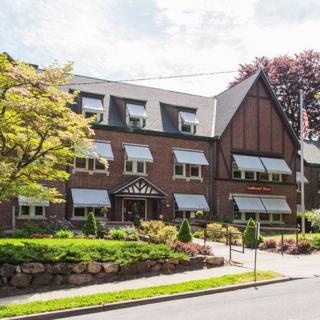

Southmayd Home in Waterbury, CT

Save

  • Interior

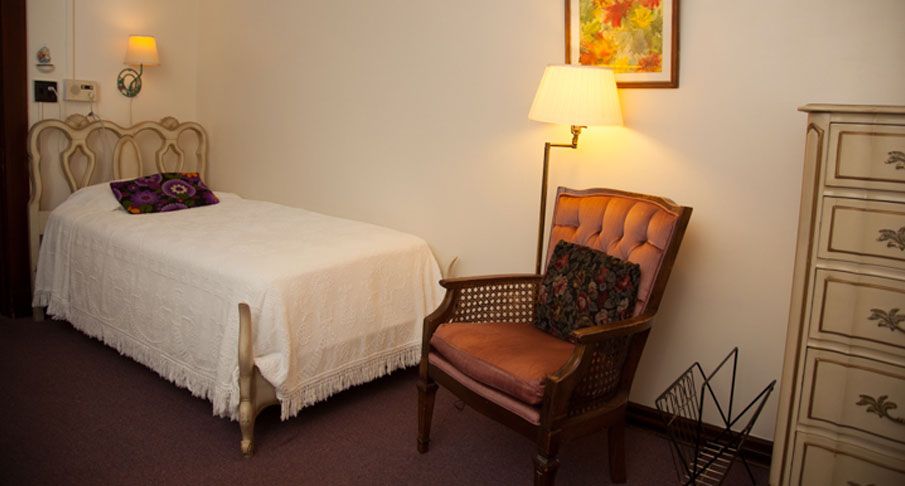
    A cozy bedroom corner with a bed, armchair, and standing lamp.
  • Outdoors

    A serene garden featuring a gazebo, benches, and a gentle stream flowing amidst lush greenery.
  • Decor

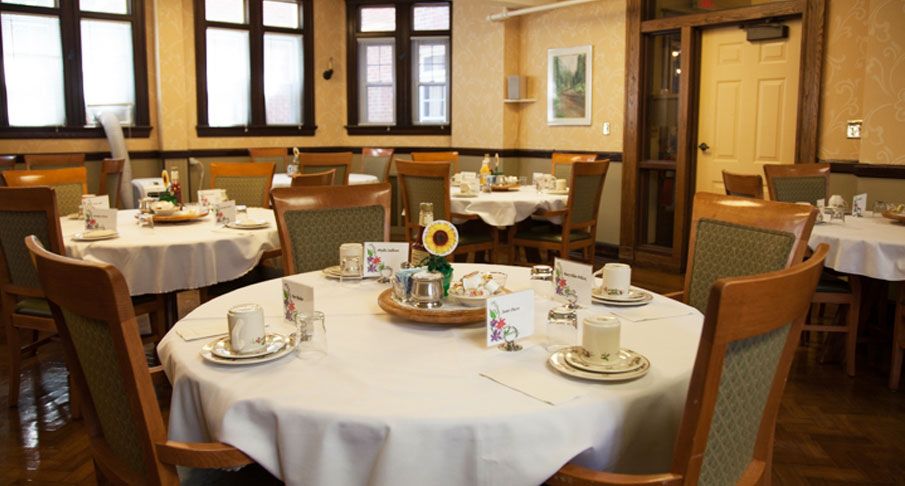
    A cozy dining room with neatly set tables, featuring white tablecloths and decorative centerpieces.
  • Living Room

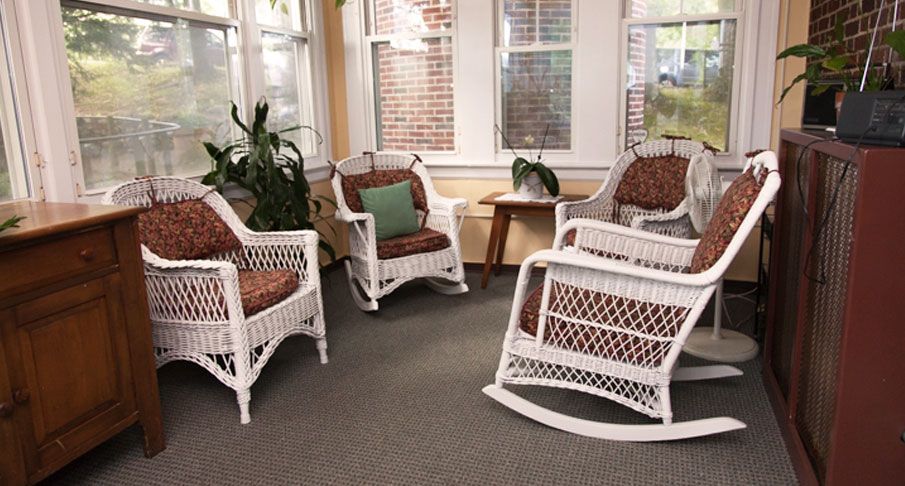
    Cozy sunroom with wicker rocking chairs and abundant natural light.
  • Building

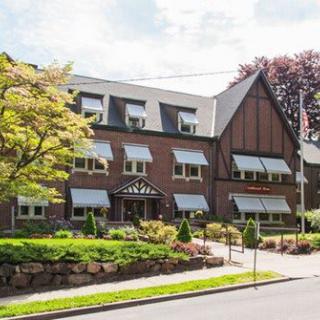
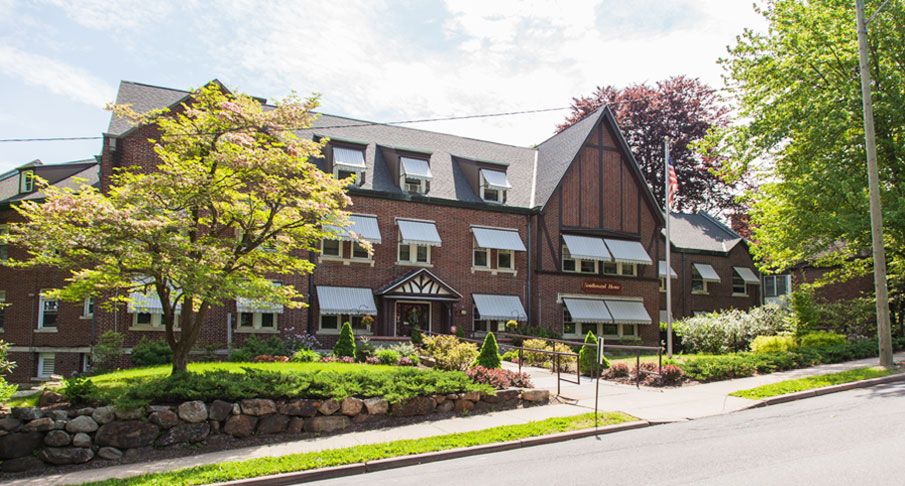
    A charming exterior view of a hotel surrounded by greenery and a clear sky.
  • Salon

    A hair salon setup with various styling tools and hair products on display.

Southmayd Home in Waterbury, CT

250 Columbia Boulevard, Waterbury, CT 06710

For more information about senior living options: (844) 490-3973

3.6 from 5 reviews
5 stars
2
4 stars
1
3 stars
1
2 stars
0
1 stars
1

Assisted Living Board and Care Home Respite Care

What level of care are you interested in?

Assisted Living

Memory Care

Independent Living

Skilled Nursing Facility

Continuing Care Retirement Community (CCRC)CCRC

Other


Request a tour at Southmayd Home

    Overall Review of Southmayd Home

    Pros

    • pro The aunt loved the place and was very happy living there.
    • pro The course held there on September 24?25 was awesome.
    • pro The staff were welcoming.
    • pro Mary Moynahan, the trainer from Empowermentia, was fantastic.
    • pro Lois Nelson, CDP, is excited to be an official Certified Dementia Practitioner.
    • pro Southmayde Homes' staff are very caring and very interested in each individual.
    • pro The food is excellent.
    • pro The dining area is lovely.

    Cons

    • pro Kara, Jackie, and Stephanie were very unprofessional.
    • pro They block attempts to contact the board.
    • pro Stephanie used social media to post unprofessional remarks about someone.
    • pro They would not recommend this place for employment or for residents.
    • pro They don't do their jobs correctly.

    Review

    Southmayd Home in Waterbury is best suited for families seeking a small, homey assisted-living environment where personal attention feels real and dementia-focused care is readily accessible. The community leans into warmth over flash, with a dining room atmosphere that mirrors a traditional family meal setting and a range of room sizes that let residents pick what feels most comfortable without being locked into one rigid option. It is particularly appealing for someone who values a caregiver presence that feels connected to the individual, rather than a distant, institutional vibe. The combination of an intimate setting, flexible living-space choices, and a visible emphasis on dementia care makes it a practical match for seniors who want familiarity, consistency, and a sense of belonging in their daily routine.

    There are clear reasons some families should consider alternatives. For anyone who prioritizes polished administrative responsiveness, consistently professional interactions, and easily verifiable governance, Southmayd Home may raise questions. Reviews flag concerns about staff professionalism and communication, including instances where interactions with leadership and board channels felt blocked or unclear. Those who require a tightly structured program with a large activity calendar or a facility with a highly standardized corporate approach may find more confidence elsewhere. In short, governance transparency and consistently professional front-line behavior are critical needs that some families will want to see clearly demonstrated before deciding.

    The strongest positives center on personal care, food, and the practical layout of the community. Residents are described as well cared for, with staff genuinely interested in each person's well-being. The room options - ranging from smaller to larger - provide flexibility for residents who do not plan to spend the day in their room but still want a choice about space. Food quality stands out in appreciable ways, with breakfast and lunch identified as the day's main meals and attention given to a formal dining room experience. For families with loved ones who appreciate a welcoming dining environment and a culture of attentive, individualized care, these attributes can meaningfully reduce the stress of daily life and foster a sense of normalcy and respect.

    A key upside that offsets some drawbacks is the community's emphasis on dementia care training. Reviews highlight a certified dementia practitioner course presented on site, paired with staff who are described as welcoming and approachable. This focus translates into practical benefits: staff are more likely to engage residents with familiar cues, support memory-stimulating activities, and respond with patience to challenging moments. When a family member requires dementia-informed care, the presence of qualified training plus staff openness to learning can make a meaningful difference in daily comfort, safety, and the overall mood of the living environment. That professional development is a tangible asset that counters some concerns about everyday professionalism and consistency.

    Still, the tapestry is mixed. On one hand, the aunt of one reviewer was said to be very happy, and a sense of relaxation followed for relatives who trusted that her needs were being addressed. On the other hand, a number of comments express regret about inconsistent professionalism and communication gaps. The strongest caution is not about care itself in isolation but about how issues are managed and communicated - whether families feel heard, and whether staff conduct aligns with expectations of professional norms. The bottom line is that the care model can work beautifully for the right resident, but the administrative and staff-contact experience can swing toward frustration if clear lines of accountability and responsive communication are not consistently maintained.

    For families deciding between Southmayd Home and other options, the practical take-away is to verify two things during visits: first, the cadence of communication and the competency of front-line staff when addressing concerns; second, the degree to which dementia-specific training is embedded in everyday routines and how that translates into daily safety, memory-support activities, and resident dignity. Ask to observe a meal service in the dining room, request feedback from current residents or families, and probe how care plans are updated and shared. If a transparent governance posture and consistently professional interactions are essential, prepare to compare this community against rivals that emphasize those dimensions more explicitly. If warmth, personalized attention, and a dementia-aware culture are paramount, Southmayd Home offers a solid, practical option worth pursuing.

    Features

    Housing

    • 22 resident community capacity 22 resident community capacity
    • 1-bedroom apartments 1-bedroom apartments1-bedroom apartments are important for seniors because they provide a sense of independence, privacy, and autonomy while still offering the necessary space for comfortable living. These apartments allow seniors to maintain their own personal space and lifestyle preferences in a supportive community setting.

    Types of Care

    • Assisted Living Assisted LivingAssisted living facilities provide crucial support and care for seniors who may need help with daily tasks such as medication management, bathing, and meal preparation. These communities offer a safe and comfortable environment where seniors can maintain their independence while receiving the assistance they need to thrive in their golden years.
    • Board and Care Home Board and Care HomeBoard and care homes provide a smaller, more intimate setting for seniors who require assistance with daily tasks but do not need the level of care offered by a nursing home. They offer personalized care, meals, and social activities in a homelike environment, ensuring that seniors receive individualized attention and support in their golden years.
    • Respite Care Respite CareRespite care provides temporary relief for caregivers, allowing them to recharge and attend to their own needs. It also gives seniors the opportunity to socialize, receive professional care, and experience a change of scenery, promoting overall well-being and reducing feelings of isolation.

    Amenities

    • Beautician on-site Beautician on-siteHaving a beautician on-site at a senior living community is important for seniors as it allows them to easily access grooming and personal care services, boosting their self-esteem and overall well-being. It also provides convenience and helps seniors maintain their sense of independence and personal style.
    • Beauty salon Beauty salonBeauty salons are important for seniors because they provide a space for them to feel pampered, socialize, and maintain their personal grooming and hygiene. Regular visits to a beauty salon can help boost seniors' self-esteem and overall well-being.
    • Cable or satellite TV Cable or satellite TVCable or satellite TV is important for seniors because it provides entertainment, news, and companionship, helping to combat loneliness and boredom. It also offers a wide range of programming options tailored to different interests and preferences.
    • Dining room Dining roomDining rooms are important for seniors as they provide a space for socialization, connection, and nutritious meals. They offer opportunities for residents to bond over shared meals, foster a sense of community, and promote healthy eating habits. Dining rooms also ensure that seniors have access to well-balanced meals tailored to their dietary needs and preferences.
    • Fully furnished Fully furnishedFully furnished senior living communities are important for seniors because they provide convenience, comfort, and a hassle-free moving experience. Seniors can easily settle into their new living space without the stress of having to buy and move furniture. This allows them to focus on enjoying their new home and community.
    • Garden GardenGardens are important for seniors as they provide a peaceful and therapeutic environment for relaxation, physical activity, and socialization. Being in nature has been shown to reduce stress, improve mood, and promote overall well-being. Gardens also offer opportunities for seniors to engage in gardening activities, which can improve mobility, flexibility, and cognitive function. Additionally, gardens create a sense of community and connection with others who share a passion for plants and outdoor spaces.
    • General store General storeGeneral stores are important for seniors because they provide a convenient one-stop shop for everyday essentials such as groceries, toiletries, and household items. They offer a sense of community and familiarity, making it easier for seniors to access the products they need without having to travel far. Additionally, general stores often have friendly staff who can assist seniors with their shopping needs, making the experience more enjoyable and stress-free.
    • Guest parking Guest parkingGuest parking is important for seniors because it allows their friends and family members to visit them easily and safely. Having convenient parking options can help combat feelings of isolation and loneliness, promote regular social interaction, and improve overall mental and emotional well-being for seniors in senior living communities.
    • Housekeeping services Housekeeping servicesHousekeeping services are important for seniors because they help maintain a clean and safe living environment, promote independence, and reduce the risk of accidents or illnesses. Additionally, having assistance with household chores can alleviate physical strain and allow seniors to focus on other aspects of their well-being.
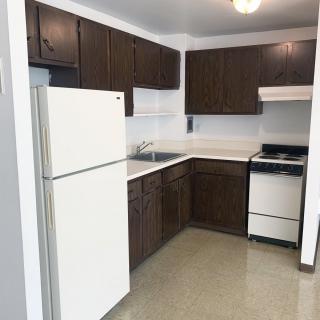
    • Kitchenette KitchenetteKitchenettes are important for seniors living in senior living communities because they provide the convenience and independence of being able to prepare simple meals and snacks in the comfort of their own living space. This can help promote a sense of autonomy and well-being for seniors, allowing them to maintain some level of control over their dietary choices and daily routines.
    • Laundry LaundryLaundry services are important for seniors as they may have difficulty with physical tasks such as bending, lifting, or carrying heavy loads. Having access to laundry services can help seniors maintain personal hygiene, cleanliness, and independence in their daily lives.
    • Move-in coordination Move-in coordinationMove-in coordination is important for seniors because it helps ease the transition into their new living environment. It ensures that all logistics, such as packing, organizing movers, and setting up utilities are taken care of, allowing seniors to focus on settling in and adjusting to their new home. Having a smooth move-in process can alleviate stress and anxiety, making the transition smoother and more enjoyable for seniors.
    • Outdoor space Outdoor spaceOutdoor spaces are important for seniors as they provide opportunities for physical activity, social interaction, exposure to natural light and fresh air, and a sense of connection to nature. Having access to outdoor spaces can improve overall well-being and quality of life for older adults living in senior communities.
    • Resident parking Resident parkingResident parking is crucial for seniors in a senior living community as it provides convenience, accessibility, and safety for residents who may have limited mobility or rely on personal vehicles for transportation. Having designated parking spaces ensures that seniors can easily access their homes without having to walk long distances or navigate crowded parking lots, ultimately enhancing their overall quality of life and sense of independence.
    • Respite or short term stays offered Respite or short term stays offeredRespite or short term stays provide seniors with a temporary solution when their regular caregiver is unavailable, offering them the opportunity to receive additional care and support during times of need, while also giving caregivers a chance to rest and recharge.
    • TV room TV roomTV rooms are important for seniors in senior living communities because they provide a space for social interaction, entertainment, and relaxation. Watching TV can help reduce feelings of loneliness and boredom, and create a sense of community among residents. Additionally, TV rooms offer a break from daily routines and can be a source of comfort and familiarity for seniors.
    • Telephone TelephoneTelephones are important for seniors as they provide a lifeline for communication with loved ones, emergency services, and healthcare providers. They offer a sense of security and independence, enabling seniors to stay connected and access assistance when needed.
    • Wi-Fi/high-speed internet available Wi-Fi/high-speed internet availableWi-Fi/high-speed internet is important for seniors to stay connected with loved ones, access online resources, and participate in virtual activities to combat feelings of loneliness and isolation. It also allows them to easily manage healthcare needs, access entertainment, and engage in lifelong learning opportunities.

    Care Services

    • 24-hour call system 24-hour call system24-hour call systems are important for seniors because they provide peace of mind and immediate assistance in case of emergencies. This technology ensures that help is always available, promoting safety and security for elderly individuals living alone or in assisted living facilities.
    • 24-hour supervision 24-hour supervision24-hour supervision is important for seniors to ensure their safety, well-being, and access to immediate assistance in case of emergencies or health issues. This constant support provides peace of mind for both seniors and their loved ones, allowing them to age in place with dignity and security.
    • Activities of daily living assistance Activities of daily living assistanceActivities of daily living assistance are important for seniors because they provide essential support with tasks such as eating, bathing, dressing, and mobility. This assistance helps seniors maintain their independence, dignity, and overall quality of life as they age.
    • Assistance with bathing Assistance with bathingAssistance with bathing is crucial for seniors as it helps maintain personal hygiene, prevents infections, and ensures their overall well-being and comfort. It also provides a sense of dignity and independence for seniors who may struggle with this task on their own.
    • Assistance with dressing Assistance with dressingAssistance with dressing is important for seniors because it helps maintain their independence, promotes personal hygiene, prevents accidents and injuries, and improves overall quality of life. This service ensures that seniors can continue to dress comfortably and confidently, despite any physical limitations they may have.
    • Assistance with transfers Assistance with transfersAssistance with transfers is crucial for seniors as it helps prevent falls and injuries, maintains their independence, and ensures they can safely navigate their living environment. It also provides peace of mind for both seniors and their loved ones.
    • Coordination with health care providers Coordination with health care providersCoordination with health care providers is crucial for seniors to ensure proper medical care, medication management, and overall well-being. This collaboration helps prevent overlapping treatments, track progress more effectively, and provide comprehensive support tailored to individual needs.
    • Diabetes diet Diabetes dietA diabetes diet is crucial for seniors as it helps manage blood sugar levels, reduce risks of complications, and improve overall health and well-being. By following a balanced and nutritious diet tailored to their specific needs, seniors can better control their diabetes and enhance their quality of life.
    • Meal preparation and service Meal preparation and serviceMeal preparation and service are crucial for seniors as they may have limited mobility or energy to cook nutritious meals. Having access to healthy and convenient food options can ensure they are getting the proper nutrition needed to maintain their overall health and well-being.
    • Medication management Medication managementMedication management is crucial for seniors to ensure they are taking the right medications at the correct dosages and times. This helps prevent adverse drug interactions, reduces the risk of medication errors, and promotes overall health and well-being. Proactive management also allows for adjustments as needed based on changing health conditions or new prescriptions.
    • Mental wellness program Mental wellness programMental wellness programs are essential for seniors as they promote cognitive stimulation, emotional support, and social engagement. These programs help prevent isolation, depression, and cognitive decline, ultimately enhancing the overall quality of life for older adults.
    • Special dietary restrictions Special dietary restrictionsSpecial dietary restrictions are important for seniors because age-related changes in metabolism and health conditions can make it difficult for their bodies to process certain foods. By following a diet tailored to their specific needs, seniors can maintain their overall health and well-being, manage chronic conditions, and reduce the risk of complications such as malnutrition or food interactions with medications.
    • Transportation arrangement (medical) Transportation arrangement (medical)Transportation arrangements for medical purposes are essential for seniors as they may have difficulty driving themselves to appointments or accessing public transportation. Having reliable and safe transportation options ensures that seniors can receive timely medical care and maintain their health and well-being.
    • Transportation to doctors appointments Transportation to doctors appointmentsTransportation to doctors' appointments is crucial for seniors as it ensures they have access to necessary medical care and support for their health needs. Without reliable transportation, seniors may struggle to attend important appointments, leading to potential delays in treatment and health complications. Providing transportation services helps seniors maintain their overall well-being and quality of life.

    Dining

    • Diabetes diet Diabetes dietA diabetes diet is crucial for seniors as it helps manage blood sugar levels, reduce risks of complications, and improve overall health and well-being. By following a balanced and nutritious diet tailored to their specific needs, seniors can better control their diabetes and enhance their quality of life.
    • Special dietary restrictions Special dietary restrictionsSpecial dietary restrictions are important for seniors because age-related changes in metabolism and health conditions can make it difficult for their bodies to process certain foods. By following a diet tailored to their specific needs, seniors can maintain their overall health and well-being, manage chronic conditions, and reduce the risk of complications such as malnutrition or food interactions with medications.

    Activities

    • Activities off-site Activities off-siteActivities off-site are crucial for seniors as they provide opportunities for socialization, mental stimulation, and physical activity outside of their usual routine. This helps combat feelings of isolation and boredom, promotes overall well-being, and allows seniors to remain engaged in the community.
    • Arts and crafts Arts and craftsEngaging in arts and crafts activities provides seniors with a creative outlet, promotes cognitive function, enhances dexterity and fine motor skills, fosters social interaction, and boosts overall well-being and mental health.
    • Community-sponsored activities Community-sponsored activitiesCommunity-sponsored activities are important for seniors as they provide opportunities for social interaction, mental stimulation, and physical activity. These activities can help improve overall well-being, combat loneliness and isolation, and promote a sense of belonging and purpose among older adults.
    • Cooking club Cooking clubCooking clubs are important for seniors as they provide social interaction, mental stimulation, and the opportunity to learn new recipes and cooking techniques. These clubs also promote healthy eating habits and can improve overall well-being and quality of life for seniors.
    • Educational speakers / life long learning Educational speakers / life long learningEducational speakers and lifelong learning opportunities are crucial for seniors as they provide mental stimulation, promote social engagement, and contribute to overall well-being. Continuous learning helps seniors stay mentally sharp, build new skills, and maintain a sense of purpose and fulfillment in their lives. It also allows them to stay connected to the world around them and fosters a sense of community within senior living facilities.
    • Games GamesGames are an essential part of senior living as they help promote cognitive function, social interaction, and overall well-being. Playing games can improve memory, concentration, and decision-making skills while also providing a fun and engaging way to connect with others. Seniors who participate in games regularly tend to experience higher levels of satisfaction and happiness in their daily lives.
    • Gardening club Gardening clubGardening clubs are important for seniors because they provide a sense of community, promote physical activity and mental well-being, and offer opportunities for socialization and connection with nature. Gardening can also improve cognitive function and overall quality of life for seniors.
    • Live musical performances Live musical performancesLive musical performances can provide seniors with a sense of joy, nostalgia, and connection. Music has the power to evoke emotions and memories, improve mood and cognitive function, and foster social interaction among seniors. It can also serve as a form of therapy and stress relief for older adults, making it an important activity to include in senior living communities.
    • Religious services Religious servicesReligious services provide seniors with a sense of community, support, and spiritual fulfillment, which can improve their overall well-being and mental health. It also offers them opportunities for socialization and connection with others who share their beliefs.
    • Scheduled daily activities Scheduled daily activitiesScheduled daily activities are important for seniors because they provide structure, socialization, mental stimulation, and physical activity. Engaging in regular activities can improve overall well-being and quality of life for seniors living in a community setting.
    • Wii bowling Wii bowlingWii bowling is important for seniors as it provides a fun and engaging way to stay active, socialize, and improve hand-eye coordination. It can help prevent isolation, boost mental well-being, and promote physical fitness in a safe and accessible manner.

    Languages Spoken

    • English EnglishEnglish is important for seniors as it allows them to communicate effectively with healthcare providers, understand important information related to their health and medications, stay connected with loved ones, and engage in social activities within their communities. It also opens up opportunities for lifelong learning and intellectual stimulation.
    • Spanish SpanishSpanish is an important language for seniors because it allows them to communicate effectively with caregivers, medical professionals, and others in their community who may speak Spanish as their primary language. It also provides opportunities for cultural enrichment and social connections.

    Description

    Southmayd Home in Waterbury, CT is an exceptional assisted living community that offers a range of care services and amenities to ensure the comfort and happiness of its residents. This board and care home provides 24-hour supervision and assistance with activities of daily living, including bathing, dressing, and transfers. The dedicated staff at Southmayd Home also coordinates with healthcare providers and helps manage medications for the residents.

    Residents at Southmayd Home can enjoy a variety of amenities designed to enhance their quality of life. These include a beauty salon where they can indulge in personal grooming and self-care, as well as cable or satellite TV in their fully furnished rooms for entertainment. The dining room offers delicious meals prepared according to special dietary restrictions, ensuring that everyone's nutritional needs are met. Additionally, there is a kitchenette available for those who prefer to cook their own meals.

    The community boasts beautiful outdoor spaces and gardens where residents can relax and enjoy the fresh air. There is also a general store on-site for any convenience needs. Wi-Fi/high-speed internet is provided throughout the premises so that residents can stay connected with loved ones or browse the web.

    Southmayd Home understands the importance of social engagement and offers a wide range of activities to keep residents entertained and mentally stimulated. From arts and crafts to educational speakers/life-long learning sessions, there is something for everyone's interests. Community-sponsored activities, cooking clubs, games, gardening clubs, live musical performances, religious services, scheduled daily activities, and even Wii bowling are available options for residents to participate in.

    For added convenience, transportation arrangements can be made for medical appointments or visits to doctors nearby. Residents will find comfort knowing that there are several cafes, parks, pharmacies, physicians' offices, restaurants nearby if they wish to explore outside of the community.

    Southmayd Home also welcomes Spanish-speaking individuals as staff members speak Spanish ensuring effective communication with all residents.

    Overall, Southmayd Home in Waterbury, CT offers a warm and inviting atmosphere where residents can receive personalized care, engage in meaningful activities, and enjoy a comfortable living environment.

    Nearby Places of Interest

    Restaurants

    • Frankie's Hot Dog (0.8 miles)
    • Burger King (0.8 miles)
    • Taco Bell (0.9 miles)
    • Wendy's (0.9 miles)
    • San Marino Ristorante Italiano (0.9 miles)
    • McDonald's (1 miles)
    • Tower Grill (1.3 miles)

    Pharmacies

    • Walgreens (1.1 miles)
    • Saint Mary's Hospital, Inpatient Pharmacy (1.2 miles)
    • CVS Pharmacy (1.7 miles)
    • Walgreens (2.3 miles)
    • CVS Pharmacy (2.5 miles)
    • CVS Pharmacy (3.4 miles)
    • CVS Pharmacy (4.9 miles)

    Physicians

    • Specialists In Women's Healthcare PC (1.2 miles)
    • Shetty Jay, MD (1.2 miles)
    • Ihsan I Jabbour (1.2 miles)
    • Bidarkote Somanath (1.2 miles)
    • Community Health Center (1.2 miles)
    • Rehabhealth PC (1.8 miles)
    • Quadrastep (2.5 miles)

    Hospitals

    • Naugatuck Valley Surgery Center (1.3 miles)
    • Saint Mary's Hospital (1.4 miles)
    • Saint Mary's Health System Affiliates (3.2 miles)
    • Hospital Of Central Connecticut At Bradley Memorial (9 miles)
    • The Wellspring Foundation (10.1 miles)

    Parks

    • Bucks Hill Park (1.9 miles)
    • Plymouth Green (7.7 miles)
    • Hollow Park (8.9 miles)
    • Lock 12 Historical Park (9.2 miles)
    • Norton Park (10.7 miles)
    • Hubbard Park (11.1 miles)

    Cafes

    • Riders Smokehouse Bar (2.5 miles)
    • Starbucks (9.7 miles)
    • Starbucks (9.9 miles)
    • Starbucks (10.4 miles)
    • Panera Bread (10.8 miles)
    • Aroma Joe's (11.4 miles)

    Theaters

    • AMC Starplex Cinemas Southington 12 (7.2 miles)

    Places of Worship

    • Church of Eternal Light (10.3 miles)

    Frequently Asked Questions

    What floor plans and room types does Southmayd Home offer?
    Where is Southmayd Home?
    What photos are available for Southmayd Home in Waterbury, Connecticut?

    Nearby Communities

    • Southmayd Home for Women

      Southmayd Home for Women

      Waterbury, CT

      4.7 from 35 reviews
      $1,800 to $1,950 / month

      pro Safe, caring, homelike environment with attentive staff.

    • Carriage Manor Retirement Home

      Carriage Manor Retirement Home

      Waterbury, CT


      pro 24/7 supervision with medication management and mental wellness programs.

    • Manor On Pine Street

      Manor On Pine Street

      Waterbury, CT


      pro 24-hour supervision and ADL support with medication management, healthcare coordination, transportation, and engaging activities.

    • Manor On Pine Street,  LLC

      Manor On Pine Street, LLC

      Waterbury, CT


      pro Convenient access to nearby healthcare, pharmacies, dining, and parks.

    • Nottingham Tower

      Nottingham Tower

      Waterbury, CT

      4.7 from 3 reviews
      $1,183 to $1,855 / month

      pro Clean, secure environment with attentive staff and affordable pricing.

    • Mattatuck Health Care Facility

      Mattatuck Health Care Facility

      Waterbury, CT

      1.5 from 2 reviews
       

      pro 24/7 supervision with comprehensive care and restaurant-style dining.

    • Elton Residential Care Home

      Elton Residential Care Home

      Waterbury, CT


      pro 24/7 supervision with diabetes care and on-site amenities.

    • The Ivy at Watertown

      The Ivy at Watertown

      Watertown, CT

      4.7 from 48 reviews
      $4,900 to $7,450 / month

      pro Warm, caring environment with attentive staff and engaging activities.

    • Apple Rehab Watertown

      Apple Rehab Watertown

      Watertown, CT

      3.1 from 44 reviews
       

      pro Caring, dedicated staff who provide attentive resident care.

    Related Resources

    • does medicaid pay for assisted livingHow and When Medicaid May Cover Assisted Living Costs

      Medicaid coverage for assisted living varies by state and is primarily available to low-income individuals, with eligibility dependent on strict income and asset limits. Some states offer HCBS waivers for specific services in assisted living, but families must generally cover room and board costs, and should verify facility acceptance of Medicaid while considering potential waiting lists.

    • assisted living waiver programA Detailed Exploration of Assisted Living Medicaid Waivers Across the United States

      Medicaid waivers for assisted living services provide vital support for seniors and individuals with disabilities in need of long-term care, with varying state-specific eligibility criteria and benefits. These waivers cover personal care and case management but often do not fully cover room and board, leading to waiting lists for many applicants.

    • assisted living for disabled adultsComprehensive Residential Support and Assisted Living Solutions for Individuals with Disabilities
      The article examines the complexities of assisted living for individuals with disabilities, emphasizing the need for tailored care solutions that enhance quality of life and social inclusion, while addressing financial challenges and advocating for community integration. It discusses various housing options, the importance of financial assistance through public benefits, and highlights trends towards integrated and technology-driven solutions in disability-focused housing.


    Get Pricing Ask A Question Schedule A Tour Contact Senior Advisor