

48 E. Farm Ln, Ridgefield, CT 06877
To contact a resident: (203) 893-7754
For more information about senior living options: (866) 208-4318
Overall Review of FirstLight HomeCare of Fairfield County
Pros
 John is patient and kind, putting families at ease during home health care assessments.
- John and the First Light team quickly match families with trustworthy, hardworking caregivers.
- The agency is responsive, professional, and able to place care quickly.
- The staff are consistently professional, attentive, and responsive.
- Caregivers go above and beyond to preserve dignity, independence, and comfort.
- The regular caregivers are highly experienced and genuinely caring.
- The owner and team demonstrate proactive communication and thorough updates.
- Families feel a strong sense of trust and reliable support from First Light.
- First Light is described as a top-notch, stress-reducing home care organization.
Cons
 Most of the caregivers were wonderful and some not so much.
- There were scheduling challenges, last-minute substitutions if a caretaker was sick, and challenges from the father's declining physical and mental health.
- It was disgusting to hear them speak of a dying man like that.
- The administration was a little disorganized due to lack of communication.
- One reviewer warned others to stay away from the agency, calling it horrible.
- Some caregivers were worried about starting with the father because staff would say "oh good luck" in a sarcastic manner.
- The family felt there was drama from the caregiver service during hospice.
Review
Best suited for families that want highly personalized, home-based support for an aging loved one who can stay at home with reliable, hands-on care. FirstLight HomeCare of Fairfield County stands out when immediate caregiver placement, owner-level involvement, and a warm, professional culture matter most. In Ridgefield, CT, the team delivers rapid start-ups, steady communication, and a focus on dignity and independence, with a track record of tailoring services to memory challenges, mobility limits, and routine needs. Clients report that care plans feel adaptive rather than rigid, with caregivers who become familiar with daily rhythms and preferences. This combination makes it a compelling option for long-term at-home living rather than transitions to assisted living, provided the family prioritizes a highly personal service model.
Those who may want to explore alternatives include families seeking stricter medical oversight from a medical-focused home health agency, or households where caregiver consistency is non-negotiable and back-office processes must be flawless with zero scheduling gaps. The agency's strength comes from close owner involvement and a reliance on skilled, engaged caregivers, but there are references to administrative disorganization and occasional scheduling hiccups. Price sensitivity also matters; while many families praise the value, some comparisons to larger, more standardized networks may lead certain buyers to prefer a larger agency with more uniform back-end systems. For families facing acute medical conditions or needing intensive daily nursing tasks, a different setup might be more suitable.
Key positives culminate in caregiver quality, responsiveness, and a genuine commitment to patient dignity. The owner, John, is repeatedly described as patient and dependable, able to find a trustworthy caregiver quickly and to substitute as needs change. Caregivers are praised for staying on top of shifts, monitoring changes, and communicating with families. Many reviews highlight 24/7 support, strong dementia- and memory-care understanding, and a team that can assist with complex tasks, feeding adaptations for swallowing issues, transport to medical visits, and advocacy during hospital stays. The rapport with families tends to be intimate, with staff who recall preferences and routines, reducing stress for everyone involved.
Yet the landscape is not flawless. A handful of reviewers note that not every caregiver meets the ideal standard, and that administration can feel disorganized at times, with last-minute substitutions and mixed communication. One harsh critique describes staff sarcasm toward a dying family member, a reminder that respectful, compassionate conduct is non-negotiable. While these issues appear episodic against a broader positive record, they underscore the importance of setting clear expectations, securing reliable back-up coverage, and appointing a dedicated care coordinator who can translate care plans into consistent day-to-day staffing.
Operational realities aside, the service model excels for dementia and memory-care needs, enabling patients to stay engaged in familiar routines and decisions. Reviews emphasize daily decision-making involvement, cognitive activities, and a home environment where caregivers focus on the client rather than constant screen time. The team acts as eyes and ears for families, coordinating with therapists and nurses, and supporting transportation, hospital visits, and medication reminders. The strongest signal is trust: families repeatedly say they would rely on FirstLight again, and many report relief knowing there is a dependable team who can step in when a family cannot be present.
Bottom line: FirstLight HomeCare of Fairfield County is a strong, compassionate choice for families prioritizing warmth, flexibility, and caregiver-to-client fit in a home setting. It works best when rapid placement, ongoing family communication, and highly personalized care align with expectations for independence and dignity. For households needing strict clinical oversight, foolproof administration, or lower cost through larger networks, alternatives deserve consideration. Prospective clients should meet with John and the care team, request caregiver profiles and back-up coverage options, review a written care plan, and discuss how memory, swallowing, and mobility needs will be addressed over time. A well-informed decision will turn a home-care plan into steady support that preserves comfort and autonomy.
 Westchester Cty (20 miles away)




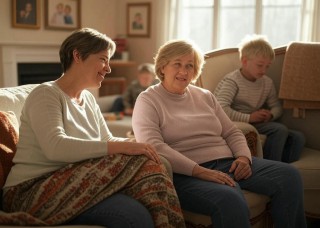 Understanding the Sandwich Generation: Stress and Responsibilities for Multigenerational Caregivers
 8 Essential Assistive Devices for Older Adults
 Navigating the Financial Road to Nursing Home Care: In-Depth Guidance and Resources