Hcr Manorcare in Farmington, CT

Information last verified:

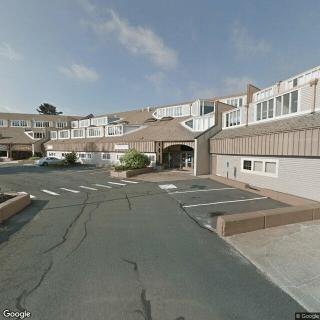
45 South Road, Farmington, CT 06032

For more information about senior living options: (844) 490-3973

4.6 from 36 reviews
5 stars
32
4 stars
1
3 stars
0
2 stars
0
1 stars
3

Seniors.FYI Elite Community Awards

Top 5% Senior Living Community in 2024

Add this award to your website

Overall Review of Hcr Manorcare

Pros

  • pro Arden Courts Farmington is a great community.
  • pro The staff are kind, patient, and attentive.
  • pro Hollis is knowledgeable and supportive.
  • pro RN Holly is intelligent, patient, and a great advocate for residents.
  • pro The recreation department, Christine and Donovan, are warm, involved, and imaginative, forming a team with big hearts.
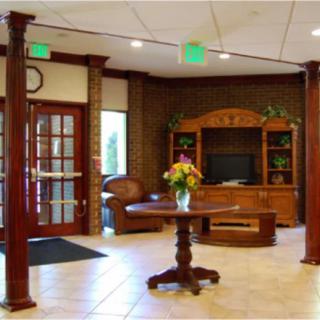
  • pro The facility is clean, organized, and well maintained.
  • pro Julie, a CNA, is kind, helpful, and leaves a lasting impression.
  • pro The staff consistently deliver a high standard of care and treat residents like family.

Cons

  • pro There were obvious signs of neglect and lack of care.
  • pro This place double briefs and lies about their employees.
  • pro They wash all the urine and poop clothes of all the residents together.
  • pro No transition support, unprofessional staff, did not keep her medications regulated, restrained her so she could not freely go to the bathroom; the communication was horrible.

Review

Arden Courts of Farmington is best suited for families facing dementia care decisions who want a memory-focused environment where staff know residents by name, routines are predictable, and living spaces feel like a home rather than a hotel. It works for those who value intimate wings, consistent caregiver assignments, and programming that centers on engagement, safety, and dignity. If the goal is a large, resort-style campus with broad medical services or a more independent, non-memory-care atmosphere, this community will feel misaligned. The model is not about showroom polish; it is about a purposeful, dementia-centered cadence that supports residents’ autonomy within a clearly defined safety framework.

Those weighing alternatives should consider who may not thrive here. Families seeking highly medicalized supervision or immediate access to hospital-level care may look elsewhere, as Arden Courts concentrates on memory care with specialized staff rather than acute medical care. A handful of reviews over the years describe concerns around consistency, oversight, and occasional lapses in communication; while many families report standout experiences, these voices signal the importance of verifying current leadership, staffing stability, and daily care protocols during tours. For some, a more structured security approach, rather than the “unlocked doors” sense of exploration described by residents’ families, can be a decisive factor. In short, this is a strong fit for memory care only if the team’s reliability and day-to-day execution meet expectations.

The strongest pro-arguments hinge on care philosophy aligned with living space. Arden Courts excels at dementia-specific programming delivered in a small-scale, home-like environment that reduces confusion and supports independence. The four “houses” nurture continuity, caregivers learn each resident’s quirks, routines, and triggers quickly, so response times and personalized interactions feel almost seamless. Residents participate in frequent activities, live performances, discussions, and gentle physical activity, which translates into better engagement and mood for many. The grounds and indoor porches invite safe wandering, while staff concentrate on meaningful purpose rather than chore-like tasks, a combination families cite as essential for maintaining dignity and social connection.

Leadership and front-line staff receive consistent praise. A manager who leads with visibility, coupled with nursing leadership that emphasizes clear communication, creates a climate where families feel informed rather than in the dark. Repeated messages highlight caregivers who are patient, compassionate, and committed to residents’ well-being. Names surface repeatedly, Julie, Dzevida, Kim, Emma, Minnie, Anna, Jerry, and others, becoming recognizable faces that help residents settle and families gain confidence. The benefit of this model is not only the care plan but the cultural environment: a place where staff genuinely know who the resident is, what they like, and how to involve them in activities that matter.

Yet the path includes cautions that deserve disciplined scrutiny. Rooms are intentionally compact to support safety and reduce spatial overwhelm, which can feel limiting to families accustomed to larger accommodations. Some reviews allege past neglect or disorganization, while others point to improvements under newer administration and a more stable staff cadre. Prospective families should press for current metrics: nurse-to-resident ratios, daily care planning processes, and how shifts are staffed across wings. A candid on-site evaluation should also probe the facility’s medication management, transition support during changes in condition, and the mechanism for timely updates to families. The prudent approach is to balance a personal visit with concrete questions about operational consistency before committing.

In the end, Arden Courts of Farmington stands out as a leading option for memory care in the Farmington area when the priority is dementia-centered care delivered in a warm, community-focused setting. It shines where tailored programming, meaningful activity, and staff continuity align with the family’s expectations for dignity, safety, and social connection. Alternatives are worth examining if the family requires higher-acuity medical oversight, stricter security protocols, or a more expansive living environment. For families choosing dementia-focused care, with desire for a compassionate, hands-on team and a home-like atmosphere, Arden Courts provides a well-supported path that can transform a daunting transition into a manageable, hopeful journey.

Features

Housing

  • 22 resident community capacity 22 resident community capacity

Types of Care

  • Assisted Living Assisted LivingAssisted living facilities provide crucial support and care for seniors who may need help with daily tasks such as medication management, bathing, and meal preparation. These communities offer a safe and comfortable environment where seniors can maintain their independence while receiving the assistance they need to thrive in their golden years.
  • Board and Care Home Board and Care HomeBoard and care homes provide a smaller, more intimate setting for seniors who require assistance with daily tasks but do not need the level of care offered by a nursing home. They offer personalized care, meals, and social activities in a homelike environment, ensuring that seniors receive individualized attention and support in their golden years.

Amenities

  • Beauty salon Beauty salonBeauty salons are important for seniors because they provide a space for them to feel pampered, socialize, and maintain their personal grooming and hygiene. Regular visits to a beauty salon can help boost seniors' self-esteem and overall well-being.
  • Cable or satellite TV Cable or satellite TVCable or satellite TV is important for seniors because it provides entertainment, news, and companionship, helping to combat loneliness and boredom. It also offers a wide range of programming options tailored to different interests and preferences.
  • Dining room Dining roomDining rooms are important for seniors as they provide a space for socialization, connection, and nutritious meals. They offer opportunities for residents to bond over shared meals, foster a sense of community, and promote healthy eating habits. Dining rooms also ensure that seniors have access to well-balanced meals tailored to their dietary needs and preferences.
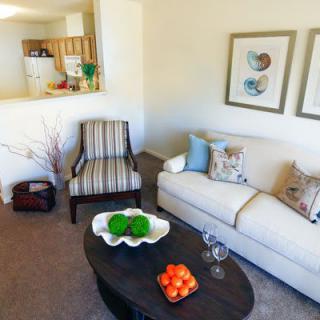
  • Fully furnished Fully furnishedFully furnished senior living communities are important for seniors because they provide convenience, comfort, and a hassle-free moving experience. Seniors can easily settle into their new living space without the stress of having to buy and move furniture. This allows them to focus on enjoying their new home and community.
  • Garden GardenGardens are important for seniors as they provide a peaceful and therapeutic environment for relaxation, physical activity, and socialization. Being in nature has been shown to reduce stress, improve mood, and promote overall well-being. Gardens also offer opportunities for seniors to engage in gardening activities, which can improve mobility, flexibility, and cognitive function. Additionally, gardens create a sense of community and connection with others who share a passion for plants and outdoor spaces.
  • Housekeeping services Housekeeping servicesHousekeeping services are important for seniors because they help maintain a clean and safe living environment, promote independence, and reduce the risk of accidents or illnesses. Additionally, having assistance with household chores can alleviate physical strain and allow seniors to focus on other aspects of their well-being.
  • Kitchenette KitchenetteKitchenettes are important for seniors living in senior living communities because they provide the convenience and independence of being able to prepare simple meals and snacks in the comfort of their own living space. This can help promote a sense of autonomy and well-being for seniors, allowing them to maintain some level of control over their dietary choices and daily routines.
  • Move-in coordination Move-in coordinationMove-in coordination is important for seniors because it helps ease the transition into their new living environment. It ensures that all logistics, such as packing, organizing movers, and setting up utilities are taken care of, allowing seniors to focus on settling in and adjusting to their new home. Having a smooth move-in process can alleviate stress and anxiety, making the transition smoother and more enjoyable for seniors.
  • Outdoor space Outdoor spaceOutdoor spaces are important for seniors as they provide opportunities for physical activity, social interaction, exposure to natural light and fresh air, and a sense of connection to nature. Having access to outdoor spaces can improve overall well-being and quality of life for older adults living in senior communities.
  • Telephone TelephoneTelephones are important for seniors as they provide a lifeline for communication with loved ones, emergency services, and healthcare providers. They offer a sense of security and independence, enabling seniors to stay connected and access assistance when needed.
  • Wi-Fi/high-speed internet available Wi-Fi/high-speed internet availableWi-Fi/high-speed internet is important for seniors to stay connected with loved ones, access online resources, and participate in virtual activities to combat feelings of loneliness and isolation. It also allows them to easily manage healthcare needs, access entertainment, and engage in lifelong learning opportunities.

Transportation

  • Bradley International (16 miles away) Bradley International (16 miles away)

Care Services

  • 24-hour call system 24-hour call system24-hour call systems are important for seniors because they provide peace of mind and immediate assistance in case of emergencies. This technology ensures that help is always available, promoting safety and security for elderly individuals living alone or in assisted living facilities.
  • 24-hour supervision 24-hour supervision24-hour supervision is important for seniors to ensure their safety, well-being, and access to immediate assistance in case of emergencies or health issues. This constant support provides peace of mind for both seniors and their loved ones, allowing them to age in place with dignity and security.
  • Activities of daily living assistance Activities of daily living assistanceActivities of daily living assistance are important for seniors because they provide essential support with tasks such as eating, bathing, dressing, and mobility. This assistance helps seniors maintain their independence, dignity, and overall quality of life as they age.
  • Assistance with bathing Assistance with bathingAssistance with bathing is crucial for seniors as it helps maintain personal hygiene, prevents infections, and ensures their overall well-being and comfort. It also provides a sense of dignity and independence for seniors who may struggle with this task on their own.
  • Assistance with dressing Assistance with dressingAssistance with dressing is important for seniors because it helps maintain their independence, promotes personal hygiene, prevents accidents and injuries, and improves overall quality of life. This service ensures that seniors can continue to dress comfortably and confidently, despite any physical limitations they may have.
  • Assistance with transfers Assistance with transfersAssistance with transfers is crucial for seniors as it helps prevent falls and injuries, maintains their independence, and ensures they can safely navigate their living environment. It also provides peace of mind for both seniors and their loved ones.
  • Coordination with health care providers Coordination with health care providersCoordination with health care providers is crucial for seniors to ensure proper medical care, medication management, and overall well-being. This collaboration helps prevent overlapping treatments, track progress more effectively, and provide comprehensive support tailored to individual needs.
  • Diabetes diet Diabetes dietA diabetes diet is crucial for seniors as it helps manage blood sugar levels, reduce risks of complications, and improve overall health and well-being. By following a balanced and nutritious diet tailored to their specific needs, seniors can better control their diabetes and enhance their quality of life.
  • Meal preparation and service Meal preparation and serviceMeal preparation and service are crucial for seniors as they may have limited mobility or energy to cook nutritious meals. Having access to healthy and convenient food options can ensure they are getting the proper nutrition needed to maintain their overall health and well-being.
  • Medication management Medication managementMedication management is crucial for seniors to ensure they are taking the right medications at the correct dosages and times. This helps prevent adverse drug interactions, reduces the risk of medication errors, and promotes overall health and well-being. Proactive management also allows for adjustments as needed based on changing health conditions or new prescriptions.
  • Mental wellness program Mental wellness programMental wellness programs are essential for seniors as they promote cognitive stimulation, emotional support, and social engagement. These programs help prevent isolation, depression, and cognitive decline, ultimately enhancing the overall quality of life for older adults.
  • Special dietary restrictions Special dietary restrictionsSpecial dietary restrictions are important for seniors because age-related changes in metabolism and health conditions can make it difficult for their bodies to process certain foods. By following a diet tailored to their specific needs, seniors can maintain their overall health and well-being, manage chronic conditions, and reduce the risk of complications such as malnutrition or food interactions with medications.
  • Transportation arrangement (medical) Transportation arrangement (medical)Transportation arrangements for medical purposes are essential for seniors as they may have difficulty driving themselves to appointments or accessing public transportation. Having reliable and safe transportation options ensures that seniors can receive timely medical care and maintain their health and well-being.
  • Transportation to doctors appointments Transportation to doctors appointmentsTransportation to doctors' appointments is crucial for seniors as it ensures they have access to necessary medical care and support for their health needs. Without reliable transportation, seniors may struggle to attend important appointments, leading to potential delays in treatment and health complications. Providing transportation services helps seniors maintain their overall well-being and quality of life.
Dining

  • Diabetes diet Diabetes dietA diabetes diet is crucial for seniors as it helps manage blood sugar levels, reduce risks of complications, and improve overall health and well-being. By following a balanced and nutritious diet tailored to their specific needs, seniors can better control their diabetes and enhance their quality of life.
  • Special dietary restrictions Special dietary restrictionsSpecial dietary restrictions are important for seniors because age-related changes in metabolism and health conditions can make it difficult for their bodies to process certain foods. By following a diet tailored to their specific needs, seniors can maintain their overall health and well-being, manage chronic conditions, and reduce the risk of complications such as malnutrition or food interactions with medications.

Activities

  • Community-sponsored activities Community-sponsored activitiesCommunity-sponsored activities are important for seniors as they provide opportunities for social interaction, mental stimulation, and physical activity. These activities can help improve overall well-being, combat loneliness and isolation, and promote a sense of belonging and purpose among older adults.
  • Scheduled daily activities Scheduled daily activitiesScheduled daily activities are important for seniors because they provide structure, socialization, mental stimulation, and physical activity. Engaging in regular activities can improve overall well-being and quality of life for seniors living in a community setting.

Description

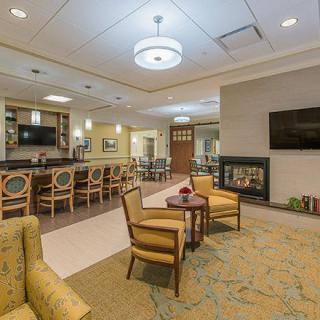
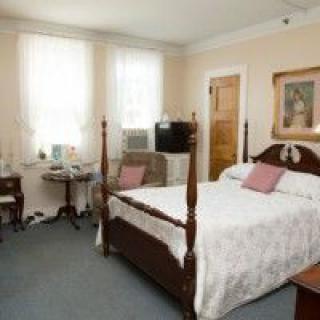
HCR Manorcare in Farmington, CT is an assisted living community that provides board and care home services to its residents. The community offers a range of amenities to ensure the comfort and well-being of its residents. Each room is fully furnished and equipped with cable or satellite TV, telephone, and Wi-Fi/high-speed internet access. There is also a dining room where residents can enjoy nutritious meals prepared by the staff.

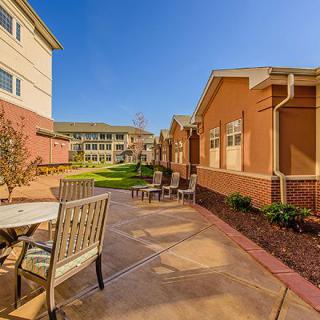
The community features a garden and outdoor space where residents can relax and enjoy the fresh air. Housekeeping services are provided to maintain cleanliness and tidiness. For those who want to cook their own meals, there is a kitchenette available. Move-in coordination is offered to assist new residents during the transition period.

With 24-hour supervision, residents receive assistance with activities of daily living such as bathing, dressing, and transfers. The staff at HCR Manorcare works closely with health care providers to coordinate medical needs for each resident. Special dietary restrictions, including diabetes diets, are accommodated in meal preparation and service.

The community promotes mental wellness through a dedicated program and ensures medication management for those requiring it. Transportation arrangements are made for medical appointments, ensuring that residents can access necessary healthcare services conveniently.

In terms of nearby amenities, HCR Manorcare offers easy access to several cafes, parks, pharmacies, physicians' offices, restaurants, places of worship, and hospitals. Residents can enjoy scheduled daily activities within the community or explore the surrounding area.

Overall, HCR Manorcare in Farmington provides a supportive environment where seniors receive personalized care and enjoy various amenities while being conveniently located near essential facilities and services.

Nearby Places of Interest

Physicians

  • Consulting Ophthalmologists (0.3 miles)
  • Umashanker Devika MD - Tallwood Men's Health (0.3 miles)
  • Pinnacle Men's Health of Hartford (0.5 miles)
  • UConn Dowling North (0.6 miles)
  • Jonathan Schreiber (0.7 miles)
  • Uconn Health System-Radiology (0.7 miles)
  • Lexington Cardiology Associates (3.4 miles)

Restaurants

  • Naples Pizza (1.5 miles)
  • P.F. Chang's China Bistro (1.9 miles)
  • McDonald's (2 miles)
  • Max Burger (3.6 miles)
  • Restaurant Bricco (3.7 miles)
  • Zohara (3.7 miles)
  • Barcelona Restaurant (3.8 miles)

Parks

  • Stanley Quarter Park (2.3 miles)
  • Wolcott Park (3.1 miles)
  • Fernridge Park (3.7 miles)
  • Mill Pond Park (4.2 miles)
  • Elizabeth Park (5.4 miles)
  • Norton Park (5.9 miles)
  • Sperry Park (6.4 miles)

Pharmacies

  • CVS Pharmacy (2.6 miles)
  • CVS Pharmacy (2.7 miles)
  • CVS Pharmacy (3.4 miles)
  • Walgreens (3.5 miles)
  • CVS Pharmacy (3.5 miles)
  • CVS Pharmacy (3.8 miles)
  • Med Stat Pharmacy (3.8 miles)

Hospitals

  • Newington Veterans Hospital (3.6 miles)
  • The Hospital of Central Connecticut Cancer Center (3.7 miles)
  • Menla Holistic Health (5.7 miles)
  • St Francis Hospital (6.1 miles)
  • Infectious Disease Division (6.4 miles)

Cafes

  • Starbucks (3.7 miles)
  • Starbucks (5 miles)
  • Aroma Joe's (5.7 miles)
  • The Coffee Trade (6.1 miles)
  • Dom's Coffee (6.1 miles)
  • Starbucks (6.3 miles)
  • Provision State Coffee (6.5 miles)

Places of Worship

  • Universalist Church of West Hartford (4.2 miles)
  • Emanuel Synagogue (6 miles)

Transportation

  • Amtrak (6.4 miles)
  • Union Station (6.7 miles)

Frequently Asked Questions

Where is Hcr Manorcare?

Nearby Communities

  • Arden Courts of Farmington

    Arden Courts of Farmington

    Farmington, CT

    4.7 from 61 reviews
    $8,100 to $8,965 / month

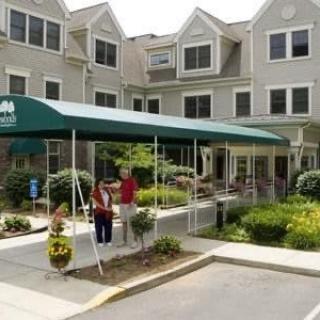
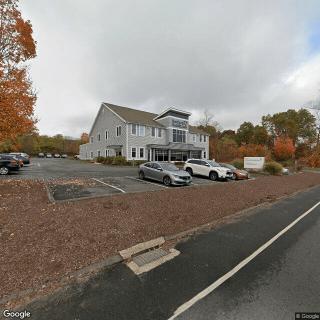
    pro Warm, homelike memory care with attentive staff and engaging activities.
  • Middlewoods of Farmington

    Middlewoods of Farmington

    Farmington, CT

    4.8 from 74 reviews
    $3,620 to $5,030 / month

    pro Warm, attentive staff with engaging activities and strong dining.

  • New England Nightingales Home Care Service

    New England Nightingales Home Care Service

    Farmington, CT

    5 from 1 review
     

    pro Great access to nearby healthcare and amenities.

  • Village at Yorkshire

    Village at Yorkshire

    Farmington, CT

    4.5 from 6 reviews
    $835 to $950 / month

    pro Affordable 55+ living with pet-friendly policy and convenient access to nearby parks, dining, and healthcare.

  • Amberwoods Of Farmington

    Amberwoods Of Farmington

    Farmington, CT

    4.4 from 134 reviews
     

    pro Compassionate staff and engaging rehab/activities.

  • Day Break

    Day Break

    Farmington, CT

    4.1 from 9 reviews
     

    pro Amenity-rich Farmington location with easy access to cafes, parks, pharmacies, restaurants, and hospitals.

  • Brookdale Gables Farmington

    Brookdale Gables Farmington

    Farmington, CT

    4.3 from 76 reviews
    $3,375 to $5,360 / month

    pro Friendly staff with good communication; pleasant grounds and spacious, well-equipped apartments with on-site activities.

  • Brookdale Chatfield

    Brookdale Chatfield

    West Hartford, CT

    4.3 from 79 reviews
    $3,455 to $6,350 / month

    pro Friendly, caring staff in a clean, home-like environment.

  • Jerome Home

    Jerome Home

    New Britain, CT

    4.1 from 36 reviews
    $3,100 to $4,550 / month

    pro Compassionate, well-trained staff in a clean, welcoming setting with engaging activities.

Related Resources

  • assisted living activitiesBeyond the Bingo Hall: 50+ Enriching Activities for Seniors in Assisted Living

    Assisted living communities offer diverse activities beyond traditional games to enhance seniors' physical health, cognitive well-being, emotional enrichment, and social connections, including fitness classes, creative expression, and intergenerational interactions. These enriching programs foster community bonds and support residents' independence and happiness.

  • assisted living vs memory careUnderstanding the Distinctions: Assisted Living and Memory Care Explained

    The article differentiates between assisted living and memory care, explaining that assisted living supports seniors with daily activities while promoting independence, whereas memory care provides specialized services for individuals with dementia, focusing on secure environments and cognitive support. It also addresses staff training, safety considerations, costs, family involvement, and transition strategies for families navigating these care options.

  • elderly parent refuses assisted livingGuiding Elderly Parents Who Refuse Assisted Living: 6 Practical Steps

    Family caregivers face emotional, legal, and practical challenges when elderly parents refuse assisted living, often due to fears of losing autonomy. Open conversations and professional assessments can help address these concerns while exploring alternatives and ensuring safety, potentially leading to legal guardianship if necessary.