
50 Southwick Court, Cheshire, CT 06410
To contact a resident: (203) 271-0255
For more information about senior living options: (866) 208-4318
Overall Review of Southwick at Cheshire
Cons
 Southwick at Cheshire is an over-55 condo community with no rental options.
- Residents must purchase their condo; renting is not available.
- There is no assisted living or meal service.
- There are few programs, especially compared to other health communities.
Review
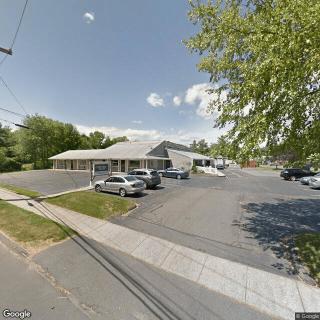
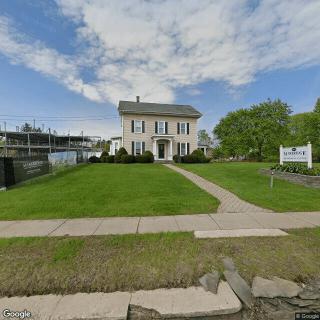
Southwick at Cheshire is best suited for independent seniors who want ownership and a low-maintenance, quiet retirement setting. It functions as an over-55 condo community where residents buy their individual units rather than rent, and there is no on-site assisted living, meals, or robust programming. It rewards those who value privacy, control over their living space, and the straightforward financials of condo ownership rather than ongoing care contracts. For someone who plans to live independently for the foreseeable future and wants to downsize into a property they can customize, this setting fits the bill. Its Cheshire, Connecticut location can appeal to retirees anchored in the area or seeking a small-town atmosphere with nearby services.
However, those who anticipate any need for daily support, regular meals, or structured social programming should look elsewhere. The absence of assisted living and meals means care and daily living services are not baked into the monthly package. Prospective residents who value service-rich environments, on-site staff, planned activities, health monitoring, will likely feel underserved. Even the option of non-medical visits or at-home caregivers falls outside the community’s standard offering, making it less suitable for anyone with advancing health concerns or a preference for built-in care options. In short, alternatives that bundle care with housing become more compelling as health or mobility needs change.
From a practical standpoint, the primary upside is ownership: each resident holds a condo, not a lease, which preserves equity and avoids rental escalators that plague some retirement settings. The lack of meals and programs can translate into lower ongoing costs initially and the freedom to arrange meals and activities on a personal schedule. The trade-off is clear: the community offers little in the way of social infrastructure or life enrichment, and residents must source services externally or rely on family support if needs arise. The setting also implies a potentially quieter, more private environment, with fewer on-site staff and a leaner operations model than full-service campuses.
Those accepting the trade-off will find that the autonomy of condo living can offset some downsides, provided health remains stable. Being able to tailor the living space, control visits from caregivers, and avoid shared dining or common-area fees can be appealing for self-sufficient seniors. Yet the main risk is aging in place without a safety net, no built-in meals, no routine wellness checks, and no guaranteed social programming. For families researching options, this means planning a robust external support network and a clear plan for meals, transportation, and daily assistance before committing.
Financially, the model is straightforward but not inexpensive: upfront condo purchases and ongoing HOA dues, property upkeep, and the absence of rental options can constrain flexibility. The available information points to limited value derived from the lack of services, since there is no guided programming or care services in the building. Prospective buyers should scrutinize HOA terms, monthly dues, and the true cost of external services they may need, such as meal delivery, housekeeping, or home health aides. The single review’s rating suggests that the practicality and appeal hinge on personal priorities; for anyone seeking a community with care and built-in programming, this choice falls short.
Bottom line: Southwick at Cheshire is not a care community but a private condo enclave for independent seniors who want ownership and a simple, quiet environment. It makes sense for those who prize autonomy, privacy, and the prospect of aging in place with minimal overhead, assuming health stability and a readiness to arrange meals and social activity outside the community. For decision-makers facing uncertain health trajectories or preferring the convenience of on-site services, alternatives such as assisted living or life-plan communities should be pursued. The recommended approach is to visit, talk with current residents about how meals, activities, and health needs are handled, and inventory all ongoing costs to determine whether the overall value aligns with long-term goals.
 Assisted Living
 Activities on-site
 Devotional services off-site
 Indoor common areas
 Ambulatory care
 Diabetic care
 Meals provided
 Well-maintained community with extensive amenities and engaging activities.



 When to Transition from Assisted Living to Memory Care: Key Indicators, Steps, and Finding the Right Community
 Assisted Living and Memory Care: Understanding Their Core Differences
 Beyond the Bingo Hall: 50+ Enriching Activities for Seniors in Assisted Living