Tammy And Martys Cozy Adult Care Home

523 West Cokedale Drive, Pueblo, CO 81007

For more information about senior living options: (844) 490-3973

2 from 4 reviews
5 stars
1
4 stars
0
3 stars
0
2 stars
0
1 stars
3

Assisted Living Board and Care Home Respite Care

What level of care are you interested in?

Assisted Living

Memory Care

Independent Living

Skilled Nursing Facility

Continuing Care Retirement Community (CCRC)CCRC

Other


Request a tour at Tammy And Martys Cozy Adult Care Home

    Overall Review of Tammy And Martys Cozy Adult Care Home

    Pros

    • pro The couple who owns the place seemed like a good fit.
    • pro Maybe they will be for you.

    Cons

    • pro The staff are rude to their residents.
    • pro They're lazy.
    • pro There is no accountability because the manager hired her family.
    • pro This place leaves urine and feces in their restrooms that their residents use and it dries there.
    • pro This place makes their residents sign a 35 page contract that they can't even follow.
    • pro They claim it is illegal for them to perform CPR on their residents.
    • pro This will greatly reduce the chances that their loved one survives.
    • pro The facility couldn't meet their dietary needs and restrictions.
    • pro They also ignored notes from physical therapists and physicians with regard to physical limitations and care needs that the facility should have been providing.
    • pro The facility is also supposed to be assisted living which means it is somewhat a healthcare facility and they are using dollar tree type of cleaners in there instead of healthcare facility grade cleaners.
    • pro Yells at the residents.
    • pro The owners are very manipulative and are very rude.

    Review

    A pattern emerges from the accounts shared by multiple reviewers about this assisted living facility: a place where residents are reportedly subjected to front-line neglect and unsafe conditions, with staff who are described as rude and unaccountable, and a management style that appears to rely on family ties rather than professional oversight. The overarching message is one of serious concern for the well-being and dignity of residents, with themes that recur across different testimonies: poor cleanliness and sanitation, questionable medical and caregiving practices, and a troubling environment created by staff and ownership dynamics. Collectively, the reviews paint a picture of a facility that reviewers say fails on basic standards of care and safety.

    Several reviewers state that the interaction with staff and management is a chronic source of distress. They describe longtime patterns of rudeness and laziness among staff who are supposed to care for vulnerable residents. A recurring accusation is that the manager hires her own family, which critics interpret as a built-in conflict of interest and a lack of appropriate accountability. One reviewer even questions who would fire their own children, implying that familial employment relationships undermine necessary oversight and responsiveness when problems arise. The net effect described is a climate in which residents' needs may be deprioritized or ignored, with little reassurance that issues will be properly addressed.

    Cleanliness and sanitation are repeatedly flagged as major problems. Reviewers allege that restrooms are routinely soiled with urine and feces, with such waste allowed to dry in place rather than being promptly cleaned. They point to the use of cleaners that one reviewer characterizes as "Dollar Tree type" products rather than healthcare-grade cleaners, a detail that underscores concerns about the level of sanitation in a setting that should adhere to higher standards. The implication is that hazardous conditions could pose real health risks to residents who rely on the facility for daily living and medical support.

    Care plans and medical needs are another focal point of criticism. Reviewers claim that residents sign lengthy contracts - described as a 35-page document - that they cannot meaningfully follow or understand, which raises questions about informed consent and realistic expectations. In particular, there are claims related to emergency care, specifically that the facility asserts it is illegal for them to perform CPR on their residents, which would dramatically affect how immediate medical emergencies are handled. One reviewer notes that their loved one's weight loss resulted from dietary needs and restrictions the facility could not meet, and that notes from physical therapists and physicians were ignored or inadequately acted upon. The combination of ignored medical guidance and restrictive or vague contractual terms is presented as evidence of systemic neglect rather than individualized care.

    Privacy and regulatory compliance issues are also highlighted. Several reviewers allege HIPAA violations, describing a period during which the facility audio- and video-recorded common areas without notifying residents or families. Although signage appeared later to indicate recording, the earlier lack of transparency is cited as a serious breach of residents' privacy rights. The shift to posting notices is framed as a corrective response to complaints rather than a proactive standard of practice. This issue contributes to a broader perception of a facility that is not fully aligned with regulatory expectations or residents' rights.

    The reviews also describe external interventions and responses from oversight bodies. One reviewer indicates that they filed a formal complaint with the Colorado Department of Health and Environment and consulted an ombudsman to advocate for the resident's interests. The changes that followed are portrayed as slow and compelled by pressure rather than prompted by consistent compliance, suggesting to these reviewers that improvements were reactive rather than self-initiated. The sense conveyed is that residents' families must actively pursue outside help to secure basic standards of care and safety.

    Additional narrations add layers to the overall concern. A separate account emphasizes ongoing cleanliness problems, describing residents who are made to take showers with fecal matter left on shower chairs, with staff who allegedly complain about caring for residents and about feeding them. The owners are depicted as manipulative and rude, and the repeated claim that the contract cannot be followed continues to surface. This reviewer's experience reinforces a view of a facility that appears to struggle with both day-to-day caregiving and stable, respectful interpersonal dynamics within the care team.

    In a deeply personal note, one reviewer shares a story involving a sister who has autism. The concern extends beyond general care quality to issues of autonomy, safety, and influence. The sister reportedly faced social pressures and power dynamics that led the reviewer to remove her from the facility. The reviewer describes having to hide hair clippers because of fears about their sister's vulnerability and the potential for coercive influence over someone with autism. The couple who own the facility is mentioned as being initially promising - partly because they themselves have a child with autism - yet this connection does not appear to have translated into a suitable or safe fit for the reviewer's sister. The closing sentiment leaves readers with a cautious takeaway: while some families might see a potential fit with this couple, the reviewer's experience serves as a warning about the particular risks for people with disabilities and the importance of careful, individualized assessment before placement.

    Taken together, these accounts convey a multifaceted portrait of a facility that many families feel is failing to meet essential standards of care, safety, and dignity. The stories emphasize not only immediate concerns - like unsanitary conditions and neglectful caregiving - but also systemic issues, including potential nepotism, inadequate responses to medical notes, violations or near-violations of privacy laws, and a pattern of needing outside advocacy to prompt action. For anyone considering this facility for a loved one, the narratives underscored by these reviewers recommend a cautious approach: verify current staffing practices, sanitation protocols, medical responsiveness, privacy protections, and, crucially, an alignment of care with the specific health and social needs of the resident before making a placement decision.

    Features

    Housing

    • 15 resident community capacity 15 resident community capacity

    Types of Care

    • Assisted Living Assisted LivingAssisted living facilities provide crucial support and care for seniors who may need help with daily tasks such as medication management, bathing, and meal preparation. These communities offer a safe and comfortable environment where seniors can maintain their independence while receiving the assistance they need to thrive in their golden years.
    • Board and Care Home Board and Care HomeBoard and care homes provide a smaller, more intimate setting for seniors who require assistance with daily tasks but do not need the level of care offered by a nursing home. They offer personalized care, meals, and social activities in a homelike environment, ensuring that seniors receive individualized attention and support in their golden years.
    • Respite Care Respite CareRespite care provides temporary relief for caregivers, allowing them to recharge and attend to their own needs. It also gives seniors the opportunity to socialize, receive professional care, and experience a change of scenery, promoting overall well-being and reducing feelings of isolation.

    Amenities

    • Cable or satellite TV Cable or satellite TVCable or satellite TV is important for seniors because it provides entertainment, news, and companionship, helping to combat loneliness and boredom. It also offers a wide range of programming options tailored to different interests and preferences.
    • Dining room Dining roomDining rooms are important for seniors as they provide a space for socialization, connection, and nutritious meals. They offer opportunities for residents to bond over shared meals, foster a sense of community, and promote healthy eating habits. Dining rooms also ensure that seniors have access to well-balanced meals tailored to their dietary needs and preferences.
    • Fully furnished Fully furnishedFully furnished senior living communities are important for seniors because they provide convenience, comfort, and a hassle-free moving experience. Seniors can easily settle into their new living space without the stress of having to buy and move furniture. This allows them to focus on enjoying their new home and community.
    • Garden GardenGardens are important for seniors as they provide a peaceful and therapeutic environment for relaxation, physical activity, and socialization. Being in nature has been shown to reduce stress, improve mood, and promote overall well-being. Gardens also offer opportunities for seniors to engage in gardening activities, which can improve mobility, flexibility, and cognitive function. Additionally, gardens create a sense of community and connection with others who share a passion for plants and outdoor spaces.
    • Housekeeping services Housekeeping servicesHousekeeping services are important for seniors because they help maintain a clean and safe living environment, promote independence, and reduce the risk of accidents or illnesses. Additionally, having assistance with household chores can alleviate physical strain and allow seniors to focus on other aspects of their well-being.
    • Move-in coordination Move-in coordinationMove-in coordination is important for seniors because it helps ease the transition into their new living environment. It ensures that all logistics, such as packing, organizing movers, and setting up utilities are taken care of, allowing seniors to focus on settling in and adjusting to their new home. Having a smooth move-in process can alleviate stress and anxiety, making the transition smoother and more enjoyable for seniors.
    • Outdoor space Outdoor spaceOutdoor spaces are important for seniors as they provide opportunities for physical activity, social interaction, exposure to natural light and fresh air, and a sense of connection to nature. Having access to outdoor spaces can improve overall well-being and quality of life for older adults living in senior communities.
    • Telephone TelephoneTelephones are important for seniors as they provide a lifeline for communication with loved ones, emergency services, and healthcare providers. They offer a sense of security and independence, enabling seniors to stay connected and access assistance when needed.
    • Wi-Fi/high-speed internet available Wi-Fi/high-speed internet availableWi-Fi/high-speed internet is important for seniors to stay connected with loved ones, access online resources, and participate in virtual activities to combat feelings of loneliness and isolation. It also allows them to easily manage healthcare needs, access entertainment, and engage in lifelong learning opportunities.

    Transportation

    • Pueblo Memorial (14 miles away) Pueblo Memorial (14 miles away)

    Care Services

    • 24-hour supervision 24-hour supervision24-hour supervision is important for seniors to ensure their safety, well-being, and access to immediate assistance in case of emergencies or health issues. This constant support provides peace of mind for both seniors and their loved ones, allowing them to age in place with dignity and security.
    • Activities of daily living assistance Activities of daily living assistanceActivities of daily living assistance are important for seniors because they provide essential support with tasks such as eating, bathing, dressing, and mobility. This assistance helps seniors maintain their independence, dignity, and overall quality of life as they age.
    • Assistance with bathing Assistance with bathingAssistance with bathing is crucial for seniors as it helps maintain personal hygiene, prevents infections, and ensures their overall well-being and comfort. It also provides a sense of dignity and independence for seniors who may struggle with this task on their own.
    • Assistance with dressing Assistance with dressingAssistance with dressing is important for seniors because it helps maintain their independence, promotes personal hygiene, prevents accidents and injuries, and improves overall quality of life. This service ensures that seniors can continue to dress comfortably and confidently, despite any physical limitations they may have.
    • Assistance with transfers Assistance with transfersAssistance with transfers is crucial for seniors as it helps prevent falls and injuries, maintains their independence, and ensures they can safely navigate their living environment. It also provides peace of mind for both seniors and their loved ones.
    • Coordination with health care providers Coordination with health care providersCoordination with health care providers is crucial for seniors to ensure proper medical care, medication management, and overall well-being. This collaboration helps prevent overlapping treatments, track progress more effectively, and provide comprehensive support tailored to individual needs.
    • Diabetes diet Diabetes dietA diabetes diet is crucial for seniors as it helps manage blood sugar levels, reduce risks of complications, and improve overall health and well-being. By following a balanced and nutritious diet tailored to their specific needs, seniors can better control their diabetes and enhance their quality of life.
    • Meal preparation and service Meal preparation and serviceMeal preparation and service are crucial for seniors as they may have limited mobility or energy to cook nutritious meals. Having access to healthy and convenient food options can ensure they are getting the proper nutrition needed to maintain their overall health and well-being.
    • Medication management Medication managementMedication management is crucial for seniors to ensure they are taking the right medications at the correct dosages and times. This helps prevent adverse drug interactions, reduces the risk of medication errors, and promotes overall health and well-being. Proactive management also allows for adjustments as needed based on changing health conditions or new prescriptions.
    • Special dietary restrictions Special dietary restrictionsSpecial dietary restrictions are important for seniors because age-related changes in metabolism and health conditions can make it difficult for their bodies to process certain foods. By following a diet tailored to their specific needs, seniors can maintain their overall health and well-being, manage chronic conditions, and reduce the risk of complications such as malnutrition or food interactions with medications.
    • Transportation arrangement (medical) Transportation arrangement (medical)Transportation arrangements for medical purposes are essential for seniors as they may have difficulty driving themselves to appointments or accessing public transportation. Having reliable and safe transportation options ensures that seniors can receive timely medical care and maintain their health and well-being.
    • Transportation to doctors appointments Transportation to doctors appointmentsTransportation to doctors' appointments is crucial for seniors as it ensures they have access to necessary medical care and support for their health needs. Without reliable transportation, seniors may struggle to attend important appointments, leading to potential delays in treatment and health complications. Providing transportation services helps seniors maintain their overall well-being and quality of life.

    Dining

    • Diabetes diet Diabetes dietA diabetes diet is crucial for seniors as it helps manage blood sugar levels, reduce risks of complications, and improve overall health and well-being. By following a balanced and nutritious diet tailored to their specific needs, seniors can better control their diabetes and enhance their quality of life.
    • Special dietary restrictions Special dietary restrictionsSpecial dietary restrictions are important for seniors because age-related changes in metabolism and health conditions can make it difficult for their bodies to process certain foods. By following a diet tailored to their specific needs, seniors can maintain their overall health and well-being, manage chronic conditions, and reduce the risk of complications such as malnutrition or food interactions with medications.

    Activities

    • Community-sponsored activities Community-sponsored activitiesCommunity-sponsored activities are important for seniors as they provide opportunities for social interaction, mental stimulation, and physical activity. These activities can help improve overall well-being, combat loneliness and isolation, and promote a sense of belonging and purpose among older adults.
    • Scheduled daily activities Scheduled daily activitiesScheduled daily activities are important for seniors because they provide structure, socialization, mental stimulation, and physical activity. Engaging in regular activities can improve overall well-being and quality of life for seniors living in a community setting.

    Description

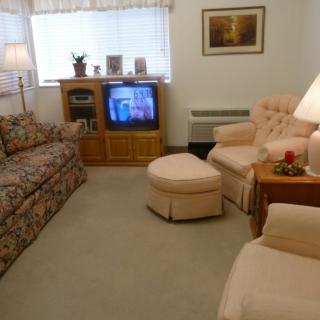
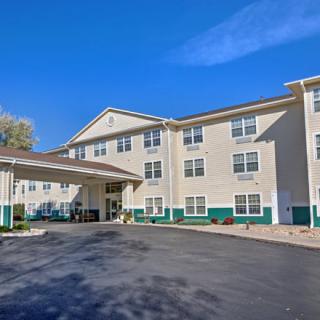
    Tammy And Marty's Cozy Adult Care Home in Pueblo, CO is a warm and welcoming assisted living community that offers a range of services to meet the needs of its residents. This cozy care home provides a comfortable and homelike environment for adults who require assistance with daily living activities.

    Our dedicated staff is committed to providing individualized care and support to each resident. We offer board and care services, ensuring that our residents have access to comfortable accommodations and a fully furnished living space. The dining room allows residents to enjoy delicious meals prepared by our skilled staff, while accommodating special dietary restrictions.

    At Tammy And Marty's Cozy Adult Care Home, we understand the importance of social engagement and staying active. Our scheduled daily activities provide opportunities for our residents to participate in stimulating and enjoyable experiences. We also prioritize maintaining connections with health care providers, assisting with medication management, coordinating transportation arrangements for medical appointments, and offering diabetes diet support.

    The amenities at our care home further enhance the comfort and convenience of our residents' lives. With Wi-Fi/high-speed internet access available throughout the premises, staying connected with loved ones or engaging in online activities becomes effortless. Our outdoor space and garden provide a peaceful retreat where residents can relax amidst nature.

    Located in close proximity to pharmacies, physicians, restaurants, places of worship, and hospitals ensures easy access to essential services for both medical needs and leisurely outings.

    At Tammy And Marty's Cozy Adult Care Home, we are committed to providing exceptional care while fostering independence and promoting well-being among our residents. Come experience the warmth and comfort of our community as we strive to make every day fulfilling and joyful for those under our care.

    Nearby Places of Interest

    Physicians

    • Small World Pediatrics (0.5 miles)
    • McCreight Kasey Scott MD Parkview Family Medicine (1.2 miles)
    • Hanson Clinic (2.5 miles)
    • Pueblo West Primary Care (2.5 miles)
    • Retina Consultants of Southern Colorado PC (4.8 miles)
    • Maple Leaf Orthopedics (4.9 miles)
    • Pueblo Cardiology (4.9 miles)

    Restaurants

    • Pass Key Restaurant (1.4 miles)
    • Pho 50 (2.5 miles)
    • Wendy's (2.6 miles)
    • McDonald's (2.8 miles)
    • Nature and Raptor Center of Pueblo (5 miles)
    • Park East Restaurant (6.4 miles)
    • Pizza Hut (6.5 miles)

    Places of Worship

    • Southern Baptist Convention (1.9 miles)
    • Jehovah's Witnesses North Pueblo West Congregation (2.3 miles)
    • Church (5.2 miles)
    • 186 K Student Ministries (5.2 miles)
    • Lady Of The Meadows (6.4 miles)
    • Temple Baptist Church (6.8 miles)
    • Victory World Outreach of Pueblo (7.3 miles)

    Pharmacies

    • Walgreens (2.7 miles)
    • Safeway Pharmacy (2.9 miles)
    • Walgreens (6.4 miles)
    • Walmart Pharmacy (6.6 miles)
    • Albertsons Pharmacy (6.6 miles)
    • Sav-On Pharmacy (6.6 miles)
    • Strawberry Fields (7.2 miles)

    Hospitals

    • Parkview West (2.7 miles)
    • I Care Vision Center (6.5 miles)
    • Association-Independent Dentst (6.6 miles)
    • Cmhip Hsfi (6.6 miles)
    • Open Mri of Pueblo (6.7 miles)
    • Children's Hospital (7.2 miles)
    • Southern Colorado Clinic Urgent Care (7.4 miles)

    Cafes

    • Starbucks (6.6 miles)
    • Starbucks (7.1 miles)
    • Starbucks (7.2 miles)

    Frequently Asked Questions

    Where is Tammy And Martys Cozy Adult Care Home?

    Nearby Communities

    Related Resources

    • when to move from assisted living to nursing home8 Key Indicators That Suggest It May Be Time to Transition from Assisted Living to Skilled Nursing Care

      The transition from assisted living to skilled nursing care is often prompted by complex medical needs that assisted living cannot meet, with key indicators including frequent health declines, increased falls, severe memory issues, and caregiver burnout. Families should recognize these signs early to discuss options with healthcare providers and prepare for the emotional and logistical aspects of moving to a facility that offers comprehensive medical support.

    • active senior livingVibrant Senior Living: A Comprehensive Guide for Active Older Adults

      Vibrant Senior Living emphasizes active senior living communities that promote independence and engagement through diverse amenities and activities, fostering wellness and social interaction among older adults. These communities range from independent to assisted living, with a focus on personal growth, family involvement, financial planning, and leveraging technology to enhance residents' experiences.

    • when to move from assisted living to memory careWhen to Transition from Assisted Living to Memory Care: Key Indicators, Steps, and Finding the Right Community

      Transitioning from assisted living to memory care is driven by an individual's cognitive decline and specific needs, requiring careful evaluation of indicators like increased confusion and wandering. The process involves consulting medical professionals, researching suitable communities, considering financial and legal aspects, and ensuring effective communication for personalized care plans.


    Get Pricing Ask A Question Schedule A Tour Contact Senior Advisor