

606 W Abriendo Ave, Pueblo, CO 81004
To contact a resident: (719) 543-3439
For more information about senior living options: (866) 208-4318
Overall Review of Lohse's New Life Home
Pros
 The staff take great care of residents.
- The facility is great.
- The neighborhood is nice.
- It is such a great place.
- The facility is excellent.
Cons
 They were disappointed with how they handled themselves after a resignation, saying the actions were not above board.
- They found the facility not wheelchair accessible.
- They claimed staff did not assist with a mattress pad after multiple requests.
- They criticized the meals, noting cold cereals most mornings, undercooked biscuits, too much corn, and that snacks were the residents’ responsibility to buy.
- They stated they know nothing about it.
Review
Lohse's New Life Home in Pueblo, CO is best suited for seniors who want a warm, home-like atmosphere with attentive, personal care and a pleasant neighborhood setting. It appeals to families prioritizing daily hands-on support and a facility that feels less institutional and more like a comfortable residence. This community shines for residents who can move about without strict accessibility needs and who are satisfied with a setting that emphasizes care atmosphere and a well-kept environment. Those whose independence hinges on full wheelchair accessibility, or who require highly structured, guaranteed meal programs and consistent dietary standards, should look at other options first.
Those considering alternatives should focus on mobility constraints, governance and ethics concerns, and systematic meal program expectations. If wheelchair access is non-negotiable, or if governance transparency and proactive leadership matter deeply, this may not be the right fit. Families seeking a robust, predictable dining program with clearly defined menus, inclusive snacking, and meals prepared to consistently high standards will want to compare with communities that offer turnkey nutrition services. Similarly, if staff responsiveness to routine requests or ethically sound administrative handling are deal-breakers, exploring other facilities is prudent.
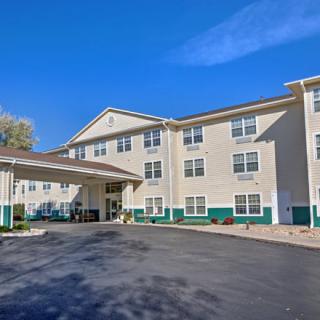
On the positive side, the standout strength is evident care, families report that staff take meaningful, attentive steps to look after loved ones, and the facility itself is described as a strong, well-maintained place. The overall ambiance and the neighborhood context contribute to peace of mind for many families, especially when a loved one values a homelike feel and consistent daily routines. These factors can translate into quieter days, more familiar surroundings, and a sense of security about the day-to-day experience. In such cases, the emotional comfort of a well-regarded staff and a pleasant setting often offsets some practical imperfections.
The main drawbacks center on accessibility, meal service, and governance impressions. The facility is not wheelchair accessible, a reality that can create real friction for residents who rely on mobility aids. Basic tasks, such as helping a resident with a mattress pad, have reportedly required multiple staff interventions, signaling gaps in responsiveness. Meal quality and inclusivity are another concern: residents are expected to cover snacks themselves, and critiques point to breakfast consisting of cold cereal and biscuits that may be undercooked, with too much corn in the mix. Taken together, these issues can undercut the daily satisfaction of residents who depend on predictable nutrition, assistive features, and reliable staff action.
Protagonists of Lohse’s New Life Home will find that the strong personal care and the favorable environment can offset some imperfect elements, but not all. The good care and approachable setting provide meaningful value for families who prioritize emotional comfort, a sense of routine, and a nurturing staff ethos. However, when mobility needs are higher or when nutrition must be tightly managed, these advantages thin. Families should measure how much they can overlook or manage the cons with in-house adjustments, versus the need to move to a facility with guaranteed accessibility and a more rigorous dining program, including snacks and dietary planning.
The practical takeaway is clear. This community is a reasonable choice for seniors who value compassionate care and a pleasant, safe home-like atmosphere and who do not require comprehensive accessibility features or absolute dietary guarantees. For those with significant mobility restrictions or tight dietary expectations, or for families who want demonstrable governance standards and prompt, transparent handling of staff and policy matters, alternatives should be actively explored. Prospective families should demand concrete responses: an accessibility plan, a sample menu with nutrition details, and a written policy on staff conduct and leadership accountability. Schedule tours, request recent resident references, observe mealtime interactions, and confirm what supports exist for daily task assistance.
 Board and Care Home
 Pueblo Memorial (7 miles away)





 Highly Beneficial Low-Impact Exercises for Senior Living Residents
 Is In-Home Healthcare Tax Deductible? Your Comprehensive Guide
 Nurturing Well-Being Through Gardening: A Detailed Guide for Senior Enthusiasts