
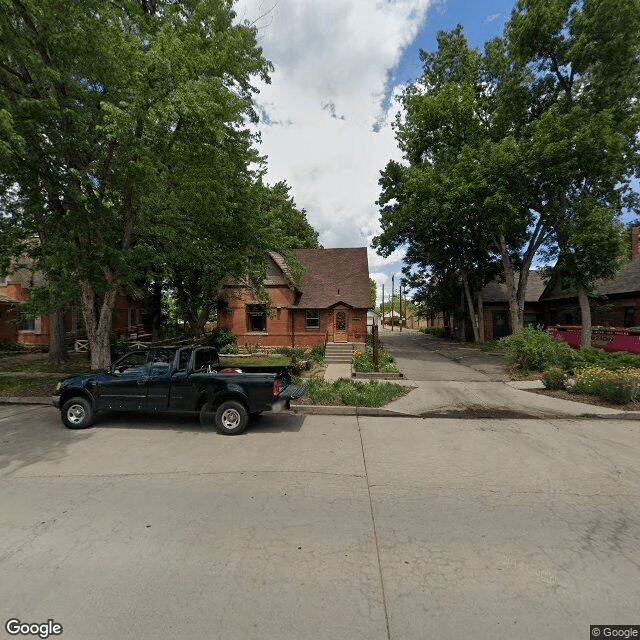
231 W 4th St, Loveland, CO 80537
To contact a resident: (970) 669-9093
For more information about senior living options: (866) 208-4318
Sanctuary Costs & Pricing
The Sanctuary offers a private room at a monthly cost of $5,800, which notably exceeds the average rates found in both Weld County and the broader state of Colorado. In comparison, Weld County's private room rate is approximately $4,032, while the overall state average stands at around $4,142. This significant difference may reflect the Sanctuary's unique offerings or specialized services that justify the higher price point. Potential residents should consider what additional value or amenities are included in their stay at Sanctuary when evaluating this investment against local alternatives.
| Floor plans | Sanctuary | Weld County | Colorado |
|---|---|---|---|
| Private | $5,800 | $4,032 | $4,142 |
Senior living communities with a similar price nearby
-
from +$175 / mo

Seven Lakes Memory Care
$5,975 to $6,900 / month2.8 miles away -
from -$1065 / mo
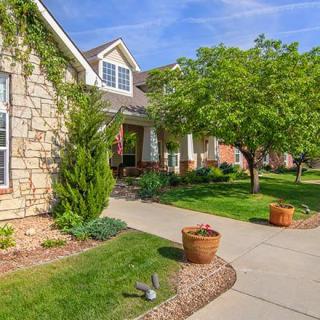
Brookdale Longmont
$4,735 to $5,270 / month13.7 miles away -
from +$500 / mo

Aspens at Fort Collins
$6,300 to $8,750 / month12.9 miles away -
from -$410 / mo

MeadowView of Greeley
$5,390 to $7,270 / month15.4 miles away -
from -$950 / mo

MacKenzie Place - Fort Collins
$4,850 to $6,440 / month8.8 miles away
Overall Review of Sanctuary
Pros
 The facility is clean and has a cool thrift-store vibe.
- The center offers a food pantry and affordable clothing, helping those in need.
- The organization is a valuable asset to the community, offering resources for people from all walks of life.
- Its positive atmosphere benefits visitors even if they don’t require assistance.
- The life center staff are consistently kind and helpful.
Cons
 They have been living in their car for four days due to disabilities, unable to tolerate temperatures above 75°F.
 - They have endured four days with temperatures over 85°F.
- They have had two hospital emergencies while waiting for help.
Review
Sanctuary in Loveland, CO is best suited for people who crave a well-kept, welcoming community hub where affordability and practical assistance take center stage. The program is clearly oriented toward aiding those who need food, clothing, and a friendly social environment more than it is toward housing or clinical care. For families evaluating long-term care, Sanctuary serves as a valuable gateway to services, but it is not a substitute for an assisted living arrangement. Those whose primary need is licensed caregiving, 24/7 supervision, mobility support, or memory care should consider alternatives immediately. This nuance sets the stage for informed decisions.
From a functional standpoint, the site earns trust on the basics: a clean facility that feels orderly, with a thrift store that doubles as a community resource. The presence of a food pantry and low-priced clothing is not incidental but central to its mission, and the reviews repeatedly highlight how these offerings extend household budgets and dignity. Even visitors who do not require assistance describe the environment as positive and welcoming. The combination of practical access to essentials and a respectful atmosphere can reduce stress for families who are strain-testing finances while navigating other care needs elsewhere. The thrift operation isn’t mere ornament; it directly lowers daily living costs and demonstrates sustainability in serving a broad community.
Another real strength is the breadth of supportive resources the center purports to offer. Descriptions of staff as kind and helpful reinforce a culture of courtesy and encouragement. The site is cast as a community asset, capable of connecting people to a wide range of services beyond food and clothing. For families, this means a potential stopgap to stabilize a rough patch, an accessible, in-person touchpoint where information about housing, benefits, and local programs can be learned without a long appointment process. The sentiment that the place benefits individuals from all walks of life adds to the sense that users are treated with respect, regardless of need level. That atmosphere matters when juggling multiple care options and trying to preserve dignity amid tight budgets.
The most pressing caveat is the mismatch between Sanctuary’s services and the needs of someone requiring ongoing housing or medical-level support. The stark report of a person living in a car for days due to disabilities, waiting for help that did not arrive promptly and culminating in hospital visits, is not a footnote. It signals real gaps in crisis responsiveness and capacity. This is not a failure of kindness but a clear reminder that the operation’s bandwidth is limited. In practical terms, the center should not be counted on as a crisis-respite or long-term accommodation solution; its core function remains resource referral and gentle, community-based assistance, not ongoing care supervision or emergency housing. Families must have a concrete plan for urgent needs outside Sanctuary if the situation demands it.
So, how should families weigh Sanctuary against traditional assisted living? The key is to lean on the pros as a stabilizing, cost-conscious support while recognizing the non-negotiable gap in care and housing. The facility’s clean environment, affordable access to clothing and food, and warm staff can ease daily living costs and reduce isolation, advantageous for seniors or caregivers who carry heavy budgets and schedules. Yet these strengths do not compensate for a lack of licensed care, medical oversight, or stable housing. When a decision hinges on quality-of-life basics beyond meals and social connection, the safest course is to pair Sanctuary with a genuine living option that provides on-site assistance, or to use it as a stepping stone while pursuing more comprehensive arrangements elsewhere.
In sum, Sanctuary is a practical, compassionate community hub that shines in affordability, atmosphere, and resource access. It is best for those who need immediate access to basic necessities and a supportive, non-clinical environment, not for anyone expecting a residential care setting. Families weighing their options should plan to visit, talk to staff, and map out a concrete plan for housing and care that aligns with the person’s needs. If the goal is to stabilize finances, connect with community services, and maintain dignity in a low-friction environment, Sanctuary deserves a place on the short list. If licensed care, day-to-day support, and guaranteed housing stability are priorities, alternatives should take precedence, with Sanctuary serving as a key supplementary resource rather than a standalone solution.
 Board and Care Home





 Recognizing the Journey: Understanding and Navigating Anticipatory Grief
 Encouraging Participation in Adult Day Care: A Guide to Supporting a Hesitant Parent
 Comprehensive Exploration of Living Wills and Other Advance Directives