For more information about senior living options: (866) 208-4318
4.8 from 24 reviews
5 stars
22
4 stars
0
3 stars
1
2 stars
0
1 stars
1
Preferred Care at Home of Fort Collins, Loveland, and Windsor Costs & Pricing
Preferred Care at Home of Fort Collins, Loveland, and Windsor offers a competitive monthly rate for private rooms at $3,800. This cost is notably lower than the average rates observed in Larimer County, which stand at $4,400, as well as below the overall state average of $4,142 in Colorado. This pricing structure positions Preferred Care at Home as an attractive option for individuals seeking high-quality care without the premium costs associated with other local facilities. By providing a more affordable alternative while maintaining quality standards, they cater to families looking for effective solutions in home care services within these communities.
Floor plans
Preferred Care at Home of Fort Collins, Loveland, and Windsor
Larimer County
Colorado
Private
$3,800
$4,400
$4,142
Senior living communities with a similar price nearby
from +$360 / mo
AltaVita Assisted Living
4.9 from 10 reviews
$4,160 to $5,355 / month
19.4 miles away
About the same
Safe Harbor Assisted Living
4.8 from 23 reviews
$3,700 to $4,200 / month
16.5 miles away
from -$617 / mo
The Bridge At Longmont
4.8 from 50 reviews
$3,183 to $4,487 / month
15.3 miles away
About the same
Greeley Village
4.8 from 60 reviews
$3,795 to $4,495 / month
13.4 miles away
from -$550 / mo
BrightStar Care of Greeley, CO
4.7 from 75 reviews
$3,250 / month
15.4 miles away
Overall Review of Preferred Care at Home of Fort Collins, Loveland, and Windsor
common19 reviews mention this
Caregivers feel genuinely kind
Caregivers are repeatedly described as compassionate, professional, and respectful in residents' homes.
Many reviews focus on how caregivers treat families with kindness and respect, along with a consistently professional attitude. Residents and family members describe feeling supported rather than managed, and they highlight trust in the people providing care. Several reviewers also mention that caregivers help with comfort during difficult moments and keep interactions positive at home.
common11 reviews mention this
Scheduling and responsiveness stand out
Residents and families describe smooth scheduling and dependable, timely responses when needs change.
A recurring theme is that the team works around individual schedules, including difficult mornings and shifting needs. Multiple reviews mention caregivers arriving promptly, being dependable, and adapting when appointments, visitors, or care needs change. Reviewers also describe helpful coordination from the company when they are arranging or maintaining in-home support.
differentiator9 reviews mention this
Home help goes beyond basics
Residents describe in-home help that covers everyday tasks, chores, and practical support for daily life.
Several reviews describe caregivers doing more than personal assistance, including helping with grocery shopping, prepping food, and deep-clean or housekeeping projects. Families also mention help with tasks like chores and making dinner, along with practical support that eases household burden. Individual reviewers further describe caregivers supporting their routines and even handling specific household needs.
common17 reviews mention this
Peace of mind after moving in
Many reviewers say the care brings real comfort and reduces the stress of managing alone.
A lot of the praise centers on emotional comfort and reassurance, especially after a major life change or when caregivers are needed longer term. Reviewers describe feeling calmer because help is available and because the caregivers interact with them in ways that make day-to-day life easier. Some also connect the support to improved energy for personal time and social life, suggesting the impact goes beyond tasks.
How we summarize
Counts show how many written reviews mention each theme; a review can touch several themes, and only frequently mentioned themes are displayed.
Nearby Places of Interest
Physicians
Associates In Family Medicine Foxtrail Office (0 miles)
Monarch Dermatology (0.1 miles)
Holling Lisa Holling Periodontics Loveland (0.1 miles)
Rocky Mountain Radiology Center (0.1 miles)
Heart Center Of The Rockies (0.3 miles)
Neurological Science of the Rockies (0.4 miles)
Asmerom Aster MD - Aster Asmerom MD (0.5 miles)
Restaurants
Chili's Grill & Bar (0.2 miles)
IHOP (0.2 miles)
Chick-Fil-A (0.3 miles)
Cracker Barrel (0.4 miles)
Cafe Athens (0.6 miles)
On The Border Mexican Grill & Cantina (0.7 miles)
Rock Bottom Restaurant & Brewery (0.8 miles)
Cafes
Starbucks (0.3 miles)
Dutch Bros Coffee (3.9 miles)
Dark Heart Coffee Bar (3.9 miles)
Dutch Bros Coffee (6.7 miles)
Theaters
Metro Lux 14 Theatres (0.9 miles)
Hospitals
Clear View Behavioral Health (1.4 miles)
Places of Worship
Resurrection Fellowship (2 miles)
Church of Jesus Christ of Latter Day Saints (5.4 miles)
Preferred Care at Home of Fort Collins, Loveland, and Windsor offers a competitive monthly rate for private rooms at $3,800. This cost is notably lower than the average rates observed in Larimer County, which stand at $4,400, as well as below the overall state average of $4,142 in Colorado. This pricing structure positions Preferred Care at Home as an attractive option for individuals seeking high-quality care without the premium costs associated with other local facilities. By providing a more affordable alternative while maintaining quality standards, they cater to families looking for effective solutions in home care services within these communities.
Medicare covers in-home health care services, which are medical and provided by licensed professionals under a physician's supervision, whereas non-medical personal assistance is generally not covered unless part of a broader skilled care plan. Eligibility for benefits depends on being homebound and needing intermittent skilled services from a Medicare-certified agency, with specific coverage limitations and additional resources available for navigating options.
In-home care is increasingly sought after by older adults for maintaining independence, with average private home care rates in 2025 varying by state and service type, reflecting geographical and local labor market influences. As demand rises, families are considering funding options like Medicaid waivers and long-term care insurance to manage costs effectively while ensuring quality care.
Home health care has become essential for supporting independence among the aging population, offering diverse services such as skilled nursing and rehabilitation in familiar environments, while also incorporating technology for personalized care. Despite its benefits, including improved recovery rates and emotional well-being, challenges like safety, staff availability, and insurance navigation must be managed for effective implementation.
Get PricingAsk A QuestionSchedule A TourContact Senior Advisor
By clicking submit, you agree to our Partner's Terms of Use. You
also consent to receive calls and texts, which may be autodialed, from our Partner. Your consent is not a condition to
using our Partner's service. Please visit our Partner's Privacy Policy for information about their privacy practices.

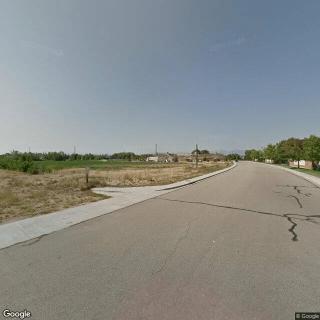
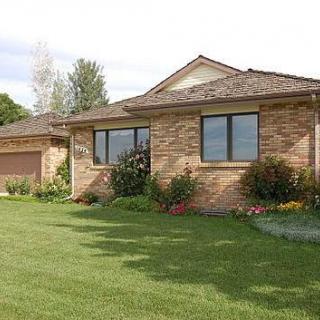
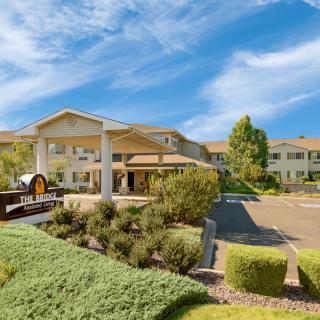

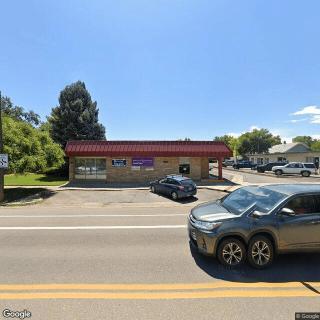

 Responsive, attentive caregivers who reliably meet client needs.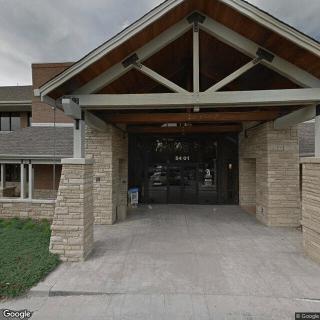

 Navigating Medicare Coverage for In-Home Care Services
 In-Home Care Costs in 2025: A Detailed State-by-State Exploration
 Understanding Home Health Care: A Comprehensive Guide