
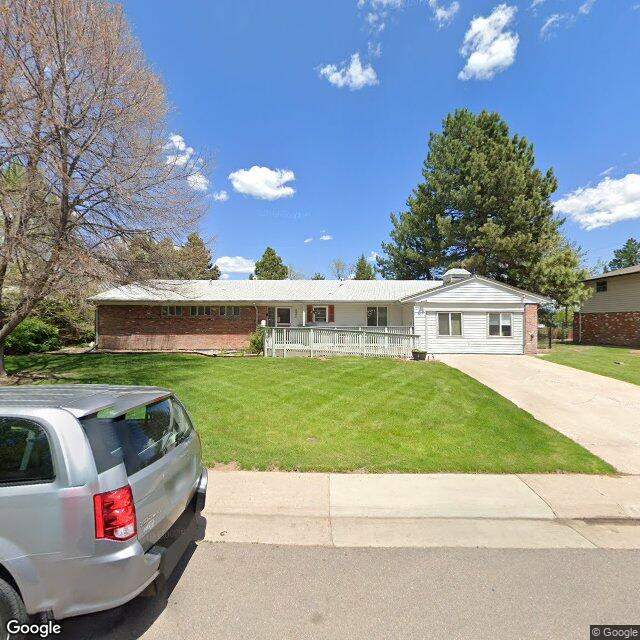
5853 S Sherman Way, Centennial, CO 80121
To contact a resident: (720) 353-7457
For more information about senior living options: (866) 208-4318
Rose of Sharon Costs & Pricing
Rose of Sharon presents competitive pricing for its residential options when compared to both Arapahoe County and the broader state of Colorado. For a semi-private room, Rose of Sharon's cost is $3,500 per month, notably lower than the county average of $3,797 and the state average of $4,009. Similarly, those opting for a private room will find that Rose of Sharon's rate of $4,500 remains below the county's average of $4,116 and slightly surpasses the state average of $4,142. This pricing structure positions Rose of Sharon as an appealing choice for residents seeking quality care in an environment that balances affordability with excellent service.
| Floor plans | Rose of Sharon | Arapahoe County | Colorado |
|---|---|---|---|
| Semi-Private | $3,500 | $3,797 | $4,008 |
| Private | $4,500 | $4,116 | $4,142 |
Assisted Living communities with a similar price nearby
-
from -$500 / mo

A Loving Hand Assisted Living
$3,000 / month4.8 miles away -
About the same
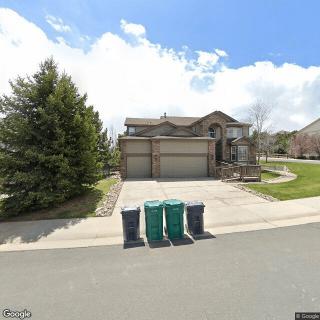
Castle Rock Assisted Living II
$3,600 to $4,100 / month16.5 miles away -
About the same
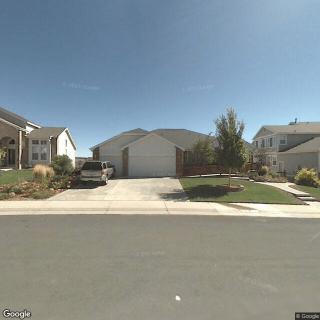
Castle Rock Assisted Living 1
$3,600 to $5,000 / month16.8 miles away -
About the same
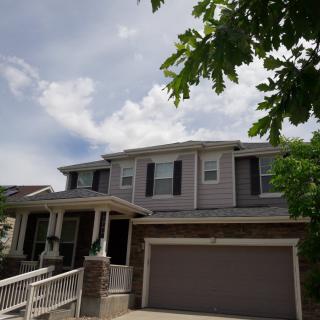
Auburn View Assisted Living
$3,500 to $5,600 / month13.1 miles away -
About the same
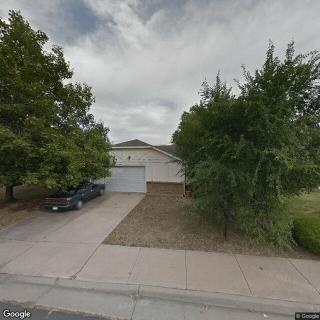
Legacy House Elder Care on Berry
$3,500 to $4,000 / month7.0 miles away
Overall Review of Rose of Sharon
Pros
 The Yukon House is a lovely large house.
- It is kept very clean.
- Staff and management are very caring people.
- The owner Linna at Rose of Sharon is amazing and takes great care of her residents.
- The residents are wonderful.
Cons
 The Yukon House is fairly dated and has areas that need updating, such as a broken bath vanity.
- The house “closes down” after about 6 pm, and there is no call system for residents to get nighttime help.
Review
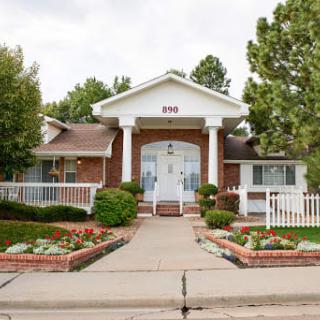
Rose of Sharon in Centennial, CO, is best suited for families seeking a warm, home-like assisted living experience where residents receive highly personalized, attentive care from an owner-operated team. The setting favors everyday intimacy over clinical formality, making it ideal for seniors who thrive on daily interaction with a small, cohesive staff and who value flexible care that can adapt to shifting needs. This community works well for residents who do not require hospital-level monitoring at night but still need reliable daytime support, gentle supervision, and ongoing family communication. It is a fit for those prioritizing heart-led care, a tidy, lived-in home atmosphere, and a sincere commitment to resident well-being.
On the upside, Rose of Sharon earns its strongest credit for staff warmth and owner involvement. The owner, Linna, is repeatedly praised for being engaged, compassionate, and responsive to family requests. The caregiving team is described as caring, helpful, and capable of handling challenging situations with kindness. Families note prompt, clear communication and a health-and-safety mindset that permeates daily operations. The setting itself is clean, tidy, and welcoming, with a genuine sense of community that makes residents feel known and valued. For families seeking a partner-in-care who will listen, adjust, and prioritize comfort and dignity, the pros align closely with real-world needs.
Yet the cons are meaningful enough to consider seriously. The physical plant is described as a dated, large house where maintenance issues can surface, and some areas visibly need updating, such as a broken vanity. More notably, the daily routine tilts toward a quiet evening: the house “closes down” after about 6 pm, with residents going to bed and caregivers retreating downstairs. Crucially, there is no nighttime call system for residents, which limits reassurance for families and may be a deal-breaker for those who require discreet, always-available nocturnal assistance. A few reviewers also flag distance from certain family members as a practical constraint, underscoring that location can influence access, visits, and near-term decisions.
These strengths and weaknesses do not exist in isolation; they interact to create a distinctive value proposition. The outstanding care and hands-on leadership can offset the dated footprint and the less robust night-time assurances for families who prioritize human connection and responsive problem-solving. For residents with dementia or complex needs, the staff’s attentiveness and flexibility, coupled with a culture of gentle, patient caregiving, often deliver more meaningful daily life than a more modern but impersonal environment. In other words, the emotional and relational quality of care can compensate for infrastructural limitations, provided nightly safety considerations align with a family’s risk tolerance and care goals.
Decision-makers weighing Rose of Sharon should lean into this reality. It is a strong pick for families seeking a smaller, owner-involved community where staff know residents well, care plans are adaptable, and communication flows smoothly. It suits seniors who value warmth, familiarity, and a home-centric setting over the bells-and-whistles polish of larger facilities. Those who need robust 24/7 nocturnal supervision, high-tech monitoring, or a modern, hospital-like atmosphere will want to explore other options. The location’s convenience for nearby relatives is a notable plus, but distance from key family supporters should be weighed against the care ordering.
In sum, Rose of Sharon offers a highly human-focused, compassionate residential option that often delivers more meaningful engagement and trust than larger, more impersonal facilities. The trade-offs are clear: intimate, responsive, family-friendly care in a dated, single-family-home setting with limited night-time staffing. For families comfortable with those realities and prioritizing daily warmth, dignity, and personalized attention, Rose of Sharon stands out as a dependable, heart-led choice. For others who require market-leading infrastructure or uninterrupted nocturnal reassurance, alternatives should be pursued with urgency.
 8 resident community capacity
 Assisted Living
 Board and Care Home
 Respite Care
 Cable or satellite TV
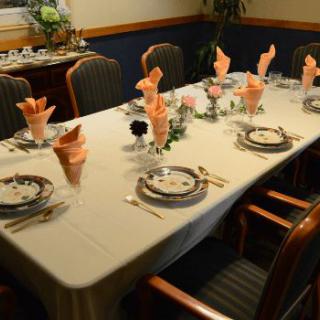
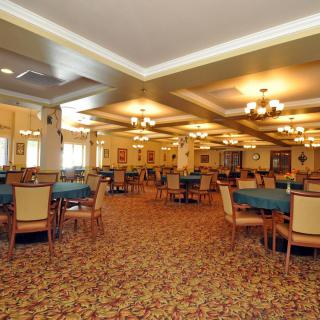
 Dining room
 Fully furnished
 Garden
 Housekeeping services
 Move-in coordination
 Outdoor space
 Private
 Private bathrooms
 Telephone
 Wi-Fi/high-speed internet available
 Denver International (24 miles away)
 24-hour supervision
 Activities of daily living assistance
 Assistance with bathing
 Assistance with dressing
 Assistance with transfers
 Diabetes diet
 Diabetic care
 High acuity care
 Meal preparation and service
 Medication management
 Special dietary restrictions
 Transportation arrangement (medical)
 Transportation to doctors appointments

 Comprehensive Supportive Living Arrangements for Adults with Disabilities
 Funding and Affording Assisted Living: A Thorough Overview
 Assisted Living Expenses and Long-Term Care Insurance: A Comprehensive Exploration