Golden Orchard I in Littleton, CO

Save

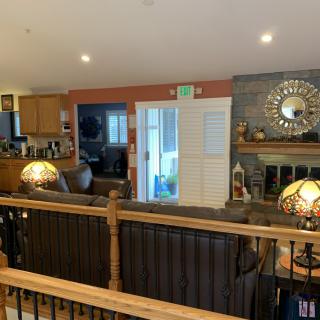
  • Interior

    An elderly woman smiling while sitting indoors.
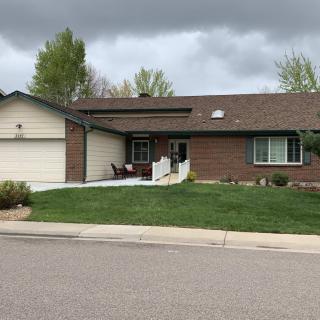
  • Outdoors

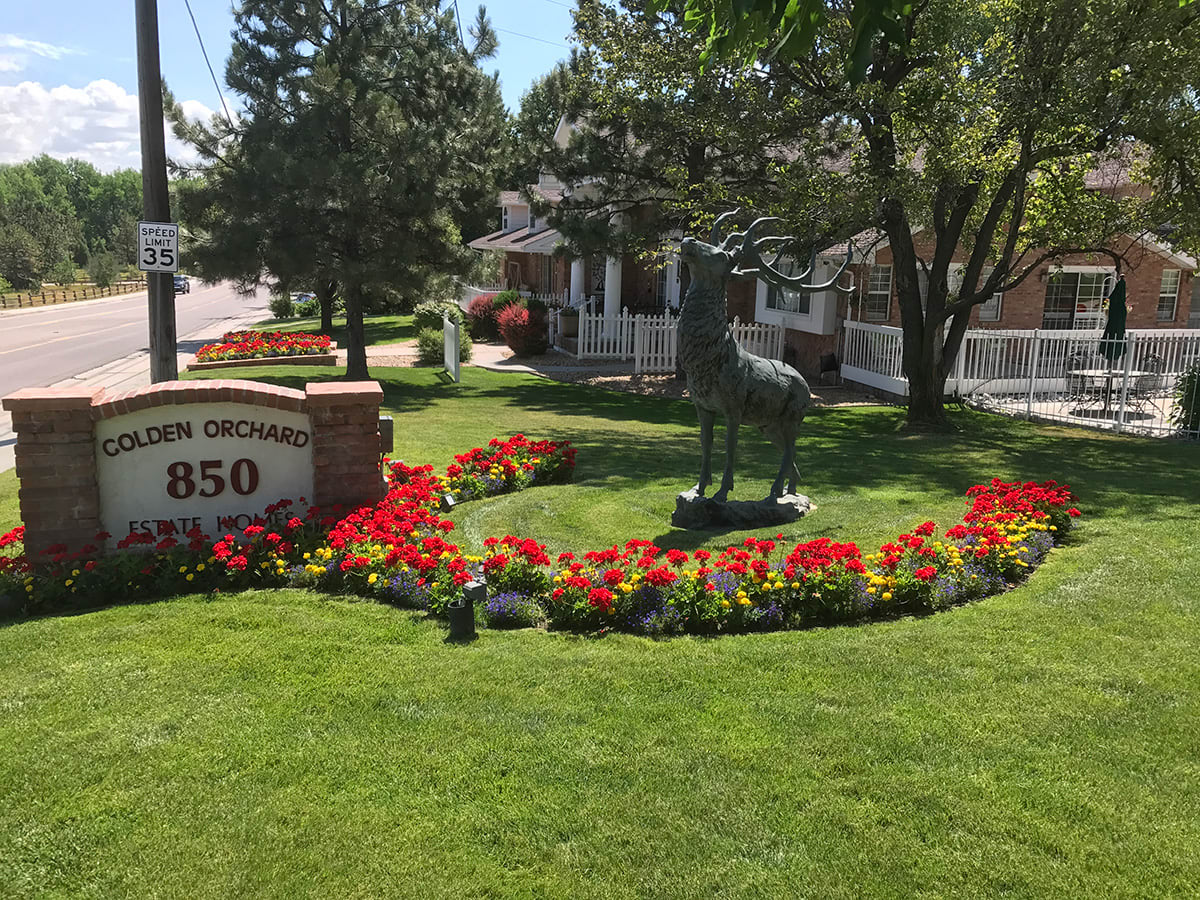
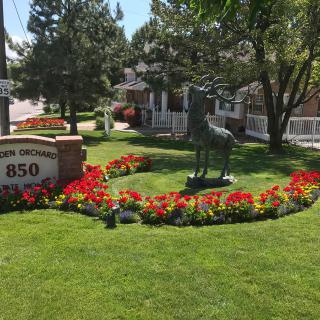
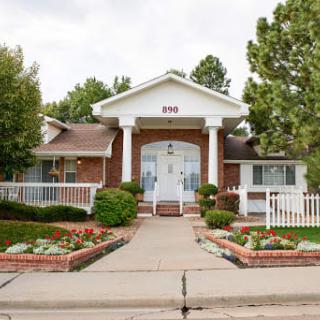
    A beautifully landscaped garden with a statue surrounded by vibrant flowers and a sign displaying the address.
  • Decor

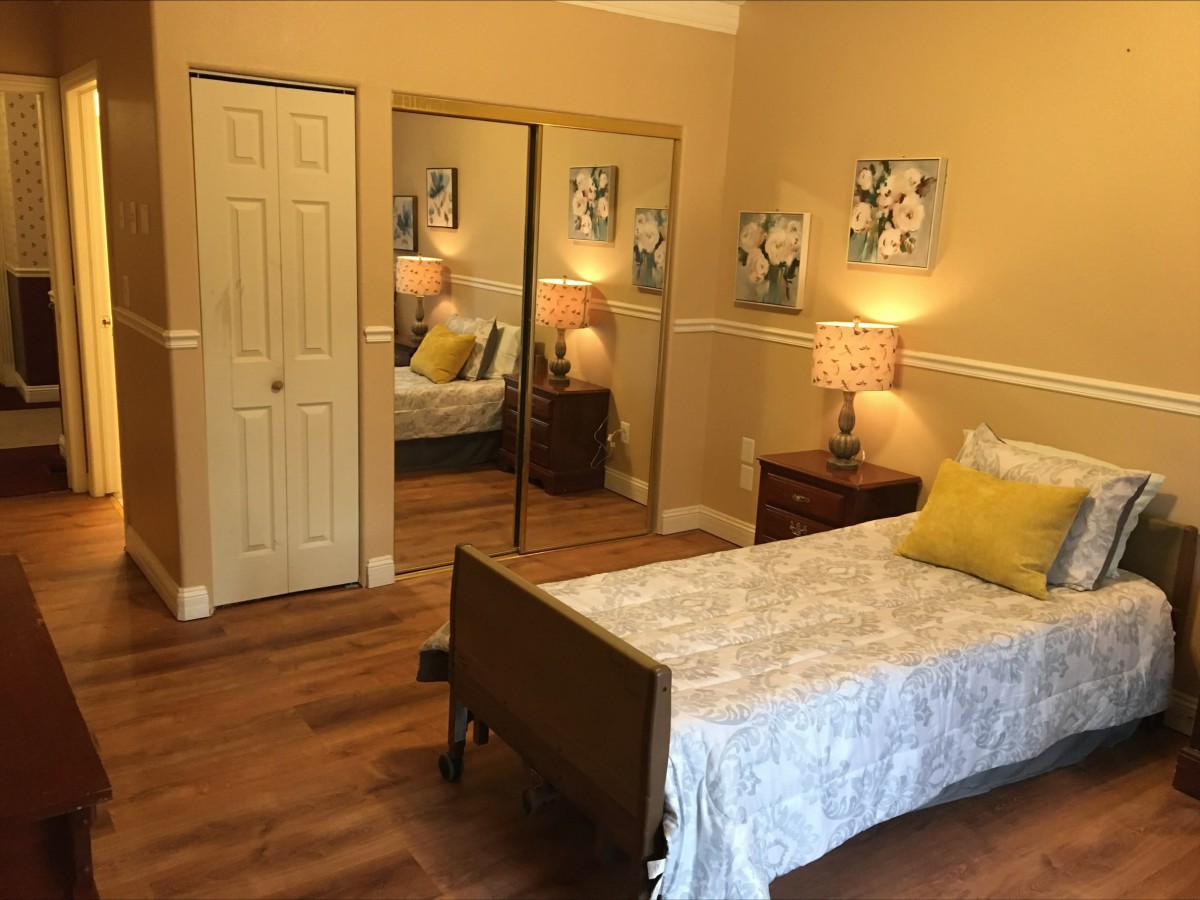
    A cozy bedroom with a single bed, mirrored closet, and warm decor.
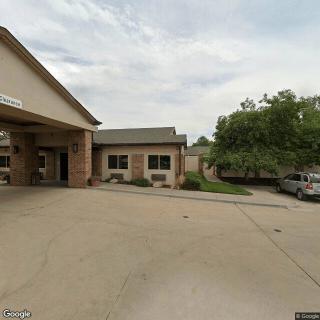
  • Architecture

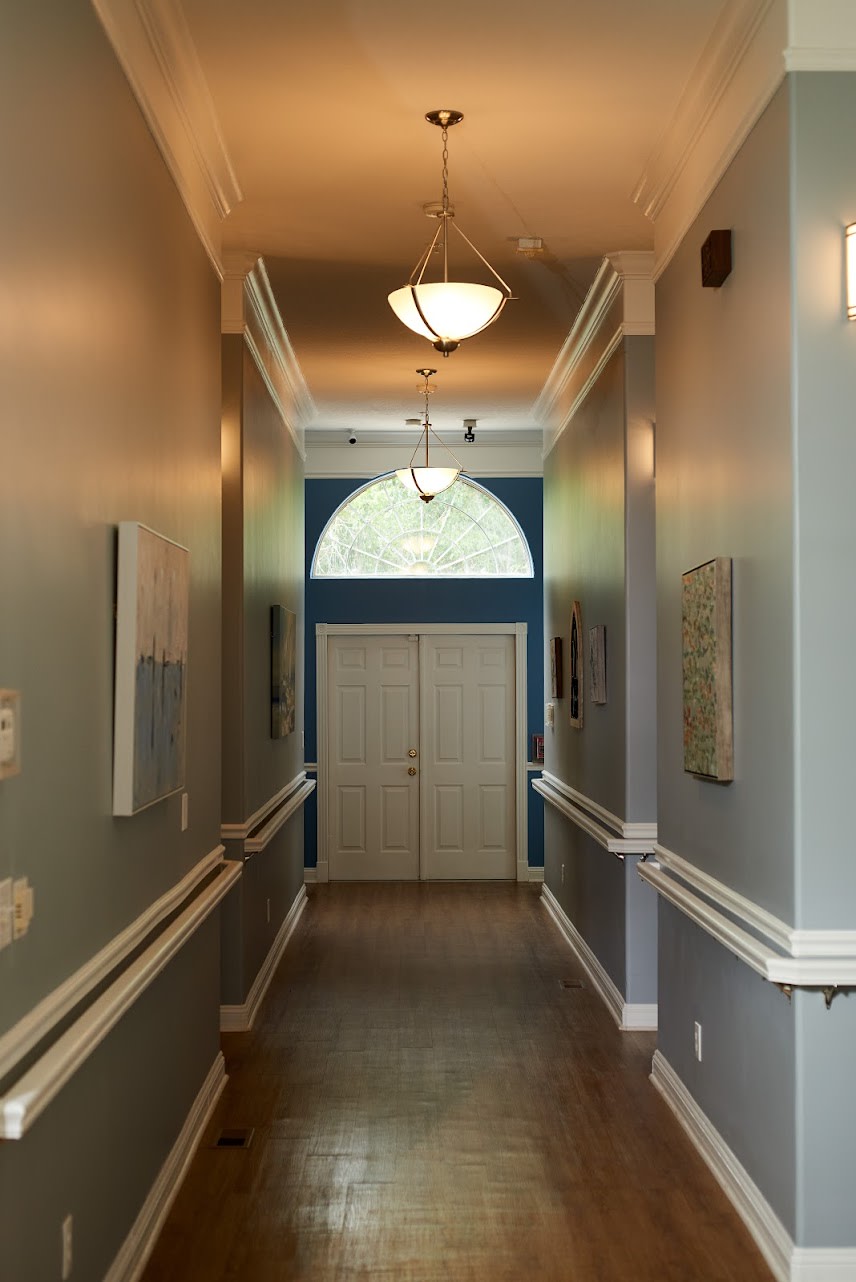
    A well-lit hallway with closed double doors at the end.
  • Bedroom

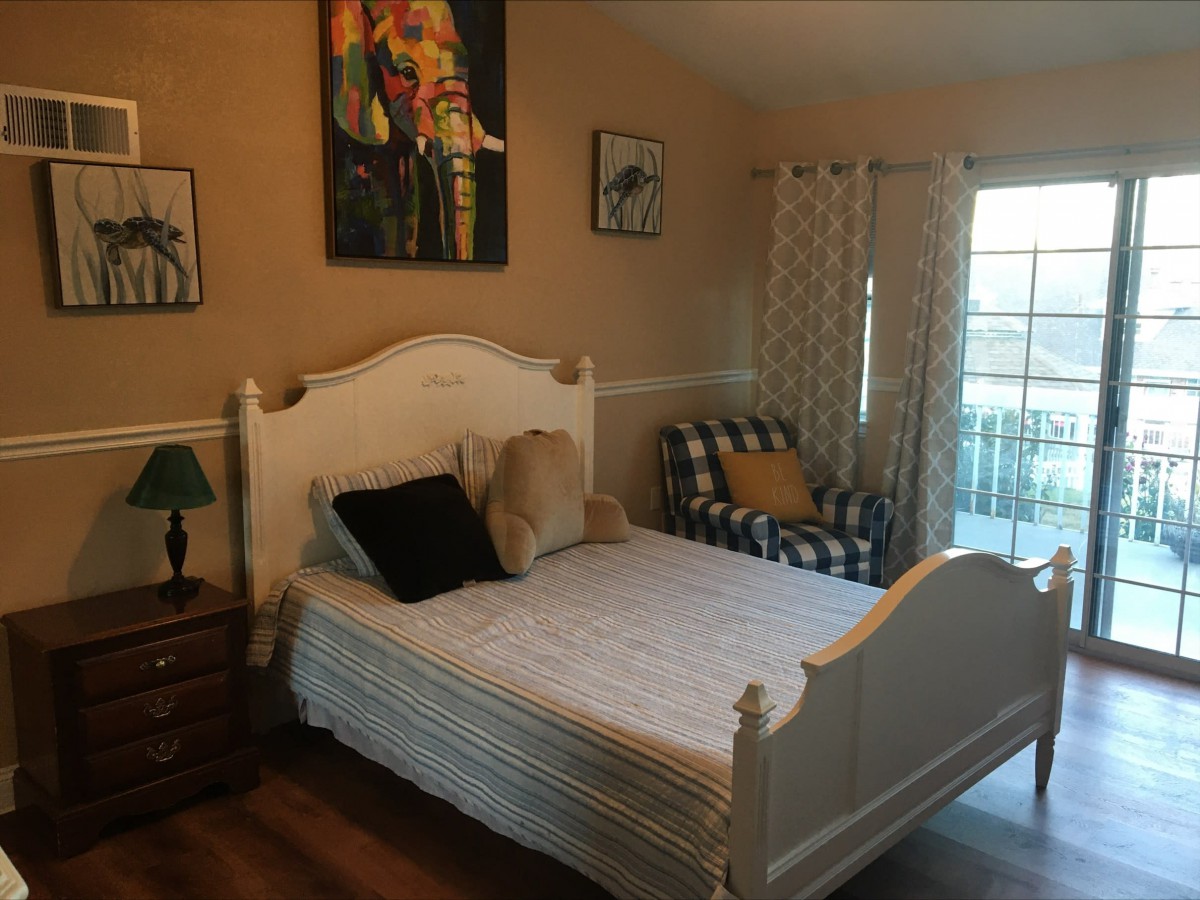
    A cozy bedroom with a white bed and a patterned chair, featuring wall art and soft lighting.
  • Trees

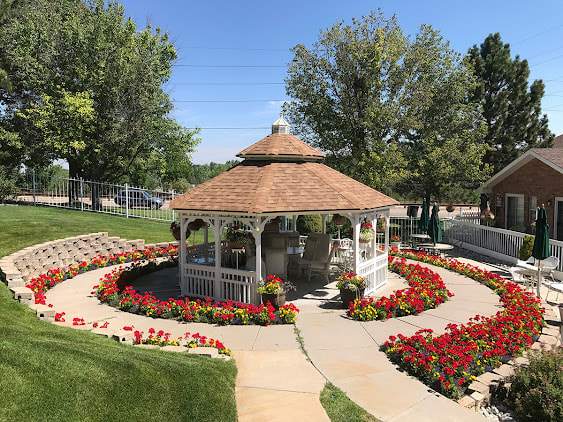
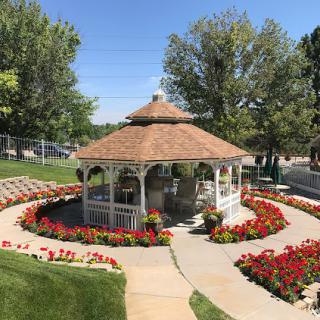
    A beautiful garden featuring a gazebo surrounded by vibrant flowers and lush greenery.
  • Windows

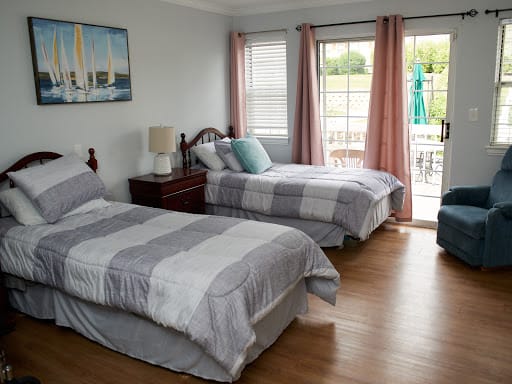
    A cozy bedroom with twin beds, soft curtains, and a view outside.
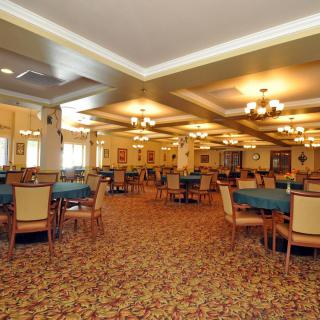
  • Dining

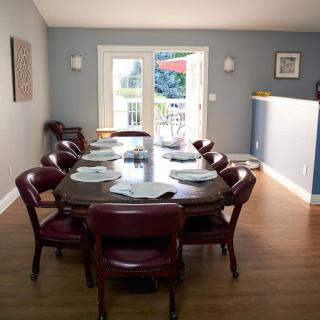
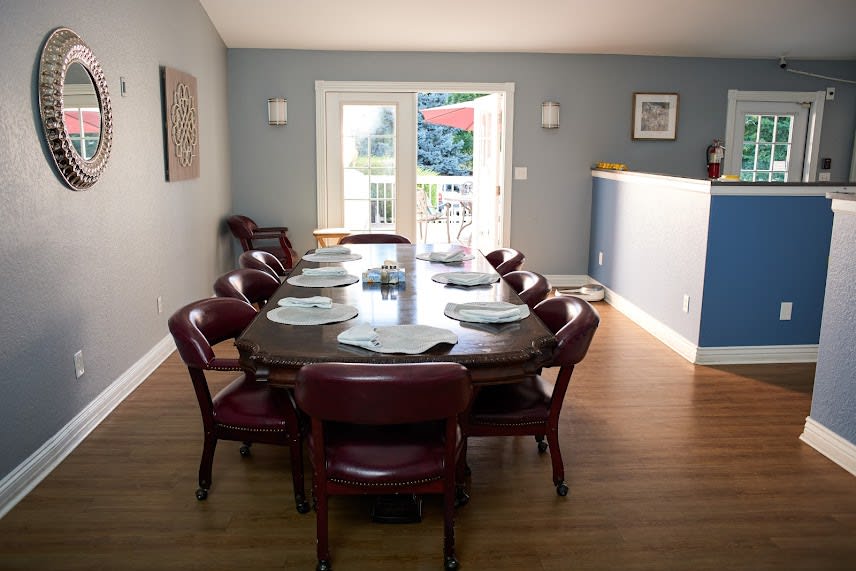
    A dining room featuring a long table with place settings, surrounded by chairs and illuminated by natural light from large windows.

Golden Orchard I in Littleton, CO

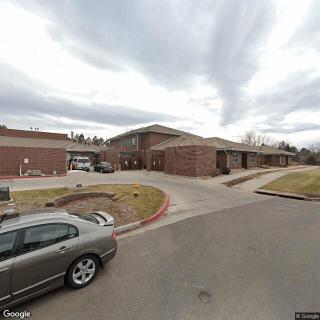
850 East Orchard Road, Littleton, CO 80121

For more information about senior living options: (844) 490-3973

4.5 from 31 reviews
5 stars
25
4 stars
1
3 stars
2
2 stars
0
1 stars
3

Assisted Living Board and Care Home Memory Care

Golden Orchard I Costs & Pricing

Golden Orchard I's costs reflect a premium over both Arapahoe County and the broader state of Colorado. For semi-private accommodations, residents can expect to pay $4,900 per month, which significantly exceeds Arapahoe County's average of $3,797 and is notably higher than the Colorado statewide average of $4,009. The pricing trend continues with one-bedroom units; at Golden Orchard I, the monthly rate reaches $6,300, while Arapahoe County averages $4,732 and the statewide average stands at $4,119. These figures suggest that Golden Orchard I positions itself as a more upscale option in terms of living arrangements and amenities compared to its local and state counterparts.

Floor plansGolden Orchard IArapahoe CountyColorado
Semi-Private$4,900$3,797$4,008
1 Bedroom$6,300$4,732$4,118

What level of care are you interested in?

Assisted Living

Memory Care

Independent Living

Skilled Nursing Facility

Continuing Care Retirement Community (CCRC)CCRC

Other


Request a tour at Golden Orchard I

    Overall Review of Golden Orchard I

    Pros

    • pro The facility has fewer residents, allowing more personalized care.
    • pro The staff are very sweet and take great care of residents.
    • pro Marcella (the director) genuinely cares about people and communicates well with families.
    • pro The staff provided exceptional care; the place is clean and the director is wonderful.
    • pro The caregivers treat residents with care, love, and respect.
    • pro The community feels warm and welcoming, with a small, homier atmosphere and a strong staff-to-patient ratio.
    • pro The staff are kind, helpful, and feel like family to the residents.
    • pro The ownership and staff are amazing and genuinely care about creating a warm, nurturing environment.
    • pro The care team is attentive, responsive, and goes above and beyond in communication.
    • pro The facility is undergoing positive improvements, making it newer and better.
    • pro Dr. Chang and the care team are wonderful, easy to reach, and collaborative.

    Cons

    • pro The facility's English is limited, making communication difficult for some visitors.
    • pro On weekends the staff are often understaffed, and no one speaks English.
    • pro There are absolutely zero activities and nothing for residents to do all day.
    • pro The staff are rarely friendly to the residents or their family members.
    • pro The place could improve on safety and activities and it needs a sunroom to prevent Vitamin D deficiency.
    • pro One staff member hung up on a caller and insulted them.

    Review

    Golden Orchard I in Littleton, CO is best suited for families seeking a warm, home-like environment where seniors receive unusually attentive, individualized care. The community operates on a smaller scale, which translates into a higher caregiver-to-resident ratio and more hands-on attention from staff. Families repeatedly note that the caregivers are genuinely kind, the atmosphere feels welcoming, and communication from leadership is approachable and responsive. The setting lends itself to building trust quickly: residents are treated with dignity, routines are predictable, and the care team works hard to keep families informed. This is a place where the daily experience feels personal, not institutional, and where the sense of belonging is as important as the medical care provided. The shift to new ownership has been perceived as strengthening that sense of stability and purpose, reinforcing a commitment to a nurturing, family-friendly culture.

    That said, this community may not be the right fit for every profile. Alternatives should be considered for families prioritizing a robust activities calendar, plentiful social programming, or sunlit, engaging common spaces throughout the day. A few reviews highlight minimal daytime and weekend activity options, with some residents spending long periods with limited structured engagement. Language dynamics also surface as a potential hurdle: English may be limited among some staff, which can complicate rapid communication during evenings or emergencies. For families who require a strong emphasis on outdoor sunlight, sunrooms, or expansive programming designed to keep residents physically and socially active, other options may better meet those expectations. Additionally, ongoing construction on site is a temporary disruption that can affect ambiance and routine.

    The core strengths here - careful staffing, strong personal connections, and consistent family communication - often offset several concerns, but not all. The intimate size and dedicated leadership translate into visible, hands-on care: directors and frontline caregivers who know residents by name, monitor changes closely, and mobilize family members when issues arise. The upside is a reliable sense of safety and continuity; families feel their loved ones are seen, heard, and valued, which reduces the stress of relocation. Cleanliness and quality of meals emerge as reliable positives too, with reviewers praising homemade-style cooking and well-maintained spaces. However, the gaps cited - the limited activity options, weekend understaffing, and occasional friction in staff-resident interactions - temper the otherwise strong sense of security and comfort. In short, the pros deliver a high-touch, affectionate environment that can outweigh the drawbacks for the right resident, but not for everyone.

    Prospective renters should test several practical questions during tours. How fluent is the staff in English across all shifts, and how is language support handled after hours? What does the weekly activity calendar look like, and who facilitates or participates in those programs? Is there a sunlit activity area or outdoor space available daily, and how often are residents encouraged to participate? What is the current staffing level on weekends, and how is coverage managed when short-staffed? How long is the remodeling schedule, and what temporary inconveniences should families anticipate? These specifics help determine whether the daily experience will align with a loved one's social needs and safety expectations.

    For families weighing options, Golden Orchard I offers a compelling value for those who prize a small, intimate setting with responsive leadership and a caregiving culture that treats residents like family. It is less well-suited for those who require abundant daily activities, robust English-language communication across all staff, or a campus with constant, high-energy programming. The community shines for dementia care-like attentiveness and a reassuring sense of belonging, but it benefits from careful verification of language needs, activity expectations, and weekend staffing realities before making a commitment. The prudent path combines a candid visit with talking to current families about daily life, then weighing the importance of programming and language dynamics against the proven, compassionate care that defines Golden Orchard I.

    In sum, Golden Orchard I represents a strong, practical choice for families prioritizing intimate care, transparent communication, and a nurturing, stable environment. It is a standout option for residents who thrive on consistency, close staff relationships, and a homey feel. Those who place higher value on a bustling activity schedule, extensive English-language support, or abundant sunlit common spaces should explore alternatives to ensure the overall experience matches expectations. A targeted tour, direct questions, and a realistic read on weekend operations will reveal whether this community truly fits the loved one's day-to-day needs.

    Features

    Housing

    • 12 resident community capacity 12 resident community capacity

    Types of Care

    • Assisted Living Assisted LivingAssisted living facilities provide crucial support and care for seniors who may need help with daily tasks such as medication management, bathing, and meal preparation. These communities offer a safe and comfortable environment where seniors can maintain their independence while receiving the assistance they need to thrive in their golden years.
    • Board and Care Home Board and Care HomeBoard and care homes provide a smaller, more intimate setting for seniors who require assistance with daily tasks but do not need the level of care offered by a nursing home. They offer personalized care, meals, and social activities in a homelike environment, ensuring that seniors receive individualized attention and support in their golden years.
    • Memory Care Memory CareMemory care is crucial for seniors as it provides specialized support and services for individuals with dementia or Alzheimer's disease. These programs offer a safe and secure environment where residents receive personalized care, cognitive stimulation, and help with daily activities. Memory care helps seniors maintain their independence, quality of life, and dignity while also providing peace of mind for their families.

    Pets

    • Cats allowed Cats allowed"Pet friendly" senior living communities are important for seniors because pets provide companionship, reduce feelings of loneliness and depression, promote physical activity and mental stimulation, and offer a sense of purpose and responsibility. Pets can improve overall well-being and quality of life for seniors in many ways.
    • Dogs allowed Dogs allowed"Pet friendly" senior living communities are important for seniors because pets provide companionship, reduce feelings of loneliness and depression, promote physical activity and mental stimulation, and offer a sense of purpose and responsibility. Pets can improve overall well-being and quality of life for seniors in many ways.

    Amenities

    • Activities on-site Activities on-siteActivities on-site are important for seniors because they provide opportunities for socialization, mental stimulation, physical activity, and overall well-being. Engaging in activities can help seniors stay active, maintain their independence, and improve their quality of life.
    • Air-conditioning Air-conditioningAir conditioning is important for seniors as they are more vulnerable to heat-related illnesses and may have underlying health conditions that make it difficult for them to regulate their body temperature. It helps to keep them comfortable, safe, and healthy in hot weather.
    • Beautician on-site Beautician on-siteHaving a beautician on-site at a senior living community is important for seniors as it allows them to easily access grooming and personal care services, boosting their self-esteem and overall well-being. It also provides convenience and helps seniors maintain their sense of independence and personal style.
    • Cable or satellite TV Cable or satellite TVCable or satellite TV is important for seniors because it provides entertainment, news, and companionship, helping to combat loneliness and boredom. It also offers a wide range of programming options tailored to different interests and preferences.
    • Devotional services off-site Devotional services off-siteDevotional services off-site are important for seniors as they provide spiritual nourishment, social engagement, and a sense of community outside of the senior living facility. This can enhance overall well-being and help combat feelings of isolation and loneliness often experienced by older adults.
    • Dining room Dining roomDining rooms are important for seniors as they provide a space for socialization, connection, and nutritious meals. They offer opportunities for residents to bond over shared meals, foster a sense of community, and promote healthy eating habits. Dining rooms also ensure that seniors have access to well-balanced meals tailored to their dietary needs and preferences.
    • Full kitchen Full kitchenHaving a full kitchen in a senior living facility is important for seniors because it allows them to maintain their independence and prepare their own meals. This promotes healthy eating habits, saves money on dining out, and provides a sense of familiarity and comfort for residents.
    • Fully furnished Fully furnishedFully furnished senior living communities are important for seniors because they provide convenience, comfort, and a hassle-free moving experience. Seniors can easily settle into their new living space without the stress of having to buy and move furniture. This allows them to focus on enjoying their new home and community.
    • Garden GardenGardens are important for seniors as they provide a peaceful and therapeutic environment for relaxation, physical activity, and socialization. Being in nature has been shown to reduce stress, improve mood, and promote overall well-being. Gardens also offer opportunities for seniors to engage in gardening activities, which can improve mobility, flexibility, and cognitive function. Additionally, gardens create a sense of community and connection with others who share a passion for plants and outdoor spaces.
    • Handicap accessible Handicap accessible"Handicap accessible" amenities are crucial for seniors to ensure they can easily navigate and access facilities, services, and activities without barriers or limitations due to physical impairments. This promotes independence, safety, and inclusivity for seniors in senior living communities.
    • Housekeeping services Housekeeping servicesHousekeeping services are important for seniors because they help maintain a clean and safe living environment, promote independence, and reduce the risk of accidents or illnesses. Additionally, having assistance with household chores can alleviate physical strain and allow seniors to focus on other aspects of their well-being.
    • Indoor common areas Indoor common areasIndoor common areas are crucial for seniors as they provide a space for socialization, recreation, and community engagement, promoting overall well-being and reducing feelings of isolation and loneliness.
    • Move-in coordination Move-in coordinationMove-in coordination is important for seniors because it helps ease the transition into their new living environment. It ensures that all logistics, such as packing, organizing movers, and setting up utilities are taken care of, allowing seniors to focus on settling in and adjusting to their new home. Having a smooth move-in process can alleviate stress and anxiety, making the transition smoother and more enjoyable for seniors.
    • Outdoor space Outdoor spaceOutdoor spaces are important for seniors as they provide opportunities for physical activity, social interaction, exposure to natural light and fresh air, and a sense of connection to nature. Having access to outdoor spaces can improve overall well-being and quality of life for older adults living in senior communities.
    • Respite or short term stays offered Respite or short term stays offeredRespite or short term stays provide seniors with a temporary solution when their regular caregiver is unavailable, offering them the opportunity to receive additional care and support during times of need, while also giving caregivers a chance to rest and recharge.
    • Telephone TelephoneTelephones are important for seniors as they provide a lifeline for communication with loved ones, emergency services, and healthcare providers. They offer a sense of security and independence, enabling seniors to stay connected and access assistance when needed.
    • Wheelchair accessible showers Wheelchair accessible showersWheelchair accessible showers are crucial for seniors as they provide a safe and independent bathing option for those with mobility challenges. These showers help prevent falls and allow seniors to maintain their dignity and autonomy while ensuring they can bathe comfortably.
    • Wi-Fi/high-speed internet available Wi-Fi/high-speed internet availableWi-Fi/high-speed internet is important for seniors to stay connected with loved ones, access online resources, and participate in virtual activities to combat feelings of loneliness and isolation. It also allows them to easily manage healthcare needs, access entertainment, and engage in lifelong learning opportunities.

    Transportation

    • Denver International (24 miles away) Denver International (24 miles away)

    Care Services

    • 24-hour supervision 24-hour supervision24-hour supervision is important for seniors to ensure their safety, well-being, and access to immediate assistance in case of emergencies or health issues. This constant support provides peace of mind for both seniors and their loved ones, allowing them to age in place with dignity and security.
    • Activities of daily living assistance Activities of daily living assistanceActivities of daily living assistance are important for seniors because they provide essential support with tasks such as eating, bathing, dressing, and mobility. This assistance helps seniors maintain their independence, dignity, and overall quality of life as they age.
    • Ambulatory care Ambulatory care"Ambulatory care services provide essential medical support and treatment to seniors without requiring hospitalization, allowing them to maintain their independence and quality of life while managing chronic conditions or receiving routine medical care."
    • Assistance with bathing Assistance with bathingAssistance with bathing is crucial for seniors as it helps maintain personal hygiene, prevents infections, and ensures their overall well-being and comfort. It also provides a sense of dignity and independence for seniors who may struggle with this task on their own.
    • Assistance with dressing Assistance with dressingAssistance with dressing is important for seniors because it helps maintain their independence, promotes personal hygiene, prevents accidents and injuries, and improves overall quality of life. This service ensures that seniors can continue to dress comfortably and confidently, despite any physical limitations they may have.
    • Assistance with transfers Assistance with transfersAssistance with transfers is crucial for seniors as it helps prevent falls and injuries, maintains their independence, and ensures they can safely navigate their living environment. It also provides peace of mind for both seniors and their loved ones.
    • Coordination with health care providers Coordination with health care providersCoordination with health care providers is crucial for seniors to ensure proper medical care, medication management, and overall well-being. This collaboration helps prevent overlapping treatments, track progress more effectively, and provide comprehensive support tailored to individual needs.
    • Dementia waiver Dementia waiverDementia waivers are essential for seniors as they provide critical protections and accommodations for those experiencing cognitive decline. These waivers ensure individuals with dementia receive appropriate care, support, and resources to maintain their quality of life and dignity as they navigate the challenges of this progressive condition.
    • Diabetes diet Diabetes dietA diabetes diet is crucial for seniors as it helps manage blood sugar levels, reduce risks of complications, and improve overall health and well-being. By following a balanced and nutritious diet tailored to their specific needs, seniors can better control their diabetes and enhance their quality of life.
    • Hospice waiver Hospice waiverHospice waivers are important for seniors because they allow individuals to receive specialized end-of-life care and support at home or in a hospice facility. This waiver ensures that seniors can access the necessary resources and services to maintain comfort and dignity during their final days.
    • Incontinence care Incontinence careIncontinence care is essential for seniors to maintain their dignity, hygiene, and overall quality of life. By addressing incontinence issues promptly and effectively, seniors can enjoy a sense of independence and comfort in their daily activities.
    • Meal preparation and service Meal preparation and serviceMeal preparation and service are crucial for seniors as they may have limited mobility or energy to cook nutritious meals. Having access to healthy and convenient food options can ensure they are getting the proper nutrition needed to maintain their overall health and well-being.
    • Medication management Medication managementMedication management is crucial for seniors to ensure they are taking the right medications at the correct dosages and times. This helps prevent adverse drug interactions, reduces the risk of medication errors, and promotes overall health and well-being. Proactive management also allows for adjustments as needed based on changing health conditions or new prescriptions.
    • Mental wellness program Mental wellness programMental wellness programs are essential for seniors as they promote cognitive stimulation, emotional support, and social engagement. These programs help prevent isolation, depression, and cognitive decline, ultimately enhancing the overall quality of life for older adults.
    • Mild cognitive impairment Mild cognitive impairment"Mild cognitive impairment" is important for seniors because it is an early stage of cognitive decline that can potentially progress to more severe conditions such as dementia. Recognizing and addressing mild cognitive impairment can help seniors receive appropriate care and support to maintain their quality of life and independence for as long as possible.
    • Special dietary restrictions Special dietary restrictionsSpecial dietary restrictions are important for seniors because age-related changes in metabolism and health conditions can make it difficult for their bodies to process certain foods. By following a diet tailored to their specific needs, seniors can maintain their overall health and well-being, manage chronic conditions, and reduce the risk of complications such as malnutrition or food interactions with medications.
    • Specialized memory care programming Specialized memory care programmingSpecialized memory care programming is crucial for seniors with cognitive impairments such as dementia or Alzheimer's disease. These programs provide a safe and supportive environment tailored to the unique needs of individuals with memory loss, helping them maintain their independence, dignity, and quality of life.
    • Transportation arrangement (medical) Transportation arrangement (medical)Transportation arrangements for medical purposes are essential for seniors as they may have difficulty driving themselves to appointments or accessing public transportation. Having reliable and safe transportation options ensures that seniors can receive timely medical care and maintain their health and well-being.
    • Transportation to doctors appointments Transportation to doctors appointmentsTransportation to doctors' appointments is crucial for seniors as it ensures they have access to necessary medical care and support for their health needs. Without reliable transportation, seniors may struggle to attend important appointments, leading to potential delays in treatment and health complications. Providing transportation services helps seniors maintain their overall well-being and quality of life.

    Dining

    • Anytime dining Anytime diningAnytime dining is important for seniors because it allows them the flexibility to eat when they are hungry, rather than being restricted to set meal times. This can be especially beneficial for those with medical conditions or medications that affect their appetite, as well as those who may have difficulty adhering to a strict dining schedule. Overall, anytime dining promotes independence and overall well-being for seniors in senior living communities.
    • Diabetes diet Diabetes dietA diabetes diet is crucial for seniors as it helps manage blood sugar levels, reduce risks of complications, and improve overall health and well-being. By following a balanced and nutritious diet tailored to their specific needs, seniors can better control their diabetes and enhance their quality of life.
    • Gluten-free Gluten-freeGluten-free options are important for seniors as they are more prone to digestive issues and dietary sensitivities. Offering gluten-free meal choices in senior living communities can help improve their overall health and well-being.
    • Guest meals Guest mealsGuest meals are important for seniors living in senior living communities because they provide an opportunity for socialization and companionship. Sharing a meal with friends, family, or new acquaintances can help combat feelings of loneliness and isolation, promote a sense of community, and enhance overall well-being. Additionally, guest meals allow seniors to enjoy delicious food in a comfortable setting without the hassle of cooking or cleaning up, making dining a pleasurable and stress-free experience.
    • Kosher KosherKosher options are important for seniors because they adhere to dietary laws that are significant to many Jewish individuals, providing them with peace of mind and an opportunity to maintain their cultural traditions and beliefs while living in a senior living community.
    • Low / no sodium Low / no sodiumLow/no sodium options are important for seniors because excessive sodium intake can lead to high blood pressure, heart disease, and other health issues commonly experienced by older adults. By choosing low/no sodium foods, seniors can better manage their health and reduce their risk of developing these conditions.
    • Meals provided Meals provided"Meals provided" are crucial for seniors in assisted living communities as it ensures they have access to nutritious, balanced meals without the stress of meal planning and preparation. This can help promote overall health and well-being for seniors who may have limited mobility or cognitive abilities.
    • No Sugar No SugarNo sugar diets are important for seniors because they can help prevent or manage chronic conditions such as diabetes, heart disease, and obesity. Sugar can also contribute to cognitive decline and inflammation in the body, so reducing sugar intake can lead to overall improved health and well-being in older adults.
    • Organic OrganicOrganic foods are important for seniors because they contain fewer chemicals and pesticides, which can be harmful to aging bodies. Additionally, organic foods often have higher nutrient levels, making them a healthier choice for maintaining overall well-being in older adults.
    • Room service Room serviceRoom service is important for seniors in a senior living community because it provides convenience and allows them to have their meals delivered directly to their room. This can be especially beneficial for seniors who may have mobility issues or difficulty accessing the dining area. Room service ensures that seniors are able to receive nutritious meals without having to navigate through the facility, allowing them to maintain their independence and overall well-being.
    • Special dietary restrictions Special dietary restrictionsSpecial dietary restrictions are important for seniors because age-related changes in metabolism and health conditions can make it difficult for their bodies to process certain foods. By following a diet tailored to their specific needs, seniors can maintain their overall health and well-being, manage chronic conditions, and reduce the risk of complications such as malnutrition or food interactions with medications.
    • Special dining programs Special dining programsSpecial dining programs are important for seniors because they provide nutritious meals tailored to their dietary needs and preferences. These programs also offer socialization opportunities, promote overall health and well-being, and can help prevent malnutrition.
    • Vegan VeganVegan diets can provide numerous health benefits for seniors, including lower risk of chronic diseases, improved digestion, and increased energy levels. Additionally, plant-based diets are often rich in essential nutrients that can support overall well-being and longevity in older adults.
    • Vegetarian VegetarianA vegetarian diet is important for seniors because it can help lower the risk of chronic diseases, maintain a healthy weight, and provide essential nutrients needed for aging bodies. Additionally, plant-based diets are often easier on digestive systems and can contribute to overall well-being in older adults.

    Activities

    • Activities on-site Activities on-siteActivities on-site are important for seniors because they provide opportunities for socialization, mental stimulation, physical activity, and overall well-being. Engaging in activities can help seniors stay active, maintain their independence, and improve their quality of life.
    • Art classes Art classesArt classes are important for seniors because they provide a creative outlet, improve cognitive function, reduce stress and anxiety, promote socialization, and enhance overall well-being and quality of life.
    • BBQs or picnics BBQs or picnicsBBQs or picnics provide seniors with social interaction, enjoyment of the outdoors, and a sense of community, contributing to their overall well-being and quality of life.
    • Birthday parties Birthday partiesBirthday parties are important for seniors as they provide an opportunity for celebration, socialization, and joy. They allow seniors to feel special and appreciated, boosting their mood and overall well-being. Additionally, birthday parties can help combat feelings of isolation and loneliness by fostering connections with friends, family, and community members.
    • Community-sponsored activities Community-sponsored activitiesCommunity-sponsored activities are important for seniors as they provide opportunities for social interaction, mental stimulation, and physical activity. These activities can help improve overall well-being, combat loneliness and isolation, and promote a sense of belonging and purpose among older adults.
    • Devotional activities offsite Devotional activities offsiteDevotional activities offsite are important for seniors because they provide social engagement, spiritual growth, and a sense of community outside of their living environment. This can improve overall well-being, mental health, and combat feelings of isolation or loneliness.
    • Karaoke KaraokeKaraoke provides seniors with a fun and social activity that can boost mood, confidence, and cognitive function. It encourages social interaction, physical movement, and creative expression, making it an important form of entertainment for senior living communities.
    • Live dance or theater performances Live dance or theater performancesLive dance or theater performances are important for seniors because they provide opportunities for socialization, mental stimulation, and emotional engagement. These performances can help combat feelings of isolation and loneliness, while also offering a sense of connection to the arts and culture. Additionally, watching live performances can bring joy and create lasting memories for seniors in their later years.
    • Live musical performances Live musical performancesLive musical performances can provide seniors with a sense of joy, nostalgia, and connection. Music has the power to evoke emotions and memories, improve mood and cognitive function, and foster social interaction among seniors. It can also serve as a form of therapy and stress relief for older adults, making it an important activity to include in senior living communities.
    • Scheduled daily activities Scheduled daily activitiesScheduled daily activities are important for seniors because they provide structure, socialization, mental stimulation, and physical activity. Engaging in regular activities can improve overall well-being and quality of life for seniors living in a community setting.
    • Stretching classes Stretching classesStretching classes are important for seniors because they help improve flexibility, reduce the risk of injury, and promote overall health and well-being. Regular stretching can also help alleviate joint pain and stiffness, enhance balance and coordination, and increase range of motion.
    • Tai Chi Tai ChiTai Chi is important for seniors because it promotes balance, strength, flexibility, and mental relaxation. It can help prevent falls, improve mobility, and reduce stress and anxiety, making it an excellent form of exercise for older adults to maintain their overall health and well-being.
    • Trivia games Trivia gamesTrivia games are important for seniors because they provide mental stimulation, social interaction, and a fun way to keep the mind sharp. They can help improve memory, cognitive function, and overall well-being in older adults.
    • Visiting chaplain or priest Visiting chaplain or priestHaving a visiting chaplain or priest at a senior living community is important for seniors because it provides spiritual support, comfort, and guidance during a time of life that can be challenging and uncertain. Their presence can help seniors feel connected to their faith, find peace of mind, and cope with the emotional and mental struggles they may face in their later years.

    • Yoga / chair yoga Yoga / chair yogaYoga and chair yoga are important for seniors as they promote flexibility, balance, strength, and overall wellbeing. These practices can help improve mobility, reduce stress, and enhance mental clarity, ultimately leading to a higher quality of life in their senior years.

    Description

    Golden Orchard I is an assisted living community located in Littleton, CO. Our community offers two types of care - board and care home, as well as memory care for seniors with dementia or Alzheimer's.

    We provide a range of amenities to ensure our residents' comfort and convenience. Each room is air-conditioned and fully furnished. We have a dining room where nutritious meals are served, and a full kitchen for those who prefer to prepare their own meals. Our common areas are designed for indoor relaxation and socialization, while our beautiful garden provides outdoor space for fresh air and peaceful walks.

    Our dedicated staff provides assistance with activities of daily living such as bathing, dressing, and transfers. We also coordinate with health care providers to ensure comprehensive care for our residents. For those with memory impairment, we offer specialized memory care programming to promote mental wellness.

    We understand the importance of dietary restrictions, which is why we offer a variety of dining options including diabetes diet, gluten-free, kosher, low/no sodium, organic, no sugar, special dietary restrictions, vegan, and vegetarian. Room service is also available for those who prefer to dine in their rooms.

    Engaging in enriching activities is crucial for the well-being of our residents. We organize art classes, BBQs or picnics, birthday parties, live dance or theater performances, musical performances and trivia games among other community-sponsored activities. Stretching classes and tai chi promote physical wellness while yoga/chair yoga sessions nurture both body and mind. Devotional activities offsite can be arranged upon request.

    Our convenient location ensures easy access to various services in the area. There are several cafes nearby where residents can enjoy a cup of coffee with friends or family members. Parks provide opportunities for outdoor recreation while pharmacies ensure quick access to medications. Physicians are located close by for regular medical check-ups and hospitals are within reach in case of emergencies. Transportation arrangements are available for medical needs as well as for doctors' appointments.

    At Golden Orchard I, we strive to create a nurturing and engaging environment for our residents. We offer personalized care services, delicious dining options, and a variety of activities to cater to the individual needs and preferences of each resident.

    Nearby Places of Interest

    This part of Littleton, Colorado offers a convenient and well-rounded community for seniors looking to settle in the area. With multiple pharmacies nearby, such as Walgreens and King Soopers Pharmacy, accessing necessary medications and health supplies is easily manageable. Additionally, there are various physician offices within a short distance, including Centennial Family Care and South Denver Cardiology Associates, providing accessible healthcare options. For leisure activities, there are several cafes like Starbucks and Black Rock Coffee Bar where seniors can enjoy a cup of coffee with friends or family. In terms of dining options, Angelos Taverna and Locavore Beer Works offer diverse culinary choices. Nearby places of worship include Mission Hills Church and Temple Sinai for spiritual support. The close proximity to theaters like Alamo Drafthouse Littleton and hospitals like UCHealth Highlands Ranch Hospital ensures easy access to entertainment and medical care when needed. Parks like Ruby Park and Kennedy Dog Park provide opportunities for outdoor recreation and relaxation. With transportation options like the Arapahoe Light Rail Station nearby, getting around the area is convenient for seniors seeking a vibrant community with essential amenities in Littleton, Colorado.

    Pharmacies

    • Walgreens (1.1 miles)
    • Walgreens (1.3 miles)
    • Walgreens (2.5 miles)
    • Walgreens (2.6 miles)
    • King Soopers Pharmacy (2.6 miles)
    • Walgreens (3.6 miles)
    • Walgreens (4.2 miles)

    Physicians

    • Centennial Family Care (1.5 miles)
    • Colorado Surgical Arts (2.8 miles)
    • Alta Vista Dermatology (3.2 miles)
    • South Denver Cardiology Associates (3.2 miles)
    • Corneal Consultants of Colorado PC (3.2 miles)
    • Panorama Orthopedics (3.9 miles)
    • Porter Adventist Hospital (4.2 miles)

    Cafes

    • Starbucks (2.6 miles)
    • Starbucks (3.8 miles)
    • Starbucks (4.2 miles)
    • Black Rock Coffee Bar (4.5 miles)
    • Starbucks (4.5 miles)
    • Starbucks (4.8 miles)
    • Starbucks (5.3 miles)

    Restaurants

    • Angelos Taverna (2.7 miles)
    • Breckenridge Brewery (2.7 miles)
    • McDonald's (2.8 miles)
    • McDonald's (3.1 miles)
    • Locavore Beer Works (3.2 miles)
    • Englewood Grand (3.2 miles)
    • Max Taps (3.2 miles)

    Places of Worship

    • Mission Hills Church (3 miles)
    • Temple Sinai (4 miles)

    Theaters

    • Alamo Drafthouse Littleton (3.1 miles)
    • AMC Highlands Ranch 24 (3.5 miles)

    Hospitals

    • Children's Hospital Colorado South Campus (4 miles)
    • UCHealth Highlands Ranch Hospital (4.2 miles)

    Parks

    • Mamie D Eisenhower Park (4.1 miles)
    • Rosamond Park (4.8 miles)
    • Pinecrest Park (4.9 miles)
    • Ruby Park (5.4 miles)
    • Overland Pond Park (5.7 miles)
    • Ash Grove Park (6.1 miles)
    • Kennedy Dog Park (6.1 miles)

    Transportation

    • Arapahoe Light Rail Station (4.8 miles)

    Frequently Asked Questions

    How much does it cost to live at Golden Orchard I in Littleton, CO?
    Where is Golden Orchard I?
    Does Golden Orchard I provide care for residents with dementia or Alzheimer's disease?
    Does Golden Orchard I allow residents to have pets?
    What photos are available for Golden Orchard I in Littleton, Colorado?

    Nearby Communities

    • Golden Orchard II

      Golden Orchard II

      Littleton, CO

      4.6 from 32 reviews
      $3,500 to $4,500 / month

      pro New ownership improving staff culture; accessible Dr. Chang team and renovated, boutique vibe.
    • Golden Orchard Inc II

      Golden Orchard Inc II

      Greenwood Village, CO

      4.4 from 26 reviews
      $6,300 / month

      pro Vibrant, activity-filled community with flexible care and generous room sizes.

    • Northglenn Heights Assisted Living Community

      Northglenn Heights Assisted Living Community

      Denver, CO

      3.7 from 87 reviews
      $3,500 to $4,000 / month

      pro Friendly staff with active social programs and clean, affordable apartments.

    • Rose of Sharon

      Rose of Sharon

      Centennial, CO

      4.4 from 12 reviews
      $3,500 to $4,500 / month

      pro Compassionate staff and a clean, well-maintained environment.

    • The Manor On Orchard Road

      The Manor On Orchard Road

      Littleton, CO


      pro Intimate setting with personalized care and 24-hour supervision.

    • Colorado Assisted Living Homes Panama

      Colorado Assisted Living Homes Panama

      Littleton, CO


      pro Small, personalized community with 24-hour supervision and comprehensive care services.

    • Libby Bortz Assisted Living

      Libby Bortz Assisted Living

      Littleton, CO

      3.9 from 30 reviews
      $1,648 / month

      pro Clean, well-kept, and welcoming with friendly staff and an active social program in a convenient Littleton location.

    • Orchard Park Health Care Center

      Orchard Park Health Care Center

      Littleton, CO

      3.4 from 104 reviews
      $4,800 to $5,370 / month

      pro Therapy services praised; clean facility with private rooms.

    • The Belleview - Dial Senior Living

      The Belleview - Dial Senior Living

      Englewood, CO

      4.7 from 101 reviews
       

      pro Resort-like setting with mountain views, attentive staff, varied dining, and engaging activities.

    Related Resources

    • dementia careMemory Care Pathways: A Holistic Guide to Dementia Support

      "Memory Care Pathways: A Holistic Guide to Dementia Support" outlines the complexities of dementia and its various types, emphasizing early detection, patient-centered care strategies, caregiver support, and long-term care options while addressing legal and financial considerations to enhance the quality of life for individuals with dementia and their families.

    • sundown syndromeComprehending Evening Confusion in Dementia: Causes, Manifestations, and Support

      Sundown syndrome, or sundowning, is a phenomenon in dementia patients characterized by increased confusion and agitation during late afternoon and evening, influenced by factors like disrupted circadian rhythms and fatigue. Effective caregiver strategies include establishing routines and managing environmental light while addressing caregiver stress through support services.

    • delirium vs dementiaDelirium and Dementia: Unraveling the Key Differences
      Delirium is a rapidly onset, reversible cognitive disturbance often caused by acute medical issues, while dementia is a gradual and irreversible decline due to chronic neurodegenerative diseases. Accurate differentiation between the two is essential for appropriate treatment and management in older adults.


    Get Pricing Ask A Question Schedule A Tour Contact Senior Advisor