
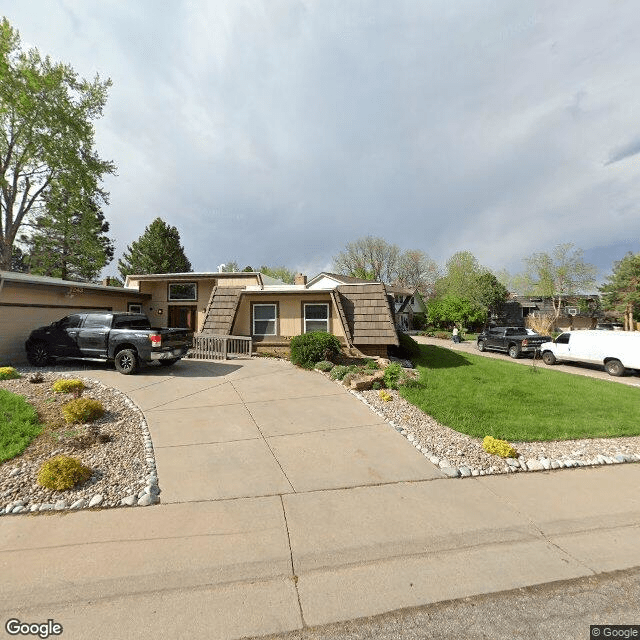
7243 West Walden Drive, Littleton, CO 80129
For more information about senior living options: (866) 208-4318
Meadow Vista Assisted Living At Walden Costs & Pricing
Meadow Vista Assisted Living At Walden offers competitive pricing for its services, with monthly costs that are notably lower than both the county and state averages. For a semi-private room, residents can expect to pay $3,000, which is significantly less than the Douglas County average of $4,298 and the Colorado state average of $4,009. Similarly, the private room option is priced at $3,500 - again more affordable than the Douglas County average of $4,485 and the state average of $4,142. This pricing structure positions Meadow Vista as an attractive choice for those seeking quality assisted living while being mindful of their budget.
| Floor plans | Meadow Vista Assisted Living At Walden | Douglas County | Colorado |
|---|---|---|---|
| Semi-Private | $3,000 | $4,298 | $4,008 |
| Private | $3,500 | $4,485 | $4,142 |
Assisted Living communities with a similar price nearby
-
About the same

A Loving Hand Assisted Living
$3,000 / month10.2 miles away -
from +$500 / mo
Auburn View Assisted Living
$3,500 to $5,600 / month18.7 miles away -
from +$500 / mo

Legacy House Elder Care on Berry
$3,500 to $4,000 / month3.4 miles away -
from -$100 / mo
Rose Of Sharon Weaver Assisted Living
$2,900 to $4,000 / month15.7 miles away -
from +$500 / mo
Legacy House Elder Care
$3,500 to $4,000 / month2.1 miles away
Overall Review of Meadow Vista Assisted Living At Walden
Pros
 Meadow Vista is a safe, clean home where staff know each resident personally and treat them like family.
- Families feel blessed to have found Meadow Vista, with staff who are wonderful, genuinely caring, and loving toward their loved ones.
- The facility offers a true family experience, with a small setting and full-time staff who understand residents’ wants, needs, and preferences.
- The care is warm, attentive, and heartfelt, with staff who view their work as a calling.
- Meals are fresh, delicious, and thoughtfully tailored to residents’ needs.
- Kay and her team are praised for kindness, patience, and devotion, making residents’ days meaningful.
- Families have complete peace of mind, feeling the home puts heart into everything they do.
- The environment feels homey and peaceful, with personalized attention that supports happier, healthier lives.
Cons
 Moving Dad to assisted living wasn’t easy.
Review
Meadow Vista Assisted Living at Walden is best suited for seniors who prize a home-like, intimate setting where caregivers know each resident personally and families gain clear confidence that their loved ones are cherished as part of a family. The community’s small scale is its core advantage: a neighborhood feel in which clean, well-kept spaces, quiet surroundings, and a sense of safety reinforce daily life. Residents are treated as individuals, not cases, with staff members who are consistently present and dedicated, not temporary or contracted. This translates into daily routines that feel familiar, with caregivers who remember preferences, celebrate small victories, and anticipate needs before they arise. For couples who wish to remain together, Meadow Vista’s intimate footprint makes that continuity feasible, a rarity in larger campuses. In short, this is where warmth, attentiveness, and a true sense of home converge for seniors who do not require heavy medical management but demand unflagging, person-centered care.
Those weighing alternatives should consider larger or more programmatically diverse options if the priority list includes expansive social offerings, robust on-site clinical resources, or specialized memory-care wings. A big, bustling campus with formal programming, more structured medical oversight, or a broader activity calendar can be compelling for seniors who crave constant stimulation or require higher-acuity support. Meadow Vista excels at delivering heartfelt care in a intimate setting, but it naturally operates with fewer moving parts than a bigger facility. Families who anticipate frequent, sophisticated therapy services, on-site physicians, or a wide array of health-related amenities may find themselves drawn to alternatives that can scale those services more readily. In such cases, the trade-off is clear: you gain breadth of programming at the expense of the deeply personal, family-like dynamic Meadow Vista consistently delivers.
The strongest pros, personalization, staffing stability, and a genuinely homey atmosphere, effectively offset the most plausible drawbacks. Reviewers repeatedly describe caregivers who know residents by name, respond with patience and warmth, and treat each person as part of a caring circle rather than as an anonymous resident. The small staff-to-resident ratio means vigilance is constant, with round-the-clock attention that brings real peace of mind to families. Freshly prepared meals tailored to individual needs are highlighted as a notable daily delight, complementing the overall sense that life here isn’t merely managed but enjoyed. The home’s cleanliness, safety, and quiet, safe neighborhood setting reinforce the perception of a protective, nurturing environment. The trade-off, less on-site bustle and a leaner menu of clinical services, feels deliberate and acceptable for families seeking tranquility, trust, and a sense of belonging that larger campuses struggle to replicate.
Operationally, Meadow Vista’s advantages flow from leadership and culture as much as from square footage. Kay, Sanjay, and the caregiving team cultivate a hospitable, family-like environment where staff are perceived as extended family members. This warmth is not a soft sentiment but a measurable differentiator: residents who feel known stay more engaged, show fewer behavioral difficulties, and demonstrate steadier daily routines. The ability for residents to age in place within a setting that allows meaningful connection, where caregivers know routine, preferences, and medical cues, produces tangible reassurance for families. The sense of continuity, staff who are not simply present but invested, translates into fewer “change” moments that can unsettle a senior. For families evaluating Meadow Vista, these elements offer a clear signal: care here is anchored in relationship, not just services.
For families actively touring the community, practical checks should focus on how the home-like model translates into daily life. Ask about staff turnover and the proportion of full-time caregivers versus contractors, since consistent faces matter deeply in a setting this intimate. Inquire how meals are customized over time and how dietary needs are managed without sacrificing flavor and enjoyment. Explore opportunities for residents to engage in meaningful routines, small social moments, and family participation in events like meals or activities, elements that often distinguish Meadow Vista from more impersonal facilities. Consider whether the living arrangement supports couples sharing a room or living space, and whether the environment remains quiet and safe while still offering appropriate social interaction. The right questions will reveal whether the anticipated warmth translates into sustained, practical day-to-day life.
In a practical verdict, Meadow Vista Assisted Living at Walden is the right choice for families seeking a compact, homey setting where senior care feels personal, consistent, and genuinely affectionate. It is particularly well-suited for owners and operators who want a small, family-run vibe and for residents who thrive on routine, known staff, and a sense of belonging. Those prioritizing companionship, predictable daily rhythms, and high-touch care will find the offsetting strengths outweigh the absence of large-scale amenities or intensive clinical services. Conversely, for families with significant needs for memory care, advanced medical oversight, or a bustling social calendar, alternatives with broader resources will likely be more suitable. The path to a confident decision should start with a candid visit: observe interactions, test the responsiveness of staff, sample a meal, and assess whether the intimate atmosphere truly translates into daily peace of mind and genuine happiness for the loved one. Meadows Vista at Walden offers that promise, clear, proven, and deeply human.
 8 resident community capacity
 Assisted Living
 Board and Care Home
 Cable or satellite TV
 Dining room
 Fully furnished
 Garden
 Housekeeping services
 Move-in coordination
 Outdoor space
 Private
 Telephone
 Wi-Fi/high-speed internet available
 24-hour supervision
 Activities of daily living assistance
 Assistance with bathing
 Assistance with dressing
 Assistance with transfers
 Diabetes diet
 Diabetic care
 Meal preparation and service
 Medication management
 Special dietary restrictions
 Transportation arrangement (medical)
 Transportation to doctors appointments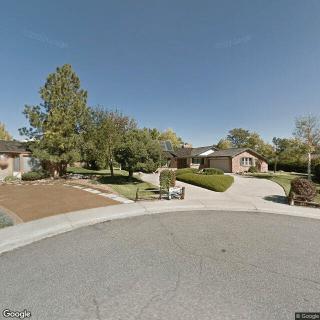



 Understanding the True Cost of Assisted Living in 2025: A Comprehensive Guide
 Understanding Medicaid Coverage for Assisted Living: A Comprehensive Guide
 How and When Medicaid May Cover Assisted Living Costs