
2745 East Irwin Place, Littleton, CO 80122
For more information about senior living options: (866) 208-4318
Overall Review of Lighthouse Assisted Living Inc Irwin House
Pros
 The Irwin House offers a small, home-like setting with only eight residents.
- Chris and Emily provide outstanding direct resident care.
- The environment feels like an extended family among residents and staff, giving families peace of mind.
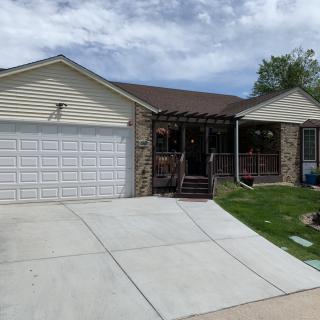
- Lighthouse Assisted Living is not a typical dark nursing home; it is open, bright, and welcoming.
- Will, the versatile staff member, handles maintenance and resident support with a positive attitude.
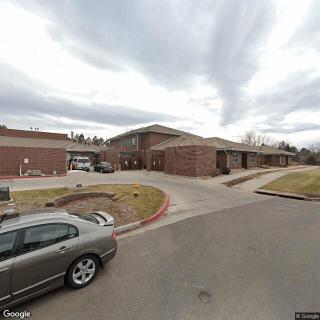
- The facilities feature good-sized rooms, a large yard, and space for residents to roam without feeling confined.
- The staff are praised for respectful treatment of residents and clear communication of needs, even during challenging times like the pandemic and hospice.
Cons
 Transitioning a family member into any type of assisted living or long term care environment can be a stressful and emotional time for everyone.
- The review contrasts Lighthouse with a “dark nursing home,” implying that other facilities feel bleak in comparison.
- The text acknowledges ongoing staffing issues across the industry, suggesting potential negative impacts on resident care.
- The reviewer expresses disappointment that another facility up north did not deliver the same level of care as Lighthouse.
Review
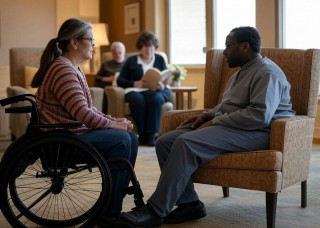
Best suited for families seeking an intimate, home-like environment, Lighthouse Assisted Living Inc Irwin House in Littleton is ideal for an elder who thrives on personal attention and small-community warmth. With only eight residents, the setting feels less like a facility and more like a family house where caregivers know names, routines, and preferences. The care team, led by Chris and Emily, delivers direct, hands-on support, while Will serves as the operational glue, handling maintenance and practical tasks with a consistent smile. For families confronted with the emotional strain of placement, this model offers a clear sense of peace of mind: a predictable, people-centered approach rather than a sprawling, impersonal campus.
From the first-hand experiences shared, the biggest strength lies in the small, homelike atmosphere. Residents have room to roam, and the homes are described as open, clean, and bright, nothing dark or clinical about the Irwin House. The staff remains stable in essential roles, which translates into reliable routines and familiar faces day after day. Chris and Emily are credited with outstanding direct resident care, but the heartbeat of the operation also rests on Will, who fixes wheelchairs, sets up TVs, maintains rooms, and connects with residents. That combination creates predictable reliability, respectful treatment, and meaningful engagement with people who treat elders as family members rather than tasks to complete.
Practical readiness shines in transitions and medical responsiveness. One family notes that Lighthouse was able to step in quickly during a medical crunch, with an owner who has a clinical background reading charts to assess needs in real time. The Irwin House setting, large yard, back deck, appropriately sized rooms, contributes to a sense of autonomy rather than confinement. Communication about needs is emphasized, and the staff is praised for coordinating medical attention as required. Even in difficult periods, such as hospice scenarios, the team demonstrated a willingness to go the extra mile, including bringing a loved one back from hospital care and focusing on comfort and dignity.
Yet a handful of realities accompany the charm. The eight-resident model naturally limits some social options and programming found in bigger communities, and room sizes vary, with some residents sharing spaces. For families prioritizing maximum privacy or private accommodations, that can be a drawback. The best offset lies in the daily attentiveness, the informal social ties among residents, and the visible dedication of Chris, Emily, and Will to keep life moving smoothly. The setting's openness to roaming helps preserve independence, but it does require a scene where family members accept a smaller, more intimate footprint rather than a full-service campus with expansive amenities.
Decision-makers should consider alternatives if certain needs are non-negotiable. For seniors requiring robust, campus-wide programming, a higher nurse-to-resident ratio, or dedicated memory-care resources, a larger assisted living or a dementia-focused facility may offer more structured options. If private rooms are essential, or if intensive clinical oversight is required beyond what this tight-knit team can consistently provide, exploring other communities is prudent. The Irwin House excels when personal connection and hands-on care drive the choice, rather than the breadth of services. It is a particularly strong fit for families seeking a true sense of belonging and dependable, compassionate day-to-day care.
Practical next steps for evaluating Lighthouse: visit during ordinary hours to observe staff interactions with residents, ask about room configurations and future room options, and verify how care plans adapt to changing needs. Speak with Chris, Emily, and Will about current and anticipated medical oversight, and how transitions, if they occur, will be managed. Given the testimonials, the community rewards steady relationships, clear communication, and a genuine culture of respect. For the right elder, this Irwin House represents a compelling balance of intimate setting, hands-on care, and a supportive, extended-family vibe, one that offsets the downsides of size with the strength of relationships that endure.
 8 resident community capacity
 Assisted Living
 Board and Care Home
 Cable or satellite TV
 Dining room
 Fully furnished
 Garden
 Housekeeping services
 Move-in coordination
 Outdoor space
 Telephone
 Wi-Fi/high-speed internet available
 Denver International (25 miles away)
 24-hour supervision
 Activities of daily living assistance
 Assistance with bathing
 Assistance with dressing
 Assistance with transfers
 Diabetes diet
 Meal preparation and service
 Medication management
 Special dietary restrictions
 Transportation arrangement (medical)
 Transportation to doctors appointments





 Comprehensive Residential Support and Assisted Living Solutions for Individuals with Disabilities
 Comprehensive Supportive Living Arrangements for Adults with Disabilities
 Funding and Affording Assisted Living: A Thorough Overview