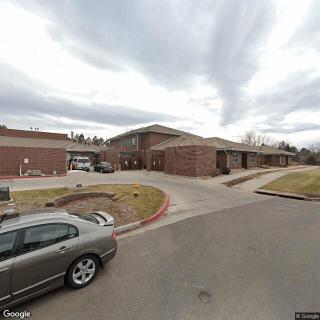
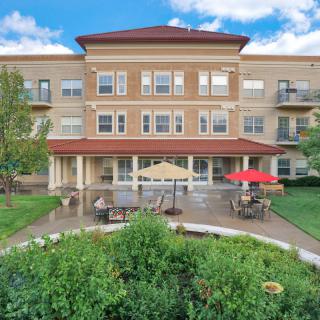
Millbrook Homes Wabash in Englewood, CO

Information last verified:

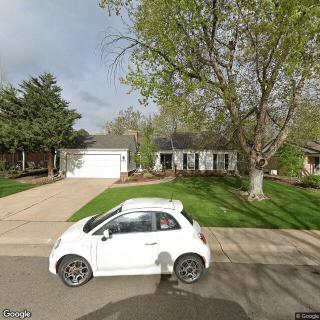
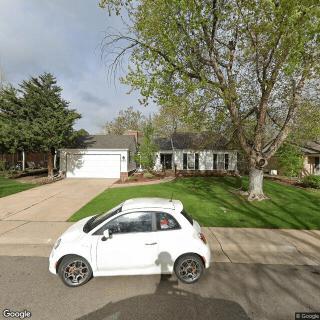
7997 South Wabash Court, Englewood, CO 80111

For more information about senior living options: (844) 490-3973

5 from 1 review

Overall Review of Millbrook Homes Wabash

Pros

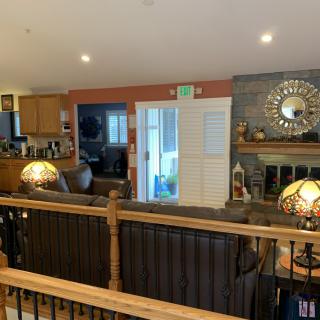
  • pro Millbrook Homes Wabash House feels more like a real home than larger facilities.
  • pro The caregivers are exceptional at what they do and how they do it.
  • pro The home provides love and care every single day.
  • pro The family cannot imagine their mother being anywhere else.
  • pro Millbrook's Wabash House has been an answer to prayer for the family.
  • pro The family would highly recommend Millbrook's Wabash House.

Review

Millbrook Homes Wabash in Englewood is best suited for seniors who prize a true home atmosphere and deeply personal caregiving, where daily life feels more like a cherished routine than an institutional schedule. The setting is intimate enough that caregivers become familiar faces, and the house itself emphasizes warmth and personal connection over formality. For families, that translates into stable patterns, highly relational care, and the sense that a loved one is truly seen and cared for in a consistent, almost familial environment. This is not a place for someone seeking a large campus with a wide array of on-site services; it is a place for those who value belonging, predictability, and a home-like cadence to each day.

Those who may want alternatives are primarily families facing higher medical needs or a desire for broader programming. If a senior requires intensive medical supervision, specialized memory care, or a robust activity calendar spanning multiple therapists and amenities, a larger assisted living community may deliver the degree of clinical support and breadth of programs that Millbrook Homes Wabash cannot match. For memory-care-intensive cases or residents who benefit from a more structured, resource-rich campus atmosphere, exploring bigger facilities with dedicated memory-care wings and on-site specialists would likely be prudent. Cost considerations also factor in, as smaller, intimate homes can carry a premium relative to their size and capacity.

The standout pros center on the homey environment and the caregiving team’s caliber. The review speaks to caregivers who are exceptional in both skill and daily approach, delivering love and care every single day. That level of relational attention translates into safer routines, smoother daily cycles, and a recognizable sense of comfort that many larger communities struggle to sustain. The house feels like a home, with meals, routines, and daily interactions guided by familiar faces. For families, the emotional and psychological benefits, trust, reassurance, and a sense of being “home” for their loved one, often outweigh the absence of more expansive amenities that larger campuses advertise.

There is no explicit red flag mentioned in the firsthand praise, but the inherent trade-offs of a small, home-like setting are real. The intimate footprint typically means fewer on-site medical resources, less formal programming, and limited capacity to scale services quickly if needs change. These factors may be meaningful for residents who anticipate a shift toward more intensive care, require broad rehabilitative services, or expect a wider social calendar. The absence of stated drawbacks in the review should not be mistaken for a lack of care; rather, it signals that for the right resident, the most important outcomes, stability, genuine connection, and humane daily life, are achieved in a manner that larger facilities sometimes struggle to replicate.

Decision-makers should enter conversations with Millbrook Homes Wabash armed with practical questions and a plan to observe day-to-day operations. Inquire about staffing ratios and whether an on-site nurse or physician is available for regular oversight. Ask what rehabilitation services exist on-site, how care plans are developed and updated, and how after-hours concerns are handled. For memory-related needs, confirm capabilities and what options exist if cognitive status evolves. Schedule multiple visits across different times to witness how caregiving feels on each shift, and meet the caregiving team in person to gauge consistency and chemistry. Clarify cost structure, what is included in the rate, and any potential escalators or add-ons.

In sum, Millbrook Homes Wabash presents a compelling choice for families prioritizing a true home atmosphere and deeply personalized caregiver relationships. The emphatic praise for the staff’s devotion and daily generosity signals a level of care that can make a profound difference in a loved one’s happiness and sense of security. For seniors who thrive on intimate attention, predictable routines, and the comforts of a genuine home setting, the pros decisively outweigh the inferred cons. Those whose priorities include intensive medical management, memory-care specialization, or broad, campus-wide programming will likely find more suitable options elsewhere, where scale and clinical resources align with higher needs. The decision, when guided by the loved one’s care needs and family expectations, becomes clear: Millbrook Homes Wabash excels where home trumps breadth; larger campuses excel where breadth trumps homey familiarity.

Features

Housing

  • 5 resident community capacity 5 resident community capacity

Types of Care

  • Assisted Living Assisted LivingAssisted living facilities provide crucial support and care for seniors who may need help with daily tasks such as medication management, bathing, and meal preparation. These communities offer a safe and comfortable environment where seniors can maintain their independence while receiving the assistance they need to thrive in their golden years.
  • Board and Care Home Board and Care HomeBoard and care homes provide a smaller, more intimate setting for seniors who require assistance with daily tasks but do not need the level of care offered by a nursing home. They offer personalized care, meals, and social activities in a homelike environment, ensuring that seniors receive individualized attention and support in their golden years.
  • Memory Care Memory CareMemory care is crucial for seniors as it provides specialized support and services for individuals with dementia or Alzheimer's disease. These programs offer a safe and secure environment where residents receive personalized care, cognitive stimulation, and help with daily activities. Memory care helps seniors maintain their independence, quality of life, and dignity while also providing peace of mind for their families.

Amenities

  • Cable or satellite TV Cable or satellite TVCable or satellite TV is important for seniors because it provides entertainment, news, and companionship, helping to combat loneliness and boredom. It also offers a wide range of programming options tailored to different interests and preferences.
  • Dining room Dining roomDining rooms are important for seniors as they provide a space for socialization, connection, and nutritious meals. They offer opportunities for residents to bond over shared meals, foster a sense of community, and promote healthy eating habits. Dining rooms also ensure that seniors have access to well-balanced meals tailored to their dietary needs and preferences.
  • Fully furnished Fully furnishedFully furnished senior living communities are important for seniors because they provide convenience, comfort, and a hassle-free moving experience. Seniors can easily settle into their new living space without the stress of having to buy and move furniture. This allows them to focus on enjoying their new home and community.
  • Garden GardenGardens are important for seniors as they provide a peaceful and therapeutic environment for relaxation, physical activity, and socialization. Being in nature has been shown to reduce stress, improve mood, and promote overall well-being. Gardens also offer opportunities for seniors to engage in gardening activities, which can improve mobility, flexibility, and cognitive function. Additionally, gardens create a sense of community and connection with others who share a passion for plants and outdoor spaces.
  • Housekeeping services Housekeeping servicesHousekeeping services are important for seniors because they help maintain a clean and safe living environment, promote independence, and reduce the risk of accidents or illnesses. Additionally, having assistance with household chores can alleviate physical strain and allow seniors to focus on other aspects of their well-being.
  • Move-in coordination Move-in coordinationMove-in coordination is important for seniors because it helps ease the transition into their new living environment. It ensures that all logistics, such as packing, organizing movers, and setting up utilities are taken care of, allowing seniors to focus on settling in and adjusting to their new home. Having a smooth move-in process can alleviate stress and anxiety, making the transition smoother and more enjoyable for seniors.
  • Outdoor space Outdoor spaceOutdoor spaces are important for seniors as they provide opportunities for physical activity, social interaction, exposure to natural light and fresh air, and a sense of connection to nature. Having access to outdoor spaces can improve overall well-being and quality of life for older adults living in senior communities.
  • Telephone TelephoneTelephones are important for seniors as they provide a lifeline for communication with loved ones, emergency services, and healthcare providers. They offer a sense of security and independence, enabling seniors to stay connected and access assistance when needed.
  • Wi-Fi/high-speed internet available Wi-Fi/high-speed internet availableWi-Fi/high-speed internet is important for seniors to stay connected with loved ones, access online resources, and participate in virtual activities to combat feelings of loneliness and isolation. It also allows them to easily manage healthcare needs, access entertainment, and engage in lifelong learning opportunities.

Transportation

  • Denver International (23 miles away) Denver International (23 miles away)

Care Services

  • 24-hour supervision 24-hour supervision24-hour supervision is important for seniors to ensure their safety, well-being, and access to immediate assistance in case of emergencies or health issues. This constant support provides peace of mind for both seniors and their loved ones, allowing them to age in place with dignity and security.
  • Activities of daily living assistance Activities of daily living assistanceActivities of daily living assistance are important for seniors because they provide essential support with tasks such as eating, bathing, dressing, and mobility. This assistance helps seniors maintain their independence, dignity, and overall quality of life as they age.
  • Assistance with bathing Assistance with bathingAssistance with bathing is crucial for seniors as it helps maintain personal hygiene, prevents infections, and ensures their overall well-being and comfort. It also provides a sense of dignity and independence for seniors who may struggle with this task on their own.
  • Assistance with dressing Assistance with dressingAssistance with dressing is important for seniors because it helps maintain their independence, promotes personal hygiene, prevents accidents and injuries, and improves overall quality of life. This service ensures that seniors can continue to dress comfortably and confidently, despite any physical limitations they may have.
  • Assistance with transfers Assistance with transfersAssistance with transfers is crucial for seniors as it helps prevent falls and injuries, maintains their independence, and ensures they can safely navigate their living environment. It also provides peace of mind for both seniors and their loved ones.
  • Coordination with health care providers Coordination with health care providersCoordination with health care providers is crucial for seniors to ensure proper medical care, medication management, and overall well-being. This collaboration helps prevent overlapping treatments, track progress more effectively, and provide comprehensive support tailored to individual needs.
  • Dementia waiver Dementia waiverDementia waivers are essential for seniors as they provide critical protections and accommodations for those experiencing cognitive decline. These waivers ensure individuals with dementia receive appropriate care, support, and resources to maintain their quality of life and dignity as they navigate the challenges of this progressive condition.
  • Diabetes diet Diabetes dietA diabetes diet is crucial for seniors as it helps manage blood sugar levels, reduce risks of complications, and improve overall health and well-being. By following a balanced and nutritious diet tailored to their specific needs, seniors can better control their diabetes and enhance their quality of life.
  • Hospice waiver Hospice waiverHospice waivers are important for seniors because they allow individuals to receive specialized end-of-life care and support at home or in a hospice facility. This waiver ensures that seniors can access the necessary resources and services to maintain comfort and dignity during their final days.
  • Meal preparation and service Meal preparation and serviceMeal preparation and service are crucial for seniors as they may have limited mobility or energy to cook nutritious meals. Having access to healthy and convenient food options can ensure they are getting the proper nutrition needed to maintain their overall health and well-being.
  • Medication management Medication managementMedication management is crucial for seniors to ensure they are taking the right medications at the correct dosages and times. This helps prevent adverse drug interactions, reduces the risk of medication errors, and promotes overall health and well-being. Proactive management also allows for adjustments as needed based on changing health conditions or new prescriptions.
  • Mental wellness program Mental wellness programMental wellness programs are essential for seniors as they promote cognitive stimulation, emotional support, and social engagement. These programs help prevent isolation, depression, and cognitive decline, ultimately enhancing the overall quality of life for older adults.
  • Mild cognitive impairment Mild cognitive impairment"Mild cognitive impairment" is important for seniors because it is an early stage of cognitive decline that can potentially progress to more severe conditions such as dementia. Recognizing and addressing mild cognitive impairment can help seniors receive appropriate care and support to maintain their quality of life and independence for as long as possible.
  • Special dietary restrictions Special dietary restrictionsSpecial dietary restrictions are important for seniors because age-related changes in metabolism and health conditions can make it difficult for their bodies to process certain foods. By following a diet tailored to their specific needs, seniors can maintain their overall health and well-being, manage chronic conditions, and reduce the risk of complications such as malnutrition or food interactions with medications.
  • Specialized memory care programming Specialized memory care programmingSpecialized memory care programming is crucial for seniors with cognitive impairments such as dementia or Alzheimer's disease. These programs provide a safe and supportive environment tailored to the unique needs of individuals with memory loss, helping them maintain their independence, dignity, and quality of life.
  • Transportation arrangement (medical) Transportation arrangement (medical)Transportation arrangements for medical purposes are essential for seniors as they may have difficulty driving themselves to appointments or accessing public transportation. Having reliable and safe transportation options ensures that seniors can receive timely medical care and maintain their health and well-being.
  • Transportation to doctors appointments Transportation to doctors appointmentsTransportation to doctors' appointments is crucial for seniors as it ensures they have access to necessary medical care and support for their health needs. Without reliable transportation, seniors may struggle to attend important appointments, leading to potential delays in treatment and health complications. Providing transportation services helps seniors maintain their overall well-being and quality of life.
Dining

  • Diabetes diet Diabetes dietA diabetes diet is crucial for seniors as it helps manage blood sugar levels, reduce risks of complications, and improve overall health and well-being. By following a balanced and nutritious diet tailored to their specific needs, seniors can better control their diabetes and enhance their quality of life.
  • Special dietary restrictions Special dietary restrictionsSpecial dietary restrictions are important for seniors because age-related changes in metabolism and health conditions can make it difficult for their bodies to process certain foods. By following a diet tailored to their specific needs, seniors can maintain their overall health and well-being, manage chronic conditions, and reduce the risk of complications such as malnutrition or food interactions with medications.

Activities

  • Community-sponsored activities Community-sponsored activitiesCommunity-sponsored activities are important for seniors as they provide opportunities for social interaction, mental stimulation, and physical activity. These activities can help improve overall well-being, combat loneliness and isolation, and promote a sense of belonging and purpose among older adults.
  • Scheduled daily activities Scheduled daily activitiesScheduled daily activities are important for seniors because they provide structure, socialization, mental stimulation, and physical activity. Engaging in regular activities can improve overall well-being and quality of life for seniors living in a community setting.

Description

The Millbrook Homes Wabash in Englewood, CO is an assisted living community that offers a range of care services for seniors. The community provides Board and Care Home as well as specialized Memory Care for individuals with dementia or cognitive impairments.

Residents of Millbrook Homes Wabash can enjoy various amenities to enhance their living experience. These include a spacious dining room where nutritious meals are served, fully furnished accommodations, access to a beautiful garden, housekeeping services to maintain cleanliness, move-in coordination assistance, outdoor spaces to relax in, and both telephone and Wi-Fi/high-speed internet connectivity.

The community is committed to ensuring the well-being of its residents by providing a comprehensive range of care services. These include assistance with activities of daily living such as bathing and dressing, transfers, coordination with healthcare providers for medical needs, specialized care through the Dementia waiver program, management of diabetes diet requirements, hospice waiver for end-of-life care if needed, meal preparation and service, medication management, mental wellness programs to promote emotional health, catering to special dietary restrictions, tailored memory care programming for those with cognitive impairments, and transportation arrangement assistance for medical appointments.

Residents also have access to a variety of enriching activities that are scheduled daily to promote social engagement and overall well-being. In addition to the excellent amenities and care services provided within the community itself, there are numerous nearby cafes, parks for outdoor recreation opportunities amidst the natural surroundings, pharmacies for easy access to medications and healthcare supplies when needed, physicians' offices in close proximity for regular medical check-ups or appointments if necessary. There are also plenty of restaurants nearby offering diverse culinary options. Additionally transportation services are available within reach allowing residents to comfortably travel around town as needed. Places of worship are also close by for spiritual support.

Overall the Millbrook Homes Wabash offers a comfortable and supportive environment where seniors can receive quality care while enjoying an enriching lifestyle in Englewood, CO.

Nearby Places of Interest

Physicians

  • Pediatrics 5280, PC (0.4 miles)
  • Clinix Center for Health (1.2 miles)
  • Spivack Vision Center (1.4 miles)
  • Kaiser Permanente (2.1 miles)
  • Dr Bruce Henry Albrecht, MD (2.7 miles)
  • Colorado Center For Reproductive Medicine (3 miles)
  • Inivision Sally Jobe (3.1 miles)

Restaurants

  • Chick-Fil-A (0.6 miles)
  • In-N-Out Burger (0.6 miles)
  • Freddy's Frozen Custard & Steakburgers (0.8 miles)
  • The Cheesecake Factory (0.9 miles)
  • The White Chocolate Grill (0.9 miles)
  • Yard House (0.9 miles)
  • Seasons 52 (0.9 miles)

Pharmacies

  • Walgreens (0.7 miles)
  • Walgreens (0.8 miles)
  • Walgreens (2.4 miles)
  • Walgreens (3.4 miles)
  • Walgreens (4 miles)
  • Walgreens (4.1 miles)
  • Target Pharmacy (4.8 miles)

Cafes

  • Starbucks (0.9 miles)
  • Starbucks (1.2 miles)
  • Starbucks (1.7 miles)
  • Starbucks (2.6 miles)
  • Black Rock Coffee Bar (3.9 miles)
  • Dutch Bros Coffee (4.1 miles)
  • Starbucks (5.3 miles)

Transportation

  • Arapahoe Light Rail Station (2 miles)

Parks

  • Bluffs Regional Park (3 miles)
  • Centennial Center Park (3.3 miles)
  • Dove Ridge Park (4.6 miles)
  • Rosamond Park (4.7 miles)
  • Spearwood Park (4.7 miles)
  • Sierra Ridge Park (4.8 miles)
  • Cherry Creek Dog Park (4.9 miles)

Places of Worship

  • Pax Christi Catholic Church (3.8 miles)
  • Mission Hills Church (5.6 miles)
  • Temple Sinai (5.9 miles)

Theaters

  • AMC Arapahoe Crossing 16 (5.2 miles)
  • AMC Highlands Ranch 24 (5.5 miles)

Hospitals

  • UCHealth Highlands Ranch Hospital (6.3 miles)
  • Children's Hospital Colorado South Campus (6.4 miles)

Frequently Asked Questions

Where is Millbrook Homes Wabash?
Does Millbrook Homes Wabash provide care for residents with dementia or Alzheimer's disease?

Nearby Communities

  • TheKey Centennial

    TheKey Centennial

    Centennial, CO

    5 from 3 reviews
     

    pro Excellent access to nearby amenities (cafes, pharmacies, restaurants, parks, worship, and entertainment).

  • Serenity House Assisted Living Hunters Hill

    Serenity House Assisted Living Hunters Hill

    Englewood, CO

    4.8 from 11 reviews
    $5,200 to $6,500 / month

    pro Safe, caring environment with attentive staff and engaging activities.

  • Ashley Manor - Ulster

    Ashley Manor - Ulster

    Centennial, CO

    5 from 1 review
    $2,900 / month

    pro Budget-friendly private accommodations with short-term respite options.

  • Abbey Road Assisted Living Ulster

    Abbey Road Assisted Living Ulster

    Englewood, CO

    5 from 1 review
    $2,500 to $3,500 / month

    pro Affordably priced with a small, intimate setting for personalized care.

  • Abbey Road Assisted Living Newport

    Abbey Road Assisted Living Newport

    Englewood, CO


    pro Cozy, home-like setting with personalized care and 24-hour supervision in a small, nine-bed community.

  • Colorado Assisted Living Homes Easter

    Colorado Assisted Living Homes Easter

    Englewood, CO


    pro Small, homelike setting with personalized care and memory care options.

  • Brookdale Greenwood Village

    Brookdale Greenwood Village

    Greenwood Village, CO

    4 from 201 reviews
    $3,845 to $7,695 / month

    pro Compassionate staff, engaging activities, and a clean, home-like environment.

  • Orchard Park Health Care Center

    Orchard Park Health Care Center

    Littleton, CO

    3.5 from 106 reviews
    $4,800 to $5,370 / month

    pro Therapy services praised; clean facility with private rooms.

  • The Inn At Greenwood Village

    The Inn At Greenwood Village

    Greenwood Village, CO

    4.8 from 167 reviews
    $5,049 / month

    pro Caring, personalized staff; diverse dining options; well-maintained, pleasant grounds.

Related Resources

  • what do dementia patients think aboutDelving into the Inner World of Dementia: Insights into Thoughts and Awareness

    Dementia, primarily caused by Alzheimer's disease but also linked to other conditions, leads to cognitive decline impacting memory and daily functioning, with individuals experiencing varied awareness of their impairments. Despite memory loss, emotional connections persist, enabling responses to familiar stimuli, highlighting the need for caregivers to provide compassionate support that recognizes both limitations and retained emotional depth.

  • does my mom have dementia quizFive Subtle Dementia Indicators to Observe: An In-Depth Guide to Understanding “Does My Mom Have Dementia?”

    The article presents five subtle indicators of dementia, such as memory lapses and mood swings, to help families assess cognitive decline in loved ones. It emphasizes early detection, open communication, and seeking professional help while providing practical support steps.

  • dementia paranoiaDementia, Paranoia, and Caregiver Guidance: Understanding the Connection

    Dementia encompasses progressive neurological disorders that impair cognitive functions and can lead to paranoia due to cognitive decline and emotional changes. The article discusses the triggers of paranoia in dementia, caregiver strategies for managing it, and the importance of distinguishing between dementia-related paranoia and other psychiatric conditions.