
378 South Pearl Street, Elizabeth, CO 80107
For more information about senior living options: (866) 208-4318
Overall Review of Pine Ridge Terrace Manor
Pros
 Pine Ridge Assisted Living is organized, clean, and staffed by professional nurses in a family setting.
- The staff are upbeat, encouraging to residents, and easy to talk to, able to explain things clearly.
- They are caring, wonderful people who provide good food, conversation, games, and quiet time.
- The resident is happy and well taken care of, with strong communication among doctors, therapists, and families working together for quality of life.
- The staff continuously learn and adapt to keep things moving smoothly, truly an extension of the family.
- The staff treated Grandpa as family, which was especially important during COVID.
- Pine Ridge Terrace stood out as the happiest and best-cared-for option among several facilities.
- A brand-new facility run by a family of nurses offers phenomenal care, including accommodating ostomies and familiar meals.
Cons
 The website was flagged as dangerous, there was no answer on the phone, and the service was not comforting.
- The place is horrible.
- The facility was not able to provide care for the reviewer’s mother.
- The staff claimed they could not handle her emotional needs, and attributed fault to the reviewer for placing her in assisted living during a pandemic.
- The staff did not want her to leave because she was a source of income for them.
- The family-owned business was unprofessional, and if one member was upset, the others reacted badly.
Review
Pine Ridge Terrace Manor in Elizabeth, CO is best suited for families seeking a hands-on, nurse-led, intimate setting where care feels like a true extension of home. It works well for residents who need attentive daily support, strong medical coordination, and a family-driven atmosphere that prizes individualized attention, good meals, and meaningful activity. The model shines when staff are accessible, speak plainly, and partner closely with doctors, physical therapy, and other specialists to adjust care as needs evolve. It is particularly appealing for families managing higher-acuity situations, ostomy care, or dementia-related care where consistent, compassionate contact with direct caregivers makes a tangible difference. Those who want a large, impersonal corporate environment or a facility with rigid, one-size-fits-all protocols may want to consider alternatives.
The strongest assets lie in the practical, person-centered approach. The facility presents as organized, clean, and staffed by professional nurses who operate within a warm, family-like culture. Families repeatedly note that staff are easy to talk to, able to explain complex care decisions clearly, and genuinely engaged in each resident’s well-being. The daily routine includes good food, conversation, games, and quiet time, elements that support dignity and mood. Importantly, the care teams coordinate well with physicians, physical therapy, and other specialists, ensuring care plans move forward smoothly. The operation demonstrates a willingness to learn, adapt, and keep the care plan aligned with the person’s evolving needs, which many families treat as essential for long-term comfort.
Examples from multiple residents illustrate why this community matters. Several reviews highlight acceptance of higher-medical-needs residents, such as those with ostomies, who were rarely welcomed elsewhere. The ability to tailor meals and routines to a resident’s preferences is repeatedly cited as meaningful, for example, meals aligned with familiar tastes and a flexible schedule that respects a loved one’s natural rhythms. Families describe scenes of genuine emotional support, timely responses to concerns, and proactive communication about changes in health status. The care philosophy here often translates into longer, more collaborative conversations with family members, rather than distant, quarterly check-ins, which appears to reduce surprises and foster trust.
However, the feedback is not without caveats. One reviewer characterizes the initial online presence and phone accessibility as troubling, a reminder that first impressions can influence perceived reliability. Another important caution centers on the potential fragility of a family-owned operation: when tensions arise, some families felt the response could become personal rather than professional. There are also explicit accounts of a level of dissatisfaction related to emotional or care gaps for residents with severe dementia or stroke-related needs. Taken together, these concerns underscore the real risk that a smaller, family-run setting may rely more on interpersonal dynamics than on a large, standardized escalation path.
These contrasts matter when forming a decision. The pros, high-touch caregiving, rapid responsiveness, direct caregiver access, and a culture that treats residents like family, often offset potential downsides by delivering consistently personalized care and meaningful quality-of-life improvements. For families who prioritize ongoing dialogue, visible caregiver involvement, and the flexibility to accommodate specialized tasks (such as ostomy management) without passing to a distant administrator, Pine Ridge Terrace Manor is remarkably compelling. For those who seek a larger, more impersonal framework with rigid governance, or for residents requiring highly structured, memory-care-first programming with strict staffing models, alternatives may fit better.
In the end, Pine Ridge Terrace Manor stands out as a practical, seasoned choice for families prioritizing hands-on, compassionate care delivered in a homey, responsive environment. It excels when the goal is to partner closely with caregivers, ensure medical coordination is tangible, and uphold a resident’s routines and preferences. Prospective families should verify current capabilities, especially around high-acuity needs and after-hours coverage, and discuss the facility’s approach to staff consistency and escalation protocols. When those pieces align, this community offers a genuine, trustworthy path to comfort, dignity, and quality of life for both residents and their families.
 8 resident community capacity
 Assisted Living
 Cable or satellite TV
 Dining room
 Fully furnished
 Garden
 Housekeeping services
 Move-in coordination
 Outdoor space
 Telephone
 Wi-Fi/high-speed internet available
 24-hour supervision
 Activities of daily living assistance
 Assistance with bathing
 Assistance with dressing
 Assistance with transfers
 Diabetes diet
 Meal preparation and service
 Medication management
 Special dietary restrictions
 Transportation arrangement (medical)
 Transportation to doctors appointments


 Assisted Living and Memory Care: Understanding Their Core Differences
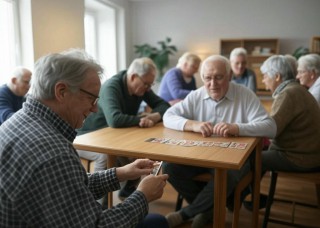 Beyond the Bingo Hall: 50+ Enriching Activities for Seniors in Assisted Living
 Understanding the Distinctions: Assisted Living and Memory Care Explained