The Homestead At Lakewood

Information last verified:

2121 Wadsworth Boulevard, Lakewood, CO 80214

For more information about senior living options: (844) 490-3973

4 from 16 reviews
5 stars
12
4 stars
0
3 stars
0
2 stars
0
1 stars
4

The Homestead At Lakewood Costs & Pricing

The Homestead At Lakewood offers notably competitive pricing compared to the regional and state averages for assisted living facilities. With a semi-private room priced at $1,200, residents enjoy significant savings when compared to Jefferson County's average of $4,114 and Colorado's statewide average of $4,009. Similarly, the one-bedroom option at $1,250 remains well below both the county and state averages of $4,076 and $4,119 respectively. Even for larger accommodations such as the two-bedroom suite at $1,795 and studio apartments at $3,150, The Homestead maintains an appealing cost advantage over local competitors. This value proposition underscores The Homestead At Lakewood's commitment to providing accessible senior living options without compromising on quality or comfort.

Floor plansThe Homestead At LakewoodJefferson CountyColorado
Semi-Private$1,200$4,114$4,008
1 Bedroom$1,250$4,076$4,118
2 Bedrooms$1,795$4,881$4,580
Studio$3,150$4,174$4,088

Overall Review of The Homestead At Lakewood

Pros

  • pro The staff is extremely helpful and the residents are very nice.
  • pro The caregivers provide compassionate and loving care to residents.
  • pro The new owners have renovated the facility and created new social opportunities for residents.
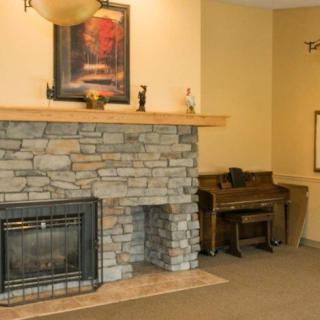
  • pro The space feels homey and welcoming.
  • pro The meals are excellent and served with flourish.
  • pro The property is charming, family-owned, with many living options to suit different needs.

Cons

  • pro The management at the facility was described as extremely disappointing.
  • pro The culture at the facility felt more like intimidation than leadership.
  • pro Cassie was shockingly unprofessional—rude, dismissive, and completely absent when it mattered most.
  • pro Her refusal to show face to the family during the tragic incident involving medical malpractice that resulted in death was inexcusable.
  • pro There was no compassion, no accountability, and no transparency—just silence.
  • pro The owner is a liar and a cheat.

Review

The Homestead At Lakewood is best suited for seniors who want a small, homey, family-owned environment where caregivers know residents by name, daily routines feel intimate, and social activity is built into everyday life. Families with residents who prize hands-on attention, accessible owners, and a warm, community-oriented atmosphere will find much to value here. It is particularly appealing to those who want strong hospice collaboration, responsive caregiving, and a setting that feels comfortable rather than clinical. However, this is not the right choice for families that require rigid governance, transparent accountability during crises, and a consistently proactive administrative presence. The tension between a cherished, personal touch and leadership gaps can be meaningful enough to steer some toward alternatives.

On the plus side, the care experience frequently shines in day-to-day operations. Multiple residents and family members recount staff who are attentive, kind, and genuinely engaged with residents’ well-being. The setting is described as intimate and welcoming, with meals served with care and a home-like warmth that many families associate with comfort and security. Staff members cited by families, Roselie, Meredith, and Kelly among them, are highlighted for their helpfulness and for accommodating resident needs. The facility’s renovations and emphasis on social activities contribute to a sense of freshness without losing the familiar, neighborhood feel. For families who prioritize ongoing access to caregivers who know their loved one’s history, these elements can translate into meaningful peace of mind.

Yet the most significant threat to the experience lies in management culture. A substantial portion of feedback centers on a troubling dynamic described as intimidating rather than supportive leadership. One account pins the fault on a specific manager, noting unprofessional behavior, dismissiveness, and a painful absence at a critical moment involving medical malpractice and a resident’s death. The core concerns go beyond individual missteps and touch on transparency, accountability, and how seriously families’ voices are heard when problems arise. Another reviewer flatly labels the owner as dishonest, signaling a potential risk in trusting the governance structure to act decisively in tough situations. Taken together, these insights cast a long shadow over otherwise strong caregiving.

The contrast between the strong day-to-day care and the problematic governance creates a practical must-answer question for families: can the positive, intimate care compensate for the risk of administrative inconsistency? For many, the answer will depend on whether the current ownership demonstrates clear, ongoing improvements in communication, incident response, and staff empowerment. The homey environment and the proven capacity for compassionate caregiving are not trivial advantages; they translate into real, everyday quality of life. However, when families fear silence or ambiguity during crises, the comfort of a familiar face at the bedside may be outweighed by a desire for a governance framework that consistently demonstrates accountability.

For those weighing alternatives, this community may be less attractive to families that require a more formalized, transparent leadership model or a robust escalation path during emergencies. If governance, open dialogue with families, and proactive problem-solving are non-negotiables, exploring other options with a track record of steady administrative responsiveness is prudent. Prospective residents with higher sensitivity to organizational culture, who want assurance that concerns will be heard and acted upon quickly, may find peace of mind in a setting where leadership operates with greater overt accountability.

In the end, The Homestead At Lakewood offers a compelling blend of warmth, personal attention, and a lively, home-like routine. The strongest endorsements come from families who relish a caring, intimate community and feel confident in the daily caregiving team's ability to meet needs with kindness. The counterbalance is the risk that governance and crisis management may not consistently match that empathetic care, a mismatch that can complicate decisions for families facing acute care planning or end-of-life considerations. The prudent course is to visit with a clear set of questions about management accountability, request opportunities to speak with multiple staff and families, and verify how recent ownership changes have reshaped incident handling and transparency. If alignment is found, this community can be a warm, life-affirming home; if not, a careful comparison with alternatives is strongly advised.

Features

Housing

  • 36 resident community capacity 36 resident community capacity

Types of Care

  • Assisted Living Assisted LivingAssisted living facilities provide crucial support and care for seniors who may need help with daily tasks such as medication management, bathing, and meal preparation. These communities offer a safe and comfortable environment where seniors can maintain their independence while receiving the assistance they need to thrive in their golden years.
  • Day Program Day ProgramDay programs are important for seniors because they provide a safe and supportive environment where older adults can socialize, engage in activities, receive assistance with daily tasks, and access valuable resources and services. These programs help prevent isolation and loneliness, promote mental and physical well-being, and offer a sense of purpose and community for seniors.
  • Independent Living Independent LivingIndependent living communities are important for seniors because they offer a safe and supportive environment where older adults can live independently while still having access to amenities and services that enhance their quality of life. These communities provide social opportunities, recreational activities, and assistance with daily tasks, promoting overall well-being and allowing seniors to maintain their independence for as long as possible.
  • Respite Care Respite CareRespite care provides temporary relief for caregivers, allowing them to recharge and attend to their own needs. It also gives seniors the opportunity to socialize, receive professional care, and experience a change of scenery, promoting overall well-being and reducing feelings of isolation.

Amenities

  • Activities on-site Activities on-siteActivities on-site are important for seniors because they provide opportunities for socialization, mental stimulation, physical activity, and overall well-being. Engaging in activities can help seniors stay active, maintain their independence, and improve their quality of life.
  • Beauty salon Beauty salonBeauty salons are important for seniors because they provide a space for them to feel pampered, socialize, and maintain their personal grooming and hygiene. Regular visits to a beauty salon can help boost seniors' self-esteem and overall well-being.
  • Cable or satellite TV Cable or satellite TVCable or satellite TV is important for seniors because it provides entertainment, news, and companionship, helping to combat loneliness and boredom. It also offers a wide range of programming options tailored to different interests and preferences.
  • Devotional services off-site Devotional services off-siteDevotional services off-site are important for seniors as they provide spiritual nourishment, social engagement, and a sense of community outside of the senior living facility. This can enhance overall well-being and help combat feelings of isolation and loneliness often experienced by older adults.
  • Dining room Dining roomDining rooms are important for seniors as they provide a space for socialization, connection, and nutritious meals. They offer opportunities for residents to bond over shared meals, foster a sense of community, and promote healthy eating habits. Dining rooms also ensure that seniors have access to well-balanced meals tailored to their dietary needs and preferences.
  • Fully furnished Fully furnishedFully furnished senior living communities are important for seniors because they provide convenience, comfort, and a hassle-free moving experience. Seniors can easily settle into their new living space without the stress of having to buy and move furniture. This allows them to focus on enjoying their new home and community.
  • Garden GardenGardens are important for seniors as they provide a peaceful and therapeutic environment for relaxation, physical activity, and socialization. Being in nature has been shown to reduce stress, improve mood, and promote overall well-being. Gardens also offer opportunities for seniors to engage in gardening activities, which can improve mobility, flexibility, and cognitive function. Additionally, gardens create a sense of community and connection with others who share a passion for plants and outdoor spaces.
  • Housekeeping services Housekeeping servicesHousekeeping services are important for seniors because they help maintain a clean and safe living environment, promote independence, and reduce the risk of accidents or illnesses. Additionally, having assistance with household chores can alleviate physical strain and allow seniors to focus on other aspects of their well-being.
  • Indoor common areas Indoor common areasIndoor common areas are crucial for seniors as they provide a space for socialization, recreation, and community engagement, promoting overall well-being and reducing feelings of isolation and loneliness.
  • Kitchenette KitchenetteKitchenettes are important for seniors living in senior living communities because they provide the convenience and independence of being able to prepare simple meals and snacks in the comfort of their own living space. This can help promote a sense of autonomy and well-being for seniors, allowing them to maintain some level of control over their dietary choices and daily routines.
  • Move-in coordination Move-in coordinationMove-in coordination is important for seniors because it helps ease the transition into their new living environment. It ensures that all logistics, such as packing, organizing movers, and setting up utilities are taken care of, allowing seniors to focus on settling in and adjusting to their new home. Having a smooth move-in process can alleviate stress and anxiety, making the transition smoother and more enjoyable for seniors.
  • Outdoor space Outdoor spaceOutdoor spaces are important for seniors as they provide opportunities for physical activity, social interaction, exposure to natural light and fresh air, and a sense of connection to nature. Having access to outdoor spaces can improve overall well-being and quality of life for older adults living in senior communities.
  • Respite or short term stays offered Respite or short term stays offeredRespite or short term stays provide seniors with a temporary solution when their regular caregiver is unavailable, offering them the opportunity to receive additional care and support during times of need, while also giving caregivers a chance to rest and recharge.
  • Restaurant-style dining Restaurant-style diningRestaurant-style dining is important for seniors because it allows them to enjoy delicious, nutritious meals in a social and upscale setting. This enhances their dining experience, promotes healthy eating habits, and fosters socialization with fellow residents, ultimately contributing to their overall well-being and quality of life.
  • Small library Small librarySmall libraries are important for seniors as they provide access to a variety of reading materials, including books, newspapers, and magazines. This can help stimulate their minds, keep them engaged, and provide a sense of community through book clubs and other social activities. Additionally, reading has been shown to improve cognitive function and overall mental well-being in older adults.
  • Telephone TelephoneTelephones are important for seniors as they provide a lifeline for communication with loved ones, emergency services, and healthcare providers. They offer a sense of security and independence, enabling seniors to stay connected and access assistance when needed.
  • Wi-Fi/high-speed internet available Wi-Fi/high-speed internet availableWi-Fi/high-speed internet is important for seniors to stay connected with loved ones, access online resources, and participate in virtual activities to combat feelings of loneliness and isolation. It also allows them to easily manage healthcare needs, access entertainment, and engage in lifelong learning opportunities.

Transportation

  • Denver International (23 miles away) Denver International (23 miles away)

Care Services

  • 24-hour call system 24-hour call system24-hour call systems are important for seniors because they provide peace of mind and immediate assistance in case of emergencies. This technology ensures that help is always available, promoting safety and security for elderly individuals living alone or in assisted living facilities.
  • 24-hour supervision 24-hour supervision24-hour supervision is important for seniors to ensure their safety, well-being, and access to immediate assistance in case of emergencies or health issues. This constant support provides peace of mind for both seniors and their loved ones, allowing them to age in place with dignity and security.
  • Activities of daily living assistance Activities of daily living assistanceActivities of daily living assistance are important for seniors because they provide essential support with tasks such as eating, bathing, dressing, and mobility. This assistance helps seniors maintain their independence, dignity, and overall quality of life as they age.
  • Ambulatory care Ambulatory care"Ambulatory care services provide essential medical support and treatment to seniors without requiring hospitalization, allowing them to maintain their independence and quality of life while managing chronic conditions or receiving routine medical care."
  • Assistance with bathing Assistance with bathingAssistance with bathing is crucial for seniors as it helps maintain personal hygiene, prevents infections, and ensures their overall well-being and comfort. It also provides a sense of dignity and independence for seniors who may struggle with this task on their own.
  • Assistance with dressing Assistance with dressingAssistance with dressing is important for seniors because it helps maintain their independence, promotes personal hygiene, prevents accidents and injuries, and improves overall quality of life. This service ensures that seniors can continue to dress comfortably and confidently, despite any physical limitations they may have.
  • Assistance with transfers Assistance with transfersAssistance with transfers is crucial for seniors as it helps prevent falls and injuries, maintains their independence, and ensures they can safely navigate their living environment. It also provides peace of mind for both seniors and their loved ones.
  • Diabetes diet Diabetes dietA diabetes diet is crucial for seniors as it helps manage blood sugar levels, reduce risks of complications, and improve overall health and well-being. By following a balanced and nutritious diet tailored to their specific needs, seniors can better control their diabetes and enhance their quality of life.
  • Diabetic care Diabetic careDiabetic care is crucial for seniors as they are more susceptible to developing diabetes due to aging and other health conditions. Proper management of diabetes can help prevent complications such as heart disease, vision loss, and nerve damage, improving the overall quality of life for seniors in senior living communities.
  • Meal preparation and service Meal preparation and serviceMeal preparation and service are crucial for seniors as they may have limited mobility or energy to cook nutritious meals. Having access to healthy and convenient food options can ensure they are getting the proper nutrition needed to maintain their overall health and well-being.
  • Medication management Medication managementMedication management is crucial for seniors to ensure they are taking the right medications at the correct dosages and times. This helps prevent adverse drug interactions, reduces the risk of medication errors, and promotes overall health and well-being. Proactive management also allows for adjustments as needed based on changing health conditions or new prescriptions.
  • Mental wellness program Mental wellness programMental wellness programs are essential for seniors as they promote cognitive stimulation, emotional support, and social engagement. These programs help prevent isolation, depression, and cognitive decline, ultimately enhancing the overall quality of life for older adults.
  • Special dietary restrictions Special dietary restrictionsSpecial dietary restrictions are important for seniors because age-related changes in metabolism and health conditions can make it difficult for their bodies to process certain foods. By following a diet tailored to their specific needs, seniors can maintain their overall health and well-being, manage chronic conditions, and reduce the risk of complications such as malnutrition or food interactions with medications.
Dining

  • Diabetes diet Diabetes dietA diabetes diet is crucial for seniors as it helps manage blood sugar levels, reduce risks of complications, and improve overall health and well-being. By following a balanced and nutritious diet tailored to their specific needs, seniors can better control their diabetes and enhance their quality of life.
  • Meals provided Meals provided"Meals provided" are crucial for seniors in assisted living communities as it ensures they have access to nutritious, balanced meals without the stress of meal planning and preparation. This can help promote overall health and well-being for seniors who may have limited mobility or cognitive abilities.
  • Special dietary restrictions Special dietary restrictionsSpecial dietary restrictions are important for seniors because age-related changes in metabolism and health conditions can make it difficult for their bodies to process certain foods. By following a diet tailored to their specific needs, seniors can maintain their overall health and well-being, manage chronic conditions, and reduce the risk of complications such as malnutrition or food interactions with medications.

Activities

  • Activities on-site Activities on-siteActivities on-site are important for seniors because they provide opportunities for socialization, mental stimulation, physical activity, and overall well-being. Engaging in activities can help seniors stay active, maintain their independence, and improve their quality of life.
  • Community-sponsored activities Community-sponsored activitiesCommunity-sponsored activities are important for seniors as they provide opportunities for social interaction, mental stimulation, and physical activity. These activities can help improve overall well-being, combat loneliness and isolation, and promote a sense of belonging and purpose among older adults.
  • Devotional activities offsite Devotional activities offsiteDevotional activities offsite are important for seniors because they provide social engagement, spiritual growth, and a sense of community outside of their living environment. This can improve overall well-being, mental health, and combat feelings of isolation or loneliness.
  • Resident-run activities Resident-run activitiesResident-run activities are important for seniors as they encourage social interaction, creativity, and a sense of autonomy. These activities empower seniors to stay engaged and active in their community while fostering meaningful connections with their peers.
  • Scheduled daily activities Scheduled daily activitiesScheduled daily activities are important for seniors because they provide structure, socialization, mental stimulation, and physical activity. Engaging in regular activities can improve overall well-being and quality of life for seniors living in a community setting.

Description

The Homestead At Lakewood in Lakewood, CO is an assisted living community that offers various types of care to cater to the individual needs and preferences of each resident. Whether one requires day program services, independent living support, or respite care, The Homestead provides a range of options.

The community boasts several amenities designed to enhance the quality of life for its residents. These include a beauty salon, allowing individuals to pamper themselves without leaving the premises. Residents can enjoy their favorite shows with access to cable or satellite TV. Devotional services off-site provide spiritual nourishment and connection.

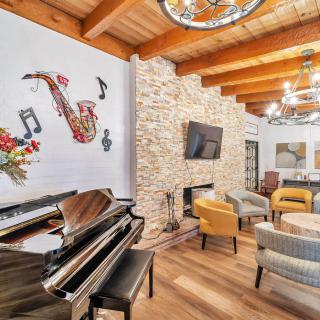
Meals are served in a cozy dining room with restaurant-style dining, providing nutritious and tasty options for residents. The apartments are fully furnished, ensuring comfort and convenience upon move-in. Housekeeping services keep living spaces clean and tidy, while indoor common areas encourage social interaction among residents. A small library offers opportunities for reading and relaxation.

Residents have access to Wi-Fi/high-speed internet throughout the community, allowing them to stay connected with loved ones virtually. For those who prefer some fresh air and outdoor activities, there is an outdoor space available. As part of the move-in coordination process, staff assist residents in settling into their new homes seamlessly.

Care services at The Homestead prioritize the well-being and safety of residents. With 24-hour supervision provided by trained professionals, families can have peace of mind knowing their loved ones are always supported. Staff members offer assistance with activities of daily living such as bathing, dressing, and transfers.

For individuals with specific dietary requirements such as diabetes care or special dietary restrictions, The Homestead ensures personalized meal plans are implemented accordingly. Medication management is also provided to guarantee proper administration.

To promote mental wellness among residents, The Homestead offers a program tailored to meet their emotional needs. This includes community-sponsored activities that foster engagement within the close-knit community as well as devotional activities offsite for spiritual enrichment. Resident-run activities empower individuals to actively participate in planning and organizing events, fostering a sense of belonging.

The Homestead At Lakewood benefits from its location, with convenient access to various amenities nearby. With several cafes, parks, pharmacies, physicians, restaurants, places of worship, theaters, and hospitals in close proximity, residents can easily enjoy the services and entertainment the area has to offer.

Overall, The Homestead At Lakewood provides a comfortable and supportive environment for seniors seeking assisted living. With a range of care options, an array of amenities designed for convenience and enjoyment, and a comprehensive approach to well-being, residents can truly thrive within this community that values their individuality while providing the necessary support for daily living.

Nearby Places of Interest

Cafes

  • Dutch Bros Coffee (0.9 miles)
  • The Bardo Coffee House (1.7 miles)
  • Starbucks (2 miles)
  • Dutch Bros Coffee (3.6 miles)
  • The Radiator (4.1 miles)
  • Huckleberry Roasters (4.4 miles)

Physicians

  • Rocky Mountain Primary Care (0.9 miles)
  • Cornerstone Orthopaedics & Sports Medicine (1.2 miles)
  • SCL Health Heart & Vascular Institute - Wheat Ridge (1.3 miles)
  • Native Roots Dispensary (1.3 miles)
  • Dr Bassow (1.6 miles)
  • Kids First Pediatrics (2.2 miles)
  • Kaiser Permanente Lakewood Medical Offices (2.7 miles)

Pharmacies

  • Grifols (1 miles)
  • Lutheran Outpatient Pharmacy (1.3 miles)
  • Walgreens (1.7 miles)
  • Walgreens (1.7 miles)
  • Walgreens (1.9 miles)
  • CVS Pharmacy (2.1 miles)
  • Walmart Pharmacy (2.3 miles)

Parks

  • Crown Hill Open Space Park (1.1 miles)
  • Citizens Park (1.4 miles)
  • Panorama Park (1.6 miles)
  • Sloan's Lake Park (1.7 miles)
  • Fairmount Park (2.5 miles)
  • César Chávez Park (2.6 miles)
  • Berkeley Park (2.6 miles)

Hospitals

  • Scl Health - Front Range (1.3 miles)
  • Exempla Lutheran Medical Center (1.3 miles)
  • St Anthonys Medical Plaza 2 (3.4 miles)
  • Webb Center for Primary Care (5.1 miles)

Restaurants

  • Clancy's Irish Pub (1.4 miles)
  • McDonald's (1.6 miles)
  • In-N-Out Burger (2.5 miles)
  • The Pasty Republic (2.6 miles)
  • BookBar (2.7 miles)
  • Tstreet Roadhouse (2.9 miles)
  • Domino's Pizza (3.4 miles)

Theaters

  • Alamo Drafthouse Denver (2.2 miles)
  • Regal UA Denver Pavilions 4DX & RPX (4.9 miles)

Places of Worship

  • Wat Buddhawararam (3.6 miles)
  • Church of Jesus Christ of Latter Day Saints (5 miles)

Frequently Asked Questions

How much does it cost to live at The Homestead At Lakewood in Lakewood, CO?
Where is The Homestead At Lakewood?

Nearby Communities

  • Gardens Care Senior Living - Homestead

    Gardens Care Senior Living - Homestead

    Lakewood, CO

    4.2 from 25 reviews
     

    pro Cozy, home-like setting with attentive staff and engaging activities.

  • Applewood Our House Asst Lvg Facilities II

    Applewood Our House Asst Lvg Facilities II

    Lakewood, CO

    4.7 from 30 reviews
    $4,400 to $5,400 / month

    pro Caring staff in an intimate memory?care setting with regular field trips that boost engagement.

  • Harmony Point

    Harmony Point

    Lakewood, CO

    3.8 from 52 reviews
     

    pro Clean, well-maintained facility with friendly staff.

  • Harmony Pointe Nursing Center

    Harmony Pointe Nursing Center

    Lakewood, CO

    3.8 from 50 reviews
     

    pro Comprehensive amenities and care, including private furnished rooms.

  • Allison Care Center

    Allison Care Center

    Lakewood, CO

    3.9 from 48 reviews
     

    pro Dedicated activities director and a clean, well-equipped facility with extensive amenities.

  • Allison Care Ctr

    Allison Care Ctr

    Lakewood, CO

    4 from 44 reviews
     

    pro Vibrant, convenient location with broad nearby amenities (cafes, parks, pharmacies, physicians, restaurants, places of worship, theaters, and hospitals).

  • Granville Assisted Living Center

    Granville Assisted Living Center

    Lakewood, CO

    3.9 from 42 reviews
    $2,650 / month

    pro Strong, friendly staff in a clean, well-maintained setting with good social opportunities.

  • Courtyard At Lakewood

    Courtyard At Lakewood

    Lakewood, CO

    4.1 from 96 reviews
    $2,359 to $3,359 / month

    pro Affordable pricing with a warm, active community and on-site therapy.

  • Christopher House Rehabilitation And Care Communit

    Christopher House Rehabilitation And Care Communit

    Wheat Ridge, CO

    2.9 from 66 reviews
    $3,280 to $3,936 / month

    pro Competitive pricing relative to Jefferson County and Colorado averages.

Related Resources

  • assisted living activitiesBeyond the Bingo Hall: 50+ Enriching Activities for Seniors in Assisted Living

    Assisted living communities offer diverse activities beyond traditional games to enhance seniors' physical health, cognitive well-being, emotional enrichment, and social connections, including fitness classes, creative expression, and intergenerational interactions. These enriching programs foster community bonds and support residents' independence and happiness.

  • assisted living vs memory careUnderstanding the Distinctions: Assisted Living and Memory Care Explained

    The article differentiates between assisted living and memory care, explaining that assisted living supports seniors with daily activities while promoting independence, whereas memory care provides specialized services for individuals with dementia, focusing on secure environments and cognitive support. It also addresses staff training, safety considerations, costs, family involvement, and transition strategies for families navigating these care options.

  • elderly parent refuses assisted livingGuiding Elderly Parents Who Refuse Assisted Living: 6 Practical Steps

    Family caregivers face emotional, legal, and practical challenges when elderly parents refuse assisted living, often due to fears of losing autonomy. Open conversations and professional assessments can help address these concerns while exploring alternatives and ensuring safety, potentially leading to legal guardianship if necessary.