
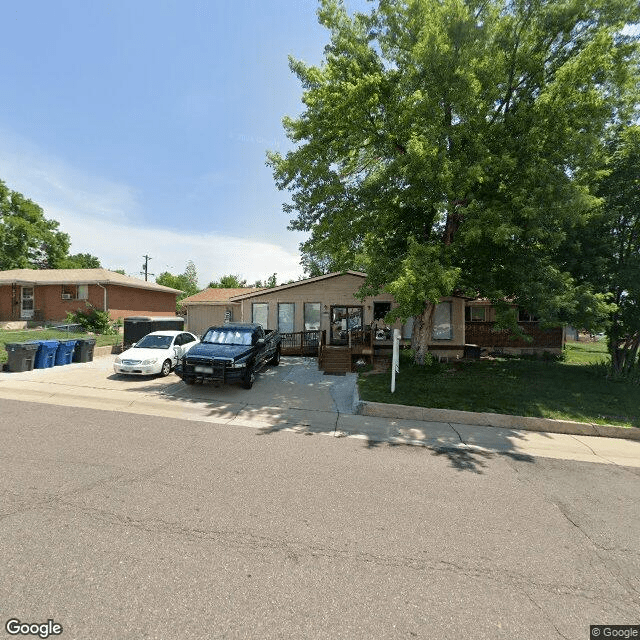
8330 Clarkson St, Denver, CO 80229
To contact a resident: (303) 288-2539
For more information about senior living options: (866) 208-4318
Kraft Seniors Home Inc Costs & Pricing
Kraft Seniors Home Inc offers a competitive rate for private rooms at $2,100 per month, positioning itself as an appealing option for families seeking quality senior care without the financial strain often associated with such services. In comparison, the average costs in Adams County reach approximately $3,206, while statewide averages escalate to around $4,142. This significant difference highlights Kraft Seniors Home Inc's commitment to affordability while maintaining high standards of care, making it an attractive choice in a market where costs can be a considerable burden for many families.
| Floor plans | Kraft Seniors Home Inc | Adams County | Colorado |
|---|---|---|---|
| Private | $2,100 | $3,206 | $4,142 |
Senior living communities with a similar price nearby
-
from -$150 / mo
Companion Care, Inc. III
$1,950 / month15.2 miles away -
from -$100 / mo
The Rising Sun Senior Home
$2,000 to $3,000 / month10.6 miles away -
from +$385 / mo
Spring Cove Care Home
$2,485 to $3,685 / month11.9 miles away -
from +$100 / mo

V-Esprit
$2,200 to $2,700 / month17.8 miles away -
from +$160 / mo

Lakeview Senior Living
$2,260 to $3,795 / month14.2 miles away
Overall Review of Kraft Seniors Home Inc
Pros
 The staff there were great and truly cared about the patients.
 - The amenities were great and helped keep the patients active.
- Everything was accessible for all the patients.
- The facility was very clean and organized.
- The overall experience with the facility was great.
- They enjoyed volunteering there and would definitely do it again thanks to the wonderful people and their positive attitudes.
- It was a very nice place to be.
Cons
 The accountant never sent it.
- Mr. Jeffrey blamed him for something he wasn't responsible for.
- The employer skimmed his hours.
- Jeffrey takes $7,000 a month off the top.
- Julie is a slum landlord.
- Dogs pee and poop everywhere.
- They overmedicated him.
- They did not manage his health very well.
- The facility seemed more concerned with filling beds than understanding the patient's situation.
Review
Kraft Seniors Home Inc in Denver is best suited for families seeking a small, home-like atmosphere where the caregiving staff are genuinely engaged and residents can enjoy a clean, approachable environment with active amenities. The facility tends to work best for seniors who function with daily assistance in a setting that feels personal rather than corporate, where staff members greet visitors warmly and residents can participate in straightforward programming. This is not a place aimed at high-acuity medical needs or complex dementia care, but rather a modestly equipped community that can deliver daily living support in a modest, lived-in home.
On the plus side, the strongest, most consistent thread in the reviews centers on the people delivering care. Several accounts praise staff for their kindness, attentiveness, and the sense that care comes from a team that treats residents as individuals rather than numbers. The environment is described as clean, organized, and accessible, with amenities and activities that help residents stay engaged. When operations click, the atmosphere feels inviting and respectful, and the facility can deliver a caregiving experience that families value, especially those who prioritize direct, personable interactions over polished, impersonal branding.
Yet the positive picture is tempered by serious red flags that recur across multiple accounts. Governance and financial transparency appear to be major sticking points, with reports of miscommunication, delays, and allegations around how money is handled. One critique centers on accountability at the ownership level, including accusations about how funds are allocated and how problems are addressed when questions arise. Another recurring concern is prioritizing bed openings over the quality of care, suggesting a possible misalignment between business pressures and resident welfare. These themes matter profoundly for families evaluating long-term placement, because they touch on trust, predictability, and the stability of routines that residents rely on.
The care-specific downsides also loom large for certain residents. Several reviewers describe situations where health needs, particularly dementia-related issues, were not managed to expectations, with impressions that staff may not have fully understood the complexity of the resident’s condition or the appropriate care plan. There are mentions of medication management concerns and of staff adapting to patient needs in ways that feel inconsistent. While some families experience excellent engagement and thoughtful care, others encounter situations that undermine confidence in the facility’s ability to handle evolving medical or behavioral needs. This divergence underscores the reality that this community’s strengths are real but unevenly distributed across shifts, staff teams, and management decisions.
Given these mixed signals, alternatives should be seriously considered, especially for seniors requiring stronger dementia programming, more robust medical oversight, or clearer, verifiable governance. For families weighing options, other Denver-area communities with a track record of transparent operations, steadier management, and consistently safer clinical oversight may be preferable. Those seeking a facility with a more modern footprint or with established protocols for complex care will also want to cast a wider net. Kraft can still be a strong fit for a specific subset of residents, but the decision hinges on how heavily one weighs the warmth and cleanliness against concerns about leadership, medication practices, and long-term care governance.
In deciding, families should press for candid conversations with leadership, request recent licensing and inspection records, and seek current resident and family references. Key questions should cover caregiver-to-resident ratios, changes in care plans, how medications are reviewed and adjusted, and how financial matters are communicated and documented. If transparency around these areas is lacking or if there is hesitation to provide clear answers, that hesitation itself is a warning sign. The practical take is clear: Kraft Seniors Home Inc can deliver a compassionate, well-kept, engaging environment, but the balance tips away from suitability for families needing rigorous medical oversight and transparent governance. For those priorities, alternatives deserve serious consideration.
 Board and Care Home
 Garden
 Guasts at mealtime
 Laundry
 Private
 Resident parking
 Denver International (16 miles away)
 Transportation & parking
 Room service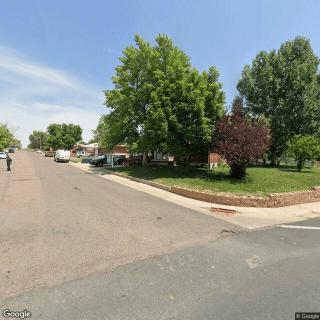



 Home Health Care Aides: Understanding Their Role and Supporting Your Family
 Urinary Tract Infections in Older Adults: Comprehensive Insights on Symptoms, Treatment, and Prevention
 California's Form 602A: An In-Depth Examination of Senior Care Assessment