

13969 W Warren Ave, Littleton, CO 80228
To contact a resident: (303) 589-6622
For more information about senior living options: (866) 208-4318
Colorado Assisted Living Home #11 Costs & Pricing
Colorado Assisted Living Home #11 offers competitive pricing for its services compared to both Jefferson County and the broader state of Colorado. For a semi-private room, residents pay $3,200 per month, which is significantly lower than the county average of $4,114 and the state average of $4,009. Similarly, for a private room, the cost at Colorado Assisted Living Home #11 is $4,000, again more affordable than Jefferson County's average of $4,253 and slightly below Colorado's overall average of $4,142. These favorable rates make Colorado Assisted Living Home #11 an attractive option for individuals seeking quality assisted living services without straining their financial resources.
| Floor plans | Colorado Assisted Living Home #11 | Jefferson County | Colorado |
|---|---|---|---|
| Semi-Private | $3,200 | $4,114 | $4,008 |
| Private | $4,000 | $4,253 | $4,142 |
Senior living communities with a similar price nearby
-
from -$200 / mo

A Loving Hand Assisted Living
$3,000 / month12.6 miles away -
from +$400 / mo
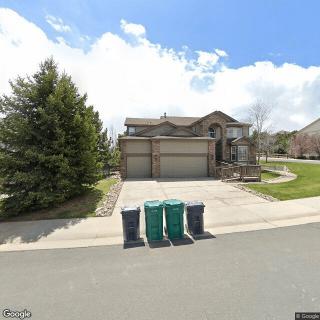
Castle Rock Assisted Living II
$3,600 to $4,100 / month24.8 miles away -
from +$300 / mo
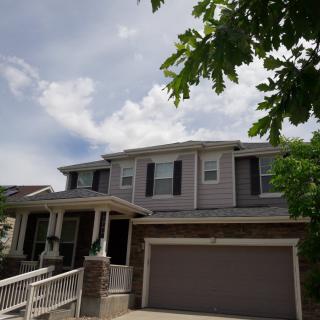
Auburn View Assisted Living
$3,500 to $5,600 / month21.2 miles away -
from -$200 / mo

Lighthouse Assisted Living Inc - Newland
$3,000 to $3,500 / month7.7 miles away -
from +$300 / mo
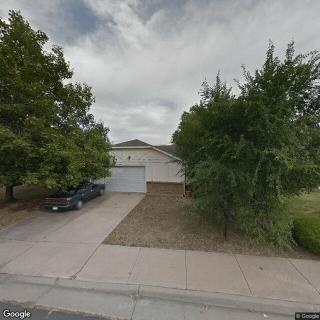
Legacy House Elder Care on Berry
$3,500 to $4,000 / month4.8 miles away
Overall Review of Colorado Assisted Living Home #11
Pros
 Colorado Assistant Living is described as very professional and highly trained caregivers who work in each of the homes.
- The warmth and love encountered on entry creates a welcome-home feeling.
- Colorado Assisted Living is a wonderful place for grandma, with staff that is kind and loving.
- The staff is described as kind and loving, with no place quite as nice.
- The caregiver has been excellent.
- The transition was made as smooth as possible by the business team, making the move easier.
- The environment is appropriate for residents with similar levels of functioning, supporting suitable care and conversation.
Cons
 Not a safe place for mom.
- The secure memory care unit with 30+ residents was unable to provide the level of intimate care she needed.
Review
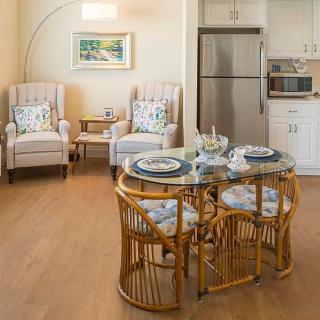
Colorado Assisted Living Home #11 in Littleton is best suited for families seeking a small, intimate memory-care environment where residents receive highly personalized attention. The setting feels like a true home rather than a clinical campus, with a tightly knit group of residents and a staff described as professional, skilled, and devoted. The core strength lies in steady, compassionate caregiving, with transitions that feel manageable for a loved one moving through dementia. For families prioritizing consistent caregiver relationships, predictable routines, and warm, resident-centered care, this community stands apart.
Those evaluating alternatives should consider situations where a large, highly secure memory-care operation is necessary. If a loved one requires 24/7 supervision in a facility with 30+ residents, this home may feel undersized. The negative review titled “Not a Safe Place for Mom” underscores safety concerns some families raise about small-scale settings, even when the body emphasizes warmth and intimate attention. For families worried about escalation capacity or needing broader security measures, exploring larger memory-care campuses or facilities with more extensive clinical oversight is advisable.
The strongest advantages, professional, trained caregivers and genuine warmth, translate into stable routines, meaningful conversation, and a sense of belonging. Caregivers are described as excellent, and the transitions for new residents are managed with care and sensitivity. The small group of four residents described in one account allows for intimate monitoring, easier family communication, and rapid adjustments to changing needs. In dementia care, this scale can mean more personalized activity plans and stronger emotional connections than larger communities typically provide.
Still, the main risk in a small setting is whether emergencies or rapid health changes can be handled swiftly. That risk does not negate the strengths, but it requires a clear plan: verify safety features, wandering protocols, medication management, and access to on-call medical oversight. Families should confirm who is responsible for escalation if a resident’s condition worsens and whether arrangements exist to transfer to higher levels of care without gaps. Balanced judgment means weighing the value of intimate care against the potential limits of scale.
Decision-making should include a focused tour that observes caregiver interactions and a day-in-the-life outline for residents with memory loss. Probe staff-to-resident ratios, consistency of assigned caregivers, and transition support during moves. Get transparent cost information and what triggers additional charges. Engage with current residents or families about perceived safety and responsiveness, and ask how care plans adapt as needs evolve. A practical plan also includes timelines for moving in, trial periods, and contingency options if care needs rise.
Overall, Colorado Assisted Living Home #11 offers a compelling mix of professionalism and homelike intimacy that makes it a strong choice for families prioritizing personalized, dementia-focused care in a small setting. It is less suited for those seeking a large community with extensive security features or broad clinical programming. The reviews converge on excellent daily care and warmth, tempered by at least one caution about safety in a smaller environment. For families aligning with its strengths, a guided visit, direct safety inquiries, and a concrete escalation plan provide the clarity needed to decide confidently.
 Board and Care Home
 Private
 High acuity care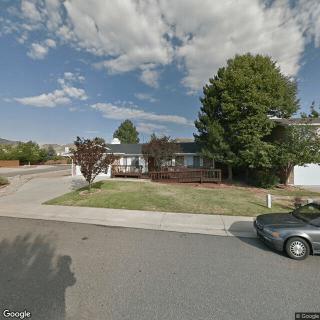


 Understanding the Full Cost of 24/7 In-Home Care: A Detailed Overview
 Exploring the World of Home Health Nurses: Qualifications, Roles, and Hiring Tips
 Navigating Medicare Coverage for In-Home Care Services