Avamere Transitional Care & Rehabilitation – Malley in Northglenn, CO

Save
Avamere Transitional Care & Rehabilitation – Malley Avamere Transitional Care & Rehabilitation – Malley Avamere Transitional Care & Rehabilitation – Malley Avamere Transitional Care & Rehabilitation – Malley

Avamere Transitional Care & Rehabilitation – Malley in Northglenn, CO

401 Malley Drive, Northglenn, CO 80233

For more information about senior living options: (844) 490-3973

4.2 from 55 reviews
5 stars
39
4 stars
5
3 stars
2
2 stars
3
1 stars
6

Assisted Living Skilled Nursing Facility

Overall Review of Avamere Transitional Care & Rehabilitation – Malley

Pros

  • pro The staff were exceptional from reception to nursing to housekeeping.
  • pro The nighttime staff were attentive and kind.
  • pro Nurses and CNAs filled every need with kindness, competence, and care.
  • pro The facility is a truly fine nursing facility.
  • pro Malley Transitional Care Facility has been a good place for her.
  • pro Some staff have been amazing, including Josie who has gone above and beyond.
  • pro Shaun has been very kind.
  • pro The quality of the food has been good and the staff are accommodating.
  • pro The team and staff have been very kind.
  • pro It is a great facility with willing and happy staff who care greatly for residents.
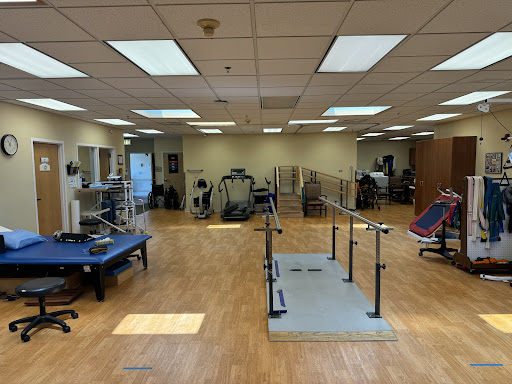
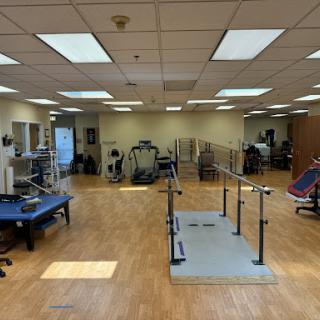
  • pro The therapy department was excellent, and the therapy gym is incredible with private suites and friendly staff.
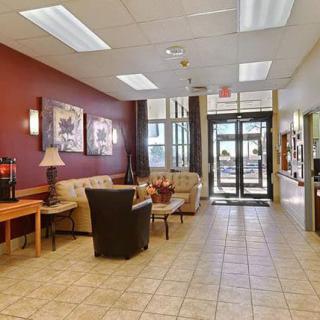
  • pro The front desk staff were knowledgeable, friendly, and helpful.

Cons

  • pro One reviewer labeled the facility the worst place you could have your parents at.
  • pro The reviewer described it as dirty with poor patient care, noting that dietary didn't follow diets and beds weren't made.
  • pro The reviewer said a grandmother didn't receive evening medications, and there were undocumented medication practices that were unacceptable.
  • pro The reviewer reported a pill found on the floor with no clear idea of what it was or who it belonged to.
  • pro The reviewer described a 35-minute delay after a nurse call light was activated, with no one checking on the patient.
  • pro The reviewer stated there was theft going on at the facility, occurring too often.
  • pro The reviewer claimed aides spoke cruelly to patients and took forever to answer call lights.
  • pro The reviewer warned that some staff were rude and not fit to work with elderly people, and that a family member was hurt several times under care.
  • pro The reviewer said a nurse told a family member they could not eat with their mom due to mask requirements.
  • pro The reviewer criticized management for not listening to residents' or families' needs and cited retaliation as a real concern.

Review

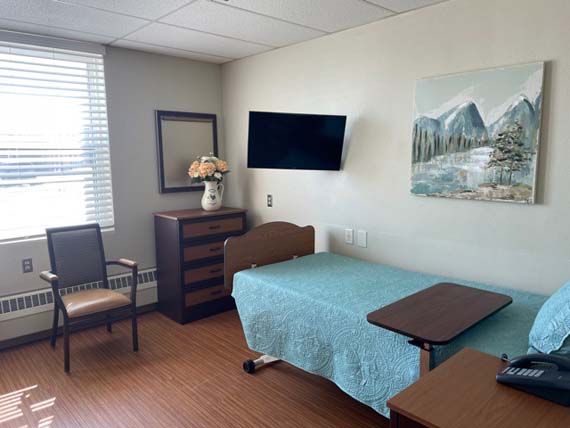
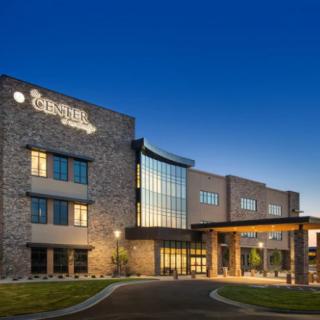
Avamere Transitional Care & Rehabilitation ? Malley is best suited for families seeking a post-acute pathway that emphasizes vigorous rehabilitation with a warm, family-like atmosphere. The community handles short-term rehab after surgery or illness with a strong therapy emphasis, while also serving as a viable long-term option if ongoing care becomes necessary. Residents benefit from a dedicated rehab unit, private suites within the rehab setting, and a staff culture that many families describe as consistently kind, attentive, and capable. This is the place to choose when the priority is real progress in therapy, clear personal attention from nurses and aides, and a welcoming environment that treats residents with dignity.

Those who may want to consider alternatives are families for whom night-time coverage and medication safety are non-negotiables, or who require dementia-specific care with highly predictable behavior and staffing patterns. Several reviews raise concerns about slower response to calls at night, documentation gaps around medications, and occasional safety lapses. There are also recurring red flags about facility theft and inconsistent staff demeanor in certain shifts. If privacy is essential - preferring private rooms for the full stay - or if a dementia-centered culture with stringent oversight is a priority, exploring other communities may be prudent.

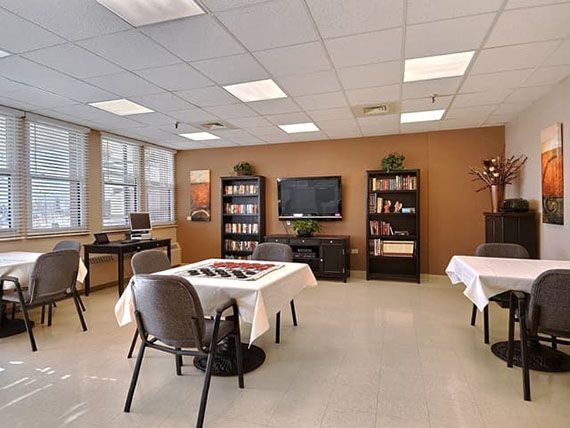
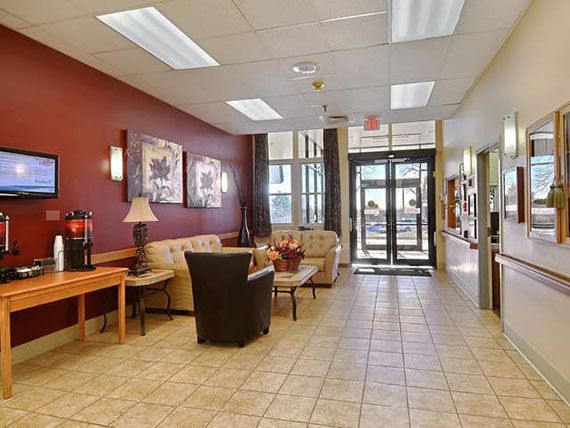
The strongest positives are unmistakable: exceptional, personable care from nurses, CNAs, and front-desk staff; a robust therapy program led by a sincere commitment to getting residents walking, standing, and functioning again; and a clean, well-maintained environment with a distinct rehab identity. Families repeatedly cite therapists who make meaningful strides possible, and residents often praise the care team for going above and beyond. The therapy gym is highlighted as a standout asset, and the availability of private suites within the rehab unit supports focused treatment and comfort. A well-regarded activities department rounds out the picture, helping residents stay engaged and feel valued beyond basic care.

On the other hand, the cons cited in multiple accounts cannot be ignored. Night shift responsiveness can be uneven, with delays in addressing calls or changes in status. Documentation gaps and medication administration concerns have led to real worry for families, including instances where medications were mismanaged or not properly recorded. Complaints about certain staff interactions - ranging from perceived rudeness to outright mistreatment - underscore that not every shift delivers consistently the same quality of care. Add in reports of lost clothing, sign-in policy friction around family involvement, and occasional lapses in following dietary plans, and a cautious family will want to verify current practices and oversight before committing.

These pros and cons interact in meaningful ways. The clear win here is the rehab-focused model paired with empathetic, capable professionals who often deliver strong, measurable progress and help families feel that their loved one is valued and well cared for. When therapy outcomes and daily kindness matter most, Malley's strengths tend to outweigh the occasional operational shortcomings. Yet the notable night-time gaps, documentation issues, and safety-related complaints can erode confidence for families prioritizing seamless continuity of care and strict safeguards. In other words, those who need relentless reliability across all shifts and ironclad medication protocols may encounter frustrations that prompt a careful double-check and a detailed, written care plan.

Practical guidance for families considering Avamere Malley is to approach the decision with a two-track lens. First, assess the person's care goals: is rehab progress and a supportive, friendly environment the top priority, with a plan to transition home as soon as possible? If so, Malley offers compelling value, especially for post-op or post-stroke recovery where therapy momentum and compassionate staff can drive real independence. Second, scrutinize the current state of night coverage, incident reporting, and daily routines: demand a sit-down with the therapy director, a tour of the rehabilitation wing, and conversations with residents and families who are currently there. Clarify medication management processes, laundry accountability, and family access to care planning. If these considerations reveal ongoing inconsistencies, or if dementia-specific care with steady staffing is non-negotiable, it would be wise to compare a carefully selected rival in the same market.

In the end, Avamere Malley stands out for families who prize genuine, high-quality rehabilitation and a staff culture that many describe as caring and capable. It offers a strong pathway to regain function, supported by a focused therapy environment and a generally clean, welcoming facility. However, prospective residents should enter with eyes open about potential night-time gaps, documentation challenges, and the risk of variable staff interactions. Thorough, candid conversations with leadership, explicit care plans, and a clear understanding of safety and accountability measures will determine whether Malley meets the expectations for long-term comfort or if alternatives should be pursued to secure the most consistent overall experience.

Features

Housing

  • 21 resident community capacity 21 resident community capacity

Types of Care

  • Assisted Living Assisted LivingAssisted living facilities provide crucial support and care for seniors who may need help with daily tasks such as medication management, bathing, and meal preparation. These communities offer a safe and comfortable environment where seniors can maintain their independence while receiving the assistance they need to thrive in their golden years.
  • Skilled Nursing Facility Skilled Nursing FacilitySkilled Nursing Facilities are crucial for seniors as they provide round-the-clock medical care, rehabilitation services, and assistance with daily activities. These facilities ensure that seniors receive the specialized care they need to maintain their health and well-being as they age.

Amenities

  • Beauty salon Beauty salonBeauty salons are important for seniors because they provide a space for them to feel pampered, socialize, and maintain their personal grooming and hygiene. Regular visits to a beauty salon can help boost seniors' self-esteem and overall well-being.
  • Cable or satellite TV Cable or satellite TVCable or satellite TV is important for seniors because it provides entertainment, news, and companionship, helping to combat loneliness and boredom. It also offers a wide range of programming options tailored to different interests and preferences.
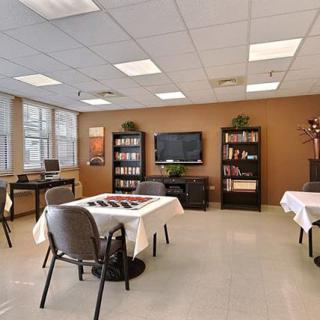
  • Dining room Dining roomDining rooms are important for seniors as they provide a space for socialization, connection, and nutritious meals. They offer opportunities for residents to bond over shared meals, foster a sense of community, and promote healthy eating habits. Dining rooms also ensure that seniors have access to well-balanced meals tailored to their dietary needs and preferences.
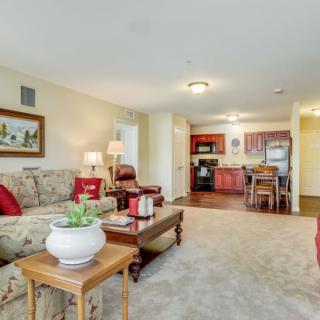
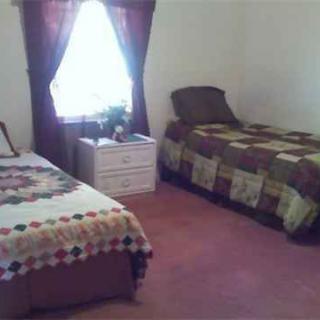
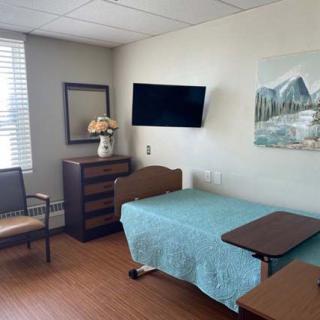
  • Fully furnished Fully furnishedFully furnished senior living communities are important for seniors because they provide convenience, comfort, and a hassle-free moving experience. Seniors can easily settle into their new living space without the stress of having to buy and move furniture. This allows them to focus on enjoying their new home and community.
  • Garden GardenGardens are important for seniors as they provide a peaceful and therapeutic environment for relaxation, physical activity, and socialization. Being in nature has been shown to reduce stress, improve mood, and promote overall well-being. Gardens also offer opportunities for seniors to engage in gardening activities, which can improve mobility, flexibility, and cognitive function. Additionally, gardens create a sense of community and connection with others who share a passion for plants and outdoor spaces.
  • Housekeeping services Housekeeping servicesHousekeeping services are important for seniors because they help maintain a clean and safe living environment, promote independence, and reduce the risk of accidents or illnesses. Additionally, having assistance with household chores can alleviate physical strain and allow seniors to focus on other aspects of their well-being.
  • Kitchenette KitchenetteKitchenettes are important for seniors living in senior living communities because they provide the convenience and independence of being able to prepare simple meals and snacks in the comfort of their own living space. This can help promote a sense of autonomy and well-being for seniors, allowing them to maintain some level of control over their dietary choices and daily routines.
  • Move-in coordination Move-in coordinationMove-in coordination is important for seniors because it helps ease the transition into their new living environment. It ensures that all logistics, such as packing, organizing movers, and setting up utilities are taken care of, allowing seniors to focus on settling in and adjusting to their new home. Having a smooth move-in process can alleviate stress and anxiety, making the transition smoother and more enjoyable for seniors.
  • Outdoor space Outdoor spaceOutdoor spaces are important for seniors as they provide opportunities for physical activity, social interaction, exposure to natural light and fresh air, and a sense of connection to nature. Having access to outdoor spaces can improve overall well-being and quality of life for older adults living in senior communities.
  • Restaurant-style dining Restaurant-style diningRestaurant-style dining is important for seniors because it allows them to enjoy delicious, nutritious meals in a social and upscale setting. This enhances their dining experience, promotes healthy eating habits, and fosters socialization with fellow residents, ultimately contributing to their overall well-being and quality of life.
  • Telephone TelephoneTelephones are important for seniors as they provide a lifeline for communication with loved ones, emergency services, and healthcare providers. They offer a sense of security and independence, enabling seniors to stay connected and access assistance when needed.
  • Wi-Fi/high-speed internet available Wi-Fi/high-speed internet availableWi-Fi/high-speed internet is important for seniors to stay connected with loved ones, access online resources, and participate in virtual activities to combat feelings of loneliness and isolation. It also allows them to easily manage healthcare needs, access entertainment, and engage in lifelong learning opportunities.

Transportation

  • Denver International (17 miles away) Denver International (17 miles away)

Care Services

  • 24-hour call system 24-hour call system24-hour call systems are important for seniors because they provide peace of mind and immediate assistance in case of emergencies. This technology ensures that help is always available, promoting safety and security for elderly individuals living alone or in assisted living facilities.
  • 24-hour supervision 24-hour supervision24-hour supervision is important for seniors to ensure their safety, well-being, and access to immediate assistance in case of emergencies or health issues. This constant support provides peace of mind for both seniors and their loved ones, allowing them to age in place with dignity and security.
  • Activities of daily living assistance Activities of daily living assistanceActivities of daily living assistance are important for seniors because they provide essential support with tasks such as eating, bathing, dressing, and mobility. This assistance helps seniors maintain their independence, dignity, and overall quality of life as they age.
  • Assistance with bathing Assistance with bathingAssistance with bathing is crucial for seniors as it helps maintain personal hygiene, prevents infections, and ensures their overall well-being and comfort. It also provides a sense of dignity and independence for seniors who may struggle with this task on their own.
  • Assistance with dressing Assistance with dressingAssistance with dressing is important for seniors because it helps maintain their independence, promotes personal hygiene, prevents accidents and injuries, and improves overall quality of life. This service ensures that seniors can continue to dress comfortably and confidently, despite any physical limitations they may have.
  • Assistance with transfers Assistance with transfersAssistance with transfers is crucial for seniors as it helps prevent falls and injuries, maintains their independence, and ensures they can safely navigate their living environment. It also provides peace of mind for both seniors and their loved ones.
  • Coordination with health care providers Coordination with health care providersCoordination with health care providers is crucial for seniors to ensure proper medical care, medication management, and overall well-being. This collaboration helps prevent overlapping treatments, track progress more effectively, and provide comprehensive support tailored to individual needs.
  • Diabetes diet Diabetes dietA diabetes diet is crucial for seniors as it helps manage blood sugar levels, reduce risks of complications, and improve overall health and well-being. By following a balanced and nutritious diet tailored to their specific needs, seniors can better control their diabetes and enhance their quality of life.
  • Meal preparation and service Meal preparation and serviceMeal preparation and service are crucial for seniors as they may have limited mobility or energy to cook nutritious meals. Having access to healthy and convenient food options can ensure they are getting the proper nutrition needed to maintain their overall health and well-being.
  • Medication management Medication managementMedication management is crucial for seniors to ensure they are taking the right medications at the correct dosages and times. This helps prevent adverse drug interactions, reduces the risk of medication errors, and promotes overall health and well-being. Proactive management also allows for adjustments as needed based on changing health conditions or new prescriptions.
  • Mental wellness program Mental wellness programMental wellness programs are essential for seniors as they promote cognitive stimulation, emotional support, and social engagement. These programs help prevent isolation, depression, and cognitive decline, ultimately enhancing the overall quality of life for older adults.
  • Special dietary restrictions Special dietary restrictionsSpecial dietary restrictions are important for seniors because age-related changes in metabolism and health conditions can make it difficult for their bodies to process certain foods. By following a diet tailored to their specific needs, seniors can maintain their overall health and well-being, manage chronic conditions, and reduce the risk of complications such as malnutrition or food interactions with medications.
  • Transportation arrangement (medical) Transportation arrangement (medical)Transportation arrangements for medical purposes are essential for seniors as they may have difficulty driving themselves to appointments or accessing public transportation. Having reliable and safe transportation options ensures that seniors can receive timely medical care and maintain their health and well-being.
  • Transportation to doctors appointments Transportation to doctors appointmentsTransportation to doctors' appointments is crucial for seniors as it ensures they have access to necessary medical care and support for their health needs. Without reliable transportation, seniors may struggle to attend important appointments, leading to potential delays in treatment and health complications. Providing transportation services helps seniors maintain their overall well-being and quality of life.
Dining

  • Diabetes diet Diabetes dietA diabetes diet is crucial for seniors as it helps manage blood sugar levels, reduce risks of complications, and improve overall health and well-being. By following a balanced and nutritious diet tailored to their specific needs, seniors can better control their diabetes and enhance their quality of life.
  • Special dietary restrictions Special dietary restrictionsSpecial dietary restrictions are important for seniors because age-related changes in metabolism and health conditions can make it difficult for their bodies to process certain foods. By following a diet tailored to their specific needs, seniors can maintain their overall health and well-being, manage chronic conditions, and reduce the risk of complications such as malnutrition or food interactions with medications.

Activities

  • Community-sponsored activities Community-sponsored activitiesCommunity-sponsored activities are important for seniors as they provide opportunities for social interaction, mental stimulation, and physical activity. These activities can help improve overall well-being, combat loneliness and isolation, and promote a sense of belonging and purpose among older adults.
  • Resident-run activities Resident-run activitiesResident-run activities are important for seniors as they encourage social interaction, creativity, and a sense of autonomy. These activities empower seniors to stay engaged and active in their community while fostering meaningful connections with their peers.
  • Scheduled daily activities Scheduled daily activitiesScheduled daily activities are important for seniors because they provide structure, socialization, mental stimulation, and physical activity. Engaging in regular activities can improve overall well-being and quality of life for seniors living in a community setting.

Description

Avamere Transitional Care & Rehabilitation – Malley in Northglenn, CO is a skilled nursing facility that provides excellent care and a range of amenities for seniors. Residents can enjoy their own fully furnished living spaces with access to cable or satellite TV, Wi-Fi, and a telephone. The community also offers housekeeping services to ensure a clean and comfortable environment.

Residents at Avamere Transitional Care & Rehabilitation – Malley have the option to dine in a restaurant-style dining room, where they can enjoy delicious meals prepared by the staff. The community also accommodates special dietary restrictions, ensuring that everyone's needs are met.

The care services provided are comprehensive and include 24-hour supervision, assistance with activities of daily living such as bathing and dressing, as well as coordination with health care providers. Residents with diabetes can benefit from specialized diet plans, while medication management ensures that medications are taken correctly.

To support the mental wellness of residents, Avamere Transitional Care & Rehabilitation – Malley offers a mental wellness program aimed at promoting emotional health and well-being. Transportation arrangements for medical purposes as well as doctors' appointments are available for the convenience of residents.

In addition to these amenities and care services, Avamere Transitional Care & Rehabilitation – Malley is conveniently located near several cafes, parks, pharmacies, physicians, restaurants, and theaters. Residents have easy access to various entertainment options and necessary resources in the nearby vicinity.

Overall, Avamere Transitional Care & Rehabilitation – Malley provides a warm and inviting community for seniors requiring skilled nursing care. With its range of amenities and comprehensive care services, residents can enjoy comfort, convenience, and peace of mind.

Nearby Places of Interest

Pharmacies

  • Safeway Pharmacy (0.6 miles)
  • Walgreens (0.7 miles)
  • Kaiser Permanente Pharmacy (0.8 miles)
  • Walgreens (2.4 miles)
  • Walgreens (2.5 miles)
  • Safeway Pharmacy (2.5 miles)
  • Walgreens (2.6 miles)

Restaurants

  • Parry's Pizzeria & Bar (0.6 miles)
  • Chipotle Mexican Grill (0.8 miles)
  • Olive Garden (0.9 miles)
  • Old Chicago (1.6 miles)
  • Brewskies Pub & Grill (1.7 miles)
  • 3 Margaritas Family Mexican Restaurant (2.2 miles)
  • Old Chicago (2.2 miles)

Physicians

  • Touchstone Imaging Thornton (0.8 miles)
  • Northern Hematology Oncology (2.6 miles)
  • Advanced Medical Imaging (3 miles)
  • Peak Pediatrics (3.1 miles)
  • St. Anthony North Health Campus (3.6 miles)
  • Partners In Health Family Medicine (3.9 miles)
  • Panorama Orthopedic (4.2 miles)

Parks

  • Amherst Park (2.4 miles)
  • Yorkborough Park (2.4 miles)
  • Redpoint Ridge Park (5.7 miles)
  • Adams County Regional Park (5.9 miles)
  • Adams County Fairgrounds (6 miles)
  • Whitetail Park (7.5 miles)
  • Rolling Bluff Park (8.6 miles)

Cafes

  • Dutch Bros Coffee (2.7 miles)
  • Ziggi's Coffee (3.6 miles)
  • Panera Bread (7.1 miles)
  • Starbucks (7.4 miles)
  • East Simpson Coffee Co. (8.5 miles)
  • The Radiator (8.9 miles)
  • Huckleberry Roasters (9 miles)

Theaters

  • AMC Orchard 12 (4.1 miles)
  • AMC Westminster Promenade 24 (4.8 miles)
  • Alamo Drafthouse Westminster (5.3 miles)

Hospitals

  • Children's Hospital Colorado North Campus (6.8 miles)
  • Good Samaritan Hospital (7.2 miles)
  • Boulder Community Hospital (8.6 miles)

Places of Worship

  • Wat Buddhawararam (8.7 miles)

Transportation

  • RTD Rail - 38th & Blake Station (9.2 miles)

Frequently Asked Questions

Where is Avamere Transitional Care & Rehabilitation – Malley?
What photos are available for Avamere Transitional Care & Rehabilitation – Malley in Northglenn, Colorado?

Nearby Communities

  • Crossroads At Northglenn Alf

    Crossroads At Northglenn Alf

    Denver, CO


    pro Respite care with 24/7 supervision and medication management; restaurant-style dining and ample amenities.
  • Crossroads at Northglenn

    Crossroads at Northglenn

    Northglenn, CO

    3.6 from 45 reviews
    $2,460 to $4,530 / month

    pro Caring staff and engaging activities create a home-like atmosphere.

  • Sunnyslope Estate Villa

    Sunnyslope Estate Villa

    Denver, CO

    3.1 from 103 reviews
    $2,800 to $3,600 / month

    pro Caring staff and a supportive environment.

  • Squire Village Apartments

    Squire Village Apartments

    Northglenn, CO


    pro Vibrant lifestyle with convenient access to cafes, restaurants, parks, pharmacies, physicians, and theaters.

  • Stages Assisted Living Residence

    Stages Assisted Living Residence

    Northglenn, CO


    pro 24/7 supervision with ADL support, meals, and medical transportation in a home-like setting.

  • Visiting Angels

    Visiting Angels

    Northglenn, CO

    4.8 from 68 reviews
     

    pro Reliable, professional care with identifiable staff and accountability.

  • Senior Helpers - Denver

    Senior Helpers - Denver

    Northglenn, CO

    4.5 from 58 reviews
     

    pro Friendly, empathetic caregivers with proactive help and supportive management.

  • Center At Northridge

    Center At Northridge

    Westminster, CO

    3.5 from 116 reviews
     

    pro Attentive staff and well-maintained facility with strong rehab services.

  • Keystone Place at Legacy Ridge

    Keystone Place at Legacy Ridge

    Westminster, CO

    4.6 from 129 reviews
    $3,990 to $4,950 / month

    pro Clean, active, and accessible environment with friendly staff and engaging activities; spacious apartments with pleasant sun porches and views.

Related Resources

  • assisted living vs memory careAssisted Living and Memory Care: Understanding Their Core Differences

    Assisted living provides moderate support for seniors seeking independence, while memory care offers specialized support for individuals with dementia or cognitive impairments through structured routines and trained staff. Key differences include care approaches, environment security measures, staff training levels, activity types, and cost considerations.

  • assisted living activitiesBeyond the Bingo Hall: 50+ Enriching Activities for Seniors in Assisted Living

    Assisted living communities offer diverse activities beyond traditional games to enhance seniors' physical health, cognitive well-being, emotional enrichment, and social connections, including fitness classes, creative expression, and intergenerational interactions. These enriching programs foster community bonds and support residents' independence and happiness.

  • assisted living vs memory careUnderstanding the Distinctions: Assisted Living and Memory Care Explained
    The article differentiates between assisted living and memory care, explaining that assisted living supports seniors with daily activities while promoting independence, whereas memory care provides specialized services for individuals with dementia, focusing on secure environments and cognitive support. It also addresses staff training, safety considerations, costs, family involvement, and transition strategies for families navigating these care options.