Ash Street RTF is an assisted living community in Denver, CO.
Information last verified:
1450 South Ash Street, Denver, CO 80222
For more information about senior living options: (866) 208-4318
4.2 from 25 reviews
5 stars
19
4 stars
1
3 stars
0
2 stars
0
1 stars
5
Overall Review of Ash Street RTF
common5 reviews mention this
Safety and cleanliness are emphasized
Residents frequently describe a safe, clean environment for recovery.
Several residents say the houses felt safe and well kept, pointing to cleanliness and the overall condition of the living space. A few also mention security-minded details and a comfortable setup that helped them focus on recovery. In contrast, a separate set of reviews criticizes cleanliness and states that the living conditions did not match what was promised.
common8 reviews mention this
Support feels hands-on and personal
Many residents describe active, personal support from the program.
A strong theme in the reviews is that ownership and staff-style support were present and responsive, including check-ins, guidance, and help finding resources. Multiple residents credit the program with helping them through major steps after release or during early recovery. Other reviews still show dissatisfaction, including claims that support or services were not delivered as promised.
common7 reviews mention this
Groups and accountability drive structure
Residents often highlight structured groups and accountability.
Residents repeatedly mention groups, community time, and structured expectations as part of how the program works. Several reviews describe peer fellowship and shared support, with accountability built into day-to-day life. A few reviews also describe program offerings beyond what they expected from a typical sober living setup, while the most negative reviews dispute the reliability of what was offered.
caveat5 reviews mention this
Trust concerns show up in reviews
Some reviews raise concerns about promises and billing accuracy.
Some reviewers allege problems with being misled, including claims that photos or conditions did not match reality and that they were moved or charged in ways they disputed. Others report serious service-and-billing complaints, including claims of Medicaid billing for services not received and refusal of medication or a blanket. Taken together, these concerns contrast with the more positive stories, so it’s worth reading both sides before deciding.
How we summarize
Counts show how many written reviews mention each theme; a review can touch several themes, and only frequently mentioned themes are displayed.
Features
Housing
8 resident community capacity
Types of Care
Assisted Living
Amenities
Cable or satellite TV
Dining room
Fully furnished
Garden
Housekeeping services
Move-in coordination
Outdoor space
Telephone
Wi-Fi/high-speed internet available
Transportation
Denver International (19 miles away)
Care Services
24-hour supervision
Activities of daily living assistance
Assistance with bathing
Assistance with dressing
Assistance with transfers
Coordination with health care providers
Diabetes diet
Meal preparation and service
Medication management
Special dietary restrictions
Transportation arrangement (medical)
Transportation to doctors appointments
Dining
Diabetes diet
Special dietary restrictions
Activities
Community-sponsored activities
Scheduled daily activities
Nearby Places of Interest
This area of Denver, Colorado offers a variety of amenities and services that may be appealing to seniors looking for a convenient and vibrant neighborhood. With a selection of popular restaurants such as Raising Cane's Chicken Fingers and Flower Child, dining options are plentiful. There are also several pharmacies nearby, including Walgreens and CVS, making it easy to access medication and healthcare needs. The abundance of parks like Infinity Park and Washington Park provide opportunities for outdoor recreation and relaxation. For medical care, there are reputable physicians at Cherry Creek Pediatrics and hospitals like Cherry Creek Eye Center within close proximity. Additionally, cafes like Starbucks offer convenient spots for socializing or enjoying a cup of coffee. Overall, this part of Denver presents a well-rounded community with diverse offerings that cater to the needs of seniors seeking an active lifestyle.
The guide highlights the importance of assisted living facilities for aging veterans needing daily support, discusses unique challenges they face, and outlines available financial assistance from the VA, including the Aid and Attendance program. It emphasizes understanding eligibility criteria and navigating the VA system to access necessary benefits effectively.
The article compares assisted living and skilled nursing facilities, detailing their differing levels of assistance, medical support, cost structures, and day-to-day experiences. It emphasizes that assisted living is for those needing help with daily activities while maintaining independence, whereas skilled nursing facilities provide intensive medical care with 24-hour staff supervision.
The transition from assisted living to skilled nursing care is often prompted by complex medical needs that assisted living cannot meet, with key indicators including frequent health declines, increased falls, severe memory issues, and caregiver burnout. Families should recognize these signs early to discuss options with healthcare providers and prepare for the emotional and logistical aspects of moving to a facility that offers comprehensive medical support.
Get PricingAsk A QuestionSchedule A TourContact Senior Advisor
By clicking submit, you agree to our Partner's Terms of Use. You
also consent to receive calls and texts, which may be autodialed, from our Partner. Your consent is not a condition to
using our Partner's service. Please visit our Partner's Privacy Policy for information about their privacy practices.

 8 resident community capacity
 Assisted Living
 Cable or satellite TV
 Dining room
 Fully furnished
 Garden
 Housekeeping services
 Move-in coordination
 Outdoor space
 Telephone
 Wi-Fi/high-speed internet available
 Denver International (19 miles away)
 24-hour supervision
 Activities of daily living assistance
 Assistance with bathing
 Assistance with dressing
 Assistance with transfers
 Diabetes diet
 Meal preparation and service
 Medication management
 Special dietary restrictions
 Transportation arrangement (medical)
 Transportation to doctors appointments
 Excellent access to healthcare and nearby amenities.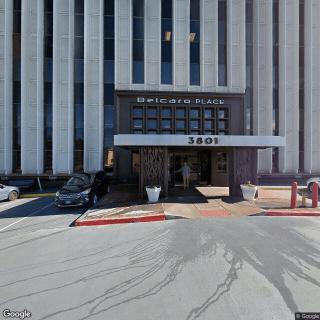


 Assisted Living Support for Veterans: A Complete and Detailed Overview
 Exploring the Contrasts Between Assisted Living and Skilled Nursing
 8 Key Indicators That Suggest It May Be Time to Transition from Assisted Living to Skilled Nursing Care