
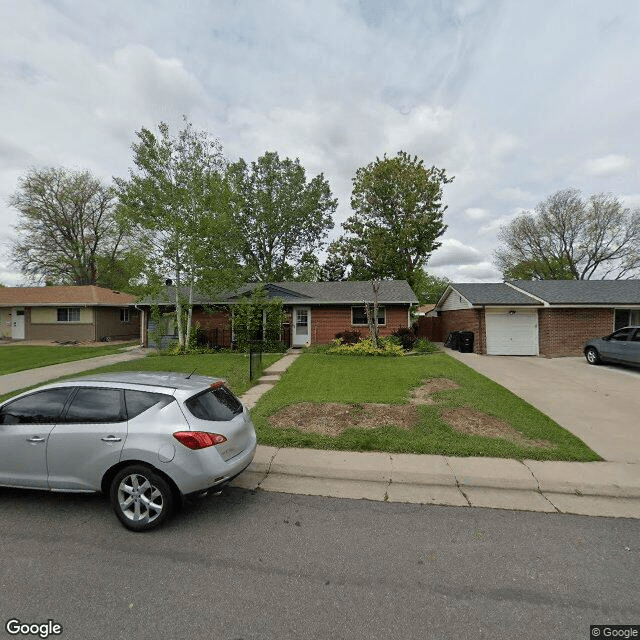
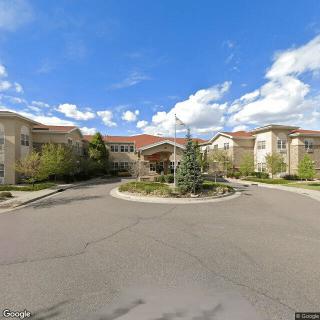
1999 South Raleigh St, Denver, CO 80219
To contact a resident: (303) 972-4520
For more information about senior living options: (866) 208-4318
Alternative Care Homes IV Costs & Pricing
Alternative Care Homes IV offers a cost-effective solution for residents seeking care, with monthly rates that stand out favorably when compared to both Denver County and the broader state of Colorado. For private rooms, the cost is $2,100, which significantly undercuts the county average of $4,178 and the state average of $4,142. Similarly, for semi-private accommodations, Alternative Care Homes IV charges $2,100 - well below the county's average of $3,950 and the state's average of $4,009. This pricing strategy not only highlights the value offered by Alternative Care Homes IV but also underscores its commitment to providing affordable care options without compromising on quality.
| Floor plans | Alternative Care Homes IV | Denver County | Colorado |
|---|---|---|---|
| Private | $2,100 | $4,178 | $4,142 |
| Semi-Private | $2,100 | $3,950 | $4,008 |
Senior living communities with a similar price nearby
-
from -$150 / mo
Companion Care, Inc. III
$1,950 / month6.2 miles away -
from -$100 / mo
The Rising Sun Senior Home
$2,000 to $3,000 / month2.1 miles away -
from +$150 / mo
Assisted Living At The Woodlands
$2,250 to $2,500 / month23.5 miles away -
from +$385 / mo
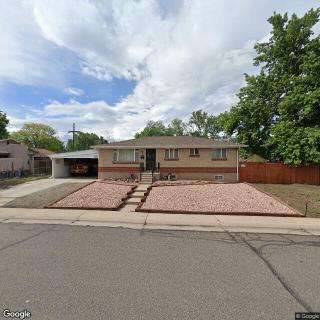
Spring Cove Care Home
$2,485 to $3,685 / month0.7 miles away -
from +$100 / mo

V-Esprit
$2,200 to $2,700 / month12.8 miles away
Overall Review of Alternative Care Homes IV
Pros
 Kayla is dedicated to her work.
- Kayla proactively contacted the team to resolve pump issues.
- Kayla's involvement prevented the issue from impacting patients.
- The collaboration with Kayla made the process more efficient and effective.
- The reviewer is impressed by Kayla's dedication and responsiveness.
Cons
 The reviewer wasn’t happy with the care of the residents.
Review
Alternative Care Homes IV in Denver is best suited for families that need reliable nursing responsiveness and practical coordination with outside medical providers, more than it is for families seeking consistently high-touch daily care across all residents. The standout in the posted anecdotes is a nurse who demonstrates initiative when equipment issues arise and who ensures outside suppliers are engaged promptly. That kind of responsiveness can be a lifeline for residents with complex medical needs who rely on timely adjustments to feeding pumps or other equipment. In other words, the facility may deliver value for medically intricate cases where coordination and quick problem-solving matter most.
Those who should consider alternatives are families prioritizing steady, exemplary daily caregiving and a consistently positive resident experience. The community’s overall rating sits at 2.8, with two negative reviews and a few brighter notes. A persistent concern appears to be the daily quality of resident care, not just episodic issues. For families using this community as a long-term home, that signals the need for careful on-site verification of how care is delivered day to day, not only how staff handle unusual, one-off medical hiccups.
The clear pros center on staff resourcefulness and a willingness to go the extra mile in coordinating medical logistics. The nursing staff member highlighted in the positive feedback embodies a strength that can reduce downtime for medically dependent residents and bring faster, more efficient problem resolution. A smaller portion of feedback points to competent, individual staff performance, and that limited but real capability can make a meaningful difference for residents who require frequent interaction with outside suppliers or regular medical oversight. These won’t erase broader care concerns, but they do create a critical safety valve in urgent or device-related situations.
The main cons, however, revolve around perceived deficiencies in general resident care. The most pointed critique, “Not feeling too happy with the care of the residents”, flags possible gaps in daily supervision, activity engagement, and basic well-being. Coupled with the low overall rating, this makes it hard to overlook ongoing questions about staffing consistency, oversight, and the at-rest experience of residents. In a market where families expect reliable routine care and visible effort across shifts, those concerns are not easily dismissed, even when a few staff members demonstrate real dedication.
Thus, the pros offset only partially the cons. The capability to coordinate medical equipment and partner with outside providers is valuable, especially for residents with specialized needs. Yet this strength does not fully compensate for broader impressions of inconsistent daily care. For families weighing options, that means a decision hinges on what matters most: is timely medical coordination the top priority, or is steady, high-quality daily caregiving across all residents non-negotiable? In Denver, where several communities compete on both dimensions, the hesitation is understandable unless one can verify meaningfully improved daily care during a trial period.
Practical next steps are essential. Schedule a thorough on-site tour and request to meet multiple shifts of frontline caregivers, not just the most polished staff. Probe staffing levels, turnover, and training, ask for examples of daily routines, meal quality, hygiene practices, and how Care Plans are implemented across shifts. Ask for recent resident satisfaction indicators, activity programming, and how incidents are tracked and resolved. If medical equipment and outside coordination remain a priority, insist on seeing documented response times and case-by-case outcomes. For families with flexibility, it pays to compare alternatives with stronger daily-care reputations, while for those who can work with robust medical support and proactive staff, this community may still be a workable fit. The bottom line is clear: solid medical coordination exists here, but it must be matched by consistently strong daily care to meet the needs of most seniors.
 Board and Care Home
 Cats allowed
 Dogs allowed
 Private
 Private bathrooms
 Denver International (23 miles away)
 Ambulatory care
 Diabetic care
 High acuity care
 Christian services

 Urinary Tract Infections in Older Adults: Comprehensive Insights on Symptoms, Treatment, and Prevention
 California's Form 602A: An In-Depth Examination of Senior Care Assessment
 Comprehensive Look at Senior Blood Pressure Charts: Normal and Elevated Levels by Age