
5858 Point Rider Circle, Castle Rock, CO 80104
For more information about senior living options: (866) 208-4318
Overall Review of Jai Residential Care Home 2
Pros
 The staff at Gardens Care Red Hawk is phenomenal.
- The day-to-day caregivers became like family to the residents and their families.
- The facility is highly regarded for prompt and informative communication about residents’ time there.
- Gardens Care and Brighton Hospice provided excellent care during a crucial time in a loved one’s life.
- Families are grateful for the compassionate care that allowed them to visit and be with their loved one until the end.
Review
This community is best suited for families who want an intimate, home-like setting in Castle Rock where staff form deep, enduring bonds with residents and their families. The experiences shared by multiple families center on caregivers who show up consistently, treat residents like integral members of a close-knit group, and partner with families during difficult transitions, from rehab stays to end-of-life moments. In this network, the human connection is the core value, and that is exactly what becomes the deciding factor for those who fear a sterile, impersonal atmosphere in senior living.
Those considering alternatives should note who may not be ideally served here. Families seeking a large campus with a broad calendar of activities, cutting-edge medical amenities on-site, or a formal, hospital-like environment may find the footprint and pace of this setting too small or quiet. For individuals requiring around-the-clock medical oversight from a sizeable team, or for households that want a more structured, program-driven daily routine, exploring larger assisted living or memory-care communities would be prudent. This is where others’ needs for scale and formal programming may outpace what a small home-style setting delivers.
The strongest pros are precisely the elements that matter most when a eldercare journey centers on trust and personal touch. Prompt, informative communication from a dedicated staff team stands out, reducing uncertainty during transitions and helping families feel connected to daily care. Caregivers become familiar presences, not faceless staff, which translates into smoother monitoring of health changes, quicker response times, and genuine reassurance for relatives. The ability for families to be present, visit freely, and participate in daily care makes a meaningful difference in peace of mind, especially during rehab and terminal phases.
These advantages offset potential downsides typical of smaller operations by ensuring care remains personal and accountable. When the setting prioritizes family involvement and transparency, the risk of feeling left out or uninformed diminishes. The reviewed experiences show that staff members develop a collaborative, almost familial relationship with residents and their families. In a context where medical complexity can escalate quickly, that level of accessibility and emotional support is not a luxury, it’s a practical safeguard that keeps families engaged and residents well attended to.
The narrative evidence highlights care perceived as compassionate and holistic, extending beyond routine daily needs. One family’s account centers on a hospital-to-home care arc that culminated in a setting where the staff became integral to the family during a loved one’s final moments. Another illustrates the value of prompt, clear information about a loved one’s time in care, enabling timely decisions and steady communication with relatives. A third underscores hospice collaboration that honored end-of-life wishes while preserving the ability to visit and participate in care. Taken together, these stories reinforce a core strength: human-centered care that travels with families through crisis.
For families evaluating options, the takeaway is clear. If the priority is a warm, responsive, and intimately connected caregiving team that treats residents like family and keeps families actively involved, this community delivers with consistency and heart. If, instead, the checklist weighs heavily toward a large, activity-filled campus with extensive on-site medical staffing, it would be wise to explore alternatives. Prospective buyers should plan visits with questions tailored to accessibility, caregiver continuity, end-of-life support, and opportunities for family participation, then weigh these against personal values, budget, and the specific medical needs of the loved one. This is a setting where the right fit hinges on valuing closeness, responsiveness, and a caregiving culture that becomes part of the family.
 5 resident community capacity
 Assisted Living
 Cable or satellite TV
 Dining room
 Fully furnished
 Garden
 Housekeeping services
 Move-in coordination
 Outdoor space
 Telephone
 Wi-Fi/high-speed internet available
 24-hour supervision
 Activities of daily living assistance
 Assistance with bathing
 Assistance with dressing
 Assistance with transfers
 Diabetes diet
 Meal preparation and service
 Medication management
 Special dietary restrictions
 Transportation arrangement (medical)
 Transportation to doctors appointments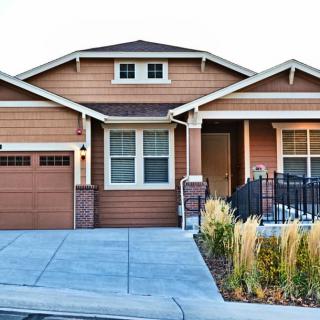







 8 Key Indicators That Suggest It May Be Time to Transition from Assisted Living to Skilled Nursing Care
 Vibrant Senior Living: A Comprehensive Guide for Active Older Adults
 When to Transition from Assisted Living to Memory Care: Key Indicators, Steps, and Finding the Right Community