
12451 Sheridan Blvd, Broomfield, CO 80021
To contact a resident: (303) 465-6466
For more information about senior living options: (866) 208-4318
Broomfield Greens Costs & Pricing
Broomfield Greens offers remarkably competitive pricing for housing compared to both Jefferson County and the broader Colorado state averages. For instance, a one-bedroom unit at Broomfield Greens is available for just $570 a month, significantly lower than the county's average of $4,076 and the state average of $4,119. Similarly, the two-bedroom accommodations are priced at $690, which is substantially more affordable than Jefferson County's average of $4,881 and even lower than Colorado's statewide average of $4,580. These prices not only highlight Broomfield Greens' commitment to affordability but also position it as an attractive option for those seeking quality living without the hefty price tag often associated with the region.
| Floor plans | Broomfield Greens | Jefferson County | Colorado |
|---|---|---|---|
| 1 Bedroom | $570 | $4,076 | $4,118 |
| 2 Bedrooms | $690 | $4,881 | $4,580 |
Senior living communities with a similar price nearby
-
from -$25 / mo
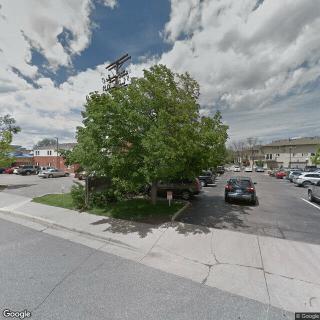
Kentucky Circle Village
$545 / month16.7 miles away -
from -$42 / mo
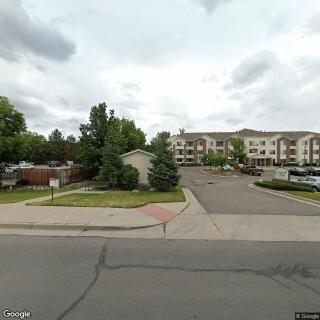
Columbine Village at Arvada
$528 to $631 / month9.2 miles away -
from +$81 / mo
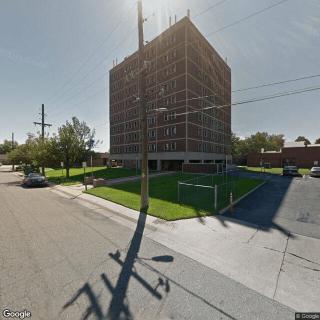
Liggins Tower
$651 to $813 / month12.8 miles away -
About the same
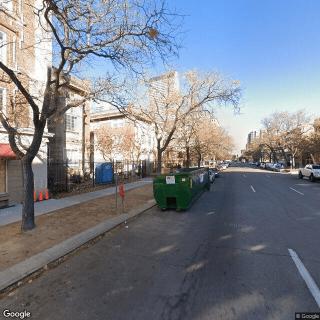
The Argonaut El Tovar
$567 to $3,000 / month13.0 miles away -
About the same
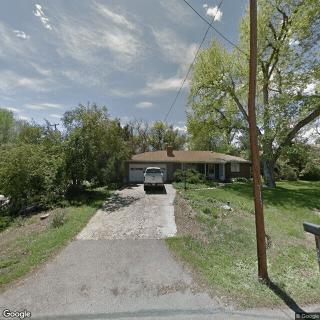
Senior Villa
$575 to $675 / month11.3 miles away
Overall Review of Broomfield Greens
Pros
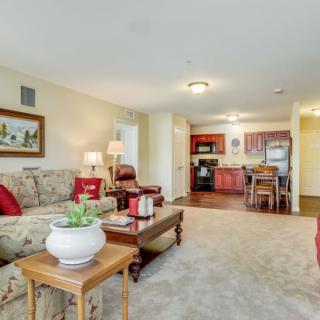
 The apartments are small but nice.
- Rent is based on income, making it very affordable.
- A bus service picks up at the door weekly for trips to King Soopers.
- The location is near shopping and restaurants.
- The complex appears nice and pet-friendly.
Cons
 Bats leave droppings by the back doors, which are tracked into the building and cause unsanitary conditions.
- Mold is appearing with increased frequency in individual resident units.
- The air-conditioning systems are falling apart and not all are in working order.
- There are no automotive doors, making it difficult for retirement-age residents with walkers or canes.
- Snow removal is not timely or complete, and ice remains a problem.
- The carpeting is unraveling, creating tripping and falling hazards.
- Outside doors are not secured at all times, and residents were not consistently notified about security incidents.
- Dogs off leash or out of owners’ control pose a danger to other residents.
- Emergency and fire drills are not held regularly, and notices are not consistently given.
- The on-site manager is less than helpful and shows indifference to residents’ concerns, suggesting they should just move.
- The on-site manager and the Hudson Real Estate representative do not demonstrate a positive attitude or a passion for excellence.
Review
Broomfield Greens is best suited for financially constrained seniors who want to maintain independence in a straightforward, independent-living setting. The apartments are small but presentable, and the rent is based on income, which eases monthly budgeting for residents on limited means. A weekly doorstep bus to King Soopers makes essential shopping feasible without driving, and its location is convenient for nearby stores and dining. The community is pet-friendly, which can be a meaningful perk for those who rely on a companion animal for routine, emotional support, or structured daily activity. For a resident who prioritizes affordability and access over showroom condition or a full-service care environment, this option aligns with practical needs.
Those who may want to consider alternatives are anyone who cannot tolerate persistent safety and maintenance concerns or who requires stronger, more proactive on-site management. This is not a setting designed for high-touch care; a family seeking robust security, frequent proactive communication, and consistently updated upkeep should look elsewhere. Prospective residents who require reliable emergency procedures, consistently secure access points, and timely responses to upkeep requests will likely find this community lacking. In short, if safety, rapid maintenance, and a sense of everyday reliability are non-negotiable, alternatives with stronger infrastructure and management support are advisable.
The strongest positives, affordability, compact comfort, and practical transit, do offer meaningful balance for the right resident. The income-based rent dramatically lowers housing pressure, allowing funds for essentials or occasional extras. The small, clean apartments enable easier routine upkeep and provide a manageable space for someone who does not need large layouts or abundant storage. The weekly bus service and proximity to shops reduce isolation and preserve independence, while pet-friendliness supports companionship and routine, which are crucial for emotional well-being. These advantages can offset the burden of upkeep costs and the need to live near services, but only when safety and maintenance realities remain manageable.
However, the weight of the cons is substantial and hard to ignore. Reports of unsanitary bat activity near back doors, rising mold in individual units, aging air-conditioning, and unsecure exterior doors threaten daily health and peace of mind. Snow removal is inconsistent, carpets are fraying and creating fall hazards, and dogs off leash can introduce unpredictable risk in common areas. Emergency and fire drills are not consistently communicated, and the on-site management has been described as indifferent, with a dismissive tone toward resident concerns. Taken together, these issues undermine the independence that affordability and bus access promise, and they raise legitimate concerns about ongoing safety and quality of life.
For families evaluating options, the practical next steps are clear. Seek a candid timeline from management for mold remediation, pest mitigation, HVAC repairs, and door security upgrades; request a formal maintenance-response protocol with defined targets and accountability. Inspect current emergency procedures and drill frequency, and ask how residents are notified about safety matters. Consider whether the level of daily safety risk is acceptable given budget constraints, and compare with nearby communities that offer similar affordability with more dependable maintenance and better-informed, responsive leadership. If these conditions cannot be improved promptly, it is prudent to explore alternatives before committing long term.
In the end, this community represents a trade-off: significant affordability and convenient access for a resident who can tolerate ongoing maintenance uncertainties and a patchy safety record. For those who prioritize unwavering safety, consistent upkeep, and proactive, resident-centered management, alternatives are not only worth considering, they are essential. Families should weigh the cost savings against the likelihood of continued maintenance gaps and the potential need for closer oversight, then decide whether the balance achieved here meets the resident’s non-negotiables. The prudent choice is guided by where safety, reliability, and responsive care rank on the priority list relative to budget and proximity to familiar shops and services.
 Active Adult Communities (55+)
 Cats allowed
 Dogs allowed
 Denver International (21 miles away)




 California's Form 602A: An In-Depth Examination of Senior Care Assessment
 Comprehensive Look at Senior Blood Pressure Charts: Normal and Elevated Levels by Age
 Top Canine Companions for Older Adults