
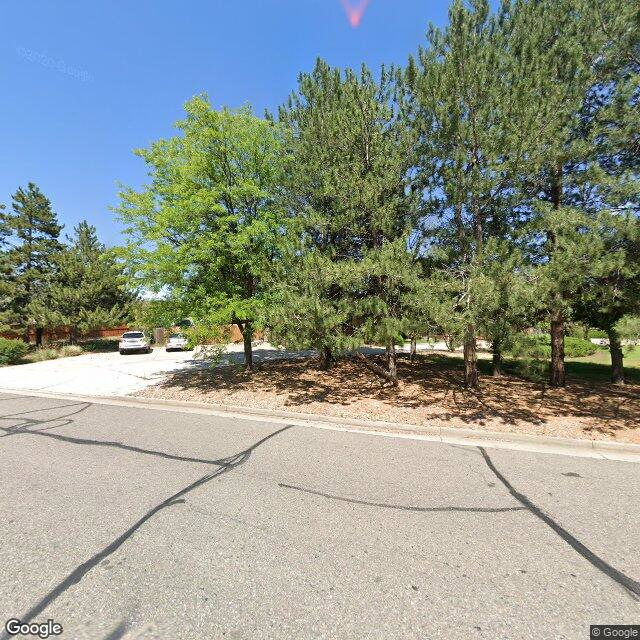
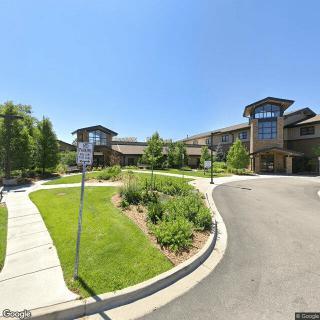
14601 E Hampden Pl, Aurora, CO 80014
To contact a resident: (720) 870-8713
For more information about senior living options: (866) 208-4318
Veillee House at Meadow Hills Costs & Pricing
Veillee House at Meadow Hills offers competitive pricing for its private rooms, with a monthly cost of $3,500. This rate is notably lower than the average costs in both Denver County and across the state of Colorado, which stand at $4,178 and $4,142 respectively. By providing a more affordable option without compromising quality, Veillee House positions itself as an attractive choice for individuals seeking supportive living arrangements that balance cost and care. This value is particularly significant in today's market, where many families are looking for economically viable solutions that do not sacrifice comfort or service.
| Floor plans | Veillee House at Meadow Hills | Denver County | Colorado |
|---|---|---|---|
| Private | $3,500 | $4,178 | $4,142 |
Senior living communities with a similar price nearby
-
from -$500 / mo

A Loving Hand Assisted Living
$3,000 / month5.5 miles away -
About the same
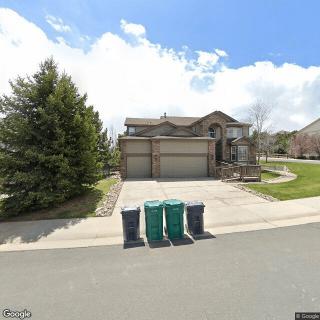
Castle Rock Assisted Living II
$3,600 to $4,100 / month18.7 miles away -
About the same
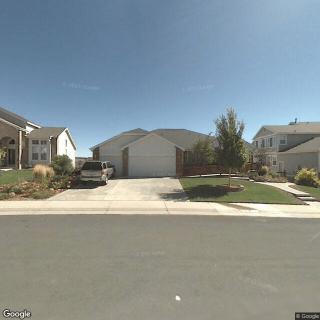
Castle Rock Assisted Living 1
$3,600 to $5,000 / month18.9 miles away -
About the same
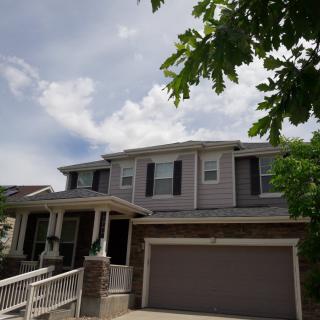
Auburn View Assisted Living
$3,500 to $5,600 / month4.1 miles away -
from -$500 / mo
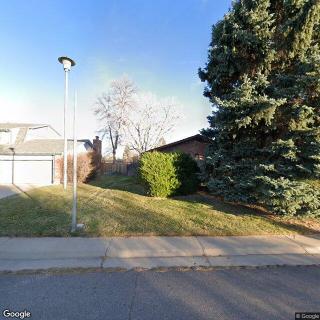
Lighthouse Assisted Living Inc - Newland
$3,000 to $3,500 / month14.0 miles away
Overall Review of Veillee House at Meadow Hills
Pros
 Hampden Hills has transformed into an exceptional SNF, standing out for its commitment to residents.
- The staff's dedication to providing life-changing services is evident at Hampden Hills.
- The team at Hampden Hills is a shining example of compassion and dedication, genuinely caring for patients and going the extra mile.
- Drew's professionalism, kindness, and efficiency exemplify the high level of support available during emergencies.
- Hampden Hills demonstrates excellent communication, making it effortless to engage with the team and advocate for residents' best interests.
- Hampden Hills goes above and beyond, with dedication, compassion, and a remarkable positive impact on residents' lives.
- Hampden Hills has been a lifesaver for families, with attentive, respectful care and 24-hour support for loved ones.
- The staff treats residents with respect and great care.
Cons
 They claim the care declined after Hampden Hills changed ownership.
- They allege the social worker helped move their uncle to AZ with a relative who uses drugs and has stolen from him.
- They were not informed of the medical power of attorney change.
- They say a sick relative was discharged to travel.
- They describe the staff as heartless and disrespectful toward their nana, including mispronouncing her name and reacting with sarcasm.
- They claim there was a bait-and-switch by the owner and that funds were not returned.
- They say there are hidden fees, such as a “community fee,” sprung on them.
- They characterize the owner as unscrupulous and profit-driven.
Review
Veillee House at Meadow Hills in Aurora is best suited for families seeking a small, hands-on environment where residents receive close, around-the-clock supervision and individualized attention in a home-like setting. The layout and staffing model tend to favor a tight-knit, intimate atmosphere, which can translate into more consistent daily contact with caregivers and quicker response to basic needs. This is a practical choice for seniors who require help with activities of daily living, enjoy regular social interaction, and benefit from a setting where staff can monitor safety closely. The right family will want strong family involvement and a clear line of communication with management, because in a smaller community every staffing shift and governance decision can meaningfully shape the resident’s day-to-day experience. Any decision should hinge on whether ownership stability and transparent governance can be demonstrated over time.
Those who should consider alternatives include families wary of ownership change risk, opaque billing practices, or uneven experiences across staff teams. Several reviews highlight concerns about how contracts and fees are managed, with mentions of hidden charges and disputed funds that undermine trust. For families that require ironclad predictability, a facility with a long-standing, consistently communicated billing structure and a proven track record of financial clarity will feel more secure. If witnessing inconsistencies in transparency, or fearing abrupt shifts in policy or leadership, are red flags, it is prudent to broaden the search to options with established governance, clearer resident-rights processes, and independent oversight. In short, stability and transparency are non-negotiables for decision-makers who prioritize long-term financial and caregiving reliability.
On the upside, the community’s smaller size and recent positive reports from some professional caregivers suggest meaningful strengths when leadership is steady and staff are genuinely engaged. Several accounts praise a high level of dedication from frontline workers, a sense that staff go beyond the bare minimum to support residents, and a culture of open communication with families. The ability to tailor care in a low-occupancy setting, where caregivers can devote substantial time to each resident, appears to translate into tangible benefits for those who do not require highly specialized medical interventions. Additionally, the admissions process is highlighted as responsive and supportive at times, with staff who coordinate planning and facilitate transitions, including emergency respite when needed. Taken together, these elements can offset some daily friction if managed consistently.
Yet the record also flags serious cautions that cannot be dismissed. Reports describe discharges of ill residents, miscommunications around care decisions, and moments when grief-stricken families felt dismissed or disrespected. There are references to mispronounced names, rigid authority without adequate sensitivity, and limits on family access during crucial moments of mourning. Financial concerns recur as a dominant theme, with allegations of funds being mismanaged, contracts not delivered as promised, and claims of “bait and switch” practices or hidden fees. The repetition of these patterns across reviews signals a real risk that ownership-driven decisions can overshadow resident welfare and family trust when governance fails to maintain rigorous ethical and administrative standards. These are not minor quibbles; they point to a fundamental need for vigilant oversight.
The pros can meaningfully offset the cons when governance is transparent and the care team is consistently anchored by trustworthy leadership. If ownership is stabilized with a clear, accessible management structure, and if contracts are forthcoming with itemized fee schedules and straightforward terms, the small-scale model can deliver personalized attention that many families value highly. A responsive Admissions team, attentive communication, and a demonstrated willingness to collaborate on a resident’s plan, when these elements are reliably in place, can transform the experience from fluctuating to dependable. For families who will remain deeply involved and demand accountability, Veillee House can be a viable option, offering intimate care dynamics that larger facilities struggle to match, provided the financial and managerial pillars are solid.
Practical guidance for decision-makers is essential. Schedule multiple visits at different times to observe shifts, talk directly with current residents and their families, and request a current, itemized fee schedule with a copy of the contract in plain terms. Verify the leadership structure, including how ownership changes are communicated and managed, and insist on written care plans that specify who oversees medical needs, medications, and discharge decisions. Check licensing records, state survey results, and the facility’s policy on family access and POA involvement during critical moments. If these assurances cannot be obtained, or if the sense of trust remains fragile, it is prudent to continue the search. Veillee House can be a strong fit for a family that values close oversight and genuine caregiver engagement, so long as governance, pricing clarity, and respectful communication are non-negotiables from day one.
 Board and Care Home
 Cats allowed
 Dogs allowed
 Private
 Denver International (16 miles away)



 Compassionate Conversations: How to Comfort Someone Who Is Grieving
 Home Health Care Aides: Understanding Their Role and Supporting Your Family
 Urinary Tract Infections in Older Adults: Comprehensive Insights on Symptoms, Treatment, and Prevention