St. Andrew's Village offers a range of living options, with monthly costs that reflect both the amenities and services provided at this community. For a one-bedroom unit, residents can expect to pay $4,195, which is slightly above the Denver County average of $3,768 and near the state average of $4,119. The studio apartments are priced at $4,295, placing them higher than the county's average rate of $3,646 but still competitive with Colorado's overall average of $4,090. Meanwhile, two-bedroom units come in at $4,795, which exceeds both Denver County's average cost of $3,789 and Colorado's state average of $4,580. Overall, while St. Andrew's Village commands higher prices compared to local averages in some categories, these rates often reflect enhanced offerings that contribute to a vibrant lifestyle for its residents.
Floor plans
St. Andrew's Village
Denver County
Colorado
1 Bedroom
$4,195
$3,768
$4,118
Studio
$4,295
$3,646
$4,088
2 Bedrooms
$4,795
$3,789
$4,580
Assisted Living communities with a similar price nearby
Residents and families describe staff members as genuinely attentive and helpful.
Across the reviews, people repeatedly point to staff support as a major reason they feel comfortable here, from helping new residents settle in to responding when something comes up. Multiple reviewers mention friendliness at the front desk and dining areas, and describe staff who take time to answer questions and follow through on requests. A few also highlight that care and communication can improve during stressful situations, including transitions between care levels and urgent needs.
differentiator30 reviews mention this
Dining gets frequent praise
Dining quality is a standout theme, with residents describing meals they look forward to.
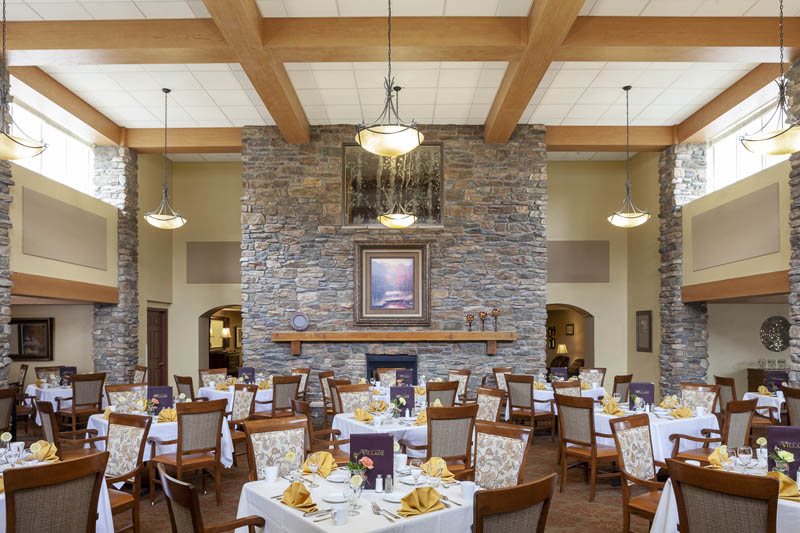
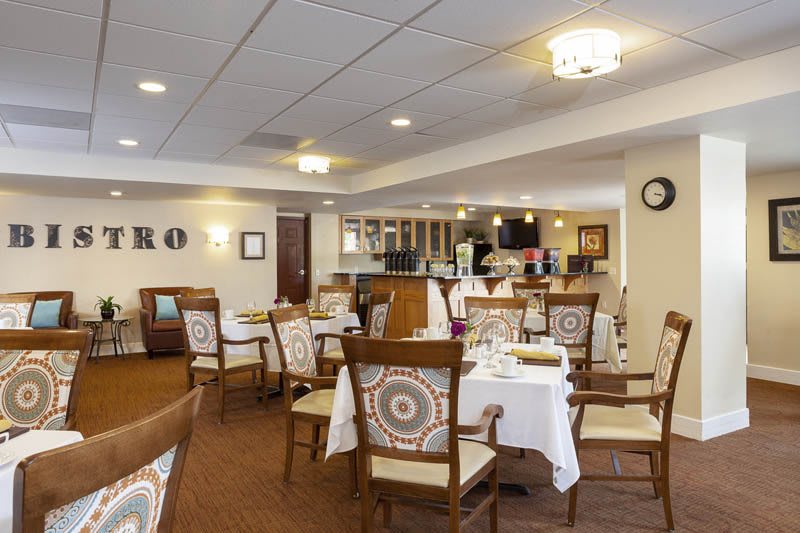
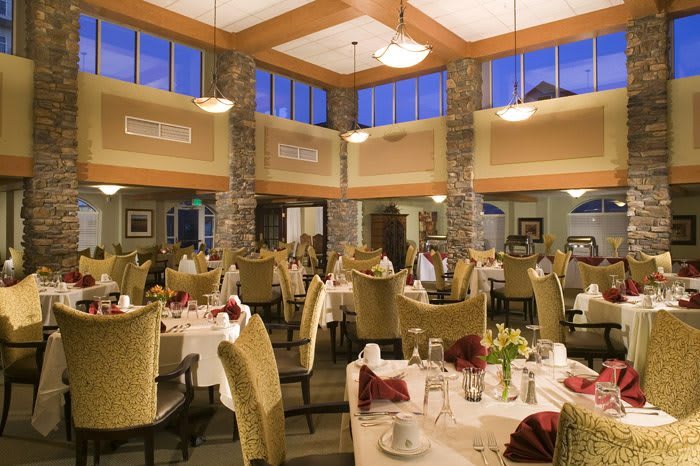
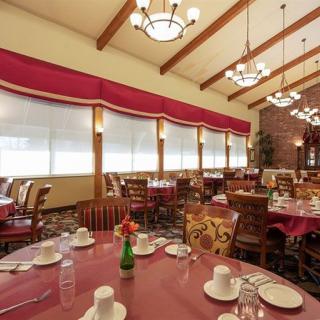
Many reviews mention consistently good food, a varied meal experience, and staff who support the dining experience. Several residents and families describe enjoying restaurant-style dining and alternatives like room service, along with special dietary accommodations. Not every review is positive—some residents mention meal issues like portion size or inconsistency—but the overall tone around dining remains strongly favorable.
common22 reviews mention this
Activities and outings keep residents engaged
Residents describe plenty of activities, including outings and on-site programming.
Reviews frequently mention a full schedule of activities, including programs inside the building and planned outings. Families also describe residents getting involved quickly after moving in, with regular events such as concerts, happy hours, and trips to community destinations. The activity mix is also connected to convenience for people who do not drive, since the community coordinates transportation and helps with errands.
differentiator16 reviews mention this
Care transitions are a key strength
Multiple care levels help families transition when health needs change.
Several reviewers describe the appeal of having multiple care options available in one place, including moving from independent living to assisted living and then to rehab or skilled nursing when needed. Families mention smoother transitions for hospital discharges and emergency situations, with staff coordinating care along the way. Some residents mention at least a few dining or staffing hiccups depending on timing, but the reviews broadly frame the continuum as reassuring.
caveat6 reviews mention this
Pricing reads above-average
Pricing comes up as a concern for some families comparing value.
A portion of reviewers discuss cost directly, with some describing the community as expensive compared with expectations or other options. Others say it was worth the expense for the level of support and peace of mind, which helps explain why pricing can be polarizing. This lines up with the pricing position shown across unit types, where rates run above county and state benchmarks for at least some comparisons.
common3 reviews mention this
Nearby medical and everyday errands
The area includes nearby medical offices, pharmacies, and daily destinations.
Several nearby points of interest support everyday needs, including clinics and pharmacy options that are within a short drive. There are also parks nearby for outdoor time, plus recognizable restaurants for occasional meals out. Reviews also mention transportation help for residents who do not drive, which fits with the convenience of local destinations.
How we summarize
Counts show how many written reviews mention each theme; a review can touch several themes, and only frequently mentioned themes are displayed.
Features
Housing
72 resident community capacity
Types of Care
Assisted Living
Independent Living
Pets
Cats allowed
Dogs allowed
Amenities
Activities off-site
Activities on-site
Air-conditioning
Bath tubs
Beautician on-site
Beauty salon
Cable or satellite TV
Computer center
Devotional services off-site
Devotional services on-site
Dining room
Fitness room
Full kitchen
Fully furnished
Gaming room
Garden
Ground floor units
Handicap accessible
Housekeeping services
Indoor common areas
Kitchenette
Move-in coordination
Outdoor common areas
Outdoor space
Private bathrooms
Respite or short term stays offered
Restaurant-style dining
Small library
Spa
Swimming pool / hot tub
Telephone
Wellness center
Wheelchair accessible showers
Wi-Fi/high-speed internet available
Transportation
Denver International (16 miles away)
Community operated transportation
Transportation arrangement
Transportation arrangement (non-medical)
Transportation to doctors appointments
Care Services
12-16 hour nursing
24-hour call system
24-hour supervision
Activities of daily living assistance
Ambulatory care
Assistance with bathing
Assistance with dressing
Assistance with transfers
Coordination with health care providers
Diabetes diet
Hospice waiver
Meal preparation and service
Medication management
Mental wellness program
Special dietary restrictions
Transportation arrangement (medical)
Transportation to doctors appointments
Dining
Diabetes diet
Gluten-free
Guest meals
Low / no sodium
Meals provided
No Sugar
Restaurant style dining
Room service
Special dietary restrictions
Vegetarian
Activities
Art classes
Catholic services
Community-sponsored activities
Concierge services
Day trips and outings
Devotional activities offsite
Devotional activities on-site
Educational speakers / life long learning
Fitness programs
Happy hour
Live dance or theater performances
Live musical performances
Planned day trips
Protestant services
Resident-run activities
Scheduled daily activities
Stretching classes
Nearby Places of Interest
This part of Aurora, Colorado, offers a variety of amenities and services that may be beneficial for senior living. With several physicians and hospitals in close proximity, residents have easy access to medical care. Additionally, there are pharmacies nearby for convenient prescription pick-ups. The area also boasts several parks where seniors can enjoy outdoor activities and stay active. For dining options, there are a range of restaurants catering to different tastes, as well as cafes for socializing over coffee. Transportation is easily accessible with the Arapahoe Light Rail Station nearby. Overall, this neighborhood provides a mix of healthcare facilities, recreational opportunities, and dining options that could make it a comfortable and convenient place for seniors to reside.
Physicians
VA Jewell Clinic (1 miles)
Rocky Mountain Cancer Centers (1.2 miles)
The Medical Center of Aurora (1.4 miles)
Health Images (1.7 miles)
Kaiser Permanente Smokey Hill Pharmacy (2.6 miles)
Invision Sally Jobe at Centrum DTC | Surgical Center (4.7 miles)
DTC Family Health & Walk-In (4.8 miles)
Pharmacies
Walgreens (1.1 miles)
Walgreens (1.2 miles)
Walgreens (1.5 miles)
Lightshade (1.9 miles)
Walgreens (2.2 miles)
Walgreens (3 miles)
Walgreens (3.1 miles)
Parks
Cherry Creek State Park- Off Leash Dog Area (1.9 miles)
Sagebrush Park (2.7 miles)
Kennedy Dog Park (2.9 miles)
Great Plains Park (3.9 miles)
Cherry Creek Dog Park (3.9 miles)
Rosamond Park (4.2 miles)
Spring Creek Park - Arapahoe Cty (4.3 miles)
Restaurants
Old Town Hot Pot (2.1 miles)
Piper Inn (2.4 miles)
Arby's (2.9 miles)
In-N-Out Burger (2.9 miles)
Sonic Drive-In (3.1 miles)
Chick-Fil-A (4 miles)
Illegal Pete's (4.8 miles)
Cafes
Starbucks (3.6 miles)
Black Rock Coffee Bar (4.7 miles)
Dutch Bros Coffee (5 miles)
Starbucks (5.6 miles)
Starbucks (5.8 miles)
Starbucks (5.8 miles)
Starbucks (6.5 miles)
Hospitals
Village Pavilion (4.9 miles)
Children's Hospital Colorado Anschutz Medical Campus (5.1 miles)
University of Colorado Hospital (5.2 miles)
Rocky Mountain Regional VA Medical Center (5.3 miles)
St. Andrew's Village offers a range of living options, with monthly costs that reflect both the amenities and services provided at this community. For a one-bedroom unit, residents can expect to pay $4,195, which is slightly above the Denver County average of $3,768 and near the state average of $4,119. The studio apartments are priced at $4,295, placing them higher than the county's average rate of $3,646 but still competitive with Colorado's overall average of $4,090. Meanwhile, two-bedroom units come in at $4,795, which exceeds both Denver County's average cost of $3,789 and Colorado's state average of $4,580. Overall, while St. Andrew's Village commands higher prices compared to local averages in some categories, these rates often reflect enhanced offerings that contribute to a vibrant lifestyle for its residents.
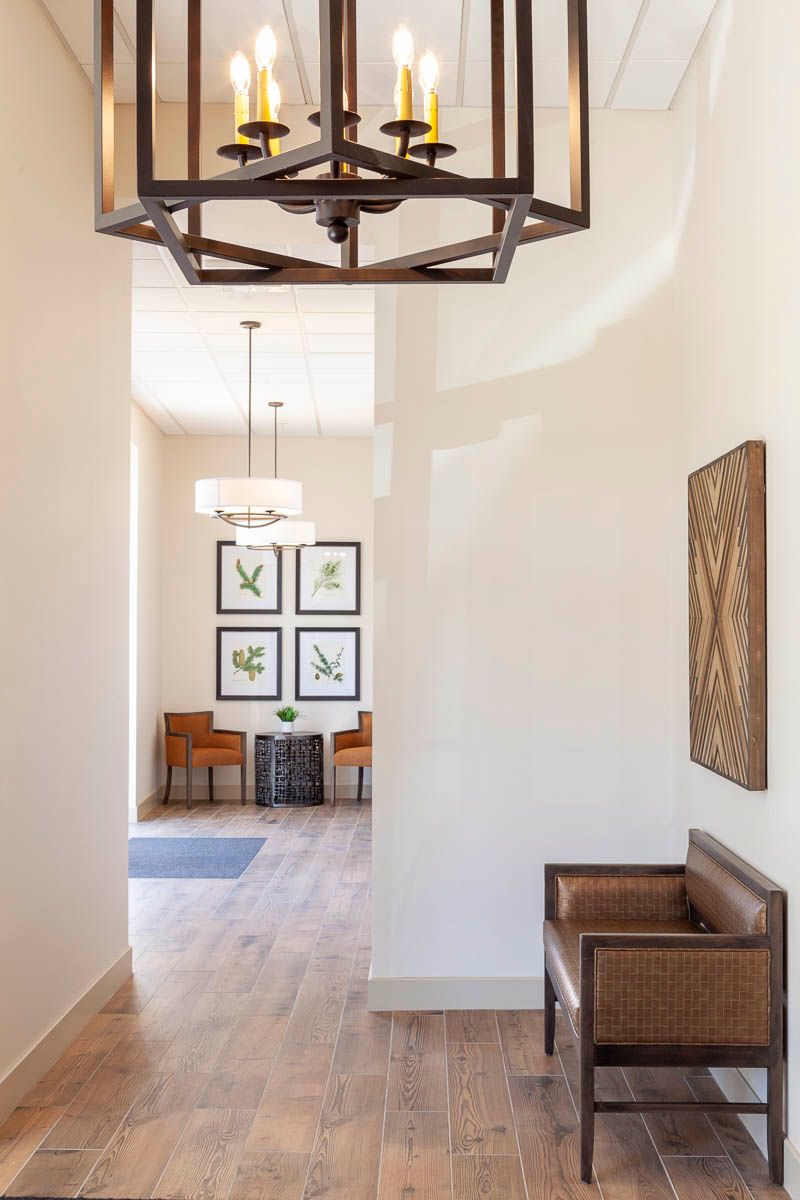
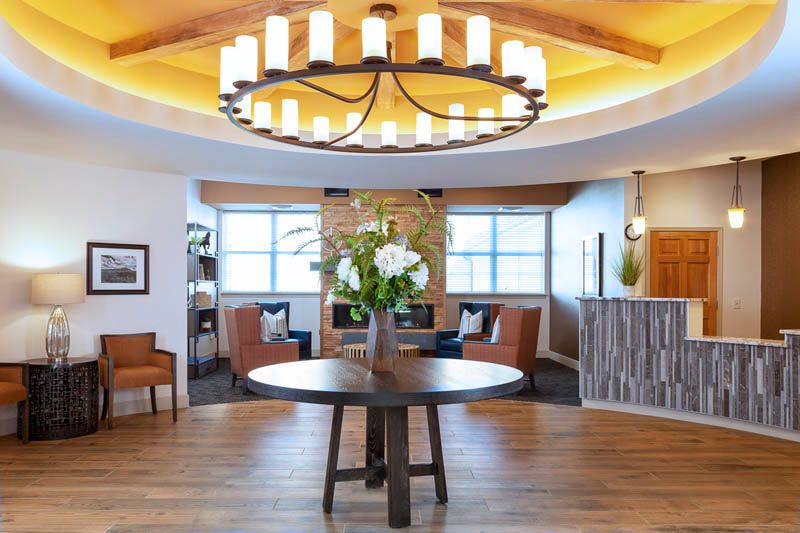
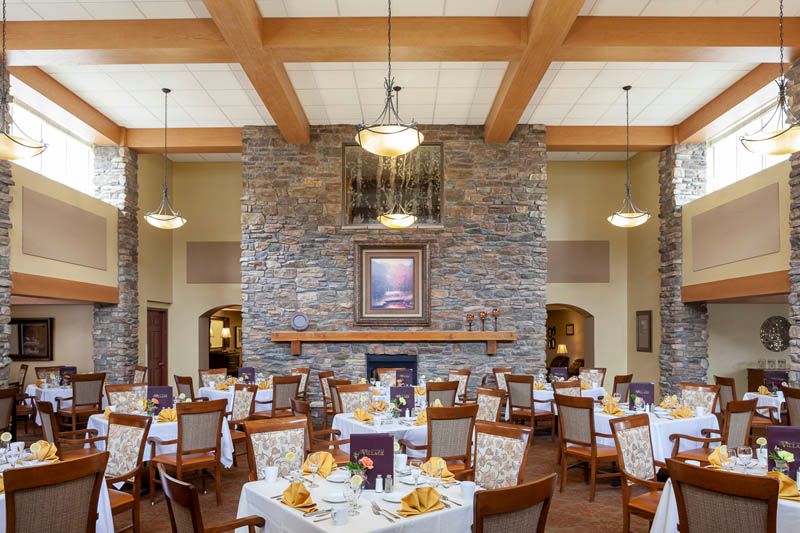
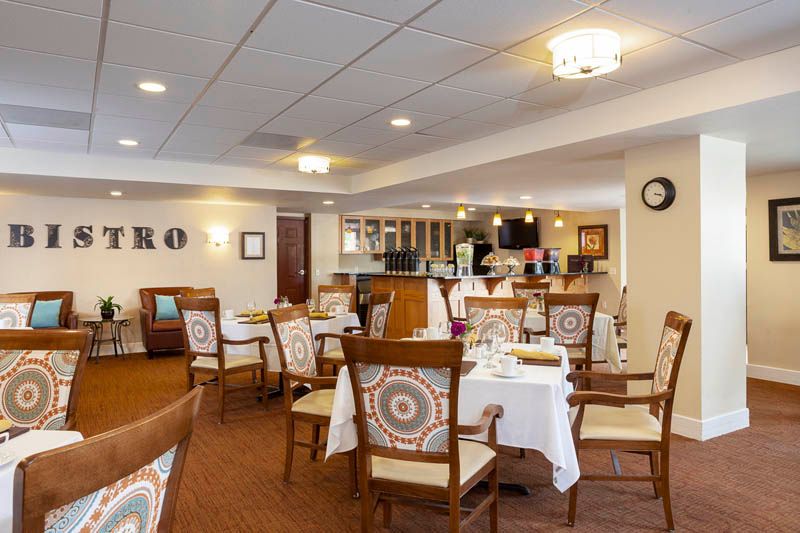
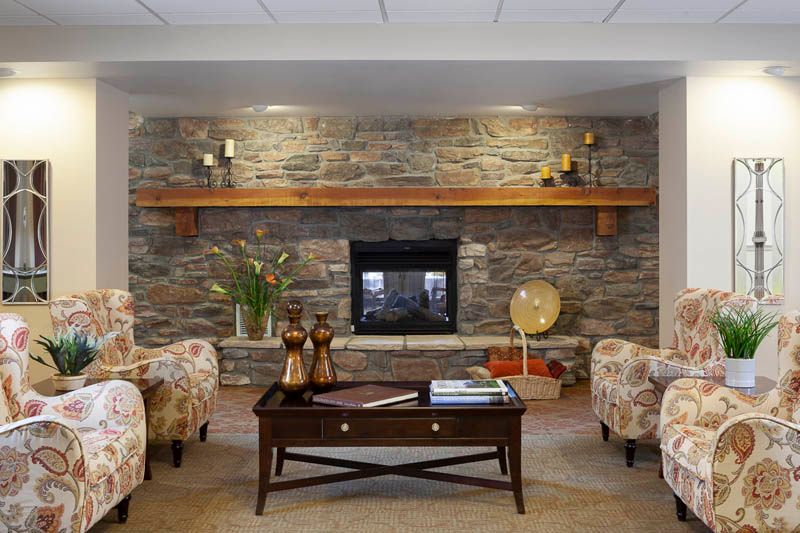
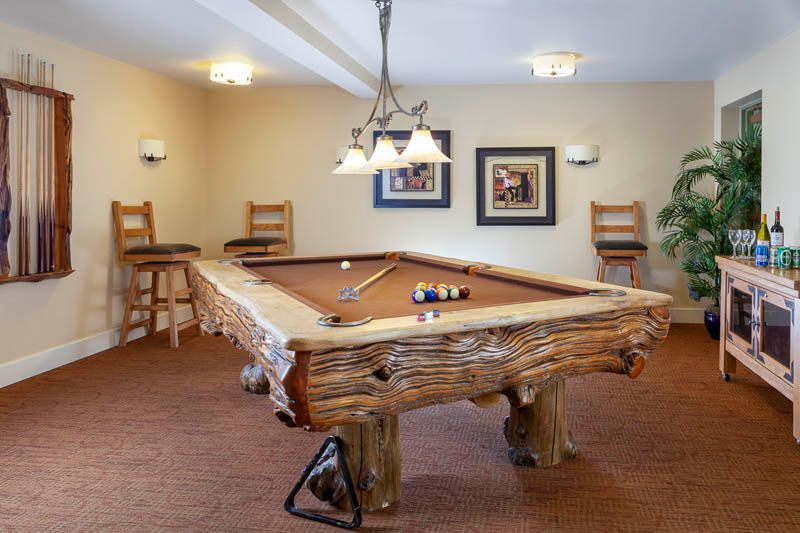
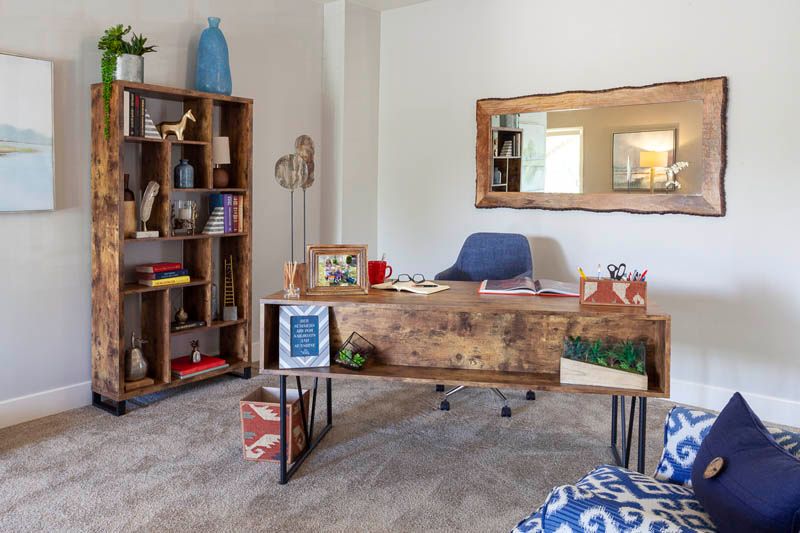
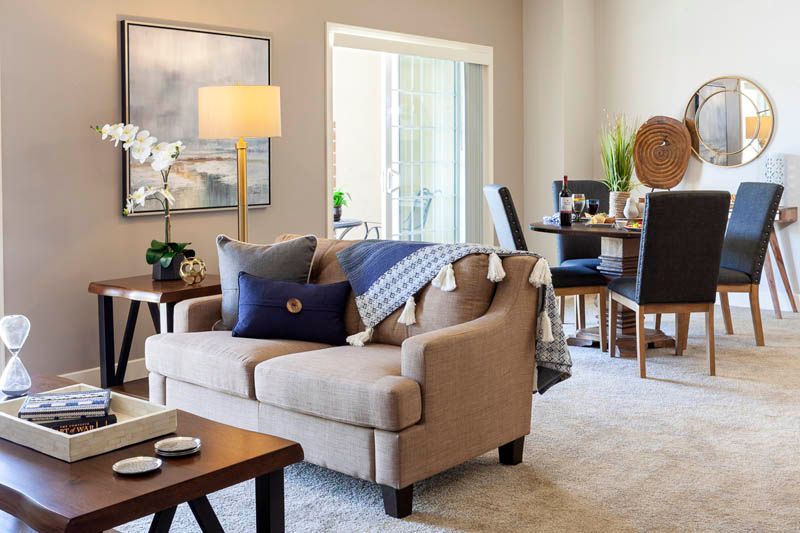
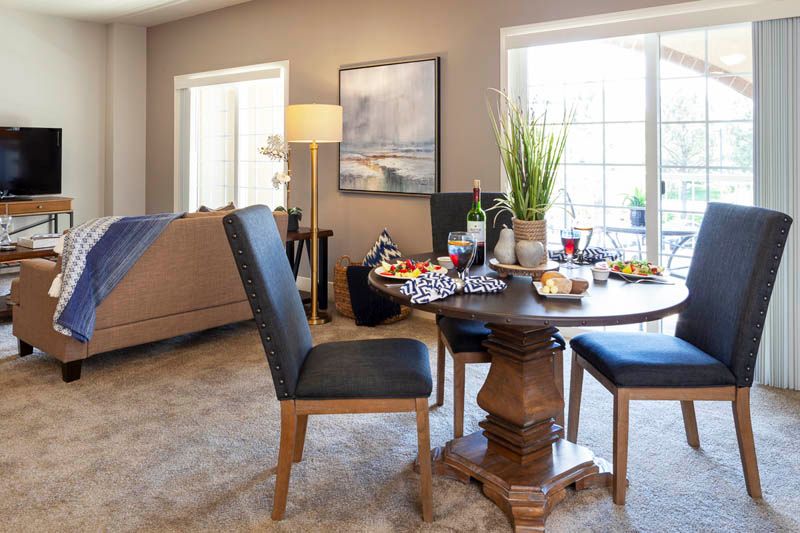
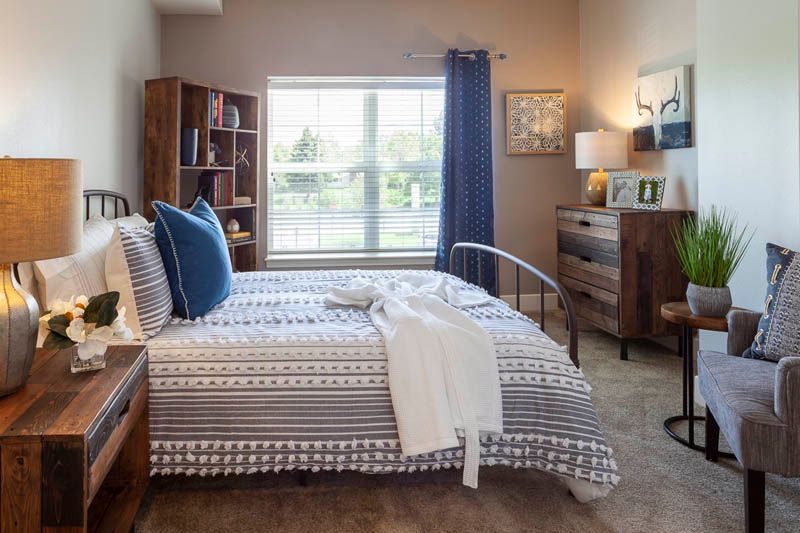
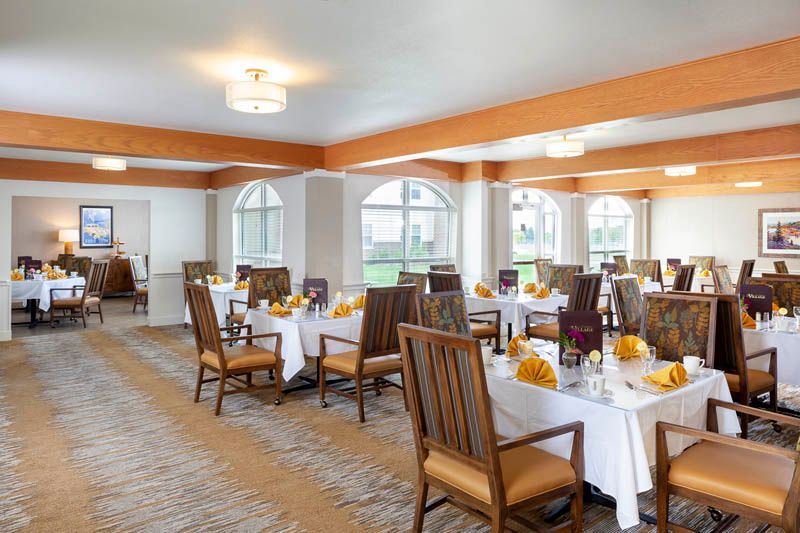
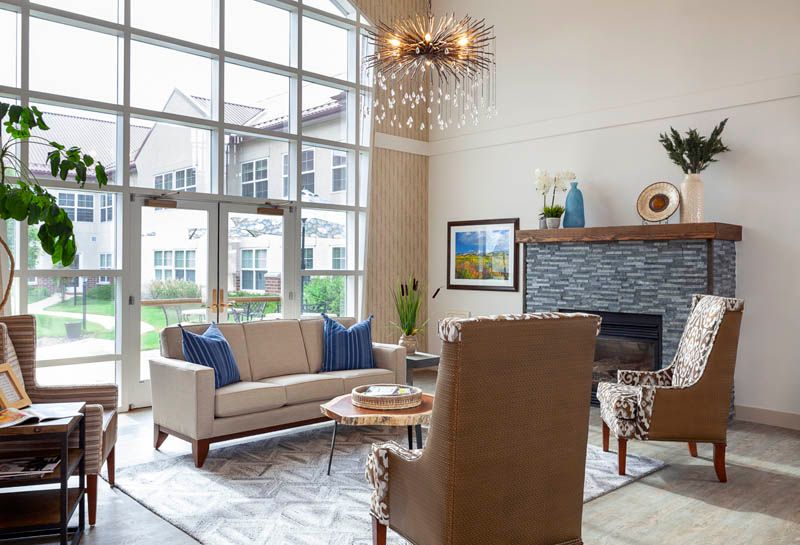
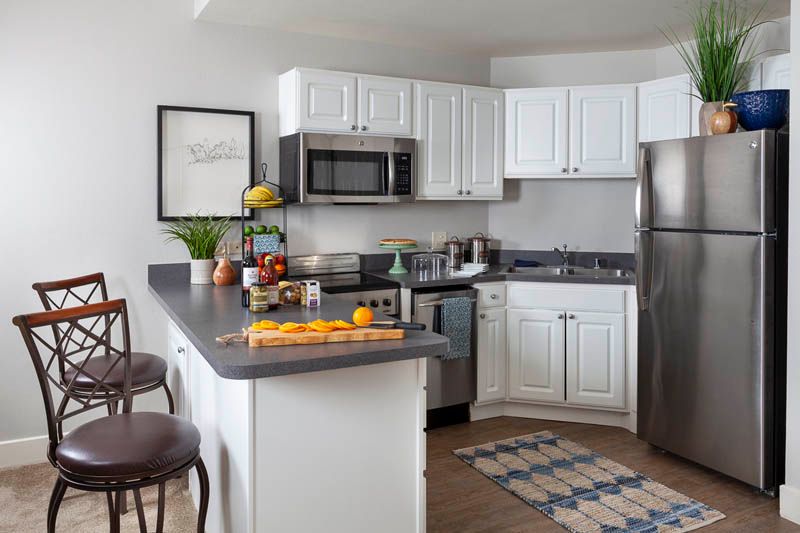
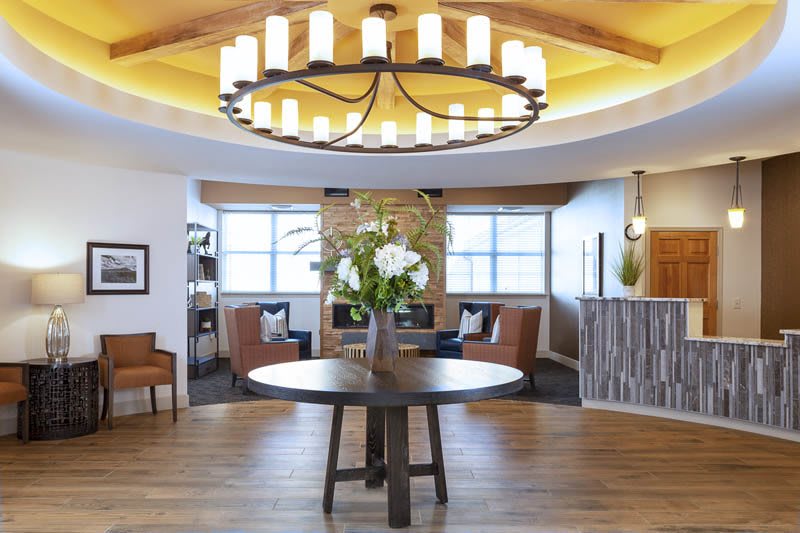
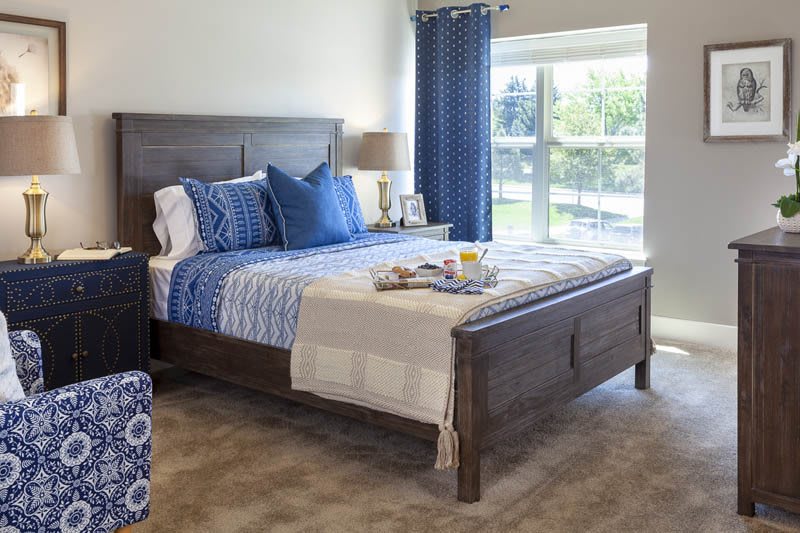
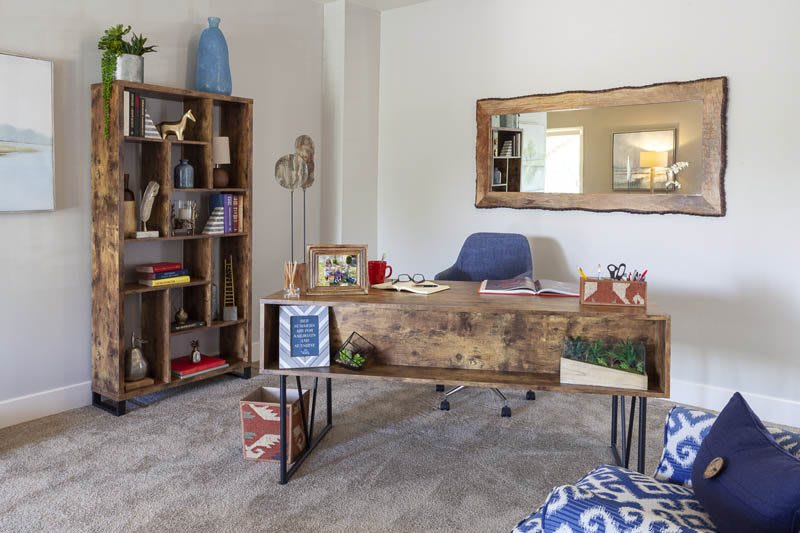
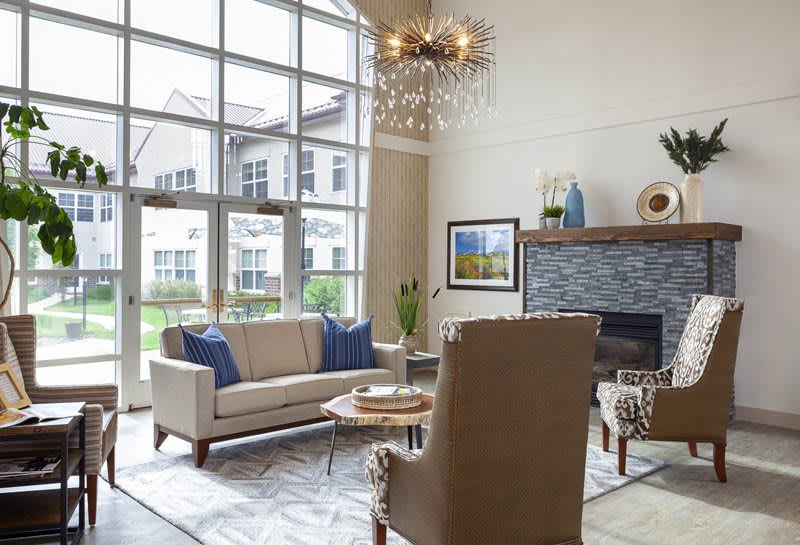
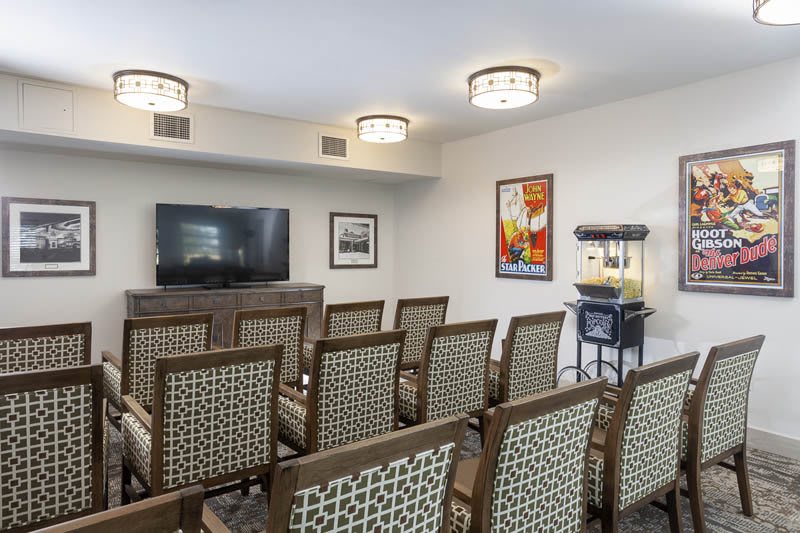
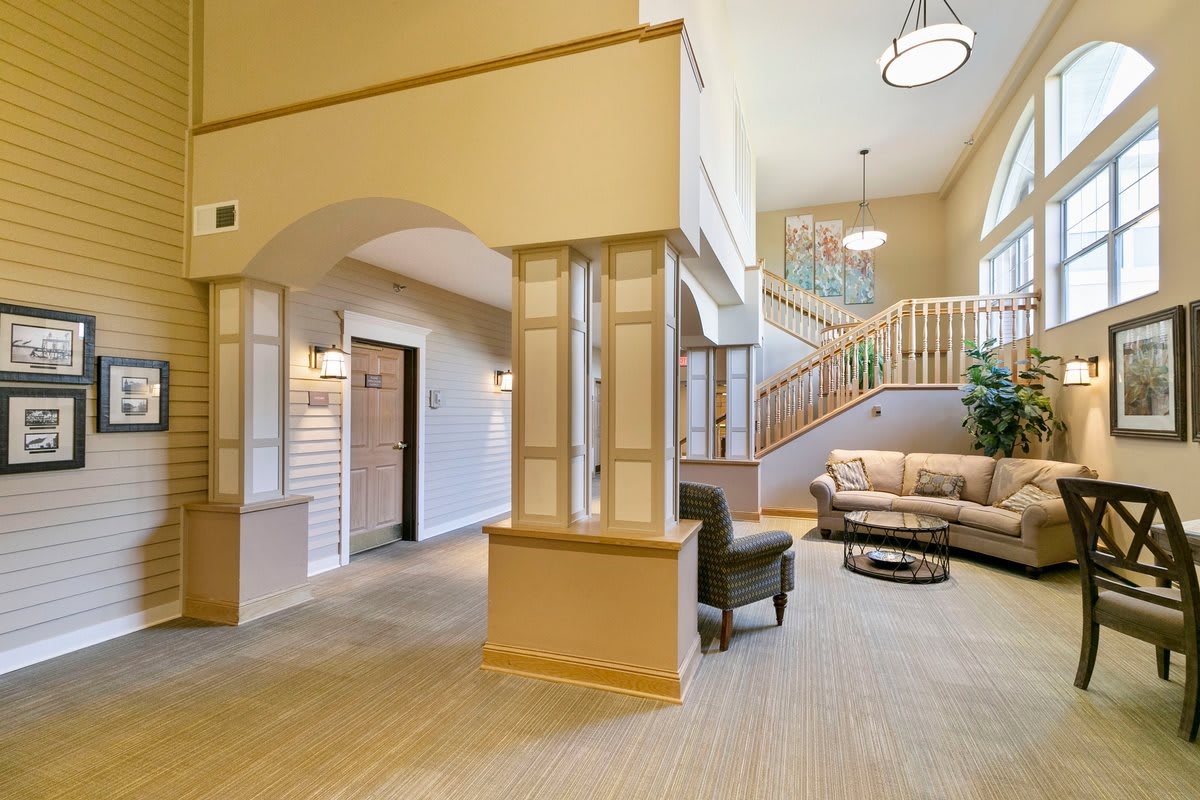
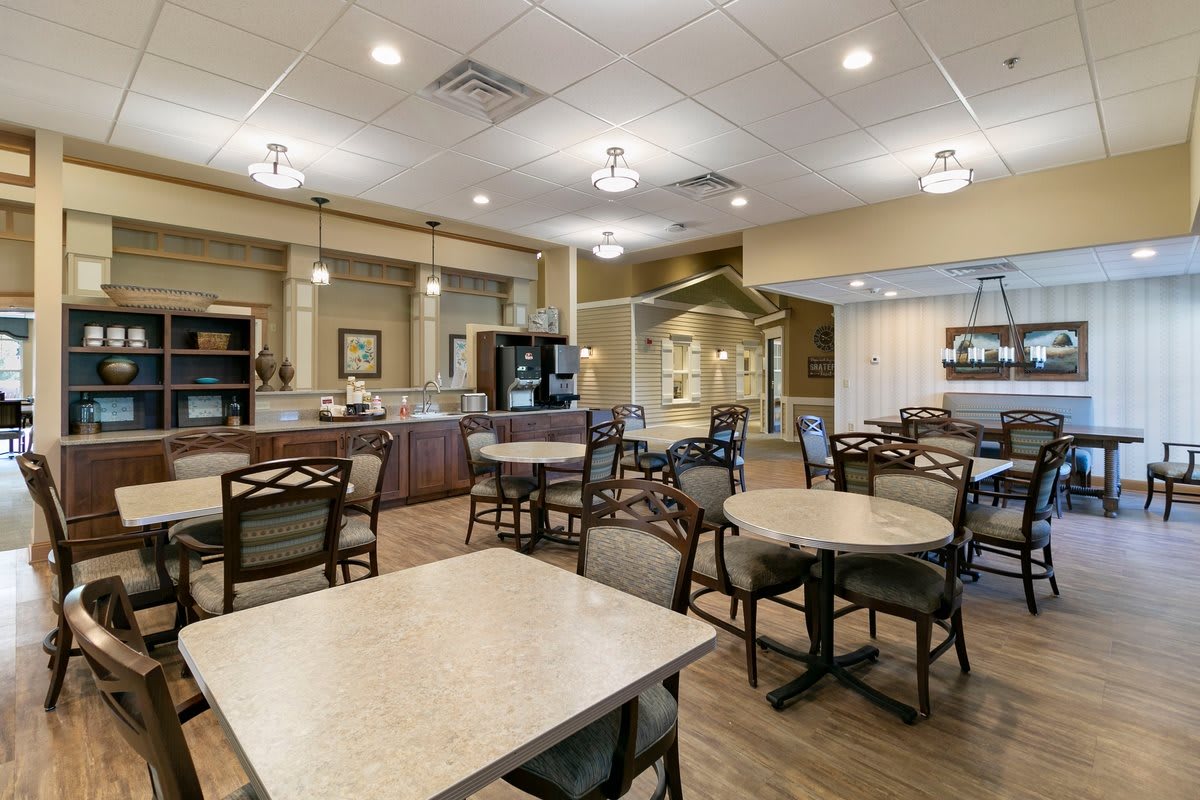
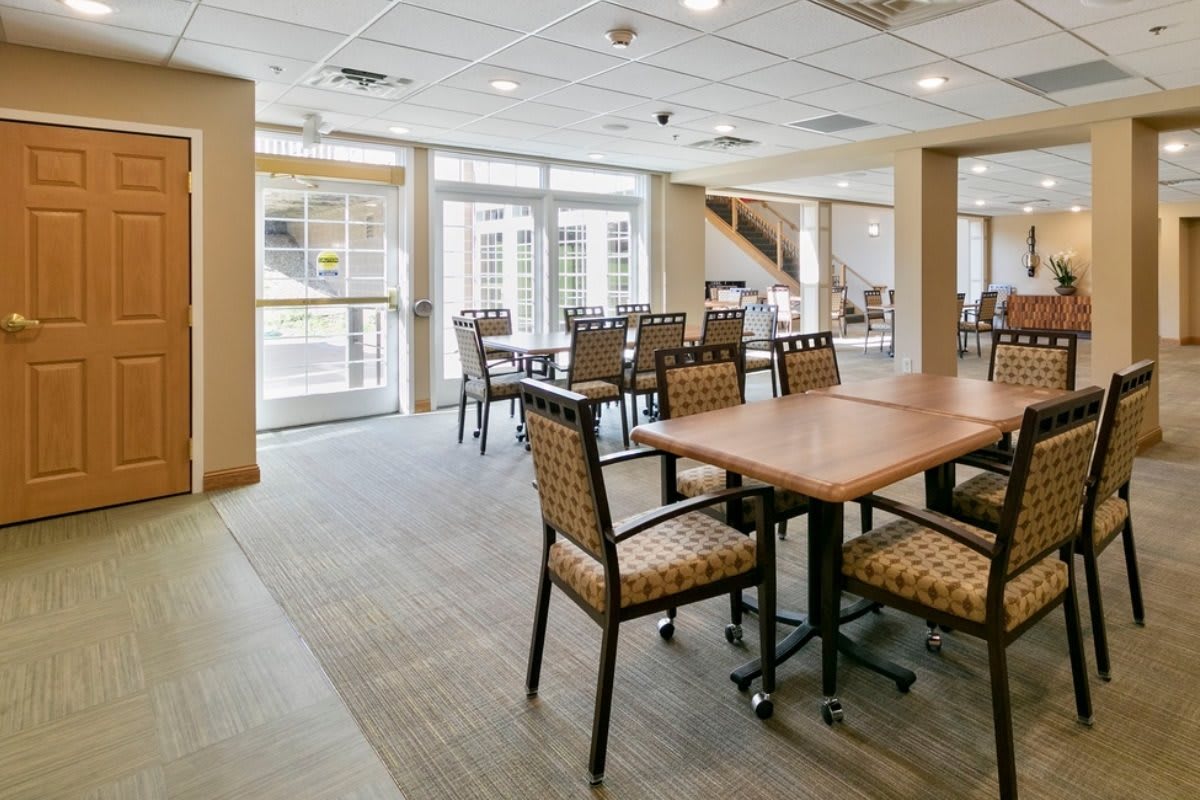
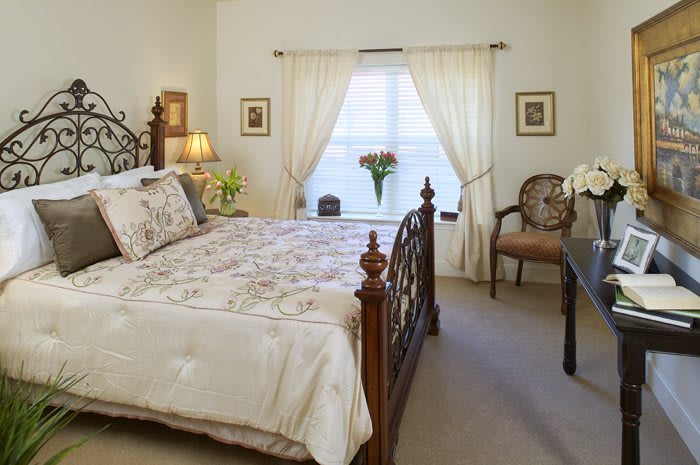
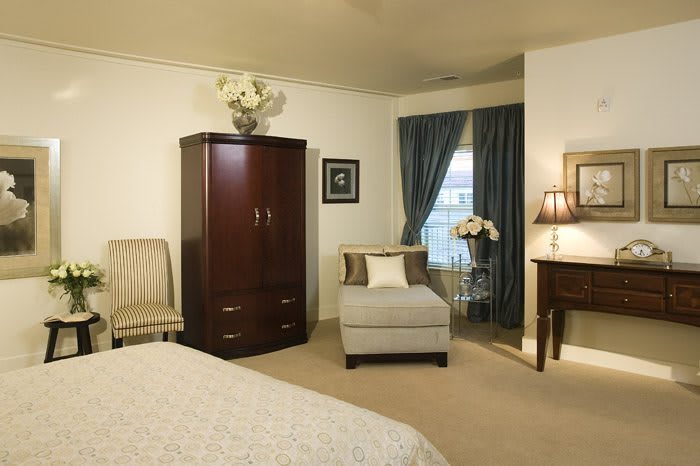
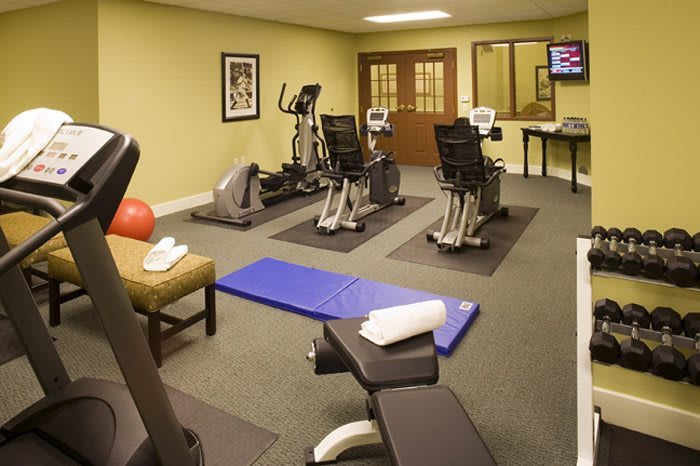
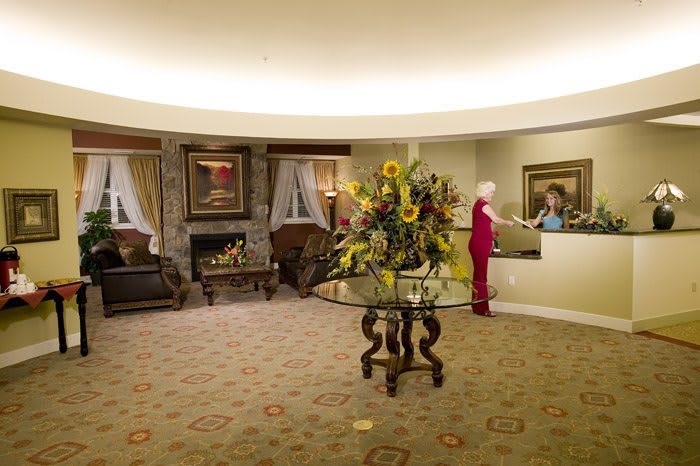
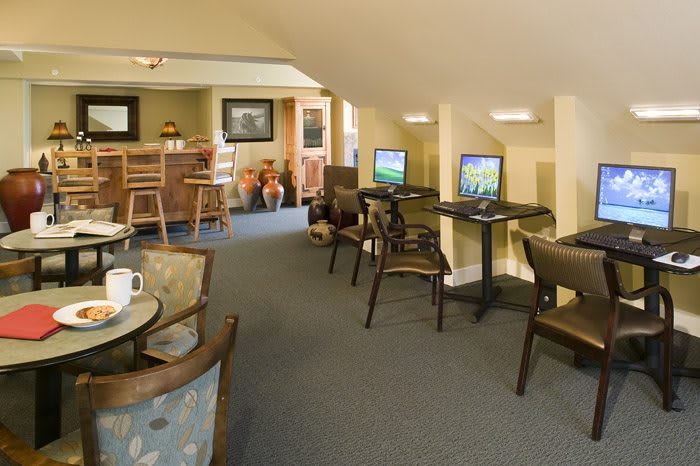
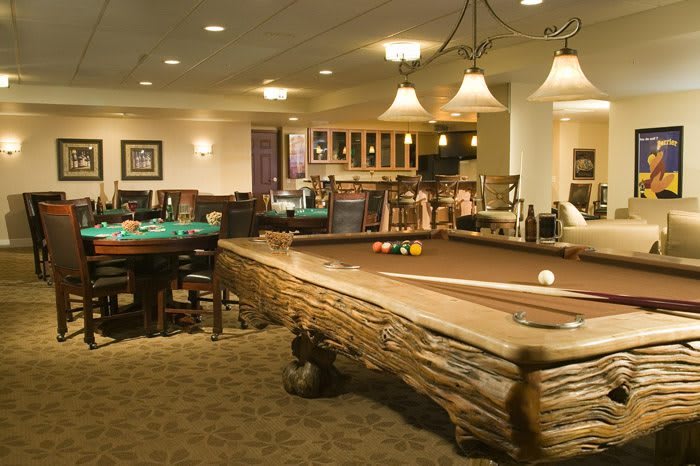
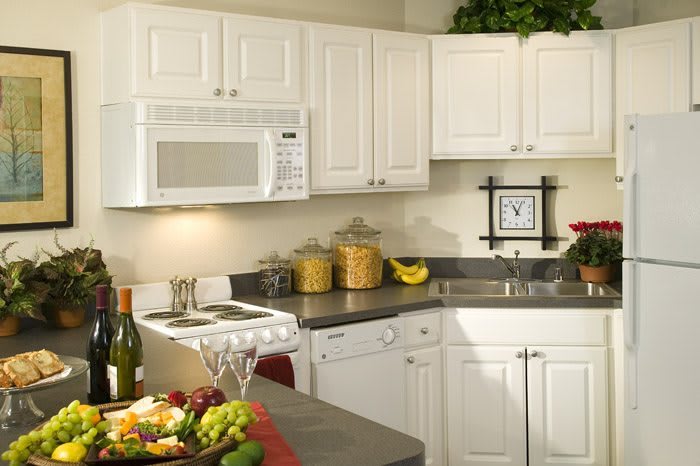
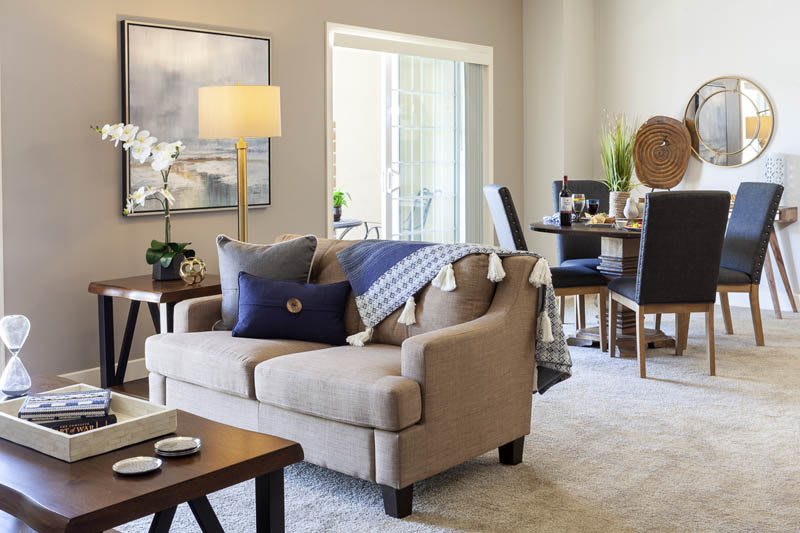
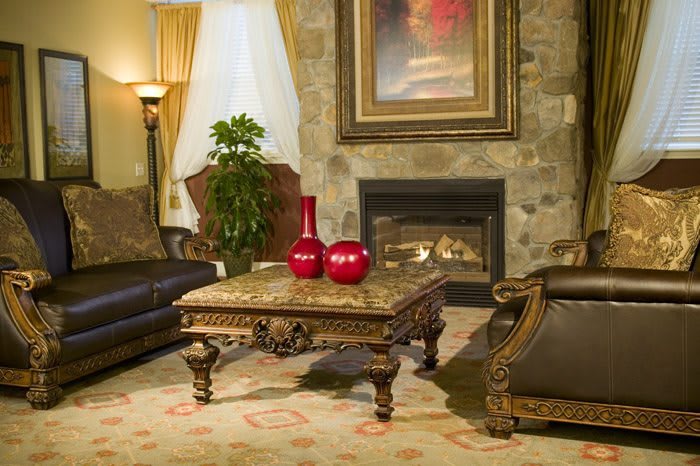
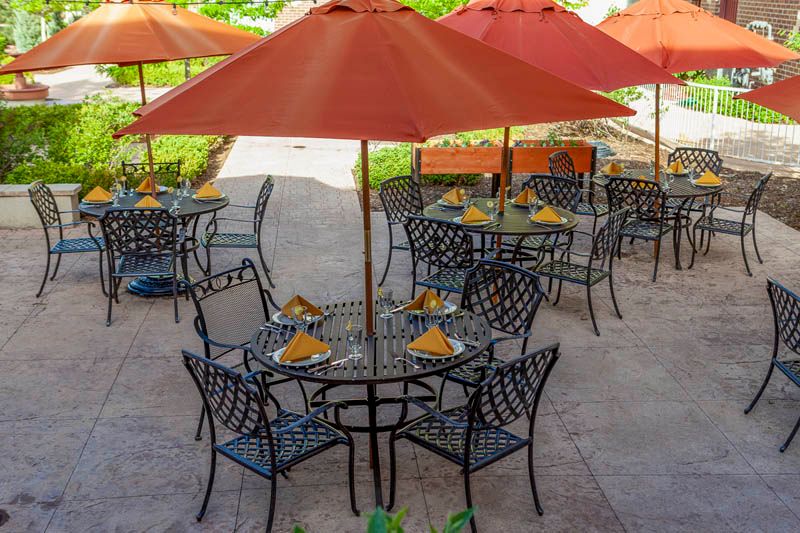
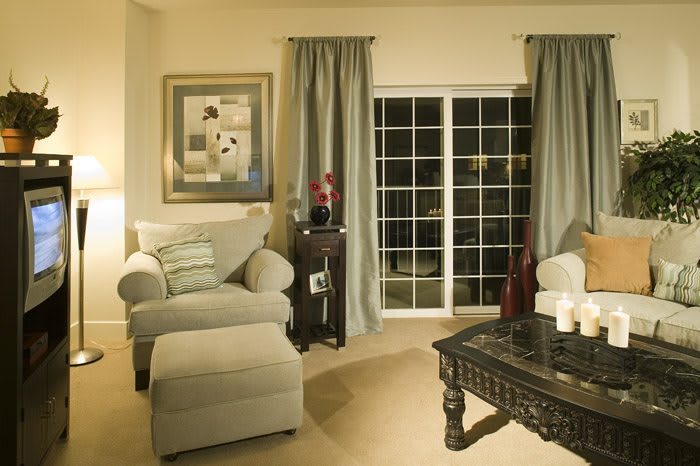
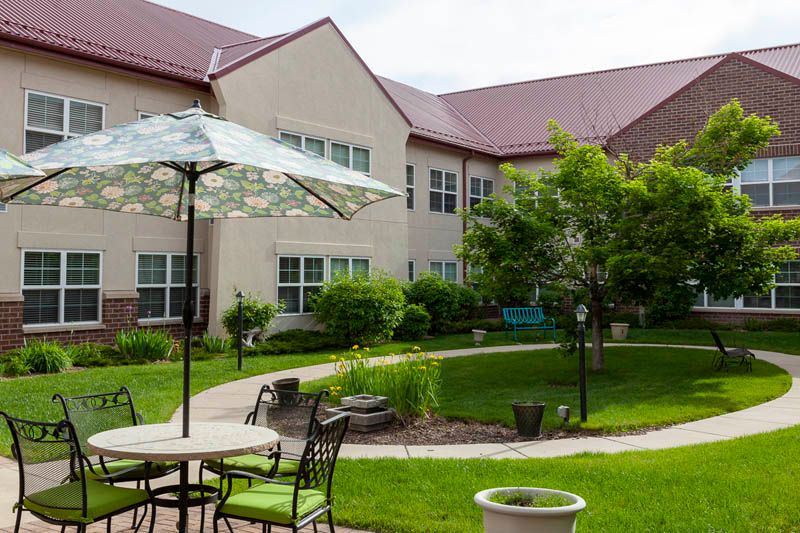
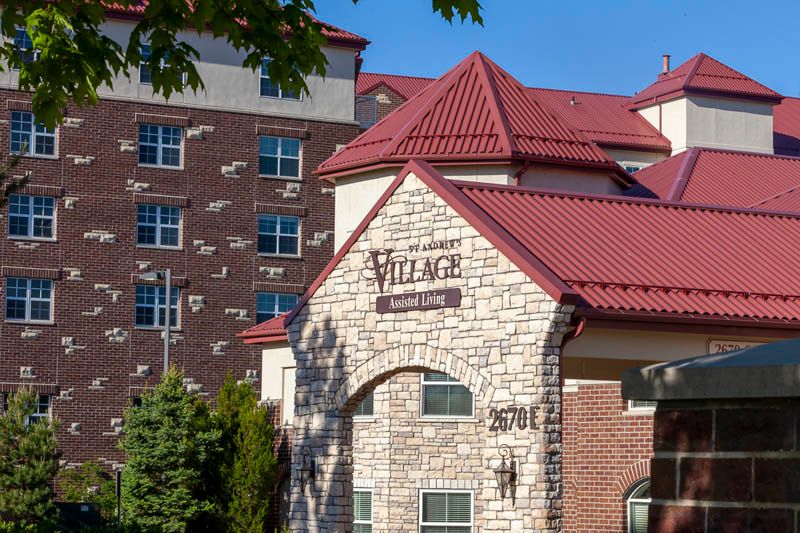
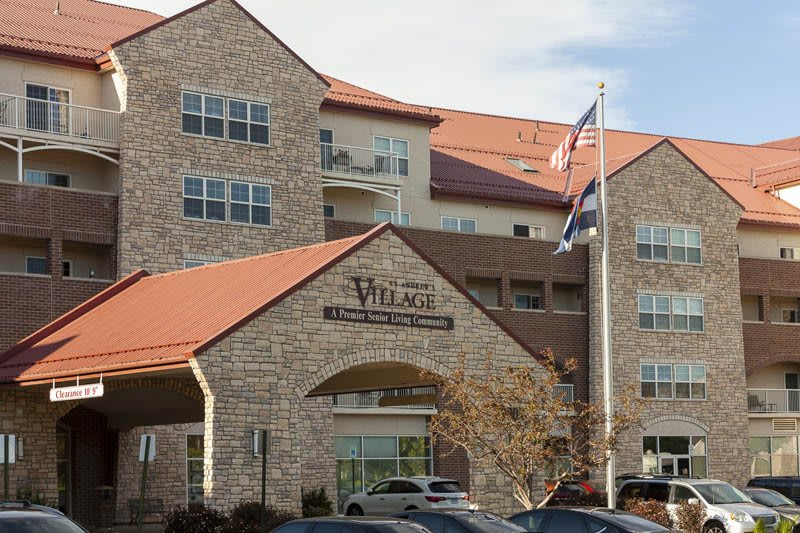
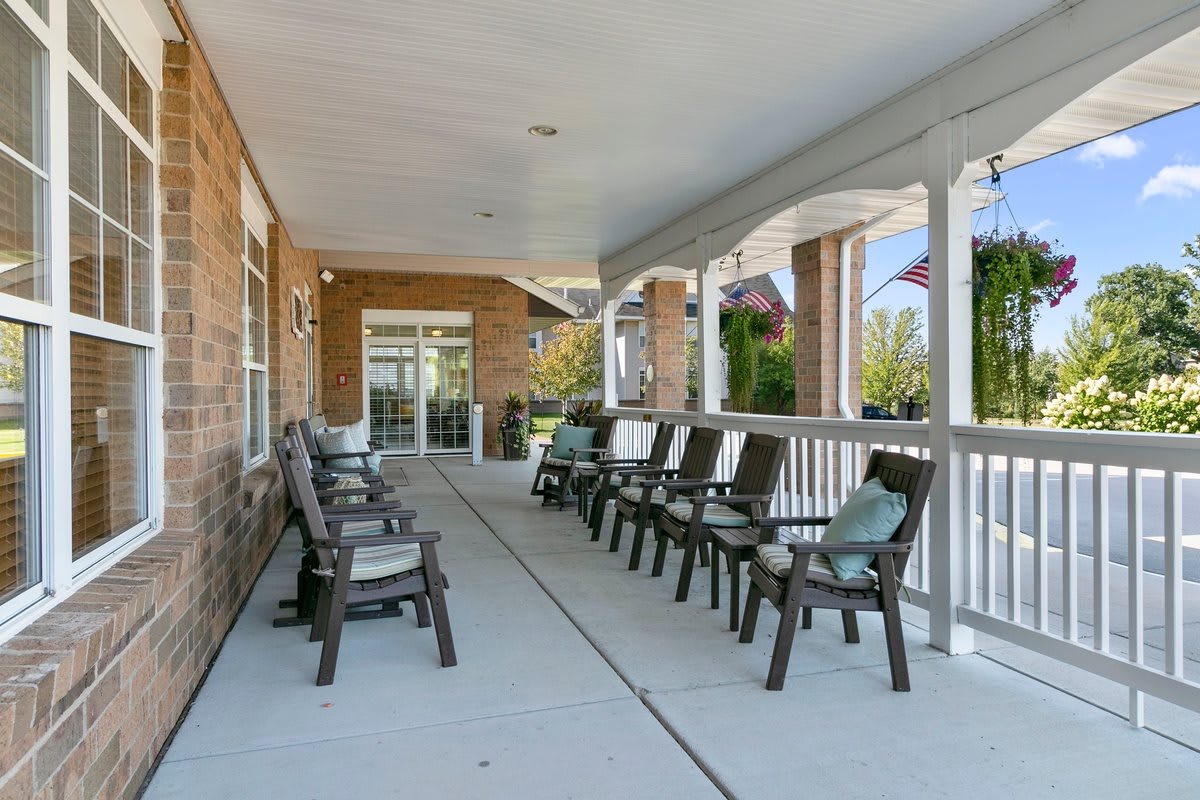
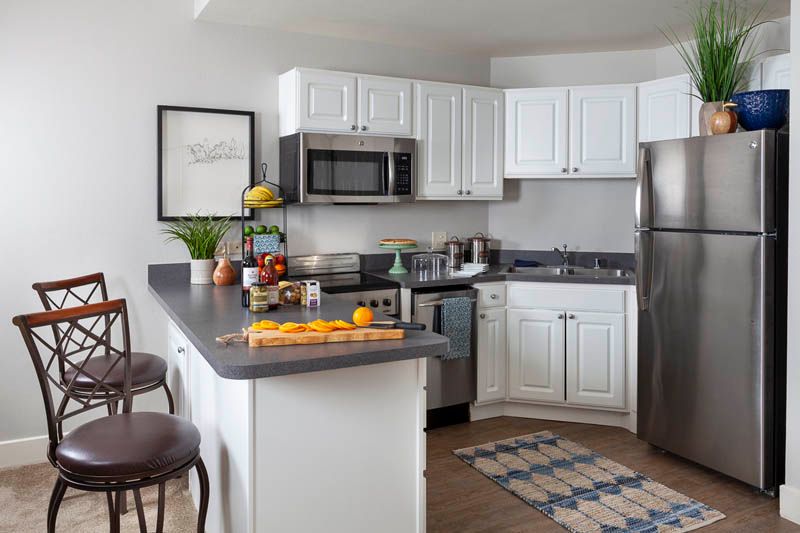
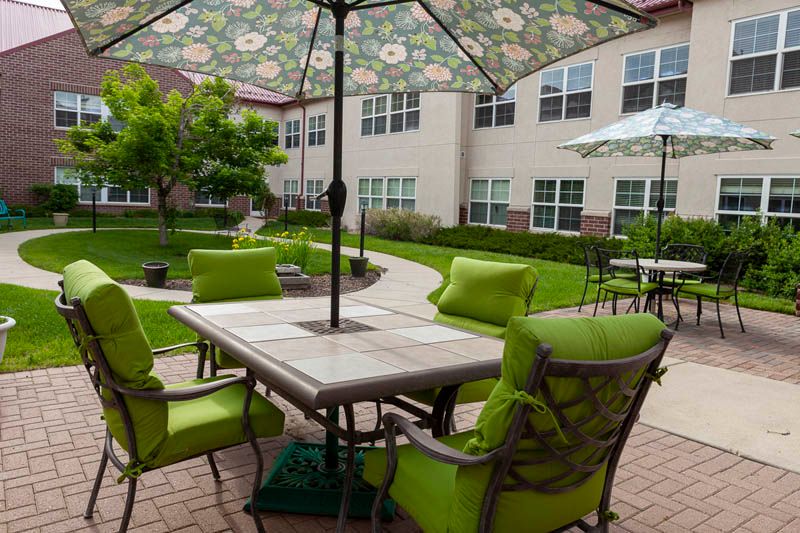
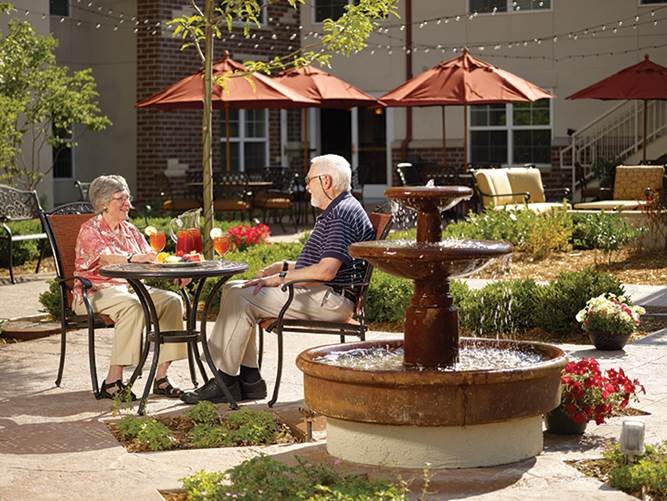
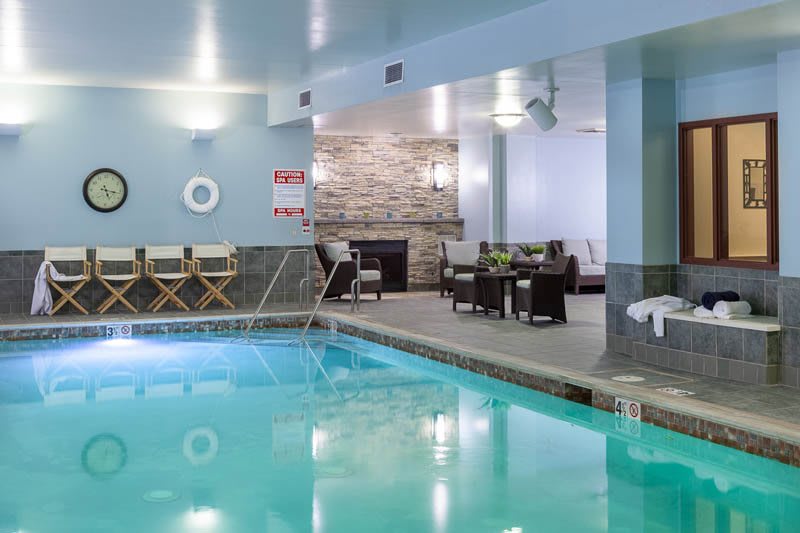
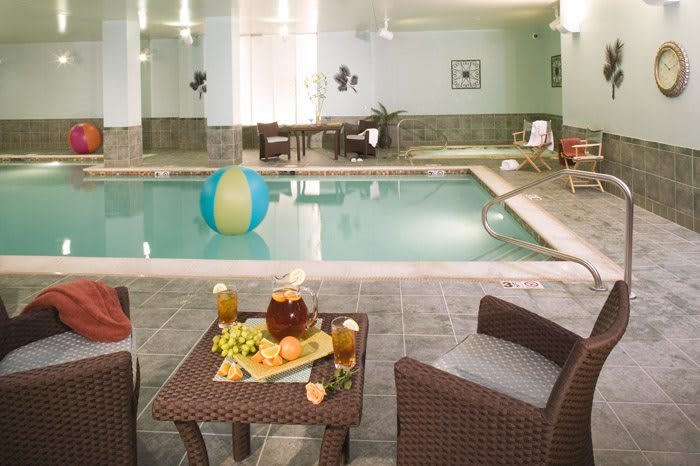
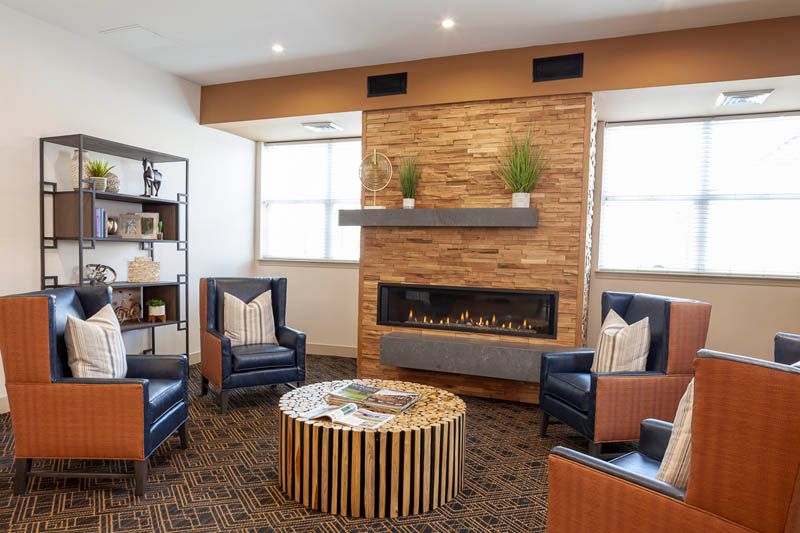
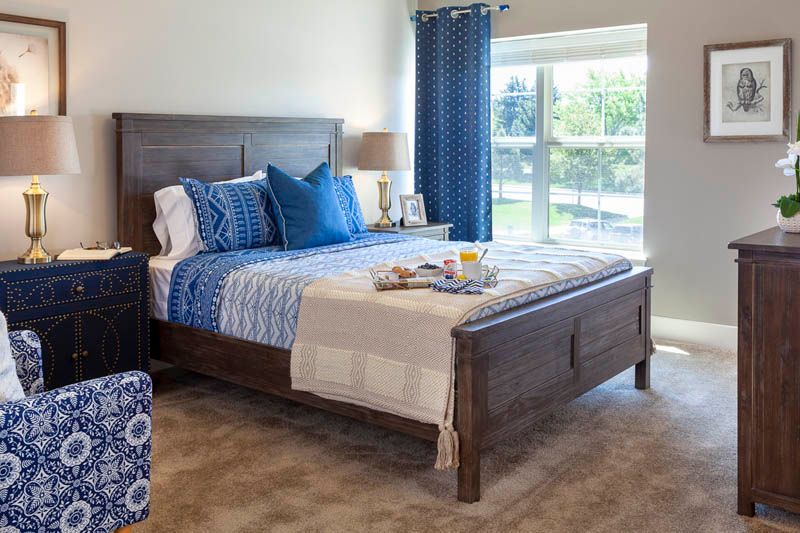
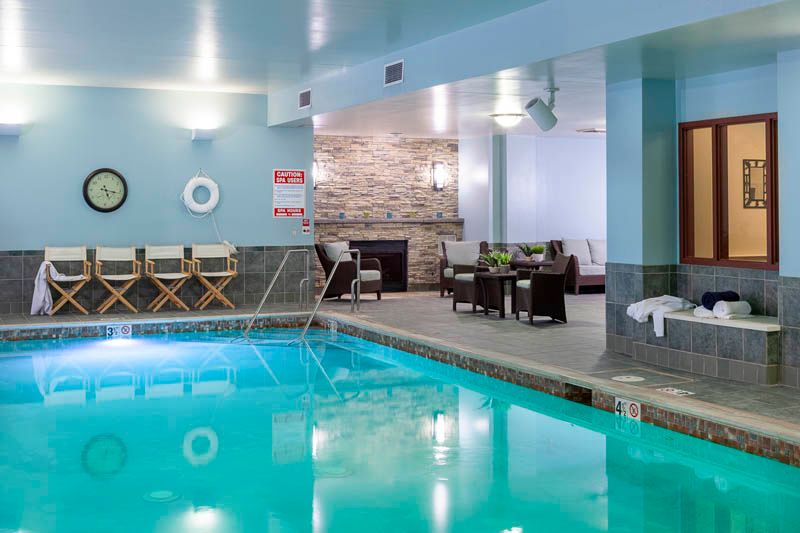
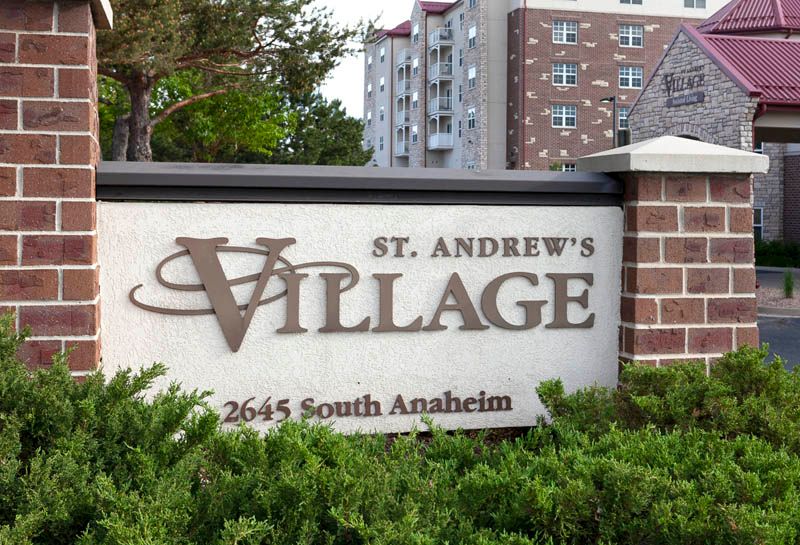
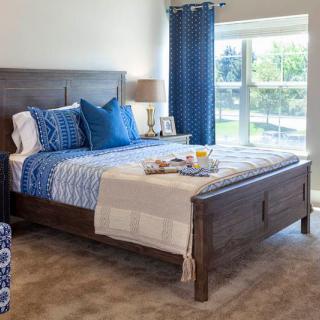
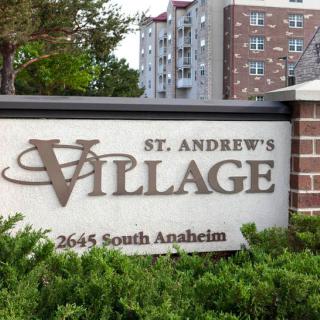
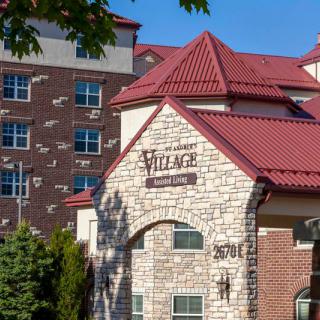
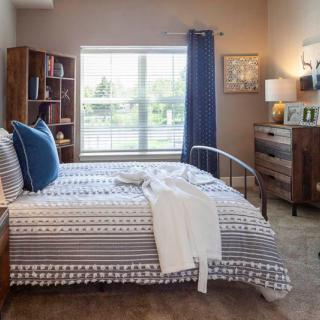
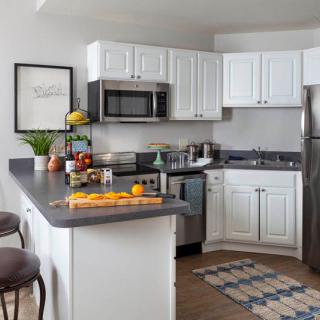
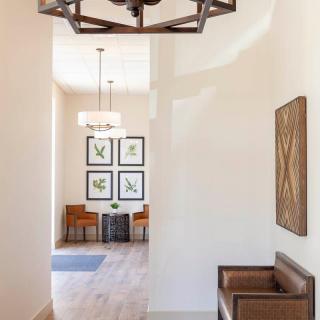
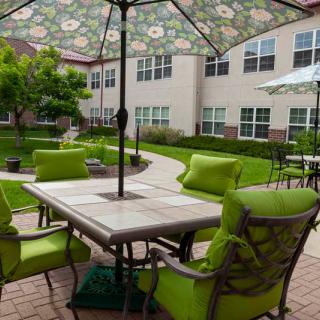
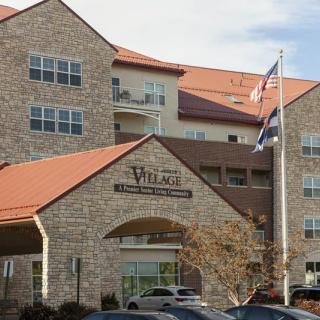
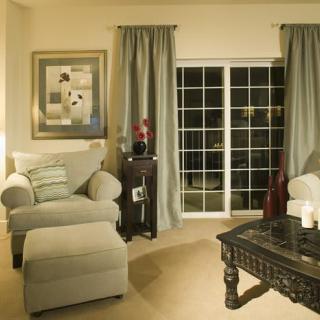
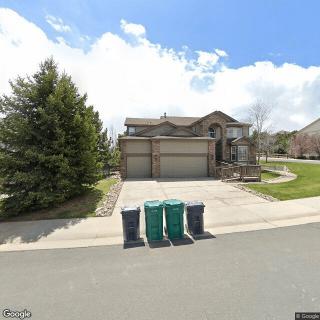
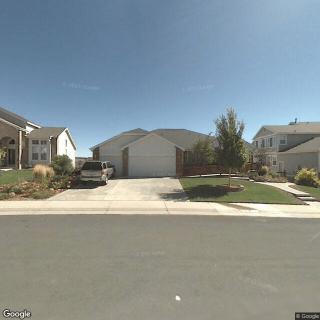
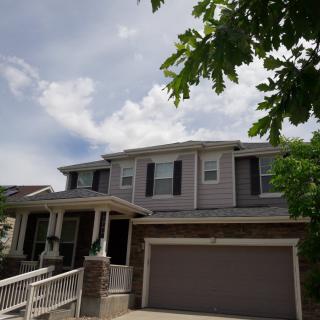
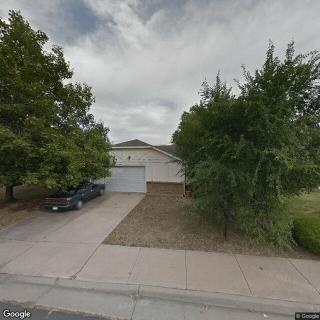
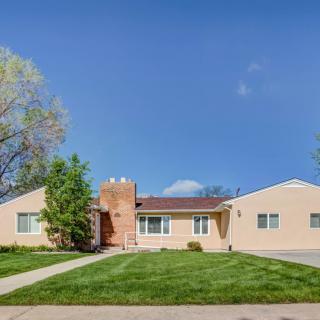
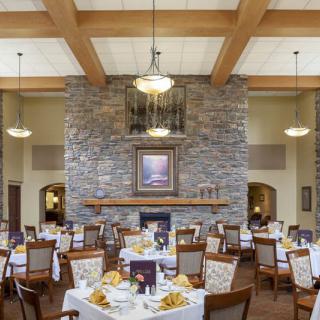
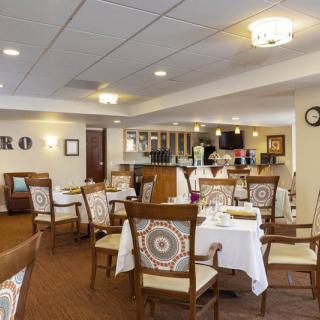
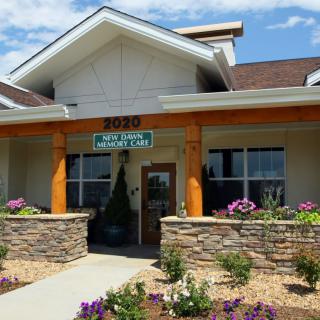
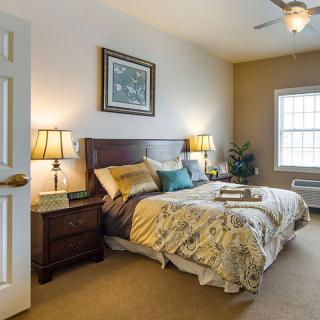
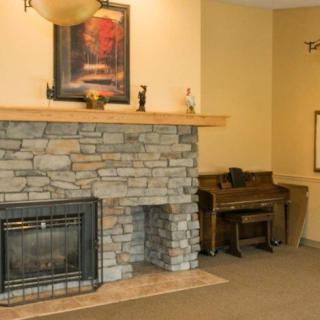
St. Andrew's Village on seniors.fyi includes 53 photos including images showing interior, decor, dining, living room, windows, bedroom, fireplace, building, and more.
Nearby Communities
St Andrews Village - LTC
Aurora, CO
Strong on-site amenities and comprehensive care, including restaurant-style dining.
Heather Gardens
Aurora, CO
4.6 from 7 reviews
Excellent staff and diverse activities in a well-maintained, active senior community.
Life Care Center of Aurora
Aurora, CO
4.6 from 127 reviews
$4,620 to $5,460 / month
Clean, pleasant environment with attentive staff and strong therapy/activities offerings.
Homewatch CareGivers of South Aurora
Aurora, CO
4.9 from 50 reviews
Responsive and customizable care with flexible scheduling.
New Dawn Memory Care of Aurora
Aurora, CO
4 from 30 reviews
$5,800 / month
Outstanding management and caring staff in a clean, home-like memory care community with engaging activities.
New Dawn Memory Care - Aurora
Aurora, CO
3.8 from 12 reviews
24/7 staff support with ADL assistance and medication management in a well-equipped, amenity-rich community.
Cadence Aurora
Aurora, CO
4.1 from 58 reviews
$2,915 to $5,575 / month
Friendly, attentive staff in a clean, engaging community.
Frontier Valley Independent And Assisted Living
Aurora, CO
3.6 from 55 reviews
$1,395 to $2,695 / month
Friendly staff and clean, welcoming environment
Five Star Residences of Dayton Place
Denver, CO
4.5 from 101 reviews
$2,600 to $3,200 / month
Renovated, spacious units with friendly staff and engaging activities.
Assisted living in 2025 offers a crucial balance of independence and support for seniors, with costs varying from $2,500 to over $7,000 per month based on factors such as location and care level. Understanding pricing complexities, including regional differences and potential hidden fees, is essential for families to plan financially while ensuring quality care for their loved ones.
The guide outlines the complexities of Medicaid coverage for assisted living, highlighting significant state-to-state variations, limited coverage often restricted to personal care services, and the existence of specialized waivers for certain needs like memory care. It advises families to consult local Medicaid offices for options while emphasizing the importance of understanding state-specific regulations and facility policies.
Medicaid coverage for assisted living varies by state and is primarily available to low-income individuals, with eligibility dependent on strict income and asset limits. Some states offer HCBS waivers for specific services in assisted living, but families must generally cover room and board costs, and should verify facility acceptance of Medicaid while considering potential waiting lists.
Exercise Equipment, Gym, Workout Space, Fitness Room, and Excercise Equipment
Outdoor Seating
Exterior
Natural Light
Flag
Wall Art
Painting
Hallway
Billiards and Game Room
Porch and Covered Area
Waiting Area and Reception Desk
Indoor Plants
Lounge, Computers, and Bar Area
Courtyard
Swimming Pool and Indoor Pool
Rug
Fountain
Spacious
Umbrellas
Apartment Complex
Staircase
Stone Wall
Lighting Fixtures
Modern Furniture
Home Interior
Residential Building
Lounge Area
Workspace
Cozy Atmosphere
Home Office
Get PricingAsk A QuestionSchedule A TourContact Senior Advisor
By clicking submit, you agree to our Partner's Terms of Use. You
also consent to receive calls and texts, which may be autodialed, from our Partner. Your consent is not a condition to
using our Partner's service. Please visit our Partner's Privacy Policy for information about their privacy practices.







 72 resident community capacity
 Assisted Living
 Independent Living
 Cats allowed
 Dogs allowed
 Activities off-site
 Air-conditioning
 Bath tubs
 Beautician on-site
 Cable or satellite TV
 Computer center
 Devotional services off-site
 Dining room
 Fitness room
 Full kitchen
 Fully furnished
 Gaming room
 Garden
 Ground floor units
 Handicap accessible
 Housekeeping services
 Indoor common areas
 Move-in coordination
 Outdoor common areas
 Private bathrooms
 Respite or short term stays offered
 Restaurant-style dining
 Small library
 Spa
Spa Swimming pool / hot tub
 Telephone
 Wheelchair accessible showers
 Wi-Fi/high-speed internet available
 Denver International (16 miles away)
 Community operated transportation
 12-16 hour nursing
 24-hour call system
 Ambulatory care
 Assistance with bathing
 Assistance with dressing
 Assistance with transfers
 Diabetes diet
 Hospice waiver
 Medication management
 Mental wellness program
 Special dietary restrictions
 Transportation arrangement (medical)
 Art classes
 Catholic services
 Concierge services
 Day trips and outings
 Educational speakers / life long learning
 Happy hour
 Live dance or theater performances
 Live musical performances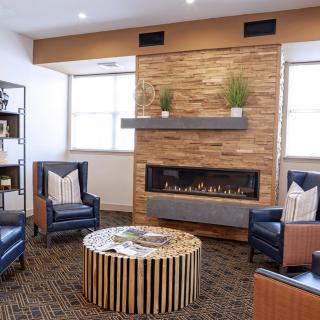
 Strong on-site amenities and comprehensive care, including restaurant-style dining.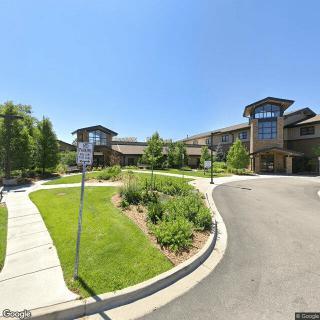

 Understanding the True Cost of Assisted Living in 2025: A Comprehensive Guide
 Understanding Medicaid Coverage for Assisted Living: A Comprehensive Guide
 How and When Medicaid May Cover Assisted Living Costs