
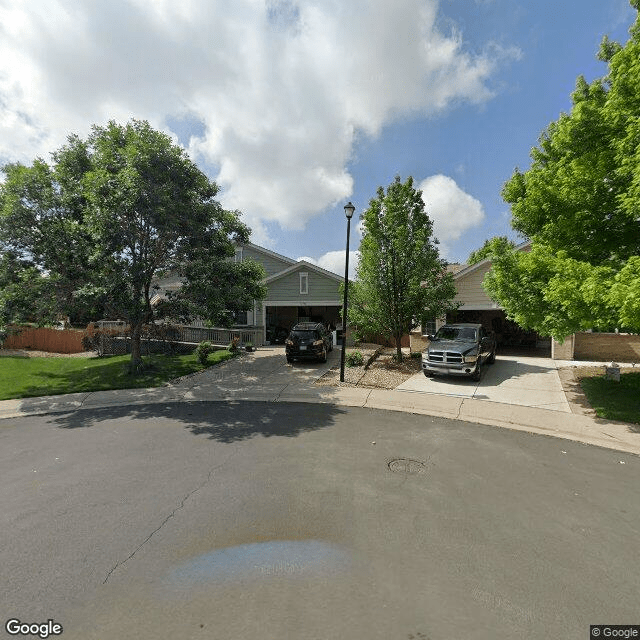
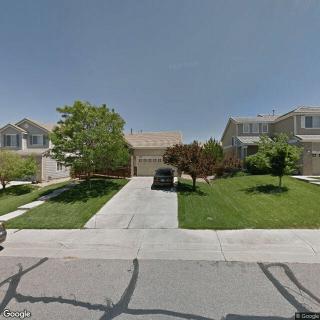
2936 S Yampa Way, Aurora, CO 80013
To contact a resident: (720) 404-1445
For more information about senior living options: (866) 208-4318
Makarios Assisted Living at Yampa Costs & Pricing
At Makarios Assisted Living at Yampa, monthly costs for accommodations reflect the facility's commitment to quality care and services. For a semi-private room, residents can expect to pay $4,500 per month, which is notably higher than both the average cost in Arapahoe County at $3,797 and the state average of $4,009. Similarly, the private room option is priced at $5,000 per month - again exceeding the rates in Arapahoe County ($4,116) and statewide ($4,142). While these costs may be above regional averages, they support a range of personalized amenities and dedicated staff that aim to enhance residents' overall well-being and comfort.
| Floor plans | Makarios Assisted Living at Yampa | Arapahoe County | Colorado |
|---|---|---|---|
| Semi-Private | $4,500 | $3,797 | $4,008 |
| Private | $5,000 | $4,116 | $4,142 |
Senior living communities with a similar price nearby
-
from +$300 / mo
Newland House
$4,800 to $5,300 / month16.6 miles away -
from -$500 / mo
Classic Living Homes, Inc.
$4,000 to $4,500 / month11.0 miles away -
from -$300 / mo
Loving Care Assisted Living Services LLC
$4,200 / month16.0 miles away -
from +$700 / mo
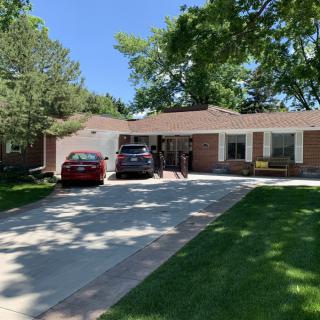
Serenity House Assisted Living Portland Drive
$5,200 to $6,500 / month15.7 miles away -
from +$700 / mo
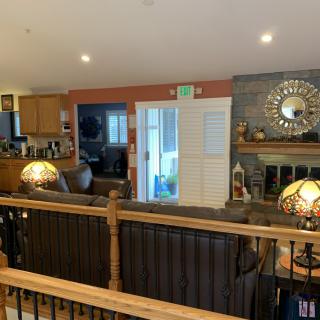
Serenity House Assisted Living Hunters Hill
$5,200 to $6,500 / month8.3 miles away
Overall Review of Makarios Assisted Living at Yampa
Pros
 The staff are very caring and thorough.
- The facility is clean and accommodating for elders and their families.
- People would recommend Makarios at Yampa to others.
- The staff are fluent in elder care.
- The move-in process and accessibility are good.
- Hospice care, along with on-site staff care, is very helpful.
- The community feels like family and the staff are extremely caring.
- Rooms are spacious with ample space for belongings.
Cons
 The faculty is not fluent in English.
- The mother's Alzheimer's was terrible.
- No visitors are allowed to come in due to lockdown.
Review
Makarios Assisted Living at Yampa in Aurora is best suited for seniors who want a small, homelike environment where caregiving is demonstrably thorough and personalized, capable of supporting high-care needs and conditions like Alzheimer's, with hospice support available on site. The setting prioritizes warmth, continuity, and a sense of family, rather than a hospital-like atmosphere. Families that value consistent, hands-on engagement from caregivers, regular check-ins on residents’ preferences, and a clean, well-maintained living space will find the tapestry of care here to align with their expectations. The emphasis on respectful, attentive staffing is the core strength to lean into when evaluating suitability.
Potential residents or families should consider alternatives if the primary need centers on language fluency or on a broad, highly structured activity calendar. Reviews note that staff are not fluent in English, though they excel in elder care; this can complicate communication with families that require precise updates or wish to participate in decision-making in real time. Also, if a resident demands expansive programming, robust social outings, or a setting with larger-scale amenities, a bigger community with more diverse staff and resources may be a better fit. For those without high-acuity needs, the intimate scale may feel restrictive compared with larger campuses.
On the positive side, the strongest proline is the unwavering care culture. Families repeatedly describe staff as caring, thorough, and attentive, treating residents like family, asking about preferences, and adjusting meals to individual tastes. Cleanliness stands out as well, with a well-maintained environment that supports dignity and comfort. Move-in processes and accessibility receive praise, reducing logistical friction during a stressful transition. The room sizes offer workable space for personal belongings, which helps residents settle in with a sense of autonomy. The integration of hospice care with house staff further enhances capacity to manage high-need situations without fragmenting care.
Another notable advantage is nutrition and daily life alignment. Meals appear to be well received and tailored to resident preferences, reinforcing a sense of home. The family experiences are consistently positive, with caregivers listening to feedback and acting on it to improve the resident’s experience. The sense of continuity, staff who know the resident, the family’s routines, and the likes and dislikes, contributes to stability that is often missing in larger facilities. These factors collectively reduce anxiety around care transitions and provide a reassuring framework for long-term planning.
While language is a valid caveat, the compensation comes in the form of real-world care outcomes: high-touch caregiving, a calm, clean ambiance, and a community that feels like an extended family unit. For seniors with complex needs or dementia, those qualities can offset the limited English fluency by enabling reliable, compassionate decision-making and responsive crisis management. The presence of hospice services on site reduces the burden on families and supports a continuity of care that aligns with advanced care goals. In short, the trade-offs favor families seeking a homey, attentive environment over a more impersonal, cookie-cutter model.
Families planning a tour should verify a few points: how language barriers are routinely navigated in daily updates, what the caregiver-to-resident ratio looks like on different shifts, and how residents’ preferences are documented and honored in meal planning. It is essential to understand the scope of activities, social engagement, and transportation options, if those matter. For those with Alzheimer's and high support needs, Makarios at Yampa presents a compelling match, robust, compassionate care within a warm, familial setting, paired with practical accessibility and a clear value proposition. When those elements align with the resident’s goals and the family’s expectations, this community stands out as a strong choice.
 Board and Care Home
 Activities on-site
 Bath tubs
 Indoor common areas
 Outdoor common areas
 Private
 Respite or short term stays offered
 Wheelchair accessible showers
 Denver International (15 miles away)
 Ambulatory care
 Diabetic care
 Incontinence care
 Meals provided
 Comprehensive Guide to Medicare Coverage for Hospice Care
 Caring for Those Who Care: Recognizing, Understanding, and Overcoming Caregiver Burnout
 Caregiver Exhaustion: Recognizing the Signs and Restoring Your Well-Being