
2895 South Killarney Way, Aurora, CO 80013
For more information about senior living options: (866) 208-4318
Overall Review of Cardan Manor Assisted Living II
Pros
 Cardan Manor is described as one of the best places to place your parents.
- It feels like home, thanks to compassionate staff.
- The caregiver-to-resident ratio is better than almost any other place, and the staff truly care about residents.
- The home is extremely clean, tastefully updated, and well decorated.
- Carol Cardan is highlighted as a compassionate guide during tours.
- The facility is well managed and the environment is welcoming for residents.
- The backyard is large with a covered deck, offering a great outdoor space for residents to enjoy.
Cons
 A reviewer claimed that residents were not fed and meals were not properly cooked, and that fresh water was not provided.
- They alleged a resident used an unclean water bottle and had to drink from it.
- They said the resident became very ill, was admitted to the ER, and died within about a month, losing more than 30 pounds.
- They described Cardan Manor as not a safe place and criticized the staff leadership as dishonest.
- They noted severe understaffing, with eight elderly residents for one very petite caretaker, and that staff were sometimes rude or a bother to check in on.
- They claimed health problems were not disclosed or addressed, and that the owner seemed unaware of or dishonest about the facility's conditions.
- They warned others to think twice before placing a loved one there, despite the price being cheaper.
Review
Cardan Manor Assisted Living II in Aurora is best suited for families seeking a compact, home-like environment where caregivers can form close, daily bonds with residents. When warmth, attentiveness, and a lower-cost option are decisive, this community can deliver. It suits seniors who can thrive with plenty of personal attention and who value a friendly, neighborly vibe over a large corporate footprint. However, it is not ideal for residents requiring intensive medical oversight, regimented memory-care protocols, or strict safety nets, as the reviews reveal uneven staffing reliability and notable concerns about monitoring and communication that can escalate quickly for frail or highly vulnerable individuals.
Pros center on the caregiving relationship and setting. The standout is the caregiver-to-resident ratio, which many reviews describe as better than most peers and conducive to genuine, daily attentiveness. The staff appears capable of forming meaningful connections, translating into consistent acts of care that improve day-to-day life. The environment reinforces that effort: clean, well-maintained spaces with tasteful updates and a homey feel, including inviting common areas and outdoor areas that contribute to resident comfort. Leadership impressions, particularly through tours led by Carol Cardan, signal commitment to operations and resident experience, and the price point remains a meaningful advantage for families weighing budget against quality.
Yet the bottom line remains shadowed by troubling reports that cannot be ignored. At least two one-star accounts allege serious weight loss within weeks of admission, with accompanying concerns about nutrition, hydration, and overall health monitoring. Other narratives describe sores, bruises, or unexplained health declines after transfer or during stays, raising questions about timely communication with families and the adequacy of ongoing assessment. Some reviewers recount periods when staff were difficult to reach or dismissive, suggesting possible gaps in responsiveness during transitions or busy periods. A few accounts accuse ownership or leadership of being unaware of, or not disclosing, important health problems, which sows distrust and complicates informed decision-making.
These drawbacks do not automatically negate the benefits. The strong caregiver ratio and the home-like atmosphere can meaningfully improve daily living for residents who require companionship and hands-on help with activities of daily living. When management is responsive and care plans are proactively shared and updated, the positives can outweigh potential risk, especially for families seeking a more intimate setting without paying premium memory-care premiums. The aesthetic quality and the personal, compassionate tone conveyed in tours can reassure families that their loved one will encounter warmth and attentiveness daily. However, the failure modes, weight loss, health deterioration, and communication gaps, must be addressed upfront through clear accountability, frequent updates, and concrete care metrics.
For families with residents who have dementia or require strict medical oversight, or for those who cannot tolerate inconsistent communication and potential gaps in care, alternatives warrant serious consideration. Communities with larger, more medically oriented staff structures and transparent reporting cycles may offer greater safety margins. It is prudent to compare staffing schedules, nutrition programs, and hydration policies across multiple facilities, and to request direct contact with current residents or their families to gauge consistency. The presence of experienced administrators who will own problems and rapidly adjust care plans should be a non-negotiable criterion, given the history cited in some reviews.
Practical next steps: visit multiple times at varying hours, request a written care plan with nutrition and hydration targets, and verify caregiver ratios during peak periods. Ask for a detailed incident history and licensing compliance records, and speak directly with current residents about daily routines, food quality, and responsiveness. If the residentā€™s needs lean toward structured memory care or neighborhoods with robust clinical oversight, Cardan Manor II should be weighed against stronger options. For families prepared to maintain a vigilant partnership with staff and administration, the community can be a viable, affordable home with the right safeguards in place.
 7 resident community capacity
 1-bedroom apartments
 Assisted Living
 Board and Care Home
 Cable or satellite TV
 Dining room
 Fully furnished
 Garden
 Housekeeping services
 Move-in coordination
 Outdoor space
 Telephone
 Wi-Fi/high-speed internet available
 Denver International (14 miles away)
 24-hour supervision
 Activities of daily living assistance
 Assistance with bathing
 Assistance with dressing
 Assistance with transfers
 Diabetes diet
 Meal preparation and service
 Medication management
 Special dietary restrictions
 Transportation arrangement (medical)
 Transportation to doctors appointments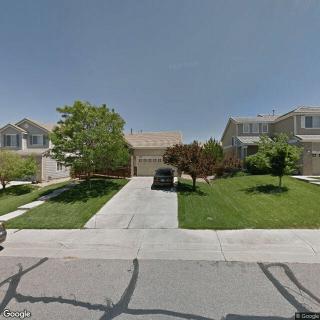



 Vibrant Senior Living: A Comprehensive Guide for Active Older Adults
 When to Transition from Assisted Living to Memory Care: Key Indicators, Steps, and Finding the Right Community
 Assisted Living and Memory Care: Understanding Their Core Differences