
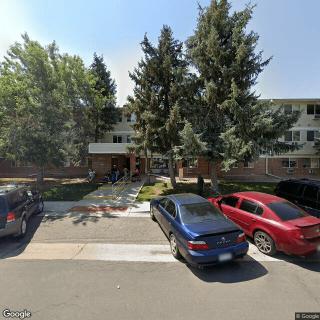
15011 East Montview Boulevard, Aurora, CO 80011
For more information about senior living options: (866) 208-4318
Overall Review of Grace Assisted Living - Aurora
Pros
 The facility is described as wheelchair accessible.
 - A nephew checked the place and confirmed it was accessible for wheelchairs.
- The reviewer was ready to stay once accessibility was confirmed.
- There was a room setup for two occupants, indicating a plan to accommodate guests.
Cons
 The reviewer would give 0 stars if possible.
 - The owners' communication with the reviewer was rude, accusatory, and unprofessional.
- The reviewer was told to “LISTEN TO ME” over the phone, and the owner hung up on them.
- The facility refused to accommodate a room-sharing plan because the prospective roommate didn’t want to share, despite existing capacity.
- The reviewer warned others to seek other places that will treat customers better.
Review
Grace Assisted Living in Aurora is best suited for seniors who require true wheelchair-accessible access and can tolerate a smaller, potentially shared-room environment, paired with direct, no-nonsense communication from leadership. It is not a luxury option; it emphasizes practical function over polish. Families prioritizing easy navigation within a compact footprint and quick, straightforward decision-making may find Grace workable. The available feedback points to a setting where mobility and layout matter more than ambience, and where residents who can endure a brisk, sometimes blunt management style may see basic needs met without friction. Those expectations should drive the initial fit assessment.
This is not a fit for everyone. Individuals who insist on consistently respectful, client-centered interaction and guaranteed private space should seriously consider alternatives. The reviews highlight a pattern of strained conversations with ownership, including accusatory tones and abrupt exchanges that undermine trust in care planning and problem resolution. Room assignments emerge as a meaningful risk: even when a two-person room appears possible on paper, the facility’s rigidity around sharing can preclude preferred arrangements. In short, communication fragility and policy rigidity are persuasive reasons to look at other communities that place a higher premium on dignity and choice.
On the upside, accessibility and a small footprint are tangible advantages. Wheelchair-accessible entry and easy-to-navigate layouts can translate into quicker access to assistance and fewer logistical headaches for residents with mobility needs. Yet the core drawbacks loom large: frontline interactions with owners can feel combative, and questions about care, scheduling, or room options can be met with defensiveness. The tension between accommodating private-space preferences and a straightforward, sometimes inflexible policy framework erodes trust and security. When reliability in communication and respect undergird daily care, Grace only partially satisfies those expectations.
To decide wisely, families should insist on clarity before committing. A thorough tour with the owners and a supervising administrator is essential, followed by written policies on roommate options and private-room availability. Request a concrete, written care plan and a staffing overview that explains who handles concerns and how escalation works. Confirm the admissions process, what triggers a room change, and the possibility of honoring a preferred roommate arrangement. Talking with current residents or recent family members can illuminate whether day-to-day care aligns with the impression gathered during a first visit.
Alternatives deserve consideration against concrete, decision-driving criteria: consistent, respectful communication; transparent room-privacy policies; reliable routines and staffing; and a clear path for complaints and follow-up. A community that couples accessible design with proactive, courteous customer service typically proves more reassuring for families seeking ongoing involvement and predictability. The overall rating’s mix, while featuring some high marks, must be weighed against repeated reports of friction and inconsistency. This implies that a strong, service-forward culture matters as much as the physical layout when choosing the right match.
Bottom line: Grace represents a practical option for residents who prize mobility access and a no-frills, compact environment, and who can tolerate direct, occasionally blunt management interactions. For families where kindness, collaborative care planning, and clear privacy guarantees are non-negotiable, alternatives deserve serious consideration. In the Aurora market, other communities often offer smoother communication, firmer privacy policies, and more transparent admissions processes, qualities that translate into steadier, more predictable care experiences over time. The decision should hinge on whether accessibility and efficiency outweigh the potential discomfort of blunt responses and roommate ambiguity.
 8 resident community capacity
 Assisted Living
 Board and Care Home
 Respite Care
 Cable or satellite TV
 Dining room
 Fully furnished
 Garden
 Housekeeping services
 Move-in coordination
 Outdoor space
 Telephone
 Wi-Fi/high-speed internet available
 Denver International (11 miles away)
 24-hour supervision
 Activities of daily living assistance
 Assistance with bathing
 Assistance with dressing
 Assistance with transfers
 Diabetes diet
 Meal preparation and service
 Medication management
 Special dietary restrictions
 Transportation arrangement (medical)
 Transportation to doctors appointments





 Is Assisted Living Deductible on Your Taxes? Understanding the Complexities of Assisted Living Expenses and Deductions
 Assisted Living Support for Veterans: A Complete and Detailed Overview
 Exploring the Contrasts Between Assisted Living and Skilled Nursing