
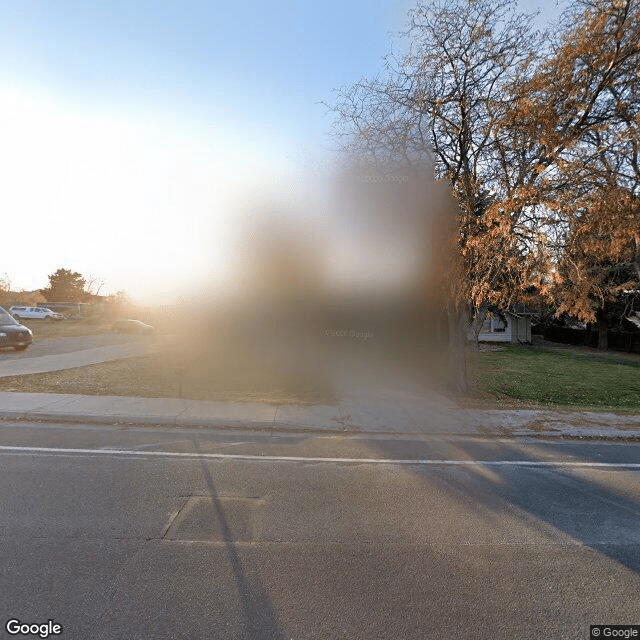
7319 Carr Street, Arvada, CO 80005
For more information about senior living options: (866) 208-4318
Gardens Care Homes Costs & Pricing
Gardens Care Homes offers competitive pricing for its services, with both private and semi-private room types available at a monthly cost of $2,800. This rate stands in stark contrast to the average costs in Jefferson County, where private rooms are priced at approximately $4,253 and semi-private rooms at about $4,114. Similarly, the broader state averages for Colorado reflect higher expenses as well, with private rooms costing around $4,142 and semi-private options at $4,009. By providing a more economical choice without compromising on quality care, Gardens Care Homes presents an attractive alternative for families seeking personalized support in a comfortable living environment.
| Floor plans | Gardens Care Homes | Jefferson County | Colorado |
|---|---|---|---|
| Private | $2,800 | $4,253 | $4,142 |
| Semi-Private | $2,800 | $4,114 | $4,008 |
Assisted Living communities with a similar price nearby
-
from +$200 / mo

A Loving Hand Assisted Living
$3,000 / month14.7 miles away -
from +$100 / mo

Rose Of Sharon Weaver Assisted Living
$2,900 to $4,000 / month22.7 miles away -
from -$330 / mo

Someren Glen Retirement Community
$2,470 to $3,975 / month18.4 miles away -
from +$200 / mo
Meadow Vista Assisted Living At Walden
$3,000 to $3,500 / month17.4 miles away -
from -$261 / mo

San Marino Retirement Community
$2,539 to $4,348 / month2.2 miles away
Overall Review of Gardens Care Homes
Pros
 The energy is very good and the surroundings are beautiful.
- The community is very pleasant and respectful.
- The residents are awesome.
- It welcomes everybody with open arms.
- The community at Indian Tree is highly recommended.
Cons
 The living conditions are atrocious.
- The place is filthy and all about money.
- They do not care about taking care of people.
- People should not send their loved ones there.
- They do not accept pets.
Review
Gardens Care Homes in Arvada is best suited for seniors who want a warm, social atmosphere and a clear sense of community. It works well for families seeking approachable pricing and a living environment where residents greet one another and staff by name. Those with modest expectations for meticulous housekeeping and overtly structured medical oversight will likely find this a comfortable option. However, it is not the right fit for families prioritizing spotless environments or highly transparent, consistent clinical care. For residents who need frequent, high-touch medical attention or who insist on pet-friendly policies, alternatives should be explored.
On the upside, the setting delivers energy and visual appeal that can elevate daily life. The environment feels welcoming, and residents are described as pleasant and receptive, which matters when mobility and social integration are part of the decision. The price point is noted as reasonable, reducing a common sticking point for families balancing budgets. The social fabric, regular activities, familiar faces, and a sense of belonging, can make day-to-day living more satisfying, particularly for residents who thrive on interaction and a lively communal rhythm.
Yet significant red flags appear in several critiques, and they cannot be dismissed. A portion of reviewers labels living conditions as filthy and accuses the operation of prioritizing revenue over resident welfare. Statements like these point to gaps in basic upkeep and care that are not trivial, especially for families evaluating ongoing safety and quality of life. While not all experiences converge on this view, the intensity of these concerns warrants serious consideration and direct verification during visits.
Another concrete constraint is the no-pets policy, which excludes many seniors who rely on a beloved animal companion for comfort and companionship. For those who view a pet as essential to daily well-being, this policy alone can disqualify Gardens Care Homes. The cost argument remains a plus, but the absence of pet-friendly options, combined with the potential questions about cleanliness and staffing, reduces suitability for residents who value a more home-like, animal-friendly setting and tightly managed care routines.
The favorable elements help to offset some negatives, but not evenly across all needs. For a resident who prioritizes sociability and a low-to-moderate level of medical support, the combination of a vibrant resident culture and a reasonable price can translate into a livable, satisfying experience. For seniors with higher care demands, or those who insist on consistently spotless environments and transparent care protocols, the fit is more precarious. In short, the pros support comfort and community, while the cons underscore risk where basic cleanliness and reliable care are non-negotiable.
Actionable next steps are clear. Anyone considering Gardens Care Homes should schedule a rigorous tour focused on cleanliness, maintenance responsiveness, and daily care routines. Ask for detailed responses about staffing levels, turnover, and how care plans are developed and reviewed. Talk to current residents and families about supervision, meal quality, and activity programming, and demand recent inspection or licensing reports. Finally, perform a direct comparison with other local options, especially pet-friendly and higher-care facilities, to ensure the chosen community aligns with both health needs and personal values.
 12 resident community capacity
 Assisted Living
 Board and Care Home
 Day Program
 Respite Care
 Cats allowed
 Dogs allowed
 Cable or satellite TV
 Dining room
 Fully furnished
 Garden
 Housekeeping services
 Move-in coordination
 Outdoor space
 Private
 Telephone
 Wi-Fi/high-speed internet available
 Denver International (23 miles away)
 24-hour supervision
 Ambulatory care
 Assistance with bathing
 Assistance with dressing
 Assistance with transfers
 Diabetes diet
 Meal preparation and service
 Medication management
 Special dietary restrictions
 Transportation arrangement (medical)
 Transportation to doctors appointments





 Comprehensive Residential Support and Assisted Living Solutions for Individuals with Disabilities
 Comprehensive Supportive Living Arrangements for Adults with Disabilities
 Funding and Affording Assisted Living: A Thorough Overview