
8417 West 74Th Place, Arvada, CO 80005
For more information about senior living options: (866) 208-4318
Overall Review of A Wildflower Assisted Living And Care Home I
Pros
 Sergey, Alena, and all of Harmony's staff and residents quickly became Steve's family.
- The staff assisted Steve in his favorite activities and welcomed his service dog Pence to live in the home.
- Steve's last years were filled with joy and love because of the care and love of the staff.
- The caring staff and wonderful environment provided safety and dignity for Steve's dad in his last days.
- The residents live peacefully with each other and look out for one another.
- The owner spent time with the family, listened to concerns, and was accommodating.
- The staff are the real heroes—lovely, gentle, caring, selfless souls who helped give Steve's dad safety and dignity.
- The owner arranged transportation to dialysis three times a week.
Cons
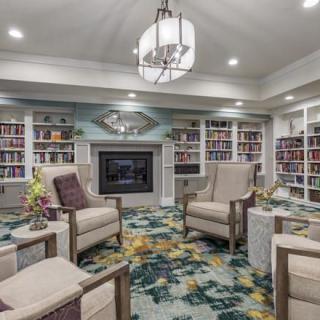
 The facility has only one relatively small public space, causing residents to cluster in each other’s company or in their rooms.
- The reviewer indicated they could not give five stars because of the limited public space.
- Another reviewer questioned whether the earlier review accurately described a resident, implying doubt about the facility’s representation.
Review
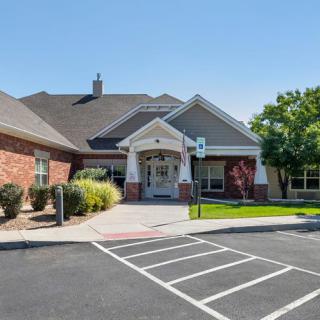
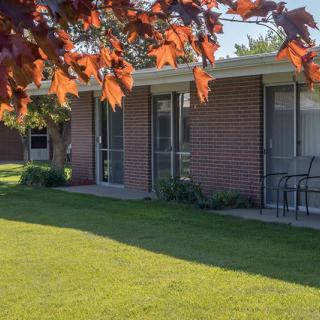
A Wildflower Assisted Living and Care Home I in Arvada is best suited for families seeking a warm, home-like setting where staff and ownership are deeply involved in daily life, and where care feels personal as much as professional. It works well for seniors who want to stay connected to familiar routines and hobbies, and who benefit from a small-house atmosphere that emphasizes safety, dignity, and individualized attention. The culture leans toward treating residents as family, with staff who remember preferences and histories, enabling meaningful engagement in activities like photography, gaming, and gardening. The setting also accommodates service animals, which broadens options for residents who rely on a canine companion to maintain independence.
Those who should consider alternatives include families prioritizing a larger, campus-style environment with abundant public spaces and more formal memory-care programming. A stronger clinical footprint, round-the-clock nursing, a dedicated memory-care wing, or highly structured oversight, may be required by some residents and families, and a bigger operator often delivers that. For those who value expansive common areas or a more traditional senior-living layout, the remodeled-house design here can feel restrictive. In short, this community excels where relationships, flexibility, and personal touches trump scale and formal programming.
The strongest asset is the lived-in sense of home, reinforced by staff and ownership who become trusted anchors for residents and families. Personal touches matter: rooms can be furnished with familiar belongings, and hands-on responsiveness is evident through items like a piano, bird feeders, and other small touches that brighten daily life. Transportation support for appointments, including dialysis, reflects practical, ongoing engagement beyond meals and activities. The on-site presence of a service dog further expands independence for residents who rely on that companionship. End-of-life dignity and safety are described as paramount, with staff who are patient, gentle, and quietly heroic in daily duties. These elements collectively offset the drawbacks of a smaller footprint for many families.
The principal con, the limited public space, shapes how social life unfolds and can feel constraining. A single, relatively small common area means residents and visitors share the same living room, which can feel crowded or reduce spontaneous gatherings. That reality is tied to the remodeled-house character and can limit the scale of programming. Yet the same hands-on owner and flexible staff frequently counter this with rapid, personalized accommodations, adjusted routines, room-focused activities, and willingness to waive or bend house rules to support individual comfort. For families who prize spontaneity and large, open social venues, this is a meaningful deterrent; for those who want a tightly knit, responsive team, it becomes a manageable trade-off.
Practical guidance for families evaluating this community centers on direct observation and concrete questions. Schedule multiple tours to witness daily interactions between staff and residents, not just during organized activities. Inquire about how care plans are developed and updated, how outside services coordinate, and who serves as the primary family contact. Probe transportation logistics for medical appointments and confirm policies regarding service animals and pet-friendly arrangements for visitors. Ask about plans to expand common areas or diversify programming, and whether there is ongoing capacity to scale care as needs evolve. The answers will reveal whether the home-like philosophy can withstand changing health circumstances and growing social needs.
Bottom line: this community is a compelling option for families seeking intimate, relationship-focused care where staff and ownership actively tailor the environment to the resident. It shines for seniors who want to continue personal hobbies, enjoy a sense of belonging, and benefit from practical supports like appointment transportation and on-site service-animal accommodation. Those who require expansive social spaces, formal memory-care programming, or larger-scale campus living should weigh other options. The right fit hinges on aligning the resident’s preference for a warm, flexible, human-centered approach with the family’s expectations for space, structure, and medical oversight.
 8 resident community capacity
 Assisted Living
 Cable or satellite TV
 Dining room
 Fully furnished
 Garden
 Housekeeping services
 Move-in coordination
 Outdoor space
 Telephone
 Wi-Fi/high-speed internet available
 Denver International (23 miles away)
 24-hour supervision
 Activities of daily living assistance
 Assistance with bathing
 Assistance with dressing
 Assistance with transfers
 Diabetes diet
 Meal preparation and service
 Medication management
 Special dietary restrictions
 Transportation arrangement (medical)
 Transportation to doctors appointments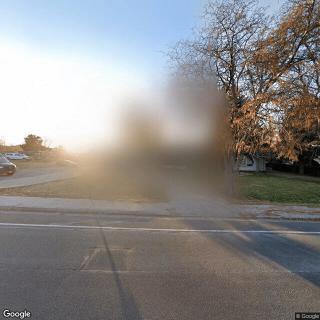




 Social Security Benefits and Assisted Living: Navigating Options Across the U.S.
 An Extensive Exploration of the VA Aid and Attendance Benefit
 Senior Transition Services: Understanding Their Role, Cost, and Importance