For more information about senior living options: (866) 208-4318
3.6 from 46 reviews
5 stars
24
4 stars
6
3 stars
2
2 stars
0
1 stars
14
Rose Alley Guest Home II Costs & Pricing
Rose Alley Guest Home II offers competitive pricing for its accommodations when compared to the broader market in San Bernardino County and across California. The cost for a semi-private room is set at $3,000 per month, which is slightly above the county average of $2,958 but notably lower than the state average of $3,333. In terms of private rooms and one-bedroom units, Rose Alley maintains a strategic pricing approach; both room types are priced at $3,500 per month. This fee is more economical than the county's average of $3,561 for private rooms and significantly below California's state average of $3,939. Similarly, their price for a one-bedroom unit aligns closely with local trends at $3,500 while remaining considerably lower than California's average of $4,340. Overall, Rose Alley Guest Home II presents an attractive option for residents seeking quality care without exceeding budgetary constraints.
Floor plans
Rose Alley Guest Home II
San Bernardino County
California
Semi-Private
$3,000
$2,958
$3,333
Private
$3,500
$3,561
$3,939
1 Bedroom
$3,500
$3,548
$4,340
Memory care communities with a similar price nearby
Reviews for dementia and memory care describe both strong redirection and serious breakdowns.
Some families describe the setting as especially suited to Alzheimer’s and dementia, citing supervision, redirection, and staff skills for the needs of residents with cognitive decline. A number of reviews, however, say basic care needs were missed, including cleanliness, wound handling, and follow-through on appointments. Several reviewers frame the experience in terms of what families expected for dementia care versus what they saw day to day, with complaints often tied to supervision and attention.
caveat11 reviews mention this
Cleanliness receives mixed reports
Cleanliness is described as either well-kept or significantly neglected across reviews.
A portion of residents and families praise the home as clean, well taken care of, and organized when they visit. Other reviews describe very dirty conditions, including reports of soiled clothing/diapers, unpleasant odors, and instances where residents appear unclean or rooms look neglected. Taken together, the cleanliness feedback isn’t consistent enough to rely on based on reviews alone.
common14 reviews mention this
Staff care is a common theme
Many reviews highlight caring, helpful staff who take residents seriously.
Many reviewers say caregivers and the broader staff are kind, compassionate, and responsive to residents’ day-to-day needs, including reassurance for families. Some also mention supportive communication during difficult times, and one family describes feeling safe enough to sleep knowing a loved one was being taken care of. At the same time, a smaller set of reviews argues staffing and administration were not adequate, or that staff were rude and unhelpful.
common2 reviews mention this
Home-style meals are praised
Residents’ families mention home-style meals as a positive.
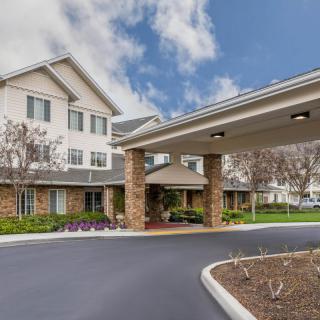
A couple of reviews specifically mention that food is homemade and that meals align with healthier choices like fresh vegetables. These comments connect dining with the overall home feel and the attention families associate with day-to-day care. The community also states meals are provided and supports special dietary restrictions for residents.
caveat3 reviews mention this
Activities are limited, but not absent
Activities seem more casual and can be limited depending on residents’ needs.
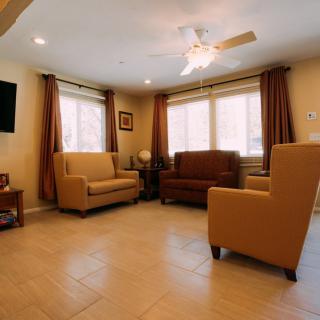
Several reviewers describe a home-like environment where residents enjoy smaller community moments like church and happy hour, and where visitors see residents engaged with simple routines. One review says the community doesn’t do a lot of activities compared with a prior place. That fits with what families describe as a setting more focused on comfort and care than a full schedule of structured programming.
How we summarize
Counts show how many written reviews mention each theme; a review can touch several themes, and only frequently mentioned themes are displayed.
Features
Housing
6 resident community capacity
Types of Care
Assisted Living
Board and Care Home
Memory Care
Amenities
Activities off-site
Activities on-site
Bath tubs
Cable or satellite TV
Devotional services off-site
Devotional services on-site
Dining room
Fully furnished
Garden
Housekeeping services
Indoor common areas
Laundry
Move-in coordination
Outdoor common areas
Outdoor space
Private
Private bathrooms
Respite or short term stays offered
Telephone
Wi-Fi/high-speed internet available
Transportation
Transportation & parking
Care Services
24-hour supervision
Activities of daily living assistance
Ambulatory care
Assistance with bathing
Assistance with dressing
Assistance with transfers
Coordination with health care providers
Diabetes diet
Diabetic care
High acuity care
Meal preparation and service
Medication management
Special dietary restrictions
Transportation arrangement (medical)
Transportation to doctors appointments
Dining
Diabetes diet
Meals provided
Special dietary restrictions
Activities
Activities off-site
Activities on-site
Community-sponsored activities
Devotional activities offsite
Devotional activities on-site
Scheduled daily activities
Nearby Places of Interest
This part of Yucaipa, California offers a convenient and bustling community for seniors looking to settle in a vibrant neighborhood. With multiple pharmacies including Rite Aid and Walgreens within a short distance, accessing necessary medications is easy. Nearby physician offices such as Redlands Yucaipa Medical Group provide accessible healthcare options. There are also a variety of dining options ranging from fast food establishments like McDonald's to sit-down restaurants like Tuscano's Pizza & Pasta for seniors to enjoy meals out. For recreation, there are several parks including Avenue I Park and Noble Creek Park for relaxing outdoor activities. Additionally, various places of worship cater to spiritual needs, such as the Church of Jesus Christ of Latter Day Saints and Saint Kateri Tekakwitha Catholic Church. Overall, this area provides a well-rounded living environment with essential amenities for seniors.
Pharmacies
Rite Aid (0.7 miles)
Sail Discount Drug Centers (1.9 miles)
Walgreens (2 miles)
Rite Aid (2.1 miles)
CVS Pharmacy (3 miles)
Walgreens (4.5 miles)
CVS Pharmacy (6.5 miles)
Physicians
Sultana Hajera MD (1.9 miles)
Dr Pranav Mehta - Redlands Yucaipa Medical Group (1.9 miles)
Redlands Yucaipa Medical Group (2 miles)
Neidlinger Alycia Hearing Aids (2.2 miles)
Beaver Medical Group (2.7 miles)
Jones Walter III MD (3.1 miles)
West Dermatology Redlands (7.3 miles)
Cafes
Starbucks (2.4 miles)
Dutch Bros Coffee (3.9 miles)
Starbucks (4.4 miles)
Starbucks (6.2 miles)
Starbucks (7.5 miles)
Panera Bread (8.3 miles)
Starbucks (8.5 miles)
Restaurants
McDonald's (2.9 miles)
Jose's Mexican Food (3 miles)
Farmer Boys (3.9 miles)
Clarkie's Diner (3.9 miles)
Tuscano's Pizza & Pasta (4 miles)
Baker's Drive-Thru (4.1 miles)
Burger King (4.5 miles)
Parks
Avenue I Park (3.7 miles)
Palmer Park (6.5 miles)
Noble Creek Park (7.6 miles)
Mountain View Park (9 miles)
Places of Worship
Church of Jesus Christ of Latter Day Saints (3.8 miles)
Trinity Church (7.1 miles)
The Labyrinth At Memorial Chapel. University Of Redlands (8 miles)
The River Christian Reformed Church (8 miles)
Saint Kateri Tekakwitha Catholic Church (8.4 miles)
Rose Alley Guest Home II offers competitive pricing for its accommodations when compared to the broader market in San Bernardino County and across California. The cost for a semi-private room is set at $3,000 per month, which is slightly above the county average of $2,958 but notably lower than the state average of $3,333. In terms of private rooms and one-bedroom units, Rose Alley maintains a strategic pricing approach; both room types are priced at $3,500 per month. This fee is more economical than the county's average of $3,561 for private rooms and significantly below California's state average of $3,939. Similarly, their price for a one-bedroom unit aligns closely with local trends at $3,500 while remaining considerably lower than California's average of $4,340. Overall, Rose Alley Guest Home II presents an attractive option for residents seeking quality care without exceeding budgetary constraints.
The variety of features offered by Rose Alley Guest Home II plays a crucial role in providing comprehensive support for residents with dementia or Alzheimer's disease. Assistance with dressing and bathing helps maintain personal dignity while ensuring safety, as staff members are trained to address the unique needs of individuals facing cognitive challenges. Medication management ensures that residents adhere to their prescribed regimens, reducing the risk of confusion and medication mishaps. Meal preparation and service are tailored to meet dietary requirements and preferences, promoting nutrition while fostering a familiar routine during mealtimes. Transportation arrangements facilitate access to medical appointments, allowing residents to receive essential care without added stress. Coordination with healthcare providers ensures that all aspects of a resident's health are monitored closely, promoting timely interventions when necessary. Activities of daily living assistance is vital for maintaining independence as much as possible and enhancing quality of life. Finally, 24-hour supervision creates a safe environment where residents can feel secure, knowing they are supported at all times while enabling peace of mind for families.
Nearby Communities
Appletree Assisted Living
Yucaipa, CA
5 from 1 review
Convenient access to pharmacies, cafes, parks, restaurants, and places of worship.
Right at Home of the Inland Valley
Yucaipa, CA
5 from 5 reviews
Genuine, compassionate leadership with a willingness to go above and beyond.
Home Care Friend
Yucaipa, CA
Convenient location with abundant nearby amenities.
Cedar Mountain Post Acute
Yucaipa, CA
3.5 from 88 reviews
$3,000 to $4,000 / month
Attentive staff and a variety of engaging daily activities for residents.
Braswell's Mediterranean Gardens
Yucaipa, CA
3 from 29 reviews
$1,600 to $2,700 / month
Friendly staff, clean facility, and engaging activities.
Ramada Ranch
Yucaipa, CA
4.7 from 7 reviews
$2,500 to $3,000 / month
Compassionate staff and positive care turnaround after transition.
Holiday Golden Oaks
Yucaipa, CA
4.7 from 166 reviews
$3,199 to $4,489 / month
Caring, attentive staff in a clean, welcoming community with engaging activities.
Miravilla Care Center
Cherry Valley, CA
3.8 from 16 reviews
Friendly, attentive staff with effective rehabilitation services and engaging activities, plus clean, personalized rooms.
Pacific Pines
Angelus Oaks, CA
4.3 from 7 reviews
Home-like board-and-care with 24-hour ADL support, medication management, and diabetes-friendly dining.
Transitioning from assisted living to memory care is driven by an individual's cognitive decline and specific needs, requiring careful evaluation of indicators like increased confusion and wandering. The process involves consulting medical professionals, researching suitable communities, considering financial and legal aspects, and ensuring effective communication for personalized care plans.
The article differentiates between assisted living and memory care, explaining that assisted living supports seniors with daily activities while promoting independence, whereas memory care provides specialized services for individuals with dementia, focusing on secure environments and cognitive support. It also addresses staff training, safety considerations, costs, family involvement, and transition strategies for families navigating these care options.
The article outlines effective communication strategies for interacting with loved ones with dementia, highlighting the need for empathy, patience, and understanding while emphasizing supportive approaches like using simple language, minimizing distractions, and focusing on feelings over facts to maintain dignity and foster connection. It also suggests seeking professional guidance when needed as communication challenges evolve.
Get PricingAsk A QuestionSchedule A TourContact Senior Advisor
By clicking submit, you agree to our Partner's Terms of Use. You
also consent to receive calls and texts, which may be autodialed, from our Partner. Your consent is not a condition to
using our Partner's service. Please visit our Partner's Privacy Policy for information about their privacy practices.

 6 resident community capacity
 Assisted Living
 Board and Care Home
 Memory Care
 Activities off-site
 Bath tubs
 Cable or satellite TV
 Devotional services off-site
 Dining room
 Fully furnished
 Garden
 Housekeeping services
 Indoor common areas
 Laundry
 Move-in coordination
 Outdoor common areas
 Private
 Private bathrooms
 Respite or short term stays offered
 Telephone
 Wi-Fi/high-speed internet available
 Transportation & parking
 24-hour supervision
 Ambulatory care
 Assistance with bathing
 Assistance with dressing
 Assistance with transfers
 Diabetes diet
 Diabetic care
 High acuity care
 Meal preparation and service
 Medication management
 Special dietary restrictions
 Transportation arrangement (medical)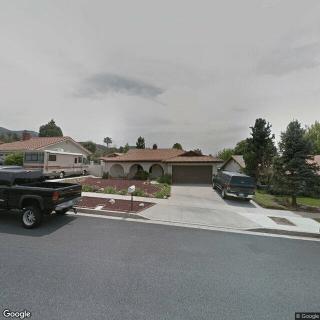
 Convenient access to pharmacies, cafes, parks, restaurants, and places of worship.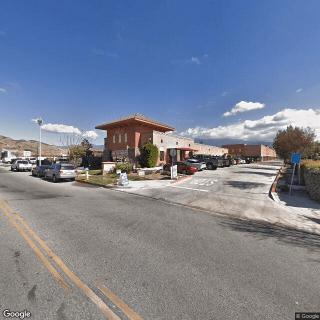

 When to Transition from Assisted Living to Memory Care: Key Indicators, Steps, and Finding the Right Community
 Understanding the Distinctions: Assisted Living and Memory Care Explained
 How to Communicate with a Loved One Living with Dementia: 10 Supportive Strategies