
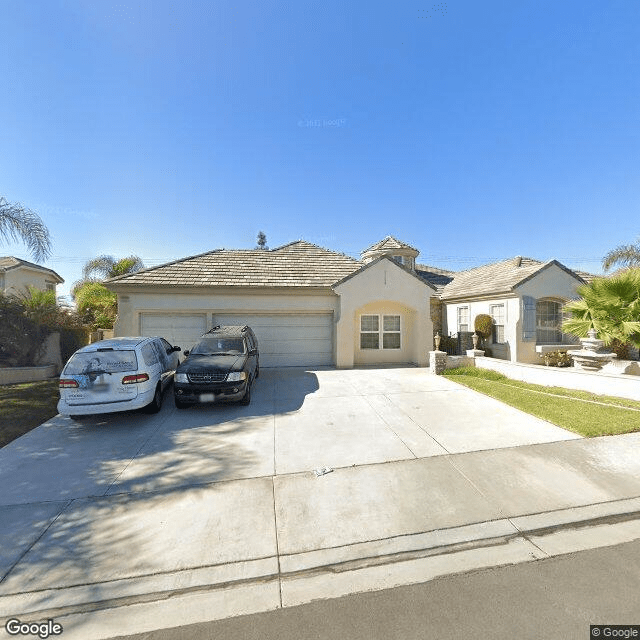
4451 Southern Pointe Lane, Yorba Linda, CA 92886
For more information about senior living options: (866) 208-4318
Bryant Ranch Guest Manor III Costs & Pricing
At Bryant Ranch Guest Manor III, residents benefit from competitive pricing in comparison to both Orange County and the broader state of California. For semi-private accommodations, the cost is $2,300 per month, which is significantly lower than the Orange County average of $3,431 and the statewide average of $3,333. Similarly, those opting for private rooms will find a monthly fee of $3,200 at Bryant Ranch Guest Manor III - again more affordable than the local average of $4,104 and the state's average of $3,939. This makes Bryant Ranch an appealing option for individuals seeking quality care without straining their budgets in a region known for its higher living expenses.
| Floor plans | Bryant Ranch Guest Manor III | Orange County | California |
|---|---|---|---|
| Semi-Private | $2,300 | $3,431 | $3,333 |
| Private | $3,200 | $4,104 | $3,939 |
Assisted Living communities with a similar price nearby
-
from +$400 / mo
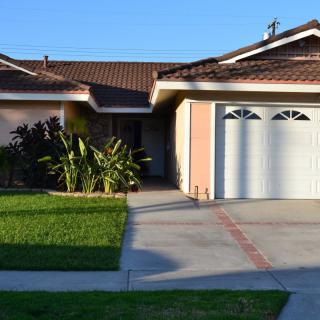
Loving Care Senior Home
$2,700 to $3,500 / month16.5 miles away -
from -$300 / mo
Angel's Care Guest Home
$2,000 to $3,000 / month10.0 miles away -
from -$300 / mo
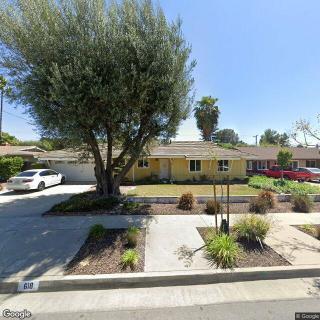
House Of Grace
$2,000 to $4,200 / month15.8 miles away -
from +$400 / mo
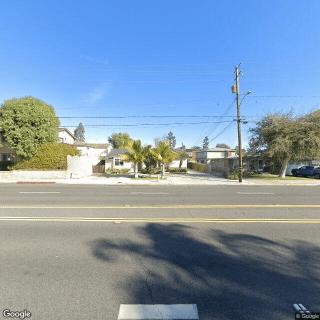
The Golden Years Guest Home
$2,700 to $3,500 / month10.2 miles away -
from +$200 / mo
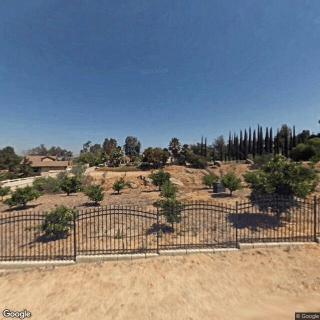
Golden Horizon Home I
$2,500 to $2,800 / month24.2 miles away
Overall Review of Bryant Ranch Guest Manor III
Pros
 The stop is good and offers a dozen donuts.
- The breakfast is great.
- Taps' food is outstanding.
- The patio setup is very nice.
- The new Taps restaurant is great.
- The donut shop is a favorite in the corner.
- The street is quiet and shaded.
Cons
 They describe the strip mall-type shopping center as typocal.
 - They note that about half the storefronts are empty.
- They were forced to sit outside, which was unfortunate despite the nice patio setup.
- They describe the place as okay.
Review
Bryant Ranch Guest Manor III is best suited for families seeking a quiet, residential atmosphere in Yorba Linda where the senior can live in a home-like setting and rely on nearby casual amenities rather than a hotel-like campus. This community appears most appropriate for residents who prioritize a calm street vibe, shade-protected outdoor spaces, and a neighborhood feel over bustling, on-site entertainment options. It suits seniors who want to remain in a familiar, low-stress environment and who are comfortable coupling gentle in-house routines with occasional trips or outings to nearby eateries and shops.
Those weighing alternatives should note that this location may not fulfill expectations for a highly active, care-forward campus. If a resident requires robust daily programming, frequent social activities, or strong on-site dining and medical support, other communities with more developed activity calendars and dedicated care teams may deliver more consistent value. Families shopping for memory care, intensive assistance, or a vibrant on-site social scene will likely find better alignment elsewhere. The surrounding area’s commercial mix, while offering some quality options, also signals a reliance on external venues for routine meals and socialization.
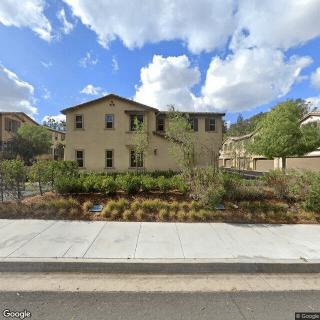
The strongest positives are practical and location-driven. Quiet streets and a big two-story home shape a reassuring, homelike atmosphere that can ease transition anxiety for many seniors. The presence of nearby breakfast spots and favorite local eateries, plus a recognized donut shop, points to convenient, low-effort outings that can support regular light social engagement without the pressure of elaborate on-site programs. A workable outdoor dining setup, such as a pleasant patio at a nearby restaurant, demonstrates an ability to enjoy meals al fresco when preferred. For residents who value a simple, predictable routine with occasional nearby treats, these elements add meaningful quality of life.
However, the weight of the cons centers on the external, not internal, environment. The neighborhood shopping center is described as typcial for a strip mall, with about half the storefronts vacant. While the open stores that remain are commendable, the limited in-area retail variety can constrain spontaneous, socially enriching outings and reduce the breadth of convenient services right outside the door. The reliance on external venues for regular dining and activities means transportation, weather, and mobility needs become more influential in daily life. Moreover, a two-story home design can pose practical barriers for seniors with limited mobility or walking difficulties, making stairs a recurring consideration in daily safety and accessibility.
In balancing pros and cons, Bryant Ranch Guest Manor III delivers steady comfort and a unconstrained, neighborly feel, offsetting some shortcomings with predictable routines and nearby culinary options. Yet the thin layer of on-site programming and the somewhat sparse, externally anchored social ecosystem necessitate careful alignment with a resident’s care requirements and activity preferences. For families contemplating long-term viability, the decision hinges on whether the peace of the setting and proximate dining experiences will sustain meaningful daily life without a more fortified in-house schedule of activities and services. The overall impression, moderate to favorable, reflects a community that earns trust in quiet times but invites closer scrutiny of what happens on days when needs expand.
Actionable steps for families are clear. Conduct a grounded site visit focused not only on rooms and common spaces but on how activities are structured, who leads them, and what care support is available during mornings, afternoons, and evenings. Verify staff coverage, emergency procedures, and transport options for trips to local eateries and essential shops. Ask for a transparent overview of the care continuum offered on-site versus via external partners, and confirm stair accessibility or potential need for accommodation if mobility changes are anticipated. Finally, compare with alternatives that promise richer on-site programming, stronger in-house dining, and a broader set of neighborhood amenities, ensuring the chosen path aligns with current needs and a realistic, near-term trajectory of care.
 6 resident community capacity
 Assisted Living
 Board and Care Home
 Cable or satellite TV
 Dining room
 Fully furnished
 Garden
 Housekeeping services
 Move-in coordination
 Outdoor space
 Private
 Private bathrooms
 Telephone
 Wi-Fi/high-speed internet available
 John Wayne Orange Co (16 miles away)
 24-hour supervision
 Activities of daily living assistance
 Assistance with bathing
 Assistance with dressing
 Assistance with transfers
 Diabetes diet
 Diabetic care
 Meal preparation and service
 Medication management
 Special dietary restrictions
 Transportation arrangement (medical)
 Transportation to doctors appointments

 Exploring the Contrasts Between Assisted Living and Skilled Nursing
 8 Key Indicators That Suggest It May Be Time to Transition from Assisted Living to Skilled Nursing Care
 Vibrant Senior Living: A Comprehensive Guide for Active Older Adults