
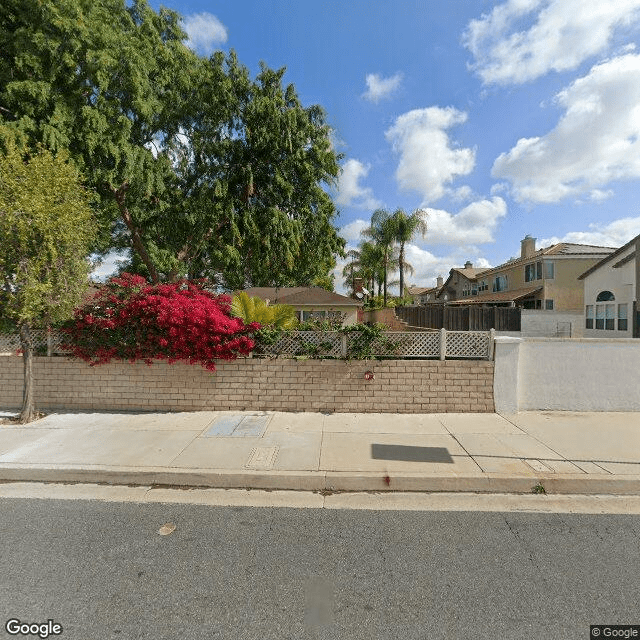
13975 Telegraph Road, Whittier, CA 90604
For more information about senior living options: (866) 208-4318
Walnut Villa Costs & Pricing
Walnut Villa offers competitive pricing for its residents, particularly when comparing the costs of its semi-private and studio room types to those prevalent in Los Angeles County and across California. For a semi-private room, Walnut Villa charges $3,800 per month, which is notably higher than the county average of $3,349 but remains slightly lower than the state average of $3,333. In contrast, the monthly rate for a studio at Walnut Villa is set at $4,000, positioning it just below the average cost in Los Angeles County ($4,172) and slightly more favorable than the overall California average ($4,145). This pricing strategy reflects a commitment to providing quality living options while still being mindful of regional market trends.
| Floor plans | Walnut Villa | Los Angeles County | California |
|---|---|---|---|
| Semi-Private | $3,800 | $3,349 | $3,333 |
| Studio | $4,000 | $4,172 | $4,145 |
Memory care communities with a similar price nearby
-
from +$195 / mo
Cadence Brea
$3,995 to $5,500 / month8.3 miles away -
from -$300 / mo
Kind Heart Home Care VI
$3,500 to $5,000 / month17.4 miles away -
from -$300 / mo
Comfort Keepers Home Care
$3,500 to $6,500 / month7.8 miles away -
from +$700 / mo
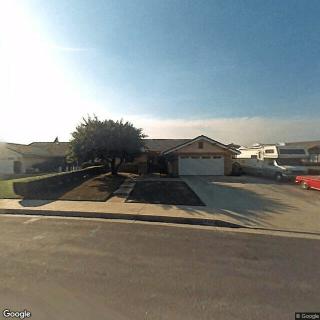
Heritage Senior Home Care
$4,500 to $4,800 / month18.6 miles away -
from +$700 / mo
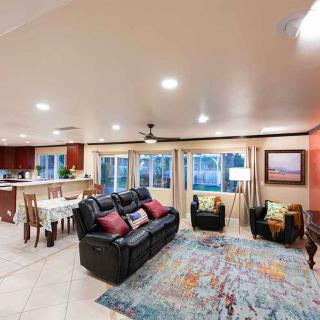
Casa Bella
$4,500 / month13.4 miles away
Overall Review of Walnut Villa
Pros
 Celina and the team provide a smooth and supportive transition.
- They go above and beyond to deliver tailored care and keep families informed.
- The facility offers a lovely home setting with comprehensive support.
- The family is very satisfied with the care.
- The care provided to the parents is excellent.
- The staff are attentive, friendly, and knowledgeable.
- Referrals to others have yielded similar positive experiences.
- Walnut Villa is a spacious and clean facility with friendly staff.
- The staff are amazing with residents and families, providing attentive care.
- The setting feels like a large, cozy home with comfortable rooms.
- The hospice care at Walnut Villa provides 24-hour care and is well-run.
- The facility costs less and provides better care than others.
Cons
 There were a few errors in medication dosage by the staff.
- The scheduled meals were too compressed, so the resident did not receive meals at an appropriate time.
Review
Walnut Villa in Whittier is best suited for families seeking a warm, home-like assisted living experience where care is personalized, staff accessibility is strong, and family involvement remains central. The community shines for seniors who value a smaller, residential feel over a hospital-like atmosphere, with daily support that can be tailored to individual needs. It works well for residents who benefit from regular staff availability, clear communication with families, and a setting that feels like an extended living space rather than a clinical campus. The foldable combination of attentive texture, homey rooms, and practical scheduling makes it particularly attractive to those prioritizing comfort, social connection, and a smooth transition from independent living to ongoing assistance. For families in the local area, proximity matters, and Walnut Villa’s footprint supports frequent visits without sacrificing dignity or independence.
Those who may want to consider alternatives tend to be individuals with higher medical acuity or specialized memory-care requirements. The occasional medication dosing errors noted by reviewers serve as a caution flag for families that rely on highly precise clinical oversight. If a resident’s regimen demands stringent, always-on medication management, or if a facility’s memory-care program requires advanced, structured protocols, a more medicalized setting could be preferable. Prospective residents who place a premium on ultra-structured meal timing, a broader menu of therapeutic services, or a more expansive campus with deeper clinical resources may find Walnut Villa less aligned with those needs. In short, Walnut Villa is compelling for a homey, flexible care model, but it may not be the best fit for residents who require heavy clinical staffing or specialized memory-care environments.
The core strengths of Walnut Villa, personalized care plans, open lines of communication, and a welcoming staff, tend to offset its few drawbacks in meaningful ways. Families repeatedly highlight tailored care and timely answers to questions as central to the experience, which mitigates concerns when occasional medication issues arise; a responsive team can correct course quickly and keep families informed. The home-like ambiance, combined with the staff’s friendliness and attentiveness, creates daily life that feels safer and more comfortable for both residents and their loved ones. The facility’s spacious, clean environment supports dignity and independence, while flexible care levels provide a practical path as needs evolve. When paired with hospice-friendly practices and 24-hour attention, these positives collectively bolster peace of mind for families navigating end-of-life or fluctuating care needs.
Social engagement and the care model emerge as standout differentiators. Reviews describe morning activities, arts, singing, and a sense of community that fosters engagement and reduces isolation, an important consideration for seniors who fear loneliness in senior living. The existence of two distinct care levels suggests a staged approach, allowing residents to transition between bands of support without disruptive relocations. The “home within a home” feel, rooms organized like living spaces rather than sterile dormitories, helps maintain a sense of personal identity and comfort. For many families, these elements translate into a clearer picture of quality-of-life outcomes: better mood, more opportunities for participation, and a smoother adaptation to assisted living.
Practical considerations should guide the decision-making process. Walnut Villa’s location near a family’s home enhances accessibility for visits, participation in activities, and involvement in daily routines. The facility’s documented advantages, spacious, clean interiors, a newer environment, and a substantial emphasis on daily wellness activities, couple with reported lower costs relative to comparable options, creating strong value for many buyers. Yet the caution flags demand diligence: verify the current medication-management protocols, confirm that the staff-to-resident ratio supports safe administration of complex regimens, and request a detailed meal schedule to ensure timing aligns with personal preferences. Prospective residents should seek a walkthrough that emphasizes how the two care levels operate in practice, and should request current family contacts to gauge consistency in experience.
The recommended verdict is clear for a defined ideal resident: Walnut Villa is a solid, value-driven choice for seniors who want a nurturing, homey atmosphere balanced by attentive caregivers and flexible support. It is especially well-suited for those who prize transparency, frequent family communication, and a vibrant daily routine that includes social activities. It also appeals to families seeking cost-conscious care without sacrificing warmth and personal attention, and to those who anticipate or desire hospice-aligned, 24-hour care integrated into a living environment that feels like home. However, for residents whose care demands exceed what a smaller, residential-style setting can reliably deliver, particularly around strict med-management or memory-care specialization, alternatives with deeper clinical resources should be examined. The prudent next step is a focused tour with explicit questions about medication procedures, meal timing, and what “stage one” versus “stage two” means in practice, followed by conversations with current families to confirm consistency of care over time. Walnut Villa offers a practical, compassionate option worth serious consideration for the right match.
 20 resident community capacity
 Assisted Living
 Board and Care Home
 Memory Care
 Activities on-site
 Beauty salon
 Cable or satellite TV
 Devotional services off-site
 Dining room
 Fully furnished
 Garden
 Housekeeping services
 Indoor common areas
 Kitchenette
 Move-in coordination
 Outdoor space
 Telephone
 Wi-Fi/high-speed internet available
 Long Beach (Daugherty) (10 miles away)
 24-hour call system
 Ambulatory care
 Assistance with bathing
 Assistance with dressing
 Assistance with transfers
 Diabetes diet
 Diabetic care
 Meal preparation and service
 Medication management
 Mental wellness program
 Special dietary restrictions
 Transportation arrangement (medical)
 Transportation to doctors appointments

 When to Transition from Assisted Living to Memory Care: Key Indicators, Steps, and Finding the Right Community
 Understanding the Distinctions: Assisted Living and Memory Care Explained
 How to Communicate with a Loved One Living with Dementia: 10 Supportive Strategies