
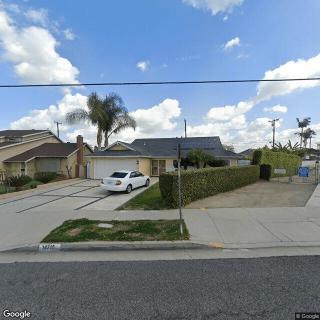
14558 Broadway Street, Whittier, CA 90604
For more information about senior living options: (866) 208-4318
Overall Review of House Of Hope
Pros
 Hope House Inglewood delivers wonderful care with a staff that is kind, attentive, and dedicated.
- The facility is impeccably clean, warm, and secure, creating a comfortable home-like environment.
- Residents feel valued and cherished, receiving care that is compassionate and thoughtful.
- Amber, Sara, Maria, and the team are praised for their dedication and personalized attention.
- Families experience peace of mind knowing their loved ones are in capable, caring hands.
- The home-style setting and modern layout support social connection and overall happiness.
- The Hope House is described as a “diamond in the rough” and a “House of Angels” by grateful families.
Cons
 The care at those facilities was very concerning.
- They were skeptical at first because they had seen some run-down homes.
- There had been two failed placements prior to finding the Hope House.
Review
House Of Hope in Whittier is best suited for families seeking a small, home‑like assisted living setting where every resident can expect highly personalized attention, meticulous cleanliness, and a warm, respectful atmosphere. The reviews consistently describe a place that feels intimate rather than institutional, with caregivers who know residents by name, honor routine, and tailor care to individual needs. For families prioritizing dignity, genuine kindness, and stable routines over big programming or splashy amenities, this community stands out as a practical, reliable option that produces peace of mind through consistent, compassionate presence.
That said, this community is not the right fit for everyone. Those who require extensive medical oversight, highly specialized memory‑care programming, or a broad calendar of on‑site activities with large staff coverage may want to consider alternatives. Larger facilities with formal dementia units, rehabilitation services, or a medical model with round‑the‑clock on‑site nursing can address acuity levels that a small home setting may not routinely sustain. Additionally, families needing rapid access to a wide network of specialists, or residents who prefer metro‑area conveniences and higher census options, should evaluate other options in the broader area.
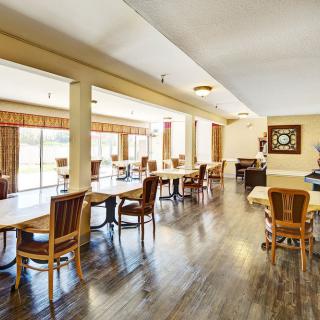
On the upside, the strongest pros, exceptional cleanliness, a genuine family atmosphere, and consistently kind, capable staff, readily offset most potential downsides for the target resident. The care team is described as devoted, responsive, and communicative, with a rapport that makes residents feel valued and safe. Positive anecdotes about transfers handled smoothly, immediate attention to needs, and visible improvements in residents’ mood and mobility illustrate how staffing quality translates into real, daily benefits. The environment itself reinforces these advantages: clean, well‑kept spaces and a layout that supports comfortable dining and social interaction without feeling clinical.
Still, the small‑house model brings logical tradeoffs. Capacity is naturally limited, which can impact admission pace and the ability to accommodate sudden, high‑acuity needs without adjustments. Some families may miss the breadth of organized activities or the extensive ancillary services found in larger campuses. Privacy and individual choice can be shaped by the intimate setting in ways that differ from multi‑wing communities. These are not fatal flaws, but they are real considerations that influence whether this option aligns with a resident’s care trajectory and family expectations.
Where the pros shine, they often offset these tradeoffs with tangible, meaningful outcomes. The reviews repeatedly highlight a sense of “home” and belonging that transforms placement from a logistical decision into a confident life choice. Families report not only clean, comfortable spaces but also staff who treat residents with respect, compassion, and a level of emotional support that strengthens spirits and reduces anxiety for both residents and caregivers at home. The best‑case picture includes dependable transfer coordination, proactive problem‑solving, and a day‑to‑day rhythm that never feels rushed or impersonal, qualities that are especially valuable when care needs evolve over time.
For decision makers in the “home‑like care with heart” camp, House Of Hope offers a compelling, low‑drama path to reliable daily living. Prospective residents and families should visit with a clear sense of priorities: is the goal intimate caregiver relationships and consistent oversight, or is the emphasis on vast programming and hospital‑grade medical resources? If the former, a firsthand tour with the owner/administrator, conversations about bed availability, and an ask‑the‑team session to observe caregiver‑resident interactions will crystallize the choice. If the latter, identify several alternatives that emphasize larger staff rosters, formal memory‑care protocols, and broader rehabilitation supports. In its current articulation, House Of Hope is a strong, practical fit for those who prize warmth, cleanliness, and a true sense of “home” in daily living.
 5 resident community capacity
 Assisted Living
 Cable or satellite TV
 Dining room
 Fully furnished
 Garden
 Housekeeping services
 Move-in coordination
 Outdoor space
 Telephone
 Wi-Fi/high-speed internet available
 Long Beach (Daugherty) (11 miles away)
 24-hour supervision
 Activities of daily living assistance
 Assistance with bathing
 Assistance with dressing
 Assistance with transfers
 Diabetes diet
 Meal preparation and service
 Medication management
 Special dietary restrictions
 Transportation arrangement (medical)
 Transportation to doctors appointments






 Understanding Medicaid Coverage for Assisted Living: A Comprehensive Guide
 How and When Medicaid May Cover Assisted Living Costs
 A Detailed Exploration of Assisted Living Medicaid Waivers Across the United States