
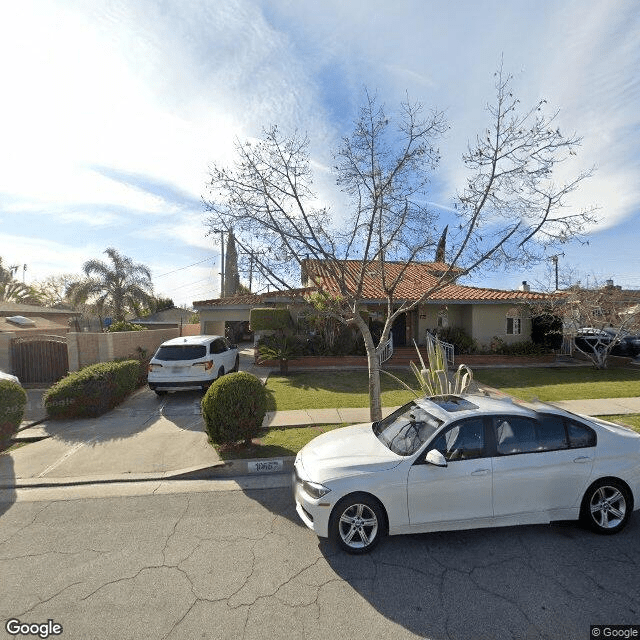
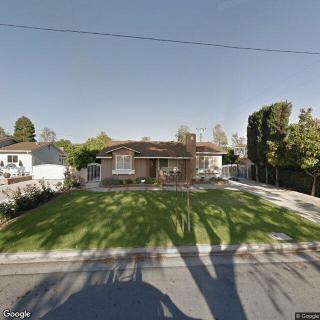
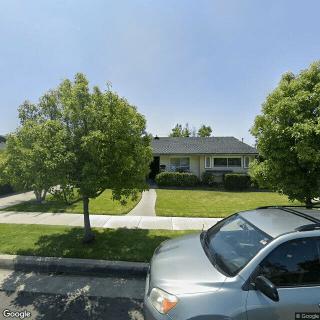
10657 Jordan Road, Whittier, CA 90603
For more information about senior living options: (866) 208-4318
Jordan Guest Home Costs & Pricing
Jordan Guest Home offers competitive pricing for its services, particularly when compared to the average costs in Los Angeles County and across California. For semi-private rooms, Jordan Guest Home charges $2,800 per month, which is notably lower than the county's average of $3,349 and the state average of $3,333. Similarly, their private room rate of $3,200 is significantly more affordable than the Los Angeles County price of $4,197 and the statewide average of $3,939. This makes Jordan Guest Home an attractive option for those seeking quality care without straining their budget amidst rising costs in the region.
| Floor plans | Jordan Guest Home | Los Angeles County | California |
|---|---|---|---|
| Semi-Private | $2,800 | $3,349 | $3,333 |
| Private | $3,200 | $4,197 | $3,939 |
Assisted Living communities with a similar price nearby
-
from +$500 / mo

Bella Manor II
$3,300 to $4,290 / month9.9 miles away -
About the same

Leah Loving Elderly Care
$2,800 to $3,000 / month15.8 miles away -
from -$100 / mo
Loving Care Senior Home
$2,700 to $3,500 / month16.8 miles away -
from +$200 / mo
Tabi's Facility Home Care
$3,000 to $3,500 / month5.3 miles away -
from +$200 / mo

Kozy Quarters 4 Seniors
$3,000 to $3,500 / month8.9 miles away
Overall Review of Jordan Guest Home
Cons
 The place smelled unpleasant when they entered.
- There were small children's toys around, which added to an uneasy impression.
Review
Jordan Guest Home in Whittier is best suited for families seeking a compact, home-like assisted living option where care feels intimate and personal. It appeals to residents and families who value daily, hands-on attention in a setting that feels more like a private home than a clinical campus. This is especially true for those who want easy, consistent contact with caregivers and a lived-in, familiar atmosphere. It is not the right fit for individuals who require steady, high-level medical oversight, highly structured routines, or formal, institution-like environments. The limited reviews hint at warmth on good days, but also raise questions about space, boundaries, and how “home” is actually organized in practice.
To avoid surprises, consider alternatives that offer stronger professional governance and a larger pool of resources. Larger, licensed assisted living communities typically provide more formal staffing ratios, documented safety protocols, and clearer privacy boundaries. For residents with significant medical needs, memory care requirements, or the expectation of routine, highly regulated care, these settings often deliver greater assurance and predictability. Families who insist on a strictly non-family-operated atmosphere or who want daily programming driven by certified professionals may want to examine other options in the Whittier area that emphasize formal licensing and standardized procedures.
On the upside, the two high-rated reviews suggest moments of notably attentive, individualized care and a genuinely warm, home-style environment. A small footprint can translate into deeper personal connections between residents and caregivers, with staff more available to customize activities and respond quickly to changing needs. When care feels personal, families often notice better communication, faster problem-solving, and a sense that the resident’s preferences guide daily life. The home-like setting can minimize the stress of transition for someone who thrives on familiar surroundings, predictable routines, and the comfort of a family atmosphere.
The caveats are real and should not be minimized. The verbatim notes describe an entry that “smelled a little bit,” paired with mentions of small children’s toys and the sense that “the family lived upstairs.” Taken together, these signals raise questions about cleanliness, noise levels, privacy, and the potential blur between family life and caregiving responsibilities. A portion of the reviews rate the experience as simply “okay” or as a solid three-star, indicating that not every visit or resident experience lives up to the best moments suggested by the higher ratings. For a family, these inconsistencies matter: they point to variability in day-to-day care and in the setting’s ability to maintain professional boundaries.
When weighing pros against cons, the decision hinges on resident priorities. For a senior who values a warm, intimate environment and is comfortable with a smaller operation, the perceived warmth and personalized attention can offset concerns about formality. For those who require consistent medical oversight, a regulated environment, or a completely private, quiet space without a family-adjacent dynamic, the drawbacks may overwhelm the benefits. Pros such as rapid caregiver responsiveness and flexible daily rhythms can be meaningful, but they must be measured against questions about safety protocols, staffing stability, and how care plans are implemented and updated.
Practical next steps guide families toward clarity. Visit the home multiple times at different hours to observe routines, talk directly with caregivers, and request sample care plans, medication management details, and an explanation of who oversees clinical needs. Verify the facility’s licensing status, recent inspection results, and the staff-to-resident ratio, especially during evenings and weekends. Ask about how privacy is maintained in a mixed home-family setting, how noise and shared spaces are managed, and what happens if a resident requires emergency medical services. If these answers align with expectations for a smaller, home-forward environment, Jordan Guest Home can be a thoughtful choice; if not, a larger, more regulated option will likely deliver greater peace of mind.
 6 resident community capacity
 1-bedroom apartments
 Assisted Living
 Board and Care Home
 Respite Care
 Cable or satellite TV
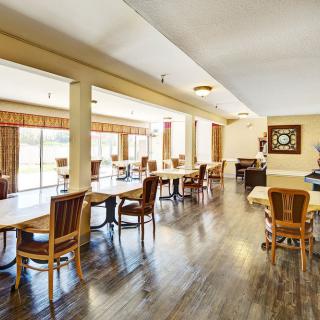
 Dining room
 Fully furnished
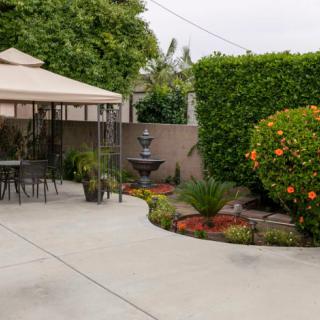
 Garden
 Housekeeping services
 Move-in coordination
 Outdoor space
 Private
 Telephone
 Wi-Fi/high-speed internet available
 Long Beach (Daugherty) (13 miles away)
 24-hour supervision
 Activities of daily living assistance
 Assistance with bathing
 Assistance with dressing
 Assistance with transfers
 Diabetes diet
 Meal preparation and service
 Medication management
 Special dietary restrictions
 Transportation arrangement (medical)
 Transportation to doctors appointments
 Responsive staff with engaging activities and ongoing renovations to improve care.

 Exploring the Path to Senior Living: A Comprehensive Look at Independent Living and Assisted Living
 Is Assisted Living Deductible on Your Taxes? Understanding the Complexities of Assisted Living Expenses and Deductions
 Assisted Living Support for Veterans: A Complete and Detailed Overview