
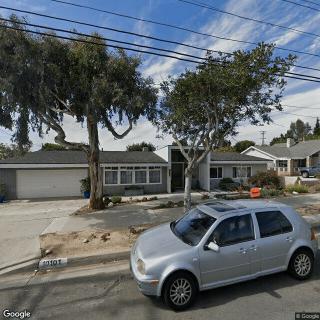
10407 Payette Drive, Whittier, CA 90603
For more information about senior living options: (866) 208-4318
Overall Review of Jasmines Residential Care For Elderly
Pros
 The facility is excellent.
- The staff and owners are nice.
- Her aunt's room is very comfortable.
- The facility offers other activities beyond daily exercise.
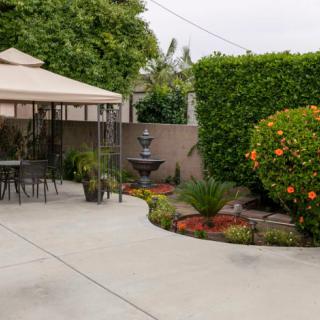
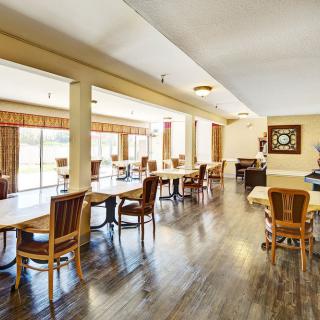
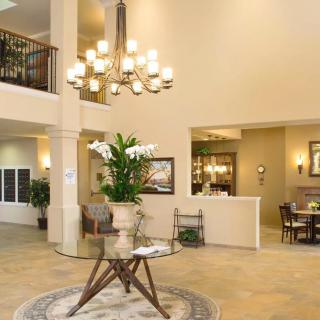
- The facility has a common area and an outside patio for sun.
- She loves the food.
Review
Jasmines Residential Care For Elderly in Whittier is best suited for families seeking a small, home-like setting where an elderly loved one can receive attentive, personalized care during recovery or everyday living. The arrangement leans into warmth from the owners and staff, a comfortably sized private room, and a routine that emphasizes personal attention. For someone recently discharged from a hospital or someone who benefits from steady, compassionate oversight rather than a large institutional feel, this community delivers reassurance through daily contact, gentle activities, and accessible outdoor time. The presence of a common area and an outdoor patio means residents can choose to mingle or simply soak up sunshine, which complements meals and social life, an important piece for mood and appetite during recovery.
This option is not the right fit for every situation. Families with loved ones who require high-acuity medical management, complex, round-the-clock therapy, or specialized memory-care services may want to consider alternatives. Larger campuses with broader on-site medical teams or dedicated memory-care wings typically offer a wider array of clinical resources and structured programs. If the priority is advanced rehabilitation, frequent physician oversight, or highly specialized programming, Jasmines’ smaller, more intimate footprint may feel limiting. Those seeking a highly modern, resort-like setting or a campus with extensive in-house specialists should evaluate other options that foreground clinical depth and breadth of services.
The strongest selling points, and what most naturally offset the likely trade-offs of a smaller home-like facility, are clear. The staff and owners come across as genuinely caring, which translates into a day-to-day experience of attentiveness and warmth. A resident’s room is described as very comfortable, which matters greatly for recovery days and long evenings. The social-recreational fabric, daily activities, a common area, and outdoor patio access, helps sustain routine, reduce isolation, and encourage gentle activity. And if taste and mood matter, the positive feedback on meals adds an important layer of comfort that can ease transitions from hospital to home-like living. In short, the human-centered design and homelike atmosphere are substantial advantages.
In terms of daily life, the environment fosters a sense of belonging. The combination of caring relationships, a comfortable private space, and accessible outdoor time creates a tangible sense of normalcy and dignity during recovery or ongoing care. For families, this translates into confidence that their loved one is in a setting where staff are engaged, meals are enjoyable, and small daily rituals, meals, sunlit time, light activities, contribute to well-being. The review notes that even when exercise is limited by medical recovery, the facility offers other activities, which helps preserve social connectedness and cognitive engagement. Such factors often matter more in the long arc of quality of life than formal program breadth alone.
To maximize fit, prospective families should prioritize a practical visit plan. Observe how staff interactions unfold with residents, assess meal pacing and quality, and gauge whether the activity calendar offers variety that aligns with a loved one’s interests. Ask about the level of on-site medical oversight, routine nursing presence, and how emergencies are managed in a small setting. Inquire about room configurations, accessibility features, and the ease of outdoor access. If recovery is the current concern, request a clear outline of rehab supports available on-site and how therapy schedules integrate with daily routines. This approach will illuminate whether the warmth and comfort described align with the level of clinical support required.
Bottom line: for families prioritizing warmth, intimate attention, and a homey atmosphere that supports recovery and daily living with comfort and good meals, Jasmines Residential Care For Elderly stands out as a strong, practical choice. It delivers tangible emotional and social benefits through caring staff, a comfortable room, and accessible outdoor spaces. If the loved one demands robust medical resources, extensive memory-care infrastructure, or a larger, more program-rich campus, alternatives should be explored. With a careful visit and frank questions about medical oversight and activity breadth, families can determine whether this intimate setting will meet their care goals or if a more resource-dense option is warranted.
 6 resident community capacity
 Assisted Living
 Board and Care Home
 Cable or satellite TV
 Dining room
 Fully furnished
 Garden
 Housekeeping services
 Move-in coordination
 Outdoor space
 Telephone
 Wi-Fi/high-speed internet available
 Long Beach (Daugherty) (12 miles away)
 24-hour supervision
 Activities of daily living assistance
 Assistance with bathing
 Assistance with dressing
 Assistance with transfers
 Diabetes diet
 Meal preparation and service
 Medication management
 Special dietary restrictions
 Transportation arrangement (medical)
 Transportation to doctors appointments

 Exploring the Contrasts Between Assisted Living and Skilled Nursing
 8 Key Indicators That Suggest It May Be Time to Transition from Assisted Living to Skilled Nursing Care
 Vibrant Senior Living: A Comprehensive Guide for Active Older Adults