Information last verified:
11221 main, Thousand Oaks, CA 91361
For more information about senior living options: (844) 490-3973
Lifeline Companion Services in Thousand Oaks is best suited for families that want dependable, professional in-home health care that enables a loved one to remain safely at home with minimal disruption. The service excels when daily monitoring, medication assistance, gentle caregiving, and consistent communication are paramount. It is especially well-muited for seniors who value warmth and trust in their caregivers, those navigating chronic conditions, and families managing memory-related challenges where a steady, attentive presence can prevent crises and provide peace of mind. When high-quality, at-home support is the priority, Lifeline delivers clear, reliable care that keeps the care plan coherent across shifts and days.
Those weighing Lifeline against alternatives should consider what they may need beyond in-home companionship. For families seeking more expansive nursing oversight, 24/7 live-in coverage, or a broader regional footprint with hands-on owner involvement, an agency like Home Helpers may present a stronger fit. Reviews of Lifeline’s local peers highlight sizeable differences in scale, scheduling flexibility, and case-management intensity. If the priority is constant nursing supervision, rapid back-up coverage, or a wider network of specialists, it is prudent to compare Lifeline’s capabilities with such alternatives to ensure the chosen provider meets the full scope of medical and logistical needs.
The strongest positives for Lifeline center on caregiver caliber and the quality of the caregiving relationship. Caregivers are described as professional, kind, and genuinely dedicated, with workflows that emphasize compassionate, patient-centered assistance. Clear communication stands out as a hallmark, reducing uncertainty for families and making it easier to adjust care plans as needs evolve. The anecdotal evidence of caregivers going above and beyond, anticipating potential problems, coordinating with family members, and ensuring that every need is met, translates into a tangible advantage: fewer hospital visits, quicker problem resolution, and greater confidence that a loved one is in capable hands.
A standout example from the reviews underscores Lifeline’s practical impact: a caregiver who recognized a dangerous medication reaction and guided the family to hospital care. This kind of vigilance demonstrates a level of attentiveness that transcends routine tasks and translates into real risk mitigation. When caregivers are capable of recognizing red flags, initiating appropriate steps, and communicating effectively with families and medical professionals, the overall care ecosystem becomes more resilient. Such incidents, even if singular, illustrate a pattern of reliability that reassures families seeking steady, proactive support.
No service is without limits, and for Lifeline there are practical considerations to weigh. In-home care naturally emphasizes home-based support rather than a facility setting, so families with the most intensive 24/7 medical needs or those seeking a structured memory-care environment inside a residential community may prefer other arrangements. It is essential to confirm the scope of medical oversight, whether Lifeline provides licensed nursing staff, how frequently physicians or nurse managers review care plans, and how back-up coverage is arranged on weekends or holidays. When medical complexity rises beyond routine home care, these factors determine whether at-home support remains the best fit or a facility-based option should be added to the planning.
In practical terms, families evaluating Lifeline should start with a candid care-needs assessment and a direct conversation about expectations. Key questions include how caregivers are matched to specific conditions, the cadence of care-plan updates, and who leads care coordination. Verify licensing, insurance, and the agency’s policy on back-up staff, then request a few client references to gauge consistency over time. It is also wise to discuss emergency protocols, hospital transport support, and how end-of-life considerations are integrated into the plan. A trial period can reveal whether the operating rhythm, caregiver chemistry, and communication cadence align with the family’s standards.
Lifeline Companion Services presents a highly credible option for families prioritizing reliable, compassionate in-home care with strong communication and practical crisis responsiveness. The service is especially compelling for dementia-related support, daily living assistance, and scenarios where staying home is the preferred long-term strategy. The clear caveat is to verify the scope of medical oversight for cases with substantial nursing needs. If that level of medical complexity exists, comparing Lifeline to other providers with broader nursing networks may be warranted. For most families seeking steady, hands-on home care that preserves independence and minimizes strain, Lifeline offers a confident, proven pathway to safer, more comfortable home living.
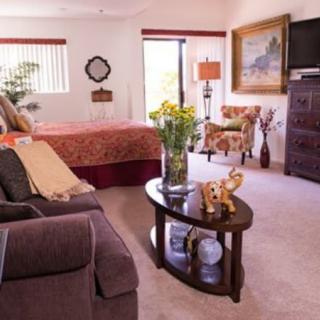
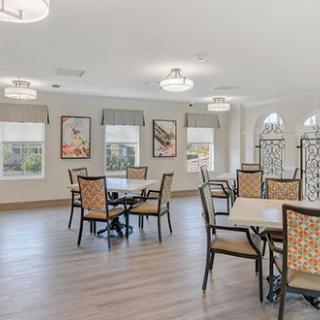
Lifeline Companion Services in Thousand Oaks, CA is a thriving assisted living community conveniently surrounded by numerous amenities. Our residents can enjoy easy access to various cafes, providing opportunities for socializing over a cup of coffee or enjoying a leisurely brunch. For those seeking outdoor activities and relaxation, there are six parks nearby, offering serene environments for walks, picnics, or simply enjoying nature.
We prioritize the health and well-being of our residents by ensuring that there are eight pharmacies in close proximity. This allows for convenient medication management and prompt access to necessary prescriptions. Additionally, with 34 physicians nearby, our residents have a wide range of healthcare professionals to choose from, ensuring they receive personalized and comprehensive medical care.
The culinary enthusiasts among our residents will appreciate the 15 restaurants in the vicinity, offering various cuisines and dining experiences to cater to different tastes and preferences. Spiritual needs are also met with one place of worship located nearby, providing an opportunity for communal worship and fostering a sense of spiritual connection.
For those who appreciate arts and culture, there is a theater in close proximity where residents can enjoy movies or live performances. Furthermore, we prioritize the safety and security of our residents by having four hospitals nearby for immediate medical attention if ever needed.
At Lifeline Companion Services in Thousand Oaks, CA, we strive to create an assisted living community that not only meets the physical and healthcare needs of our residents but also provides ample opportunities for socialization, leisure activities, cultural engagement, and spiritual fulfillment.
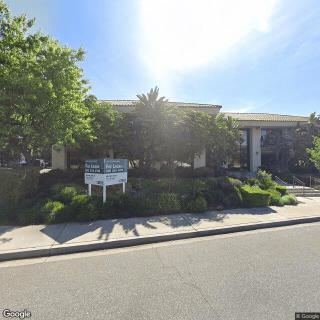
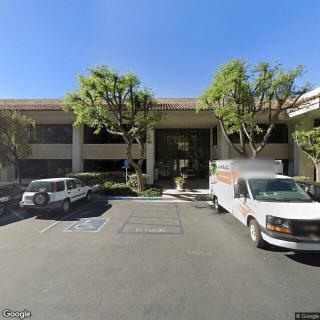
Lifeline Companion Services is located at 11221 main, Thousand Oaks, CA 91361 in Ventura County, California
Exploring the World of Home Health Nurses: Qualifications, Roles, and Hiring Tips

Home health nursing is an expanding field where licensed professionals provide specialized medical care in patients' homes, addressing the needs of an aging population through personalized services like assessments and medication management. Effective collaboration with healthcare teams, cultural sensitivity, and quality assurance measures are essential for fostering trust and ensuring positive patient outcomes.
Navigating Medicare Coverage for In-Home Care Services

Medicare covers in-home health care services, which are medical and provided by licensed professionals under a physician's supervision, whereas non-medical personal assistance is generally not covered unless part of a broader skilled care plan. Eligibility for benefits depends on being homebound and needing intermittent skilled services from a Medicare-certified agency, with specific coverage limitations and additional resources available for navigating options.
In-Home Care Costs in 2025: A Detailed State-by-State Exploration
In-home care is increasingly sought after by older adults for maintaining independence, with average private home care rates in 2025 varying by state and service type, reflecting geographical and local labor market influences. As demand rises, families are considering funding options like Medicaid waivers and long-term care insurance to manage costs effectively while ensuring quality care.