
123 La Selva Drive, Watsonville, CA 95076
For more information about senior living options: (866) 208-4318
Overall Review of Wesley House III
Pros
 The patient is grateful to have found Dr. Kong.
 - Dr. Kong was incredibly thorough and took the time to understand what the patient was going through.
- Thanks to Dr. Kong's care and expertise, the patient no longer has to worry about embarrassing accidents.
- The staff at Wesley House II & III are high-quality and skilled, offering caring, clean, thoughtful, and helpful care.
- Wesley House II & III is well laid out for the elderly, with a bright sun room and a good backyard.
- The facility’s leadership is dedicated to the well-being of residents, with staff trained to support them and grounds kept with care.
- The daily meals at Wesley House II & III are prepared from scratch and meet residents’ needs, reflecting attentive caregiving.
- The team at Wesley House II & III demonstrates a patient and graceful approach to caring for the elderly and those with disabilities.
Cons
 It is a horrible place.
- The caregivers show little concern for the residents' feelings.
- Residents are forced to sleep around 6 pm and are woken up around 6 am.
- They don’t care if residents are in the middle of watching TV or having a conversation.
- The caregivers grab residents, force them to get up, and put them to bed.
- They are very forceful with residents and show little regard for their well-being.
- They seem to view residents as nothing more than a burden.
- There were instances where soap was left on an elderly resident after washing, and staff did not seem to care that it might cause itchiness.
- Everyone there seems incredibly depressed.
- The facility is not the right place for active seniors.
Review
Wesley House III in Watsonville is best suited for families seeking a calm, home-like environment that delivers hands-on, attentive care for seniors with substantial daily living needs. It is not the right fit for active, socially driven seniors who want a bustling, club-like atmosphere or abundant independent programming. The community’s strengths show up strongest when residents require steady caregiving, consistent routines, and a clean, comfortable setting that feels like home. The family-run ownership and explicit commitment to staff training offer a sense of accountability and continuity that matters to families during transitions and as care needs evolve.
Those considering alternatives should note that this is not a fit for households prioritizing high-energy social activities, robust programming, or a highly independent lifestyle. One reviewer highlighted a harsh contrast between care expectations and delivery, underscoring the importance of firsthand observation during tours and conversations with frontline staff. Prospective families must scrutinize daily life beyond the glossy impression: tempo of caregiving, staff availability, and how well residents are engaged in meaningful activity. If the goal is a facility that doubles as a social scene or a dynamic senior community, other options would likely serve better.
On the upside, Wesley House III earns credibility through consistently described high-quality, skilled staff and a commitment to clean, well-maintained spaces. Families also note the facility’s thoughtful layout, with features like a sunlit room and accessible outdoor areas, which support comfort and safety for residents with limited mobility. Meals prepared from scratch and daily attention to grounds care reflect a culture of care that prioritizes dignity and routine. The sense that staff and the ownership team prioritize resident well-being, along with transparent access to administrative leadership, helps counterbalance the inevitable challenges of operating a care-focused residence.
However, turnover in staffing and the variable nature of caregiving can temper those strengths. Several accounts point to a learning curve for new staff and the pressures inherent in maintaining consistent, personalized attention. This reality means families should actively verify staffing stability during tours, ask about ongoing training programs, and request candid updates on caregiver coverage during peak and off-peak hours. The most critical caveat is that the environment is designed for meaningful, steady care rather than lively social programming; residents may require encouragement from families to participate in activities and outings, which can influence overall satisfaction if engagement feels limited.
Given the mixed-feel verdict, a practical decision framework emerges. If the priority is a warm, home-like setting with dependable care and a facility that treats residents with dignity, Wesley House III stands up well. The positive cues, cleanliness, well-trained staff, homey atmosphere, and scratch-made meals, offset many of the operational concerns, provided the care plan aligns with the resident’s medical and daily living needs. Families should enter with a clear understanding of the level of independence the resident retains, the expected daily routine, and the exact services included in the rate. Tour everything: observe care interactions, talk to caregivers, and verify that staffing levels meet the resident’s daily requirements.
In sum, Wesley House III is a credible, carefully managed option for seniors who require substantial assistance and who crave a quiet, respectful, almost familial care environment. It is less suitable for those seeking an active, social, growth-oriented senior living experience or for families unwilling to screen for caregiver consistency. For the right resident, one who values continuity, thoughtful caregiving, and a calm, well-cared-for setting, the potential rewards are meaningful: a place many come to regard as “home” and a team that strives to honor that trust every day.
 6 resident community capacity
 Assisted Living
 Board and Care Home
 Cable or satellite TV
 Dining room
 Fully furnished
 Garden
 Housekeeping services
 Move-in coordination
 Outdoor space
 Telephone
 Wi-Fi/high-speed internet available
 Monterey Peninsula (25 miles away)
 24-hour supervision
 Activities of daily living assistance
 Assistance with bathing
 Assistance with dressing
 Assistance with transfers
 Diabetes diet
 Meal preparation and service
 Medication management
 Special dietary restrictions
 Transportation arrangement (medical)
 Transportation to doctors appointments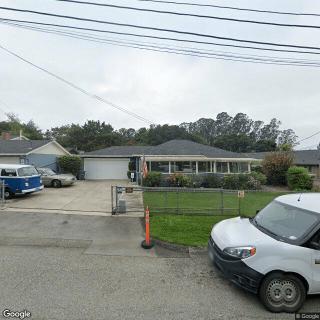



 Securing Financial Support for Assisted Living: A Comprehensive Overview
 Social Security Benefits and Assisted Living: Navigating Options Across the U.S.
 An Extensive Exploration of the VA Aid and Attendance Benefit