
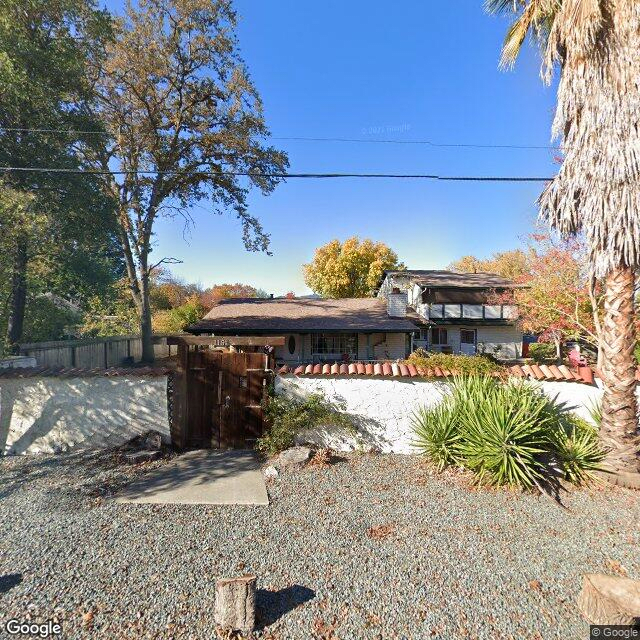
115 Via Del Sol, Walnut Creek, CA 94596
For more information about senior living options: (866) 208-4318
Sunvalley Chateau Walnut Creek Costs & Pricing
Sunvalley Chateau Walnut Creek offers competitive monthly rates for its residents, with both private and studio rooms priced at $3,000 each. This cost is notably lower than the average for Contra Costa County, where similar private accommodations typically run around $4,088 and studios about $4,358. When compared to broader California averages - $3,939 for a private room and $4,145 for a studio - Sunvalley Chateau presents an attractive financial option for those seeking quality living arrangements without the premium prices often associated with the state's senior housing market. Overall, this facility represents a compelling choice for individuals looking to balance comfort and affordability in a desirable location.
| Floor plans | Sunvalley Chateau Walnut Creek | Contra Costa County | California |
|---|---|---|---|
| Private | $3,000 | $4,088 | $3,939 |
| Studio | $3,000 | $4,358 | $4,145 |
Memory care communities with a similar price nearby
-
About the same
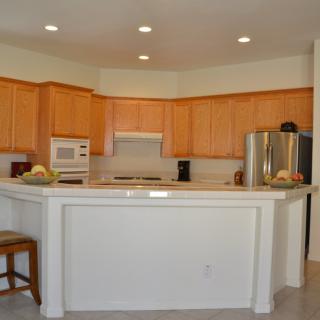
Laylor Care Home For The Elderly
$3,000 to $4,000 / month13.8 miles away -
from +$195 / mo
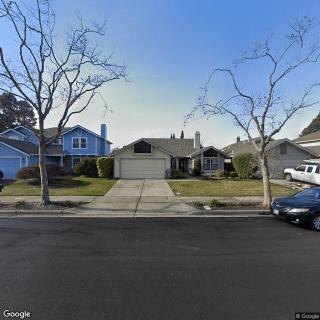
Harbor Bay Assisted Living
$3,195 to $5,000 / month16.4 miles away -
from +$500 / mo

East Bay Assisted Living
$3,500 to $5,000 / month13.0 miles away -
from -$500 / mo
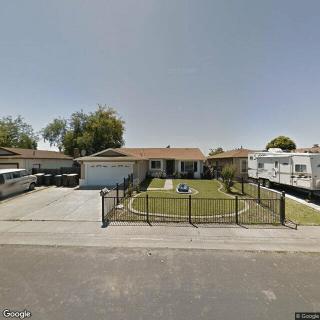
Village Golden Care Home
$2,500 to $3,800 / month22.0 miles away -
About the same

TreVista at Antioch
$2,995 to $5,995 / month14.4 miles away
Overall Review of Sunvalley Chateau Walnut Creek
Pros
 The place is loved for its warm, home-like atmosphere and the wonderful moments shared there.
- Elderly residents are respected and supported at all times by Rodica and her staff.
- The staff are lovely, with a great presence and genuineness, making visitors feel welcomed.
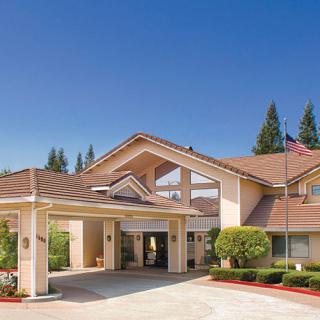
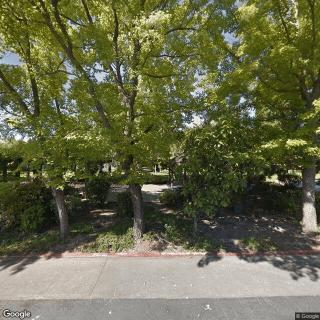
- The home is surrounded by trees and feels like a villa away from everything.
- The residents seem happy in this welcoming environment.
- Rooms with garden views and private baths are appreciated.
Review
Sunvalley Chateau Walnut Creek is best suited for families seeking a small, intimate assisted-living environment where residents are treated with consistent warmth, dignity, and personal attention. This community shines for seniors who value a villa-like, home-away-from-home atmosphere, where staff relationships feel genuine and steadfast rather than transactional. The setting, described as leafy and garden-facing, supports a calm, reassuring daily rhythm, and the atmosphere naturally lends itself to residents who enjoy a quiet, neighborly feel and a sense of privacy within a close-knit community.
Those who should consider alternatives are individuals or families prioritizing larger campuses, a broader array of programs, or more formalized medical oversight. If a higher level of memory care, frequent on-site clinical services, or a clearly published, transparent pricing structure is essential, Sunvalley Chateau may not fully meet those needs. Prospective residents needing robust transportation options, diverse daily programming, or a strong continuum of care across multiple levels will want to compare this property against bigger operators or communities known for extensive activity calendars and explicit care tiering.
The strongest pro is the culture of respect and personal connection. Reviews highlight staff who are welcoming, attentive, and low-key in their leadership, with Rodica singled out as a standout figure for consistent, meaningful engagement with both residents and caregiving staff. This translates into a daily experience where residents appear content, engaged, and supported, contributing to a sense of belonging, crucial for well-being in later life. Add the home-like design and private bath options, and the place feels more like a private residence than a clinical setting, which tends to reduce anxiety for residents and ease for families.
On the other hand, the limited public detail about care levels, nursing availability, meal specifics, and transportation options represents a meaningful gap. The reviews provide little clarity on how medical needs are monitored or escalated, what level of assistance is available around the clock, or how services scale as needs change. The sample size is small, which means the joyful snapshots may not fully reveal how the community manages more complex situations or fluctuating health, and pricing or contract terms remain opaque from these summaries alone. For families seeking certainty in medical support, this uncertainty is a legitimate consideration.
Despite those gaps, the pros offset many potential concerns for the right resident. The core advantage is a lived-in warmth: staff who feel like part of the residents’ extended family, a setting that induces calm rather than bustle, and living spaces that reinforce privacy and dignity. For seniors who prize a serene, semi-rural-feeling environment with daily life conducted much like a voluntary, well-ordered home, these factors can outweigh the lack of publicized medical detail. The residents’ apparent happiness is not a trivial signal; it points to a quality of daily life that many families struggle to achieve in larger, more clinical settings.
The practical approach for a family is to schedule a focused tour and ask pointed questions: how many residents live here, what is the on-site caregiver-to-resident ratio, who provides nursing coverage and when, how are medications managed, and what does the meal program look like? Inquire about memory care options, activity variety, transportation arrangements, and a clear outline of costs, deposits, and contract terms. If the priority is a warm, home-like environment with staff who genuinely invest in residents, Sunvalley Chateau Walnut Creek is a compelling candidate. If, instead, clear, comprehensive data on medical oversight or a broad continuum of care is non-negotiable, the search should widen to include alternatives with transparent care structures.
In sum, Sunvalley Chateau Walnut Creek earns its 5-star sentiment from a compact circle of residents and families who value dignity, staff engagement, and a serene, villa-style setting. It is a sound choice for seniors who want intimacy, personal attention, and a home-like daily life, especially if the family can live with less emphasis on formalized medical programming and billing transparency. For those needing robust clinical support, broad programming, or explicit, published pricing, it remains prudent to explore additional options alongside this community to ensure alignment with long-term care goals.
 6 resident community capacity
 Assisted Living
 Board and Care Home
 Memory Care
 Cats allowed
 Dogs allowed
 Cable or satellite TV
 Dining room
 Fully furnished
 Garden
 Housekeeping services
 Move-in coordination
 Outdoor space
 Private
 Respite or short term stays offered
 Telephone
 Wi-Fi/high-speed internet available
 Metropolitan Oakland International (17 miles away)
 24-hour supervision
 Activities of daily living assistance
 Assistance with bathing
 Assistance with dressing
 Assistance with transfers
 Diabetes diet
 Diabetic care
 High acuity care
 Incontinence care
 Meal preparation and service
 Medication management
 Special dietary restrictions
 Transportation arrangement (medical)
 Transportation to doctors appointments




 8 Key Indicators That Suggest It May Be Time to Transition from Assisted Living to Skilled Nursing Care
 Nourishing the Mind: Essential Dietary Approaches for Dementia
 Understanding Dementia Behaviors: Practical Insights and Strategies for Caregivers