
594 Rock Oak Road, Walnut Creek, CA 94598
For more information about senior living options: (866) 208-4318
Overall Review of Rock Oak Villa
Pros
 The caregiver-to-resident ratio is excellent, ensuring attentive care.
- The care provided is clearly very good.
- Staff go out of their way to make residents comfortable.
- Private rooms contribute to residents’ comfort and privacy.
- Live-in staff members provide around-the-clock presence.
- The facility is described as a big success.
Cons
 They don’t do activities there.
- They only take care of residents and do exercises, with no organized activities.
Review
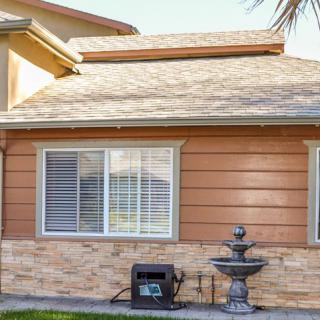
Rock Oak Villa in Walnut Creek is best suited for seniors who thrive in a small, home-like environment where caregiver presence is deliberately high and privacy is prioritized. The converted private-house setting yields a remarkably intimate, private-room experience, with a staffing pattern that delivers a very favorable caregiver-to-resident ratio. With live-in staff on-site for most days and additional caregivers circulating through the week, residents receive steady, hands-on attention and timely assistance. This arrangement is ideal for families seeking warmth, predictability, and a sense that each resident is known personally, not just another chart in a big campus.
Those who should consider alternatives are families looking for robust social programming, structured activities, and on-site medical resources. Rock Oak Villa does not run formal activities, focusing instead on care and daily exercises. For residents who benefit from a lively calendar of group outings, memory-care-focused programming, or regular on-site clinics and specialists, a larger assisted living community or a dedicated memory-care campus may deliver the engagement and clinical depth they expect. Similarly, if continuous, clinic-grade medical oversight is a priority, a campus with a broader clinical footprint might be a better fit.
The strongest pro is the level of care that comes from the staffing model. Three or four caregivers for four to five residents translates into highly individualized attention: routines feel customized, small issues are addressed quickly, and responses are consistently calm and competent. Private rooms reinforce dignity and autonomy, reducing confusion and promoting a sense of personal space. The presence of live-in staff on a predictable schedule, tied to five days on-site with 24/7 availability, creates a dependable safety net, while rotating visiting staff fill in gaps, ensuring help is rarely far away. The overall tone, staff who go out of their way to make residents comfortable, produces a reassuring atmosphere that many families value deeply.
The flip side is a quiet, almost solitary social milieu. The lack of formal activities can leave residents with fewer opportunities for social engagement, which can slow the development of new routines and limit peer interaction. The home-like converted-house feel may be perceived by some as less resource-dense than a traditional campus, potentially signaling to families that the facility is lighter on medical infrastructure or emergency protocol. While the 24/7 caregiving model ensures safety, the absence of scheduled group events means residents must be motivated to participate in informal activities or rely on family input to organize outings and social occasions.
For families evaluating options, key questions should focus on medical oversight and daily life logistics. Inquire about caregiver qualifications, the prescription and administration process, fall-prevention measures, and how on-call medical support is structured after hours. Probe meals and nutrition management, including dietary accommodations and the availability of therapy services such as physical, occupational, or speech therapy, and whether arrangements can be made with external specialists when needed. Clarify the pace and format of activities if interests shift, and whether it is possible to introduce gentle, resident-led enrichment to complement the care routine.
Ultimately, Rock Oak Villa stands out for those who prize a high-touch, caregiver-forward model in a compact, homey setting. It offsets its lack of formal programming with exceptional attentiveness, consistent companionship, and a privacy-first environment. This makes it a compelling choice for residents who value daily, individualized care over structured social calendars. Conversely, for seniors who crave a more dynamic activity slate, stronger on-site medical services, or a campus atmosphere with broader clinical resources, alternative Walnut Creek options should be explored with a clear emphasis on how each setting aligns with personal priorities and care needs. The decision should hinge on balancing the comfort and security of a small, intimately cared-for home with the resident’s appetite for activity, social connection, and medical support.
 6 resident community capacity
 Assisted Living
 Cable or satellite TV
 Dining room
 Fully furnished
 Garden
 Housekeeping services
 Move-in coordination
 Outdoor space
 Telephone
 Wi-Fi/high-speed internet available
 Metropolitan Oakland International (19 miles away)
 24-hour supervision
 Activities of daily living assistance
 Assistance with bathing
 Assistance with dressing
 Assistance with transfers
 Diabetes diet
 Meal preparation and service
 Medication management
 Special dietary restrictions
 Transportation arrangement (medical)
 Transportation to doctors appointments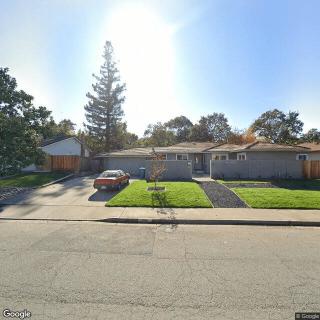


 Comprehensive Supportive Living Arrangements for Adults with Disabilities
 Funding and Affording Assisted Living: A Thorough Overview
 Assisted Living Expenses and Long-Term Care Insurance: A Comprehensive Exploration