
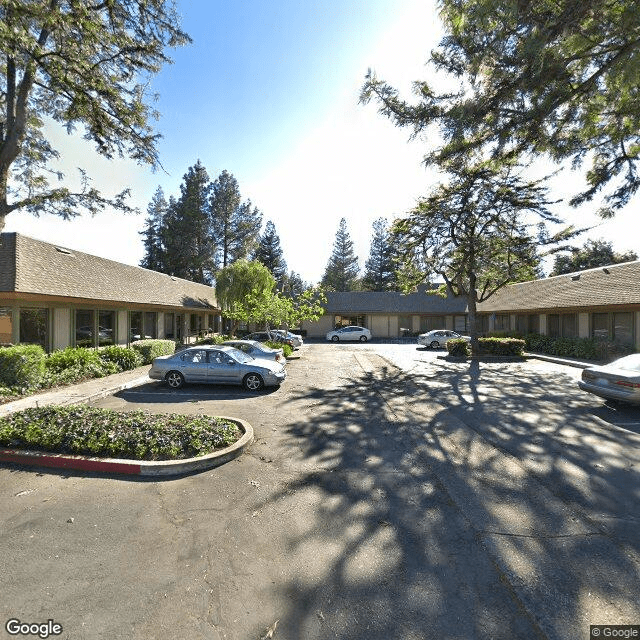
3075 Citrus Circle, Suite 101, Walnut Creek, CA 94598
To contact a resident: (925) 475-1441
For more information about senior living options: (866) 208-4318
Overall Review of 123 Home Care Services Bay Area l LLC - Walnut Creek, CA
Pros
 123 Home Care was good two years ago.
- The first contact with 123 was very professional and well handled.
- The caregivers were professional and understood what was needed.
- The scheduling was flexible and allowed tailoring as necessary.
- It turned out to be simple, professional and well done.
- They have stand-up professionals working for them.
- Antone Cook was a phenomenal human being who provided excellent care.
Cons
 The Key sign-up process was a complete disaster; they spent eight hours on the phone and couldn’t figure out which office should provide services.
- The staff were described as incompetent.
- None of the caregivers were qualified to meet their needs, forcing them to find qualified caregivers themselves, who were cheaper and fully qualified.
- The agency has zero stability, zero reliability, and zero trustworthiness.
- The reviewer would not recommend the agency and wouldn’t want their family to be cared for by its staff.
- 123homecare is described as a horrible business.
- Recruiters and receptionists were rude and mean; they lost personal information, never returned calls or emails, and lied about pay and availability.
Review
This community is best suited for families seeking flexible, in-home care that can be tailored on the fly and who are prepared to actively manage administrative logistics. In Walnut Creek and the broader Bay Area, 123 Home Care Services Bay Area LLC can deliver personalized caregiving when the care plan is light, the scheduling is adjusted frequently, and a capable family member or care manager is available to oversee operations. It works best for clients who can tolerate a hands-on vendor relationship, rather than a turnkey, consistently turnkey experience with a single point of contact.
Families that should consider alternatives are those prioritizing rock-solid reliability, predictable scheduling, and a centralized, stable intake and billing process. For seniors with complex medical needs requiring highly credentialed caregivers and a guaranteed cadence of visits, the agency’s current operational irregularities pose meaningful risk. If privacy missteps and inconsistent responsiveness are deal-breakers, or if a single, dependable liaison is non-negotiable, other providers or facility-based options will likely deliver calmer, more dependable outcomes.
On the upside, when the onboarding process goes smoothly, the agency can set clear expectations quickly and enable a care plan that feels simple and adaptable. Positive experiences highlight professional caregivers who understand needs and can implement a flexible schedule without forcing rigidity. There is real potential for thoughtful, person-centered care when the administrative side aligns with the care team, and the ability to tailor services without being locked into an inflexible template can be a meaningful advantage for families who value customization.
The main cons, however, are substantial. Recurrent reports describe real instability: misrouted offices, extended and unproductive phone calls, and system gaps that hinder service delivery. Several reviews flag incompetent or unqualified caregivers for specific needs, leading families to hunt for qualified staff outside the agency. Trust and reliability appear undermined by inconsistent staffing, opaque pay or availability details, and a pattern of poor responsiveness from recruiters and receptionists. In short, the vendor’s operational foundation often fails to support steady, dependable care.
These strengths and weaknesses interact in predictable ways. When the family can secure a dedicated coordinator, a straightforward schedule, and a stable point of contact, the agency’s advantages, flexibility, rapid onboarding, and capable caregivers, can shine and produce genuinely good care experiences. Unfortunately, those advantages are fragile in practice, because the cons tend to overwhelm the positives in the absence of tight governance and proactive communication. The risk calculus tilts toward inconsistency, which makes this provider a gamble for anyone requiring high reliability or long-term continuity.
Bottom line: this provider can work for families who are ready to supervise, document, and sometimes compensate for administrative gaps, and who prize highly personalized, adaptable care over a flawless administrative track record. For decision-makers where reliability, predictability, and smooth, ongoing communications are non-negotiable, consider stronger options with centralized operations and clearer accountability. If proceeding, insist on a written care plan with a designated supervisor, a single intake point, and a clearly defined escalation process; run a trial period with measurable benchmarks; and ask for verifiable references from similar care scenarios in Walnut Creek. This approach minimizes risk while allowing the agency’s genuine caregiving strengths to surface where they exist.
 Metropolitan Oakland International (18 miles away)







 Navigating the Tax Landscape of Caregiving: Credits, Deductions, and Beyond
 Highly Beneficial Low-Impact Exercises for Senior Living Residents
 Is In-Home Healthcare Tax Deductible? Your Comprehensive Guide