
1717 N California Blvd # 3a, Walnut Creek, CA 94596
To contact a resident: (925) 944-5779
For more information about senior living options: (866) 208-4318
Interim Assisted Care of East Bay Costs & Pricing
At Interim Assisted Care of East Bay, the monthly cost for a private room is $3,985, which positions it competitively within the broader context of Contra Costa County and California. In comparison, the average cost in Contra Costa County stands at $4,088, while the state average hovers around $3,939. This pricing structure suggests that Interim Assisted Care offers a valuable option for those seeking quality assisted living services at a slightly lower rate than the local county average, while remaining consistent with statewide trends. The facility's focus on providing attentive care in an inviting environment makes it a compelling choice for individuals looking to balance cost with high-quality support.
| Floor plans | Interim Assisted Care of East Bay | Contra Costa County | California |
|---|---|---|---|
| Private | $3,985 | $4,088 | $3,939 |
Senior living communities with a similar price nearby
-
from -$485 / mo
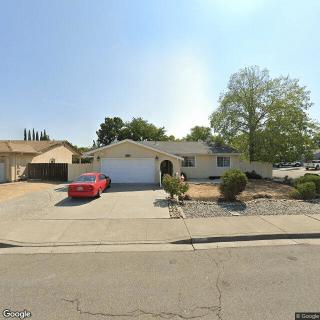
Gigi's Guest Home
$3,500 / month21.8 miles away -
from -$790 / mo
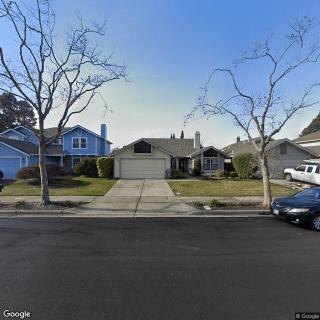
Harbor Bay Assisted Living
$3,195 to $5,000 / month14.8 miles away -
About the same

Golden Age Of Channing Way
$4,000 to $5,000 / month14.8 miles away -
from -$485 / mo
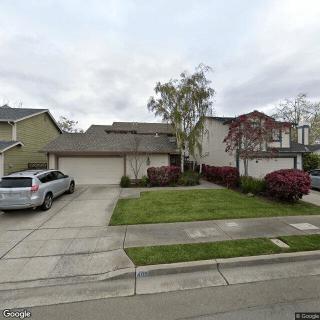
Angels Golden Care Assisted Living
$3,500 to $5,000 / month15.1 miles away -
from +$515 / mo

Pleasanton Senior Care Villa
$4,500 / month18.7 miles away
Overall Review of Interim Assisted Care of East Bay
Pros
 Heather's professionalism sets the tone for an office where every team member excels at patient care.
- Hillendale's service impresses clients, with CNAs who can assist with medication and caretakers who are friendly and engaged with loved ones.
Review
Interim Assisted Care of East Bay in Walnut Creek is best suited for seniors who want a small, hands-on, service-oriented environment where staff professionalism translates into reliable daily care. The community reads as a workplace with clear standards, anchored by Heather’s leadership, which sets a tone of respect, attentiveness, and consistent patient care across the office and caregiving team. Families seeking dependable, courteous interactions, steady daily support, and straightforward medication assistance will find the most value here. This is not a flashy campus with bells and whistles, but a practical setting where everyday routines are managed with competency, communication, and a visible commitment to residents’ comfort.
Those weighing options should also consider who may want alternatives. Individuals needing robust on-site medical oversight, extensive memory-care programming, or a broader range of specialized services may prefer a larger community with more on-site nursing staff and diversified care levels. The strength here rests in personalized attention and dependable caregivers, but it may not be the ideal fit for residents with highly complex medical needs or those requiring frequent, 24/7 clinical interventions. Families should contrast this with facilities offering formal physician presence, more expansive therapy offerings, or dementia-focused programs if those elements are non-negotiable.
The strongest pro of Interim Assisted Care of East Bay is the quality and consistency of the caregiving team. Reviewers highlight the professionalism that permeates the office and the way staff across shifts engage with residents. The CNAs are lauded for their ability to assist with medication administration, a critical factor for families wary of handling daily med routines. Beyond technical competence, the caregivers convey warmth and attentiveness, creating a daily rhythm where residents feel seen, supported, and encouraged to participate in simple activities. This combination, reliable medication support plus genuine, friendly engagement, maps directly to safer, more dignified days for seniors who prefer not to be treated as a checklist of tasks.
That care model does not exist in a vacuum, and the facility’s strengths offset a few potential limitations through real-world practice. The office culture and leadership create accountability, so communication with families tends to be clear and timely. When the care team shows up with a calm, capable presence, small concerns are addressed before they escalate, and residents maintain a sense of continuity in their routine. While the community does not advertise extensive medical programming, the proven ability of CNAs to handle medications promptly and respectfully reduces the likelihood of medication gaps, a common risk in smaller settings. In short, the practical benefits of a closely supervised, staff-driven model can outweigh the absence of a large medical footprint for many seniors.
Tours should focus on practical questions that reveal whether this environment will remain a good fit as needs evolve. Ask about the staff-to-resident ratio across day and evening shifts, the process for adjusting care plans when a resident’s needs change, and what types of medications the team routinely administer without physician orders. Inquire how physician communications are documented, how care conferences are conducted, and what happens if a resident requires more intensive supervision at night. It’s also wise to verify how social and cognitive activities are structured and whether opportunities exist for family involvement in daily routines and special events. These details translate the impression of professionalism into confidence about long-term compatibility.
In the end, Interim Assisted Care of East Bay offers a high-touch, dependable option for families prioritizing consistent caregiving, professional office culture, and reliable medication support. Its strongest appeal is a cohesive team that engages residents with respect and warmth, chaired by leadership that emphasizes quality care. The main caveat is that the setting is best suited for seniors who do not require intensive on-site medical oversight or expansive dementia care programs. For those families, the offset is compelling: a practical, well-run environment where daily care is predictable, communication is clear, and residents experience meaningful engagement every day.
 Metropolitan Oakland International (15 miles away)






 Comprehensive Approaches for Arthritis: A Detailed Guide to Symptoms, Causes, and Care
 Comprehensive Insights and Practical Strategies to Help Older Adults Avoid Falls
 6 Crucial Ways an Elder Law Attorney Assists Families