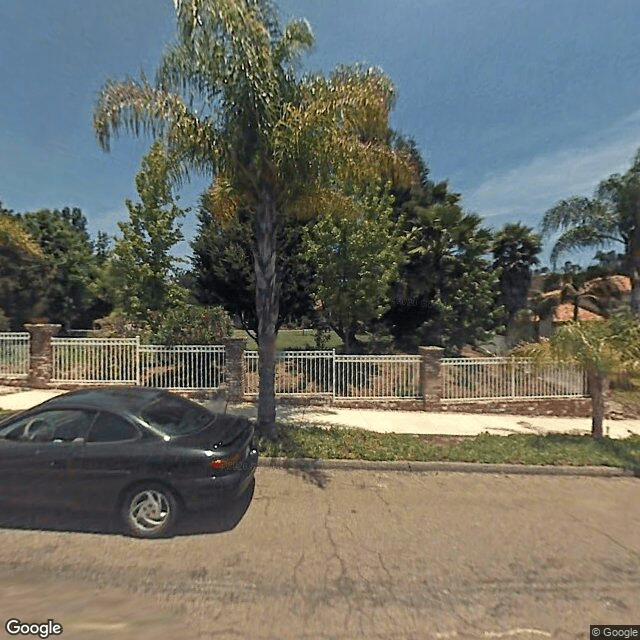
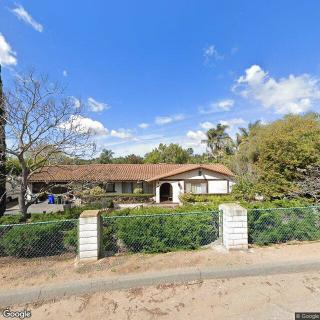
1266 Pleiades Drive, Vista, CA 92084
To contact a resident: (760) 659-6397
For more information about senior living options: (866) 208-4318
Rose Garden Costs & Pricing
At Rose Garden, the monthly costs for accommodations are thoughtfully positioned within the local and state landscape. For a semi-private room, residents can expect to pay $3,500, which is slightly below the San Diego County average of $3,518 and above the broader state average of $3,333. Meanwhile, for those seeking more privacy in a private room setting, Rose Garden offers this option at a competitive rate of $3,800. This price aligns closely with the county's average of $3,939 while remaining consistent with California's overall figure. These pricing structures reflect Rose Garden's commitment to providing quality care and comfortable living arrangements in an increasingly competitive marketplace.
| Floor plans | Rose Garden | San Diego County | California |
|---|---|---|---|
| Semi-Private | $3,500 | $3,518 | $3,333 |
| Private | $3,800 | $3,939 | $3,939 |
Assisted Living communities with a similar price nearby
-
About the same

Ramona Senior Lodge Assisted Living
$3,500 to $5,500 / month20.2 miles away -
from -$250 / mo

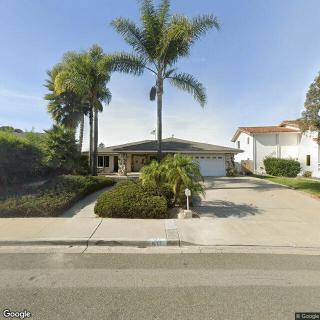
Mountain View Manor
$3,250 / month5.1 miles away -
from -$500 / mo
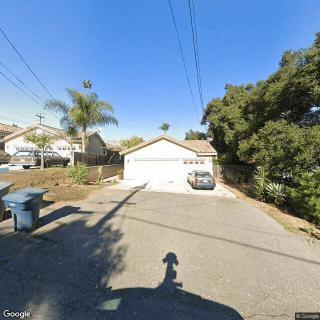
North La Costa Assisted Living
$3,000 / month7.8 miles away -
from -$500 / mo
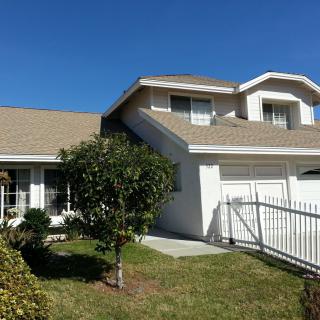
White Orchid Guest Home
$3,000 to $3,500 / month7.8 miles away -
from +$500 / mo
Blue Skies of Oceanside
$4,000 to $5,000 / month8.3 miles away
Overall Review of Rose Garden
Pros
 The nursing home is very good.
- The employees are very friendly.
- The living facilities are perfect.
- The staff are nice and caring.
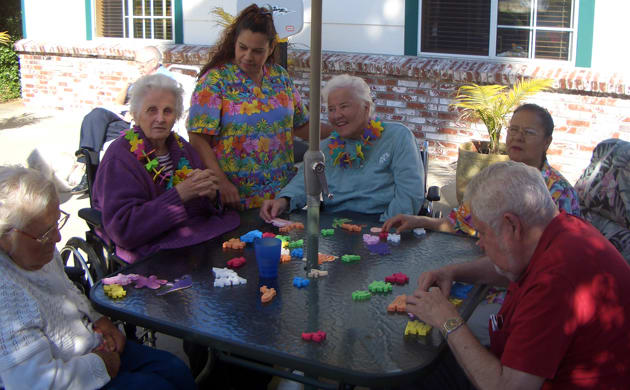
- There are plenty of activities for residents and an appealing menu.
- The grounds are gorgeous and roses are everywhere.
- The staff are great and keep residents informed.
Cons
 They needed more care at the time.
- There are some days when the food misses the mark.
Review
Rose Garden in Vista, California is best suited for seniors who want a warm, caregiver-focused environment with friendly staff, well-kept grounds, and a solid, though not intensely medical, level of daily support. Families seeking clear, steady communication and a home-like atmosphere will find the setting reassuring. The community excels for residents who enjoy routine, predictable supervision and a calm, pleasant ambiance. It is a strong fit for someone who tolerates some variation in daily offerings but prioritizes a supportive staff presence and a dignified, welcoming environment over high-tech medical acuity.
Those with higher medical needs should consider alternatives. Reviews note that while staff are consistently nice and caring, there is a sense that “more care at the time” was needed in at least one situation, signaling that Rose Garden may not be the best match for someone requiring substantial ongoing nursing oversight, complex therapies, or aggressive, around-the-clock medical management. For families evaluating longer-term trajectories or escalating care demands, it is prudent to verify on-site nursing intensity, caregiver coverage, and the process for transitioning to higher levels of care before committing.
The major strengths reside in the human touch and the atmosphere. Staff friendliness and ongoing family communication emerge as standout qualities, translating into smooth onboarding and reassuring day-to-day updates. The environment feels calm and attractive, with grounds described as gorgeous and a floral charm that contributes to a sense of well-being. Residents have access to a variety of activities and a menu that appears thoughtfully prepared, offering options that align with different tastes and preferences. Even when participation is voluntary, the breadth of choices helps sustain engagement and a sense of belonging.
On the downside, the dining experience carries some variability. One family noted that some meals were “a hit” while others were not, and another indicated they had not yet sampled the food to form a full impression. Food consistency matters for many seniors, particularly those with specific dietary needs or strong preferences, so this is a factor to verify during a tour or trial dining experience. Another implicit caveat is the mismatch that can occur between available activities and a resident’s willingness or ability to participate; this is not a flaw so much as a reminder that engagement levels may fluctuate and depend on individual motivation and pace.
Taken together, the pros, affable staff, transparent communication, a comfortable atmosphere, and a broad activities/menu slate, substantially offset the identified drawbacks for many families. The combination creates a dependable daily rhythm, where families feel informed and residents experience a dignified, low-stress environment. The scenery and grounds offer ongoing sensory comfort, which can ease transitions for aging loved ones. Even when care intensity concerns arise, the overall climate supports trust in staff and a measurable sense of security for caregivers who want to see their relatives thrive in a community that values respect and consistency.
For families weighing Rose Garden, a disciplined, practical approach makes the difference. Schedule a detailed tour with a focus on three questions: (1) current and planned levels of nursing care, including response times and staff-to-resident ratios; (2) sample menus and the process for accommodating dietary restrictions, portion sizes, and cultural preferences; (3) a realistic review of daily activities, with a trial or sit-in to observe resident engagement and staff encouragement. If the response satisfies the care trajectory and the family values the atmosphere and staff rapport, Rose Garden can be a reliable match. If, however, escalating medical needs are anticipated or a robust, on-site medical footprint is non-negotiable, alternatives that foreground higher acuity care may offer greater peace of mind.
 15 resident community capacity
 Assisted Living
 Board and Care Home
 Dogs allowed
 Activities off-site
 Bath tubs
 Beautician on-site
 Cable or satellite TV
 Devotional services off-site
 Dining room
 Fully furnished
 Garden
 Housekeeping services
 Indoor common areas
 Move-in coordination
 Outdoor common areas
 Private
 Private bathrooms
 Respite or short term stays offered
 Telephone
 Wheelchair accessible showers
 Wi-Fi/high-speed internet available
 MC Clellan-Palomar Airport (6 miles away)
 24-hour supervision
 Assistance with bathing
 Assistance with dressing
 Assistance with transfers
 Diabetes diet
 Diabetic care
 High acuity care
 Incontinence care
 Meal preparation and service
 Medication management
 Special dietary restrictions
 Transportation arrangement (medical)
 Transportation to doctors appointments



 Beyond the Bingo Hall: 50+ Enriching Activities for Seniors in Assisted Living
 Understanding the Distinctions: Assisted Living and Memory Care Explained
 Guiding Elderly Parents Who Refuse Assisted Living: 6 Practical Steps