Best Elderly Care I offers competitive pricing for its services, particularly when compared to the average costs in Orange County and throughout California. For instance, their studio apartments are priced at $3,000 per month, significantly lower than the county average of $4,313 and the state average of $4,145. Similarly, both their private rooms and one-bedroom units are available for $3,500 each, which is notably more affordable than the county's rates of $4,104 and $4,380 respectively. This pricing structure not only makes Best Elderly Care I an attractive option for families seeking quality elderly care but also highlights their commitment to providing value in a region known for higher living expenses.
Floor plans
Best Elderly Care I
Orange County
California
Studio
$3,000
$4,313
$4,145
1 Bedroom
$3,500
$4,380
$4,340
Private
$3,500
$4,104
$3,939
Memory care communities with a similar price nearby
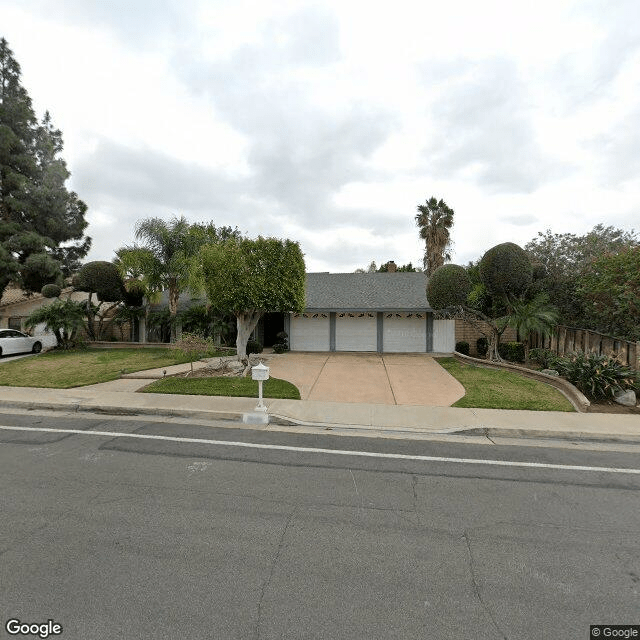
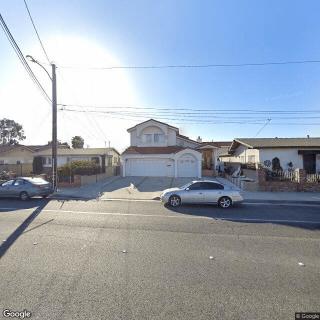
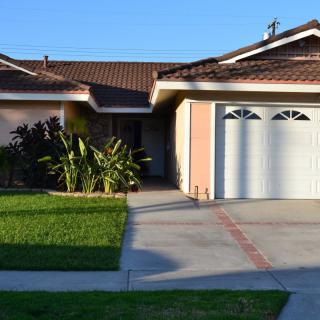
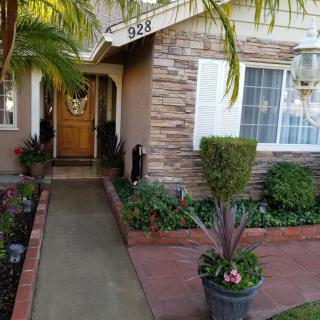
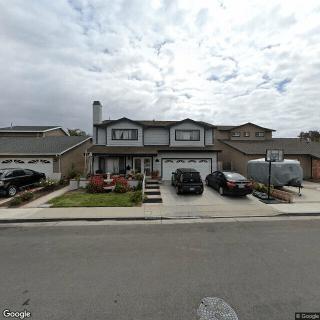
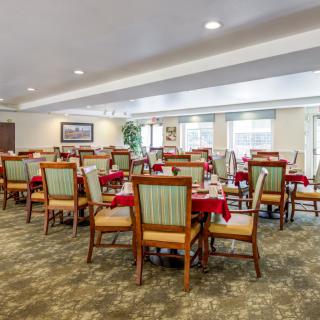
Residents describe a very clean, bright, and safety-focused residential feel.
Several residents say the facility is very clean and very well maintained, with lots of light and visible safety features. Others describe it as a nice-looking residential care setting with rooms and shared areas that stay clean and well kept. Reviews also mention enjoying views and outdoor space right outside the room, which makes the setting feel more comfortable day to day.
common6 reviews mention this
Attentive, friendly staff care
Families consistently describe staff as attentive and easy to get along with.
Residents’ families report that staff pay close attention to individual needs and that they’re friendly and personable. Multiple reviews also highlight that the staff interact well with residents and help make the move feel smoother. One reviewer specifically calls the staff exceptional, while another emphasizes the overall attentiveness since arriving.
common4 reviews mention this
Nutritious meals and activities
Families appreciate nutritious meals paired with daily activity programming.
Residents’ families mention the food as colorful and nutritious, and in separate reviews they say their loved one enjoys the meals. Reviews also describe morning exercise and occasional music-style programming, along with visiting entertainers. This lines up with the way the community offers meals and scheduled activities.
caveat3 reviews mention this
Room sizes can vary
Some residents mention limited room size even when they like the room.
One reviewer says their loved one enjoys the room, including a view and a garden right outside. Another notes a concern where the room available ended up being rented out and wasn’t big enough. Together, the reviews suggest room experience can be positive, but size isn’t guaranteed.
How we summarize
Counts show how many written reviews mention each theme; a review can touch several themes, and only frequently mentioned themes are displayed.
Features
Housing
6 resident community capacity
Types of Care
Assisted Living
Board and Care Home
Memory Care
Respite Care
Pets
Cats allowed
Dogs allowed
Amenities
Activities on-site
Beautician on-site
Cable or satellite TV
Devotional services on-site
Dining room
Fully furnished
Garden
Housekeeping services
Indoor common areas
Move-in coordination
Outdoor common areas
Outdoor space
Private
Private bathrooms
Respite or short term stays offered
Swimming pool / hot tub
Telephone
Wheelchair accessible showers
Wi-Fi/high-speed internet available
Transportation
John Wayne Orange Co (10 miles away)
Long Beach (Daugherty) (19 miles away)
Ontario International (21 miles away)
Care Services
24-hour supervision
Activities of daily living assistance
Ambulatory care
Assistance with bathing
Assistance with dressing
Assistance with transfers
Coordination with health care providers
Diabetes diet
Diabetic care
High acuity care
Incontinence care
Meal preparation and service
Medication management
Special dietary restrictions
Transportation arrangement (medical)
Transportation to doctors appointments
Dining
Diabetes diet
Kosher
Meals provided
Special dietary restrictions
Vegetarian
Activities
Activities on-site
Community-sponsored activities
Devotional activities on-site
Scheduled daily activities
Nearby Places of Interest
This part of Villa Park, California, offers a range of amenities and services that cater to the needs of seniors. There are several pharmacies nearby, making it convenient to access medication and health supplies. In terms of dining options, there are various cafes and restaurants for enjoying meals with family or friends. The proximity to parks provides opportunities for outdoor recreation and relaxation. Additionally, the presence of theaters and hospitals ensures access to entertainment and healthcare facilities when needed. For those looking for spiritual support, there is a place of worship nearby as well. Overall, this area offers a diverse range of resources that can contribute to a comfortable and fulfilling senior living experience.
Pharmacies
CVS Pharmacy (1.5 miles)
Walgreens (1.7 miles)
Walmart Pharmacy (1.7 miles)
CVS Pharmacy (3.3 miles)
CVS Pharmacy (3.4 miles)
Walgreens (3.7 miles)
Walgreens (4.1 miles)
Cafes
Starbucks (1.7 miles)
Tru Bru Organic Coffee (2.9 miles)
Kean Coffee (4.5 miles)
Anaheim Packing District (5.5 miles)
Hollywood Land (5.6 miles)
Starbucks (5.7 miles)
Jolly Holiday Bakery Cafe (5.7 miles)
Restaurants
Orange Hill Restaurant & Events (2.3 miles)
Raising Cane's Chicken Fingers (3.3 miles)
Green Burrito (3.7 miles)
Bottle Logic Brewing (3.7 miles)
Golden Road Brewing (3.8 miles)
In-N-Out Burger (3.9 miles)
McDonald's (4 miles)
Parks
Steve Ambriz Memorial Park (2.9 miles)
Irvine Regional Park (3.9 miles)
Peters Canyon (4.4 miles)
Yorba Regional Park (5 miles)
Resort at the Groves (5.4 miles)
Tustin Sports Park (5.5 miles)
Sycamore Park (5.8 miles)
Theaters
Century Theatres (2.9 miles)
AMC Movie Theater (4.5 miles)
Regal Yorba Linda & Imax (5.7 miles)
AMC DINE-IN Fullerton 2 (6.9 miles)
Hospitals
Choc (3.2 miles)
Transportation
Artic (3.3 miles)
Hertz Rent A Car (5.1 miles)
Drr Tomorrowland Station (5.5 miles)
Disneyland Monorail (5.6 miles)
Drr Toontown Station (5.7 miles)
DLRR New Orleans Station (5.9 miles)
Disneyland Monorail - Downtown Disney District Station (6 miles)
Physicians
Kaiser Permanente Medical Building 1 (3.4 miles)
Cardiology Specialists of Orange County (4 miles)
The 200 Building (4.4 miles)
Kaiser Permenente Tustin Medical Offices (5.9 miles)
Best Elderly Care I offers competitive pricing for its services, particularly when compared to the average costs in Orange County and throughout California. For instance, their studio apartments are priced at $3,000 per month, significantly lower than the county average of $4,313 and the state average of $4,145. Similarly, both their private rooms and one-bedroom units are available for $3,500 each, which is notably more affordable than the county's rates of $4,104 and $4,380 respectively. This pricing structure not only makes Best Elderly Care I an attractive option for families seeking quality elderly care but also highlights their commitment to providing value in a region known for higher living expenses.
Best Elderly Care I is designed to address the unique challenges faced by residents with dementia or Alzheimer's disease through a comprehensive suite of supportive features. Assistance with dressing and bathing helps maintain personal hygiene and dignity, while medication management ensures that residents receive their prescriptions accurately, minimizing confusion. Meal preparation and service cater to nutritional needs, which is crucial for overall health, while transportation arrangements facilitate access to medical appointments, ensuring continuity of care. Coordination with healthcare providers streamlines communication about treatment plans and changes in condition. The support for activities of daily living promotes independence in familiar routines, and assistance with transfers enhances mobility safety. Additionally, 24-hour supervision offers peace of mind for families and residents alike, with incontinence care addressing sensitive needs compassionately, all contributing to a nurturing environment tailored for cognitive challenges.
Dementia leads to cognitive impairment and can cause emotional and behavioral changes, including aggression that arises from frustration, confusion, or fear. Effective coping strategies for caregivers include understanding dementia's nature, recognizing triggers, using empathetic communication, and employing non-pharmacological interventions like music and art therapy.
Dementia causes cognitive decline and challenging behaviors that caregivers must manage, necessitating an understanding of the neurological basis of these issues. Effective strategies and self-care for caregivers can enhance support for those with dementia and improve their daily lives.
The content outlines five key early indicators of dementia, including significant memory loss and confusion about time and place, while emphasizing the need for professional evaluation and emotional support for both individuals showing symptoms and their caregivers. It encourages family members to monitor these signs closely and use online quizzes for initial awareness.
Get PricingAsk A QuestionSchedule A TourContact Senior Advisor
By clicking submit, you agree to our Partner's Terms of Use. You
also consent to receive calls and texts, which may be autodialed, from our Partner. Your consent is not a condition to
using our Partner's service. Please visit our Partner's Privacy Policy for information about their privacy practices.

 6 resident community capacity
 Assisted Living
 Board and Care Home
 Memory Care
 Respite Care
 Cats allowed
 Dogs allowed
 Activities on-site
 Beautician on-site
 Cable or satellite TV
 Devotional services on-site
 Dining room
 Fully furnished
 Garden
 Housekeeping services
 Indoor common areas
 Move-in coordination
 Outdoor common areas
 Private
 Private bathrooms
 Swimming pool / hot tub
 Telephone
 Wheelchair accessible showers
 Wi-Fi/high-speed internet available
 John Wayne Orange Co (10 miles away)
 24-hour supervision
 Ambulatory care
 Assistance with bathing
 Assistance with dressing
 Assistance with transfers
 Diabetes diet
 Diabetic care
 High acuity care
 Incontinence care
 Meal preparation and service
 Medication management
 Special dietary restrictions
 Transportation arrangement (medical)
 Transportation to doctors appointments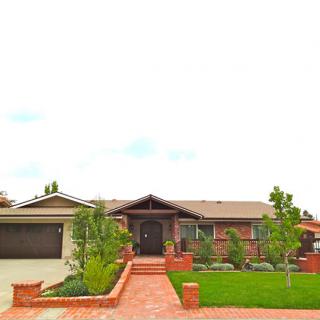
 Compassionate caregivers, nutritious meals, and a clean, welcoming environment with outdoor space.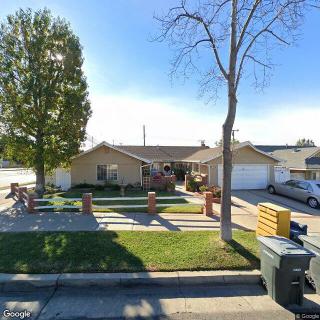


 When Dementia Sparks Anger and Aggression: Understanding the Connection and Ways to Cope
 Dementia Behaviors: In-Depth Understanding and Effective Coping Strategies
 5 Early Indicators of Dementia and What You Can Do