
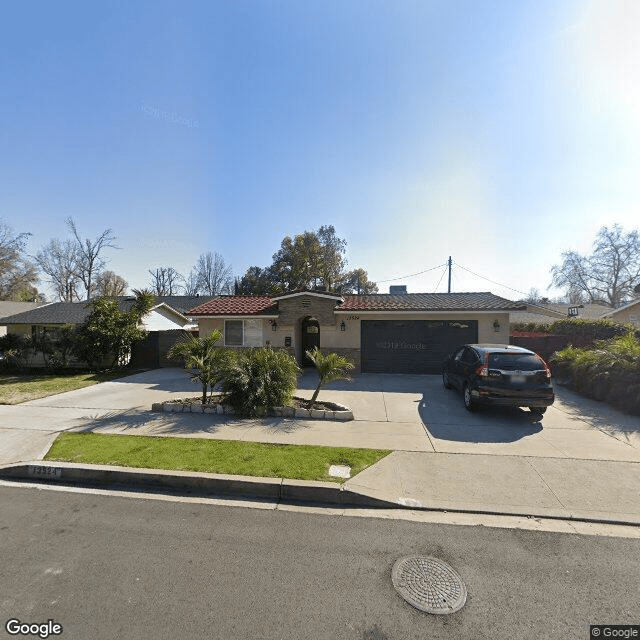
13524 Chandler Blvd, Sherman Oaks, CA 91401
To contact a resident: (818) 339-6646
For more information about senior living options: (866) 208-4318
Just Like Home II Costs & Pricing
At Just Like Home II, the monthly cost for a private room is $4,500, which positions it slightly above the average rates seen in Los Angeles County at $4,197 and significantly higher than the statewide average of $3,939 for California. This pricing reflects the facility's commitment to providing a high-quality living environment and personalized care that may cater to specific needs of its residents. While the costs are on the higher end compared to both county and state averages, they often correlate with enhanced services and amenities that contribute to an enriching experience in a community setting.
| Floor plans | Just Like Home II | Los Angeles County | California |
|---|---|---|---|
| Private | $4,500 | $4,197 | $3,939 |
Senior living communities with a similar price nearby
-
from -$500 / mo
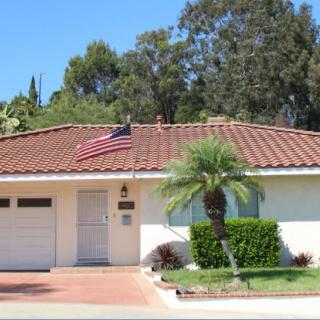
Palomino Residential Care
$4,000 to $6,000 / month18.7 miles away -
from +$500 / mo

Sweet Home Senior Living #1
$5,000 to $7,500 / month0.6 miles away -
About the same
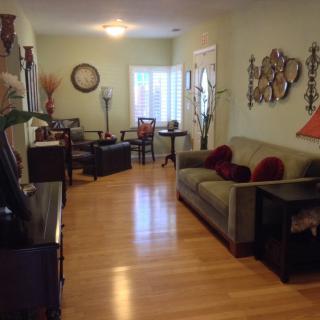
Ardenville Home Care I
$4,500 / month5.6 miles away -
from -$700 / mo
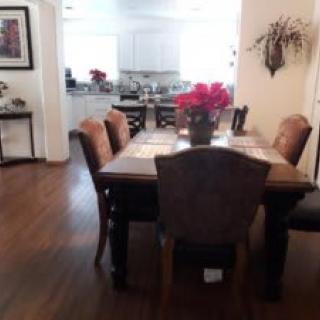
America's Care Manor
$3,800 to $4,000 / month15.9 miles away -
from -$500 / mo
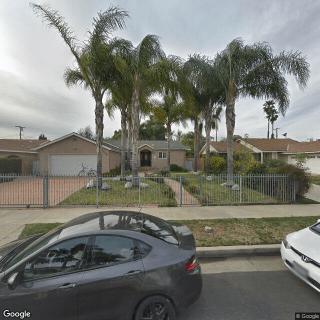
Land of Peace 6
$4,000 to $5,500 / month11.1 miles away
Overall Review of Just Like Home II
Pros
 The facility is amazing.
- They treat residents like family with utmost respect.
- The facility is small, clean, and comfortable with fabulous meals.
- The staff provide attentive care and give residents more attention than larger facilities.
- The administration is competent and the location is nice.
- The home is beautiful with private bathrooms and patio access.
- The staff are positive, caring, attentive, and welcoming.
- The food is excellent.
- Just Like Home II is a great community.
- The community is intimate, clean, and well maintained; residents seem happy.
Review
Just Like Home II in Sherman Oaks is best suited for seniors who want a tightly knit, home-like setting where caregivers know residents by name, and where family involvement is welcomed and actively encouraged. This community shines for families seeking a warm, low-key environment that prioritizes personal attention, dignity, and daily consistency over a campus-style atmosphere. It is ideal for someone who values private living space, direct access to outdoor areas, and meals that feel like home, all delivered with a level of care that makes the resident feel cherished rather than merely accommodated. Those who need a highly bustling social calendar, expansive campus amenities, or intensive medical oversight may want to consider alternatives.
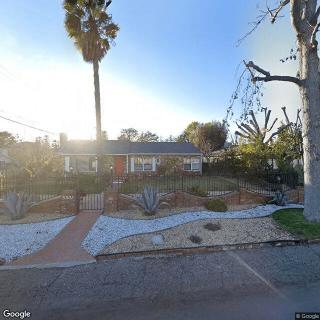
A core strength is the intimate scale. The small, approachable footprint creates a sense of being seen and known, not just housed. Private bathrooms and patio access elevate comfort and independence, while the rooms themselves are described as a good size, facilitating a relaxed routine without the maze of a larger community. The environment stays consistently clean and welcoming, with smells and impressions that reinforce a home-away-from-home feel. Most importantly, the staff and owners come across as genuinely positive, caring, and attentive, making visits feel like entering a family home rather than a clinical facility. That tone translates into reliable daily support, not sporadic or impersonal care.
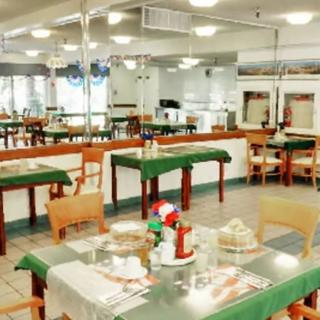
Food and social engagement emerge as standout positives. Meals are repeatedly described as excellent, with residents appearing well-fed, satisfied, and engaged around dining. Beyond nourishment, the programming emphasizes mental stimulation and activity, which residents respond to with visible positivity. Transportation to appointments helps preserve independence and reduces the stress of managing a medical schedule, while interactions among residents feel natural and supportive rather than transactional. The combination of tasty meals, meaningful activities, and easy mobility options contributes significantly to overall quality of life, taking the edge off concerns about confinement or boredom in a smaller setting.
Of course, the smaller size does introduce trade-offs. The most practical caveat is that the community is not a sprawling campus with every conceivable amenity at hand; the calendar may be less expansive than larger facilities, and some families may miss the breadth of amenities they associate with bigger communities. Yet this potential drawback is largely offset by the benefits of intimacy: higher caregiver visibility, quicker response times, and a sense that staff know residents’ preferences and routines well. For families weighing options, this means fewer “strikes” against the model and more reliability in daily rhythms, meals, and social contact, with less risk of residents slipping into anonymity.
The offset between strengths and trade-offs is what makes Just Like Home II distinctive. The attentiveness and familial culture counterbalance any desire for a more commercial, impersonal atmosphere. The private accommodations and home-style meals directly address comfort and dignity, while staff availability , including administration , translates into a reassuring safety net. Residents remain active and engaged thanks to purposeful programming and transportation support, which mitigates concerns about stagnation in a smaller setting. In short, the pros deliver tangible, meaningful gains in daily life that the cons cannot override.
For families evaluating options, this community is a practical, confident recommendation for those prioritizing warmth, consistency, and a sense of belonging. It offers a proven formula: intimate, well-run care that treats residents as family, strong daily routines, and quality nourishment, all supported by attentive owners and staff. Alternatives to consider if the priorities shift include larger communities with more extensive amenities, ventures focused on high-acuity medical care, or facilities with a broader calendar of social events. If the priority is a humane, respectful, home-anchored experience where staff truly know the resident and respond with care, Just Like Home II stands out as a clear, dependable choice.
 Board and Care Home
 Cats allowed
 Dogs allowed
 Private
 Private bathrooms
 Respite or short term stays offered
 Wheelchair accessible showers
 Burbank-Glendale-Pasadena (5 miles away)
 Ambulatory care
 Diabetic care
 High acuity care
 Incontinence care
 Medication management

 8 Essential Assistive Devices for Older Adults
 Navigating the Financial Road to Nursing Home Care: In-Depth Guidance and Resources
 Supportive Employee Benefits That Help Caregivers Attain Better Work-Life Harmony